
Who Takes the Mother of the Groom Down the Aisle? Understanding This Special Role in Weddings
When planning a wedding ceremony, many people wonder about the roles family members will play, especially the mother of the groom. Traditionally, the groom’s mother may walk down the aisle alone or with a family member. This moment is special as it honors her role in the groom’s life.
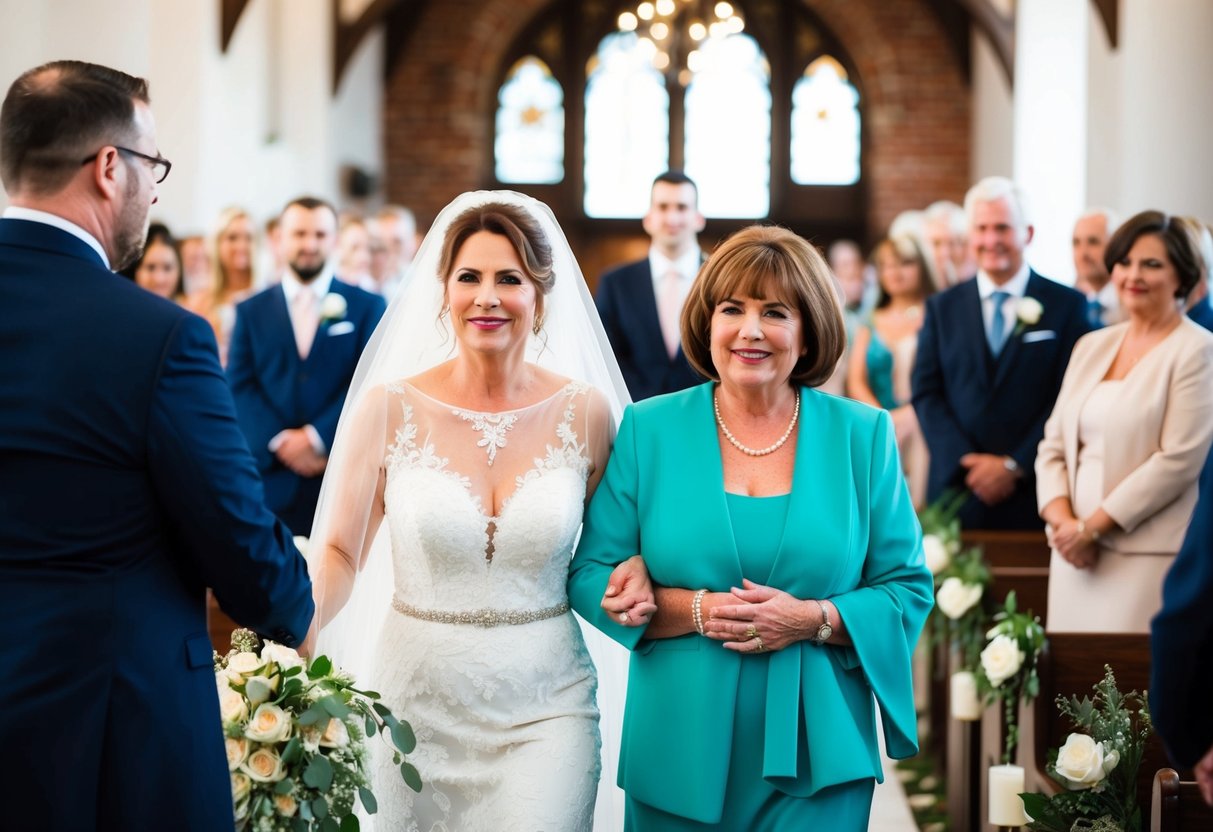
Choosing who will accompany the mother of the groom can add a personal touch to your wedding. You might opt for the groom to escort her, highlighting their bond, or select another close family member to make the moment more meaningful. Each approach can reflect your family’s traditions and values, making the ceremony feel unique to you.
Thinking about who walks the mother of the groom down the aisle opens up many possibilities. Whether it’s a solo entrance or a cherished escort, the choice you make will contribute to the overall warmth and connection felt during your wedding day.
Wedding Processional Basics
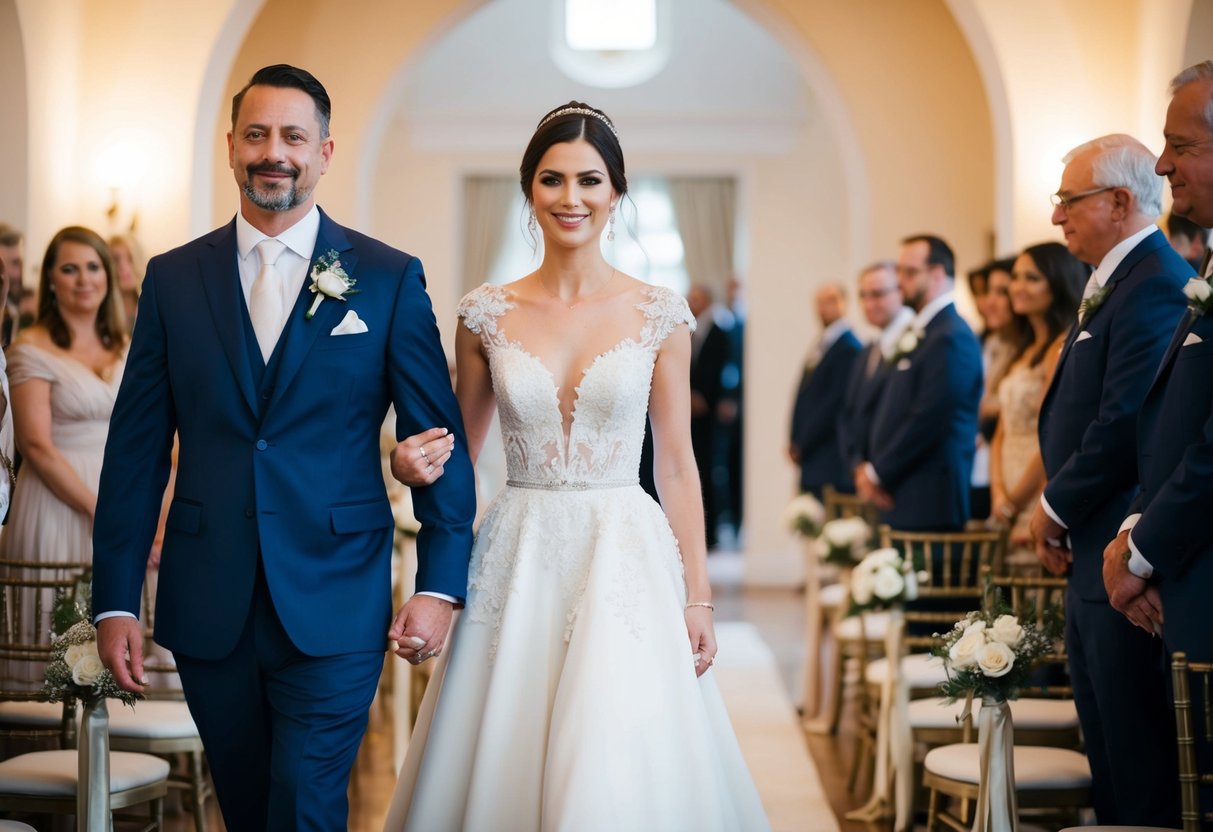
When planning the wedding processional, it’s important to understand who walks in what order. Knowing the roles of the groom’s parents can make the ceremony flow smoothly and feel special for everyone involved.
Understanding the Order of Procession
The wedding processional typically starts with the grandparents of the couple, followed by the groom’s parents. They are seated on the right side of the venue. Next, the bride’s mother walks down the aisle, taking a seat on the left side.
After the parents are seated, the wedding party enters. The groom’s party usually includes groomsmen and the best man, who walk down together. The bridesmaids follow, often led by the maid of honor. Finally, the bride makes her grand entrance, often escorted by a family member.
Each wedding can have unique features, so you can customize the order as you like.
Roles of the Groom’s Parents
The groom’s parents play significant roles in the wedding processional. Traditionally, the groom’s mother walks down the aisle after the grandparents, taking her place on the right side. She might walk solo or be escorted by the father of the groom.
The father of the groom typically sits with the mother during the ceremony. This arrangement symbolizes the support of the groom’s family. Their presence highlights the unity and celebration of the families coming together through the marriage. Including both parents in the processional reinforces their important role in the couple’s lives and signifying their backing as the couple embarks on this journey together.
Who Escorts the Mother of the Groom
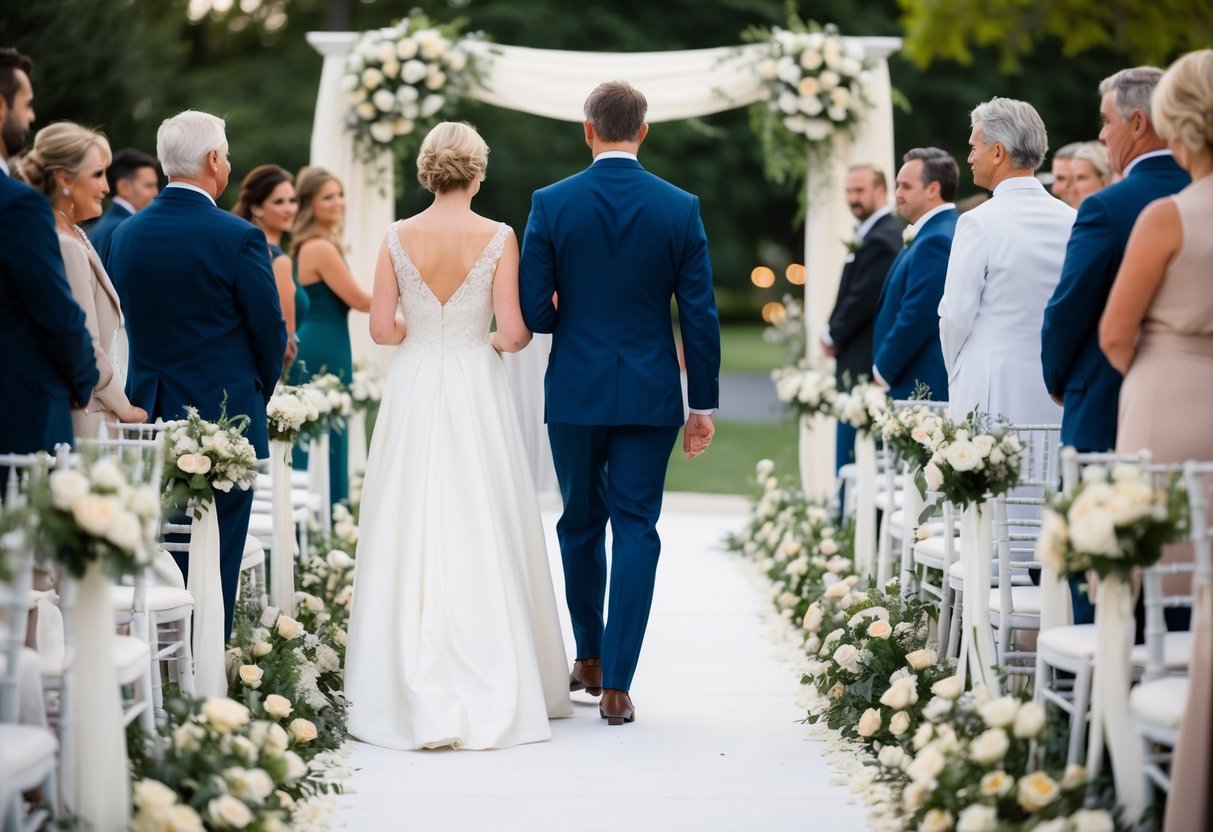
Understanding who escorts the mother of the groom can help create a memorable moment in the wedding ceremony. This choice can reflect traditions, family relationships, and personal preferences.
Traditional Customs and Modern Variations
Traditionally, the mother of the groom may walk down the aisle escorted by her husband or another family member, such as an usher. This moment honors her role and allows her to feel special. Many couples choose to have both parents walk together, creating a unified family appearance.
In modern weddings, couples often customize this tradition. Some grooms prefer to escort their mother down the aisle themselves, showcasing a personal connection. Others might let her walk solo or be accompanied by a close friend. This flexibility reflects the couple’s personalities and values, making it a unique moment in the ceremony.
Family Dynamics and Special Considerations
Family dynamics can play a significant role in deciding who walks the mother of the groom down the aisle. If relations are strained, you might choose an usher or close family friend to ensure comfort. This can create a positive environment while honoring the mother of the groom.
It’s also essential to consider the groom’s mother’s feelings. Some mothers may prefer to walk alone to feel empowered, while others might appreciate support. Discussing these options with your family can lead to a more meaningful experience. No matter the choice, the goal is to create a special moment that respects family connections and makes everyone feel included.
Cultural and Religious Considerations
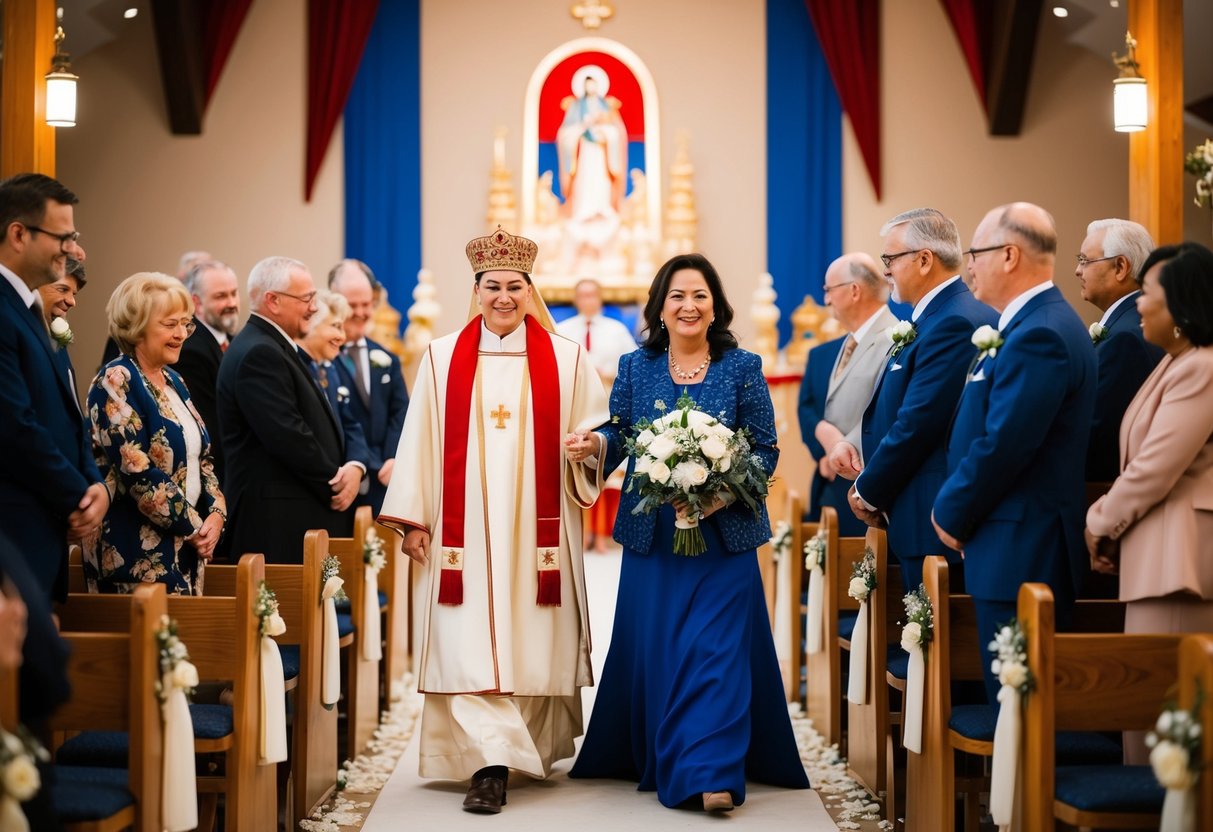
Weddings often have unique traditions based on cultural and religious backgrounds. The processional order can vary widely, especially for the mother of the groom. Understanding these practices can help you make the right choices for your ceremony.
Christian Wedding Processional Traditions
In Christian weddings, the processional usually starts with important family members. You might see the groom entering with his mother, which emphasizes their bond. This tradition is often followed by the bride’s entrance.
Typically, the groom stands at the altar with his best man. The mother’s entrance may be solo or with a family member. The focus is on highlighting family connections and love during the ceremony.
Jewish Wedding Processional Customs
Jewish weddings have their own customs, including the processional order. Traditionally, the groom walks to the chuppah with his parents. It’s common for him to be escorted by his mother.
This custom highlights family unity. The chuppah represents the couple’s new home. If the groom walks with his mother, it shows deep respect and love for family traditions.
Hindu Wedding Processional Rituals
In Hindu weddings, the processional can be quite elaborate and meaningful. It often starts with the baraat, where the groom arrives with music and dancing. He may be escorted by his mother and other family members.
After the baraat, the groom stands at the mandap. The mandap is the sacred space for the ceremony. The mother’s role in this procession symbolizes her support and blessing for her son and future daughter-in-law.
Each cultural tradition adds its own unique touch to the wedding. By understanding these aspects, you can respect and honor your family’s beliefs while creating a memorable ceremony.