
Who Talks First at a Wedding? Understanding the Order of Speeches
During a wedding, the order of speeches can feel a bit uncertain, especially if you’re involved in the planning. Typically, the groom speaks first to thank everyone for being part of the celebration. This moment sets the tone for the rest of the speeches and is an important part of the wedding tradition.

After the groom, the father of the bride usually follows, offering warm welcomes and heartfelt anecdotes. Friends and family, including the best man and maid of honor, also get their chance to share stories and toast the newlyweds. Knowing who speaks when can help you organize your thoughts if you’re part of the lineup.
As you dive into your wedding planning, understanding the structure of speeches can make a big difference.
Whether you’re a couple or part of the wedding party, knowing this order helps everyone feel confident and prepared for their turn at the mic.
Planning Your Wedding Speeches
When planning your wedding speeches, setting the right order and crafting meaningful content are key. Knowing who talks first can help both speakers and guests feel comfortable and connected.
Setting the Speech Order
The order of speeches at weddings typically follows a traditional format. This often starts with the father of the bride, followed by the groom, the best man, and then other speakers.
Here’s a common order:
- Father of the Bride
- Groom
- Best Man
- Maid of Honor
- Other Guests (if applicable)
Keep in mind that some couples choose a more modern approach. You can mix up the order based on personal preference. Just ensure that each speaker knows when it’s their turn to talk. Also, consider how speeches flow into one another for a more seamless experience.
Tips for Crafting Your Speech
Creating a heartfelt wedding speech doesn’t have to be stressful. Start by brainstorming the main points you want to address.
Consider sharing a funny or touching story about the couple. This personal touch will engage the audience.
Here are some tips:
- Keep it Short: Aim for 3 to 5 minutes. You want to keep everyone’s attention.
- Practice: Rehearse your speech multiple times to feel more comfortable.
- Be Genuine: Speak from the heart; sincerity resonates well.
Remember to stay calm and enjoy the moment. The couple will appreciate your effort, and your speech will be a memorable part of the celebration.
Key Figures in Wedding Speeches
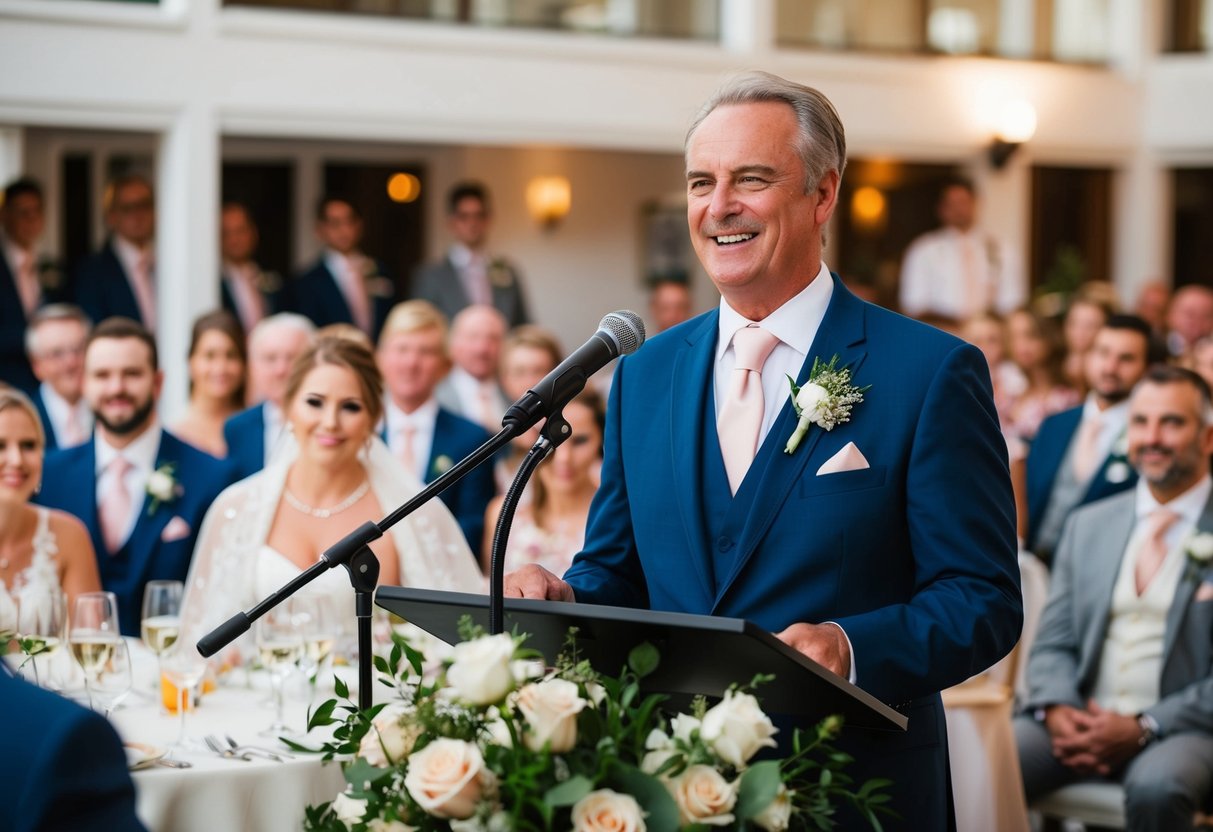
At weddings, various key figures play important roles during speeches. Each individual has specific responsibilities, making their contributions essential to the celebration. Understanding these roles and managing the speech length will help you create a memorable experience for everyone.
Roles and Responsibilities
The speeches at a wedding usually begin with the parents of the bride. Their speech often includes heartfelt stories, blessings, and warm wishes.
Next, it’s common for the groom to speak, expressing gratitude to both families and sharing personal thoughts about his partner.
The best man follows with his speech, often laced with humor and anecdotes about the groom. The maid of honor then speaks, often sharing her perspective on the couple’s journey.
The parents of the groom may also say a few words, especially if they wish to thank attendees.
Each role contributes to telling the couple’s story, ensuring everyone is included in the special moment.
Managing Speech Length
Keeping speeches concise is vital for maintaining engagement.
Aim for 3-5 minutes for each speaker, which allows for enough time to share meaningful moments without losing the audience’s attention.
The best man and maid of honor speeches often blend humor and emotion, making them impactful without dragging on. Encourage speakers to practice beforehand, emphasizing clarity and pacing.
By managing speech length, you help create a smooth flow during the reception. Make sure everyone understands the time limit so they can deliver special messages effectively.
The Order of Events at the Reception
Planning the order of events at your wedding reception is key for a smooth flow. This ensures that everything, including speeches and toasts, happens at the right time, making the event enjoyable for you and your guests.
Reception Timeline
The reception usually starts after the ceremony, beginning with a receiving line where guests greet you and your partner. This can take place at the ceremony site or the reception venue.
Following that, guests can enjoy appetizers while you take photos.
Next comes the grand entrance, where you and your partner are introduced. This leads to your first dance.
After that, it’s time for dinner, followed by speeches. The order of speeches often starts with the father of the bride, then the groom, the best man, and the maid of honor. Each speaker can share heartfelt thoughts and memories.
Navigating Speeches and Toasts
Speeches are a special way to honor loved ones, and they usually come after dinner.
In an intimate setting, consider keeping speeches heartfelt but brief, lasting around 3–5 minutes each. The couple may speak last, thanking guests for their love and support.
The wedding toast often follows the speeches. You might want to have a short blessing to start it off.
Make sure to coordinate with your MC or DJ on this order so that everyone is ready to raise their glasses together. It’s a lovely way to wrap up this special moment!
After the Speeches

Once the speeches conclude, it’s time to shift the focus back to enjoying the celebration. This is a great moment to soak in the joy of the day.
You’ll want to ensure the energy stays high and that guests feel appreciated for their contributions.
Continuing the Celebration
After the speeches, the atmosphere will usually lighten up. Guests may feel more connected and ready to celebrate.
This is an ideal time to kick off dancing or other fun activities.
Consider providing a signature drink or an exciting dessert to keep the mood festive. If you had a rehearsal dinner, you can also share some funny memories from it to make guests laugh.
Make sure that the music plays softly at first, then gradually increases to encourage people to get up and enjoy themselves.
Acknowledging the Speakers
Don’t forget to acknowledge those who spoke. This can be done verbally during the reception or with a small thank-you card after the event.
Expressing gratitude makes everyone feel valued. You can even highlight a special moment from each toast that stood out to you.
You might consider a small gift for your parents or the best man and maid of honor to thank them for their heartfelt words. In some cases, a simple shout-out can go a long way in making speakers feel appreciated.
By doing this, you’ll add a nice touch and ensure that the spirit of the day carries on.