
Who Traditionally Buys the Bride’s Bouquet? Exploring Wedding Customs
When it comes to wedding flowers, the bride’s bouquet holds a special place. Traditionally, the groom buys the bride’s bouquet as a meaningful gift. This gesture symbolizes his love and support while also adding to the beauty of the wedding day.
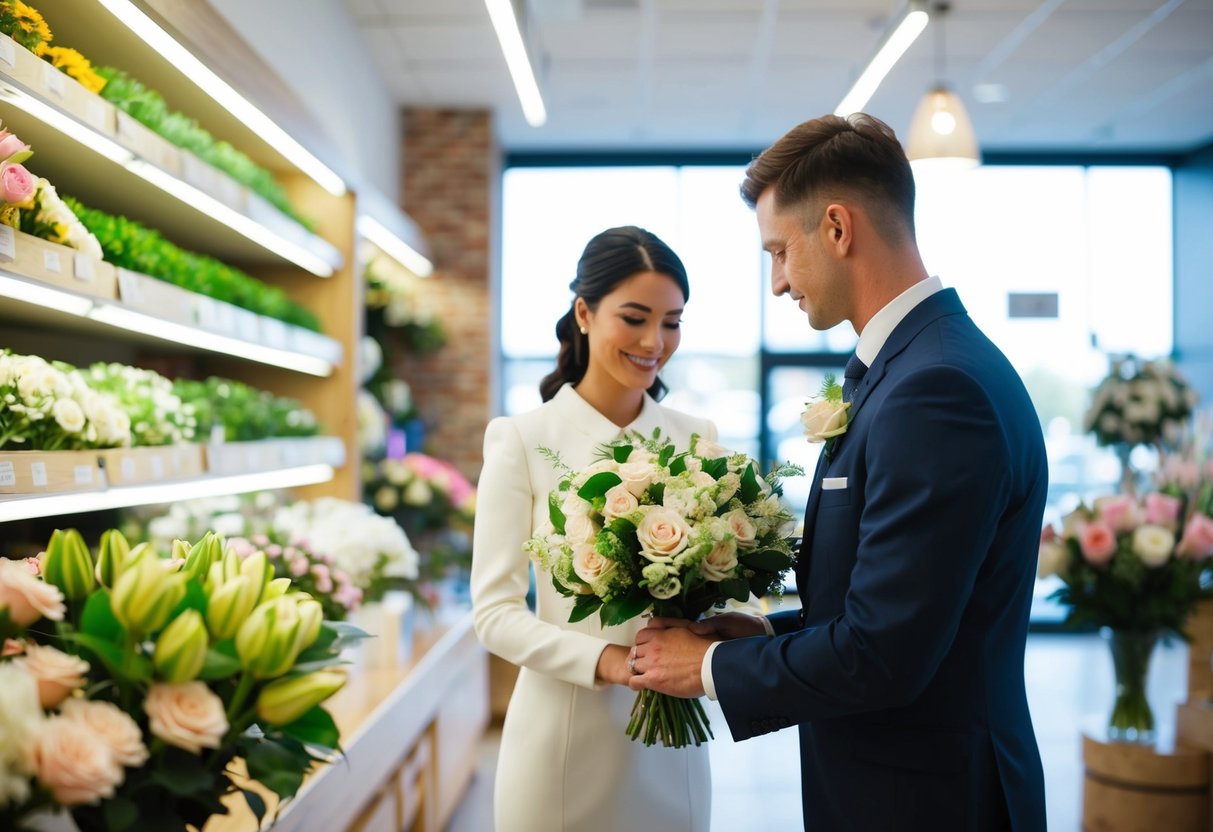
Wedding etiquette suggests that the bride or her family is responsible for most of the other floral arrangements, including bridesmaids’ bouquets and ceremony decorations. Understanding these roles can help you create a beautiful floral plan for your big day while following tradition.
If you’re planning a wedding, knowing who pays for what can make the process smoother and more enjoyable. Dive into the details of bouquet traditions and find out how to make your wedding flowers truly shine.
Traditions in Floral Expenses
When it comes to wedding flowers, different cultures and families have unique traditions. Understanding these customs can help you navigate your wedding planning with ease. Here are some key areas to consider regarding who pays for wedding floral expenses.
Cultural Variations
Floral traditions can vary widely based on culture. In many Western cultures, the bride’s family pays for the bride’s bouquet. This flower arrangement is often seen as part of her attire. Meanwhile, the groom’s family traditionally covers the boutonnieres worn by the groom and groomsmen. In some cultures, such as Indian weddings, floral arrangements hold a special ceremonial significance and may be handled differently altogether. Understanding these norms can guide your planning and budgeting.
Roles in Floral Gifting
Traditionally, the bride’s bouquet is considered a crucial element of wedding flowers. This arrangement often reflects her personality and style. The groom’s family typically pays for this important floral piece. However, there are specific details to note. For example, the groom’s family usually handles the cost for boutonnieres and corsages for special guests. Besides the bouquet, other flowers may be split between families depending on personal choices and traditions. This arrangement helps ensure that everyone feels included in the floral aspects of the wedding.
Modern Trends in Wedding Flowers
Today, many couples are rethinking traditional roles in floral arrangements. It’s becoming more common for couples to share costs or handle floral expenses together. Some choose to buy their flowers early on in the planning process, making budgets easier to manage. Many opt for unique arrangements that represent their love story, rather than strictly adhering to traditional customs. This modern approach allows for creativity and personalization in wedding planning, making your special day truly unique.
Planning the Wedding Floral Arrangements
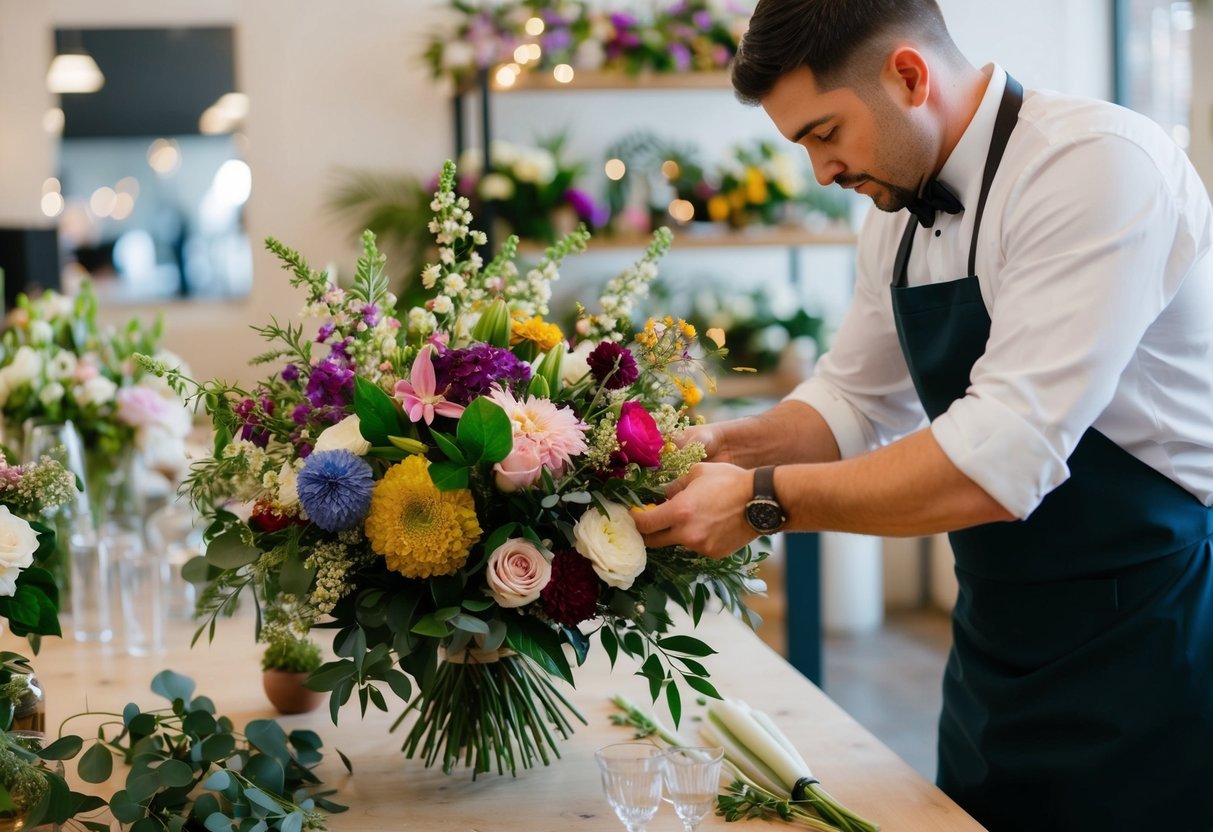
Planning your wedding floral arrangements is an exciting part of the wedding process. Choosing the right flowers can enhance the overall vibe of your ceremony. Focus on the bridal bouquet, how it fits with your wedding theme, and finding the perfect florist.
Selecting the Bridal Bouquet
Your bridal bouquet should reflect your style and personality. When choosing the flowers, consider what is in season, as this can affect both availability and price.
Popular flowers include roses, peonies, and lilies, but don’t be afraid to think outside the box.
Also, consider the size and shape of your bouquet. A larger bouquet can make a bold statement, while a smaller one may feel more delicate and elegant. Discuss your vision and preferences with your florist to create a bouquet that speaks to you.
Coordinating with the Wedding Theme
Your floral arrangements should enhance your wedding theme. Think about your color scheme and the atmosphere you want to create.
For a romantic wedding, soft pastels could be a perfect choice. A rustic wedding might benefit from wildflowers and earthy tones.
Don’t forget about the wedding centerpieces. They should blend well with your bridal bouquet. Choose flowers that complement your bouquet but also bring a cohesive look to tables and other areas of your venue. Creating a unified floral design will enhance the beauty of the entire event.
Choosing a Wedding Florist
Finding the right wedding florist is crucial for bringing your vision to life. Start by researching local florists and reading reviews. Look for someone who specializes in weddings and has experience with the floral arrangements you desire.
Once you have a few options, schedule consultations. Discuss your flower budget and any ideas you have. A good florist will help you understand what’s possible within your budget. They can provide recommendations for flowers and arrangements that fit your style and theme perfectly.
Budgeting for Wedding Flowers
Planning for wedding flowers is an important part of your wedding budget. By understanding how to allocate your funds wisely, you can make sure your bouquet and other floral decorations fit your budget while still looking beautiful.
Allocating Funds for the Bouquet
When deciding how much to spend on the bouquet, start by reviewing your overall wedding budget. You might want to set aside 10% to 15% of your total budget for flowers. This can cover not only the bride’s bouquet but also bridesmaids’ bouquets and ceremony flowers.
Determine how much you want to spend on your bridal bouquet. Bridal bouquets can range from $100 to $350, depending on the size and flower types. The more elaborate your design, the higher the cost. Keep this in mind when allocating funds for your bouquet compared to other wedding expenses, like reception decor.
Economizing Flower Costs
To save on flower costs, consider a few strategies. Choosing seasonal flowers can significantly lower your expenses. Seasonal blooms are more readily available and generally cost less.
Another way to economize is to use fewer flowers in your arrangements. A simple design can be just as stunning. For example, a bouquet with greenery and a few statement flowers can be both beautiful and budget-friendly.
You might also look into renting items like centerpieces or using potted plants instead of cut flowers. These options can reduce costs while still enhancing your wedding decor.
Finding Balance Between Quality and Expense
It’s important to balance quality with cost when budgeting for flowers. While you want beautiful blooms, remember that there are ways to cut costs without sacrificing style.
Consider working with a florist who can guide you on where to splurge and where to save. For example, you might invest more in your bridal bouquet while choosing simpler arrangements for the wedding party.
Using an online flower calculator can also help you track your wedding flower budget. This will keep you organized and allow you to see where adjustments can be made. Focus on what matters most to you, whether it’s the bridal bouquet or reception decor, and make choices that feel right for your wedding day.
Additional Flower-Related Wedding Elements
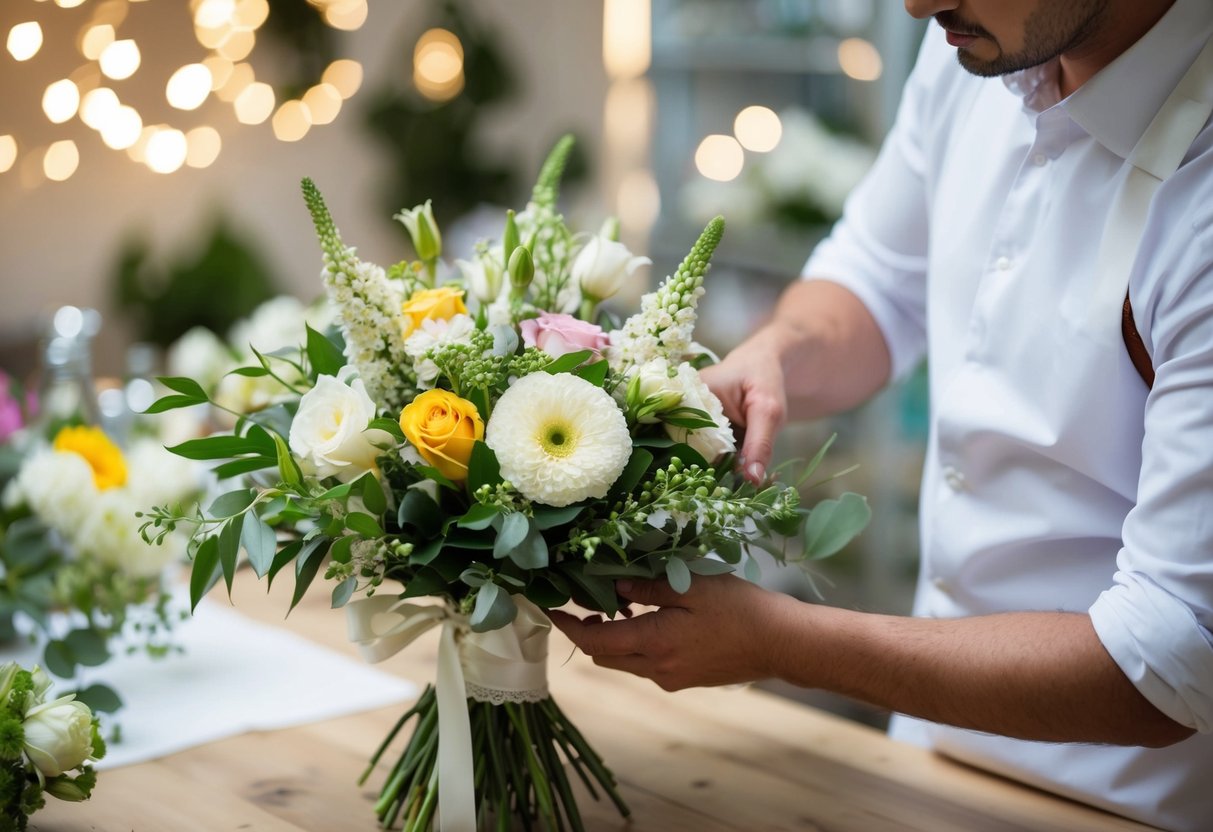
Flowers play a vital role in many aspects of wedding celebrations. From enhancing the venue decor to honoring important family members, floral elements can add beauty and meaning to your special day.
Decor for the Venue
When planning your wedding, consider how flowers can enhance the decor of your venue. Beautiful floral arrangements can serve as centerpieces, adding color and elegance to dining tables. Think about using flowers that complement the wedding theme and color scheme.
Floral arches are another popular choice. They create a stunning backdrop for your ceremony. You can also add floral accents at key points, like the entryway or dessert table. These elements can make your venue feel more inviting and festive.
Corsages and Boutonnieres for the Wedding Party
Corsages and boutonnieres are lovely ways to recognize the wedding party and family. Typically, mothers of the bride and groom receive corsages. These small floral arrangements are worn on their wrists or pinned to their dresses.
Groomsmen usually wear boutonnieres, which are small flowers pinned to their jackets. You can customize these flowers to match the bride’s bouquet. This helps tie the whole wedding party look together.
Flowers for Parents and Grandparents
Presenting flowers to parents and grandparents is a thoughtful gesture. You can give them mini bouquets to express your appreciation. These can be simpler yet elegant arrangements that coordinate with the overall wedding flowers.
Many couples choose to give these floral gifts during a special moment of the ceremony, such as after the vows. This adds a heartfelt touch, making your loved ones feel cherished on your big day.