
Who Traditionally Buys the Wedding Rings? Exploring the Customary Roles in Ring Purchasing
When it comes to wedding rings, you might wonder who traditionally takes on the responsibility of buying them. Traditionally, the groom purchases the wedding bands as a sign of commitment and love for his partner. This custom reflects traditional gender roles that often assign the groom the task of providing both the engagement ring and the wedding rings.
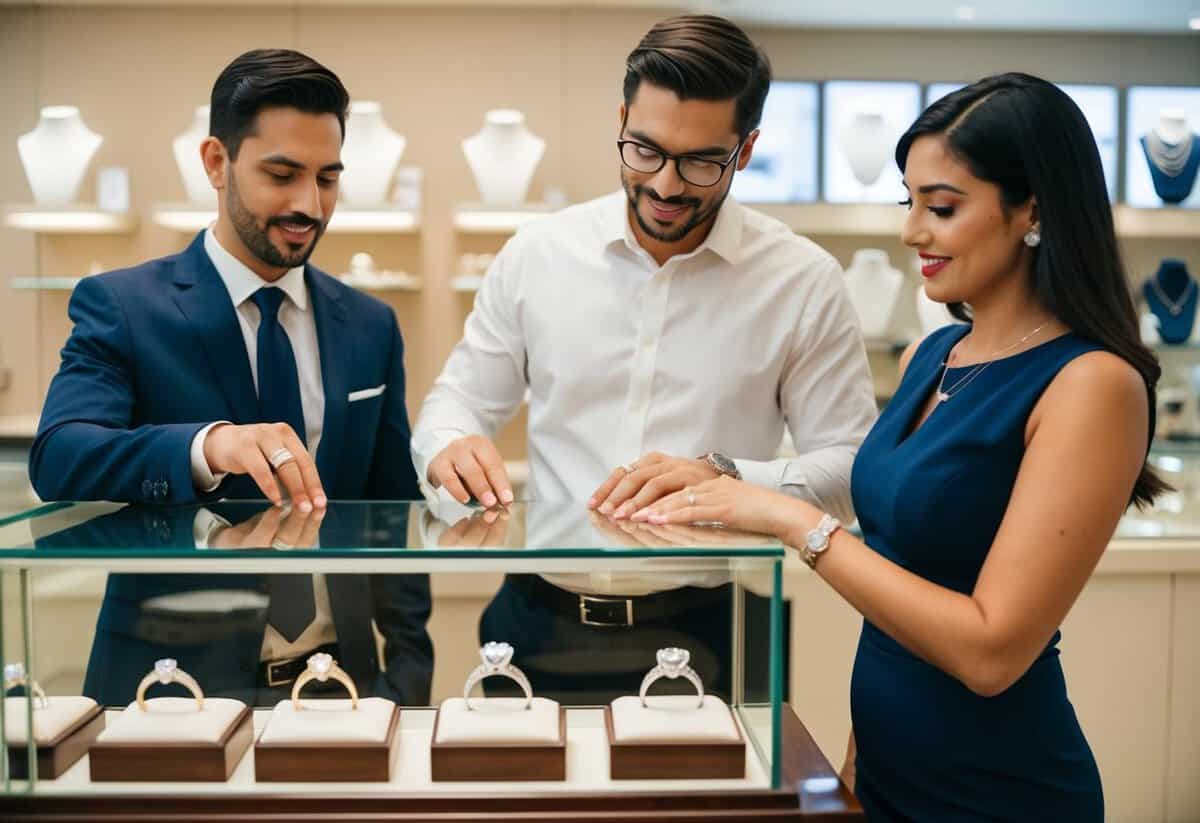
As you dive deeper into wedding traditions, it’s clear that customs vary greatly based on culture and individual preferences. Some couples may prefer an egalitarian approach, sharing the costs and choosing rings together during the wedding planning process. This modern twist can make the experience more meaningful, as both partners contribute to selecting symbols of their love.
Understanding these traditions can help you navigate what feels right for your marriage ceremony. Whether you follow the traditional path or create your own unique custom, knowing the options can make the choice more enjoyable.
Who Purchases the Wedding Bands?
Understanding who buys the wedding bands involves looking at historical practices, modern trends, and cultural differences. You’ll find that traditions have changed over time, reflecting shifts in gender roles and the idea of equality in relationships.
Historical Perspective
Traditionally, the groom bought the bride’s wedding band, while the bride purchased the groom’s ring. This practice was rooted in customs around dowries and financial responsibility. In many cultures, it symbolized the groom’s commitment and the bride’s loyalty.
These processes followed strict gender roles. The groom’s purchase represented his role as a provider, while the bride’s choice showed her acceptance of the marriage. This setup reinforced traditional views on relationships and financial power.
Modern Practices
Today’s couples often take a more egalitarian approach. Many choose to purchase their wedding bands together. This reflects shared financial responsibility and decision-making.
In modern practices, budgeting for wedding expenses means both partners might contribute to the costs. Joint decisions help couples find rings that represent their unique styles. You may choose to split costs evenly or allocate funds from a shared budget.
This shift shows that couples value equality and mutual agreement in their relationships, moving away from strict traditional roles.
Cultural Variations
Cultural backgrounds can influence who buys wedding bands. In Western cultures, it’s common for the groom to purchase the bands. In contrast, some Eastern European traditions see couples sharing ring costs, symbolizing equality and partnership.
Different cultures have distinct customs surrounding wedding expenses. Certain cultures place more emphasis on the bride’s family providing a dowry, which can impact financial roles.
Understanding these cultural variations helps you appreciate the diversity in wedding customs. Whether following tradition or adapting to modern practices, what matters is finding a way that works for you and your partner.
Choosing the Perfect Rings
When selecting wedding rings, you want to consider both style and personal significance. These rings symbolize your love and commitment, making the choice deeply important. Understanding styles, materials, and ways to personalize your bands will help you find the perfect set.
Ring Styles and Materials
Choosing the right style and material for your wedding bands is essential. Popular metals include gold (yellow, white, or rose), platinum, and even alternative materials like tungsten or silver. Each metal has its own qualities. For example, platinum is incredibly durable, while gold offers various finishes that can complement your engagement ring.
Think about the style that suits your lifestyle. For everyday wear, you might prefer a simple, classic band. If you want a unique look, consider wedding bands with intricate designs or even engravings that reflect your relationship. A professional jeweler can help you find the size and style that fits you both perfectly.
Personalizing Your Bands
Personalization adds meaningful touches to your wedding bands. You can opt for custom engraving that showcases your initials, wedding date, or a short phrase that captures your love. This little detail can make your rings truly one-of-a-kind.
You may also want to consider adding gemstones or diamonds for extra flair. Many couples choose to match the gemstone in their engagement ring with their wedding band. Personal preferences play a big role here, so think about what represents your unique connection. Working with local jewelers can give you options to ensure your rings reflect your personalities and commitment.
Financial Considerations
When planning for wedding rings, it’s essential to think about your budget and how to manage costs. Many couples find that discussing financial responsibilities early helps avoid stress later. Let’s explore how to set a budget and some strategies for saving.
Setting a Budget
The first step is to decide how much you can spend on wedding rings. Consider your overall wedding budget and where the cost of the rings fits in. Look at your current finances and determine a comfortable price range.
Many couples suggest spending around 2-3 months’ salary on rings, but this can vary based on personal circumstances. Create a simple list:
- Income: Monthly take-home pay.
- Expenses: Ongoing financial commitments.
- Savings: Amount available for wedding bands.
This list helps balance your ideal ring choices with what you can afford. Communicate openly about your priorities with your partner as you finalize your budget.
Strategies for Saving
A solid plan can make saving for wedding rings easier. Start by setting aside a specific amount each month. Opening a separate savings account can help you track the funds more effectively.
Consider timing your purchases strategically. Look for sales during holidays or wedding expos, where vendors often offer discounts.
Another idea is to explore alternative materials or styles. For example, opt for lab-created stones or simpler band designs, which can cost less while still looking stunning.
Don’t forget to check with family if they have heirloom rings to pass down. This can save you a lot of money and offers a meaningful connection to your family’s history.