
Who Traditionally Pays for the Officiant? Understanding Wedding Budget Norms
When planning a wedding, knowing who pays for each aspect is essential. This includes understanding who traditionally pays for the officiant. Traditionally, the groom’s family pays the officiant’s fees and the marriage license. This practice can help clarify financial responsibilities and ease some of the stress that comes with wedding planning.
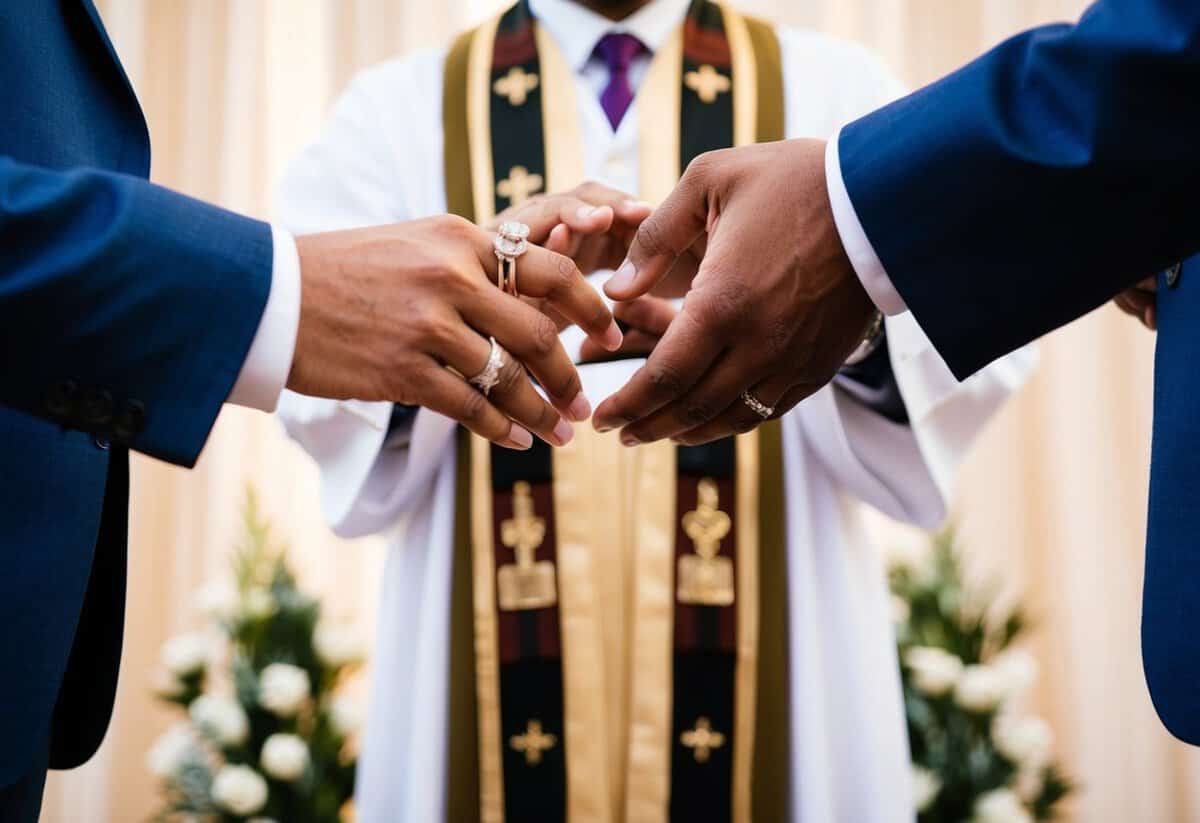
It’s important to note that while traditions often guide these decisions, modern couples have more freedom to split costs or choose who pays based on their circumstances. Exploring wedding etiquette surrounding these expenses can provide insight into how to approach conversations about finances with your families.
Knowing who pays can help you budget effectively and avoid any misunderstandings. As you navigate your wedding planning journey, keeping these traditions in mind can assist you in making informed decisions that honor both your desires and etiquette.
Understanding Wedding Finance Traditions
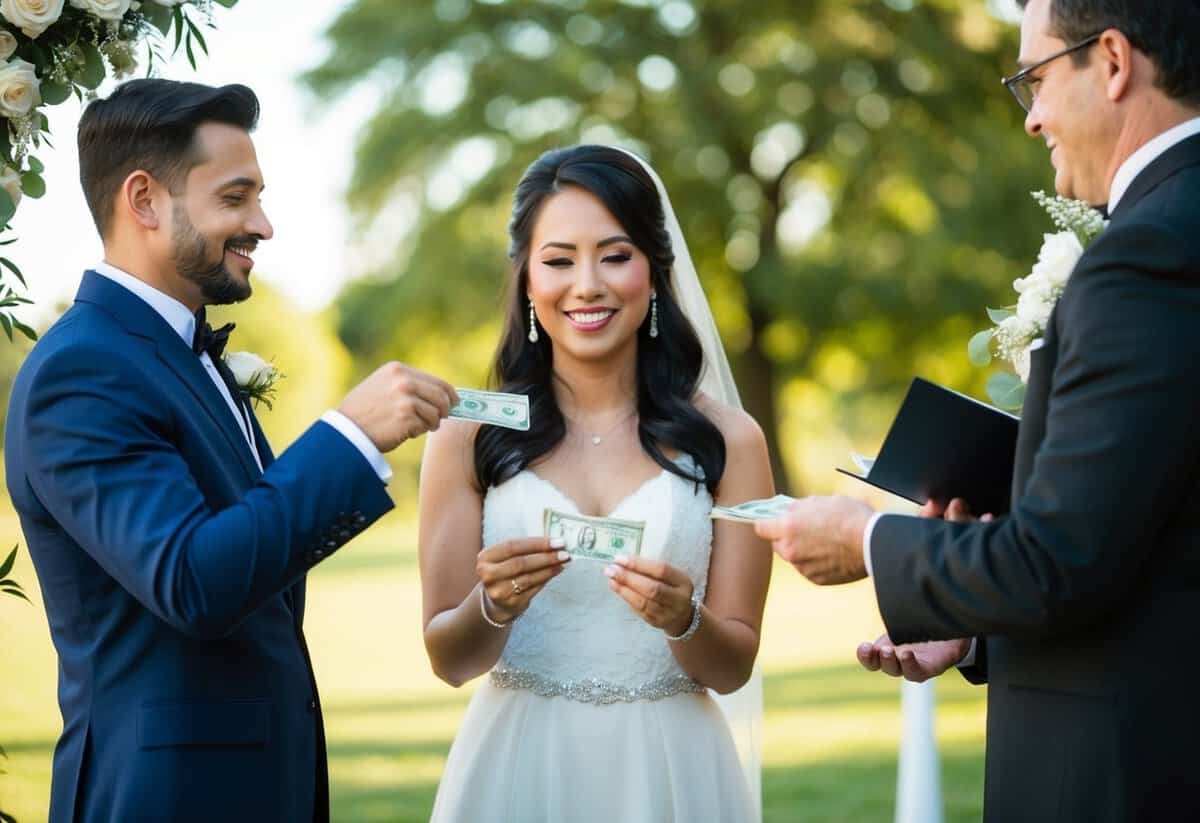
When planning a wedding, knowing who traditionally covers specific costs can help clarify expectations and avoid misunderstandings. Different families often have set roles in financing the big day, while modern approaches can introduce flexibility.
Roles of the Bride’s and Groom’s Families
Traditionally, the bride’s family has been responsible for most wedding expenses. This includes costs for the venue, catering, flowers, and invitations. They often take on the bulk of the wedding budget, ensuring everything runs smoothly.
On the other hand, the groom’s family typically covers the officiant’s fees, as well as expenses for the rehearsal dinner and alcohol at the reception. The groom is responsible for the engagement and wedding rings, along with gifts for groomsmen. Understanding these roles can help you navigate financial discussions with family.
Modern Approaches to Wedding Funding
In recent years, many couples have chosen to share costs more equally. This shift allows for a collaborative approach to budgeting and planning. Couples can discuss who pays for what, creating a plan that feels fair for everyone involved.
Today, it’s common for both families to contribute to the wedding budget. Some couples even finance the wedding themselves. Having open conversations about expenses can help establish a budget that reflects everyone’s input. You can work together to prioritize what matters most to you both, keeping the focus on your celebration.
Breaking Down the Officiant’s Fee

Understanding the costs associated with hiring a wedding officiant can help you budget appropriately. This fee can vary based on several factors, including the officiant’s experience and the type of ceremony.
Determining the Cost of an Officiant
The wedding officiant fee can range widely. Typically, you might spend between $200 and $500 for most officiants. However, some professional celebrants may charge between $250 and $1,000, especially for personalized ceremonies.
Several factors affect this cost:
- Experience: More experienced officiants often charge higher fees due to their expertise.
- Location: Fees can change based on where your wedding takes place. Urban areas tend to have higher rates.
- Ceremony Type: A simple elopement might cost less than a large wedding ceremony.
Knowing these details can help you make an informed decision when selecting an officiant.
Who Traditionally Covers the Officiant’s Fee?
Traditionally, the groom’s family would pay the officiant’s fee. Yet, modern couples often share this expense. This shift reflects changing times and the fact that both partners may have equal financial responsibility.
It’s common for couples to discuss and decide together who will cover the officiant fee. This may involve budgeting other wedding costs, making it a team effort. Including the officiant fee in the overall wedding budget can help clarify how to divide expenses.
Being open about financial expectations can make planning easier and less stressful for everyone involved.
Planning and Budgeting for Your Wedding
Planning your wedding budget is essential to ensure you stay on track with your expenses. It helps you allocate funds for major costs while keeping everything organized and stress-free.
Allocating Funds for Major Expenses
Start by making a list of all the main expenses. This includes the venue, food, alcohol, and wedding reception costs. Don’t forget about the officiant, whose fees can vary widely.
Consider other important events like the engagement party and rehearsal dinner. Each of these items can add up quickly.
Here’s a simple breakdown to guide you:
- Venue: 30% of your budget
- Food and Beverage: 25%
- Decorations: 10%
- Photography and Videography: 10%
- Officiant: 5%
- Other (Attire, favors, etc.): 20%
This allocation helps ensure you cover all bases.
The Importance of a Well-Planned Budget
A well-planned budget keeps your finances in check. It also helps track your spending.
Before making major decisions, consult with a wedding planner if needed. They can help you get the best value for your money and may suggest ways to save.
Always set aside 5-10% for unexpected costs. Weddings often come with surprises that can impact your budget.
After determining your budget, stick to it during planning. Avoid the temptation to overspend on items like elegant table settings or extravagant alcohol selections. Remember, it’s about your special day, not how much you spend!
Reimagining Traditions for Contemporary Weddings
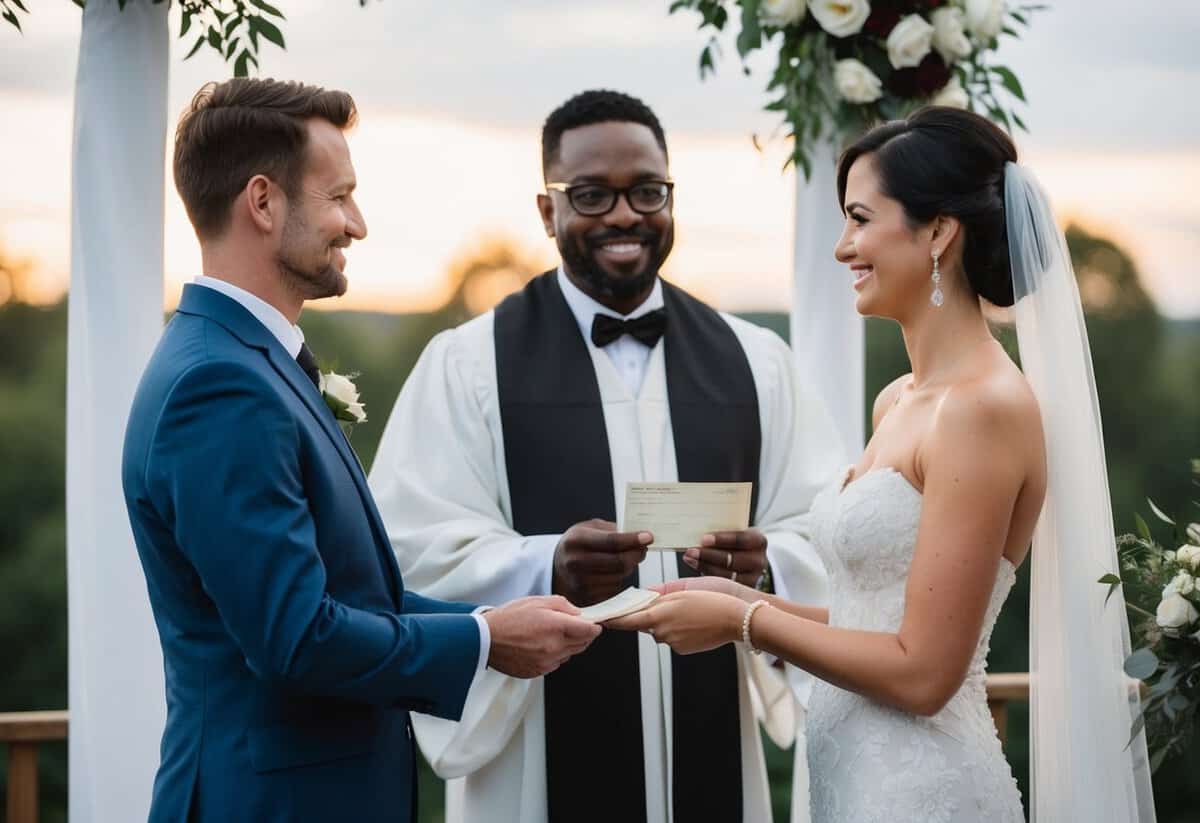
As weddings evolve, many couples are embracing new ways to celebrate their love. This shift allows for more personal touches and unique formats that reflect individual values and relationships.
Elopements and Alternative Wedding Formats
Elopements have gained popularity as a meaningful way to tie the knot. Many couples choose this route to avoid traditional stress and constraints. With just the two of you, the focus is solely on your commitment.
Alternative wedding formats, such as small gatherings or destination weddings, are also wonderful options. Whether you’re considering a beach ceremony or a cozy backyard event, these choices allow for greater creativity. LGBTQ+ couples often find that these formats suit their needs perfectly, providing a safe and inviting environment.
Including Personal Touches and Non-traditional Elements
Many couples today want their ceremonies to represent who they are. This can include personal vows, special readings, or unique rituals. You might also consider having a close friend officiate your wedding.
Getting ordained online is an easy way to customize your experience. An ordained minister who knows you well can provide a heartfelt, tailored service. This approach shows your personality and commitment to each other, making your wedding day even more special.
Don’t hesitate to include elements that are meaningful to you, as this personal touch will create lasting memories.