
Who Traditionally Pays for the Rehearsal Dinner? A Guide for Wedding Planning
When planning a wedding, you might find yourself wondering about the rehearsal dinner and who should foot the bill. Traditionally, the groom’s family pays for the rehearsal dinner, making it a special event to celebrate the upcoming wedding with close friends and family. This custom reflects the traditional roles in wedding planning, where the groom’s parents host the evening before the big day.

However, as wedding customs evolve, many couples and families are adapting these traditions. You might consider other options that fit your situation better.
It’s becoming more common for the bride’s family, close friends, or even the couple themselves to take on this responsibility, allowing for a more flexible approach to rehearsal dinner etiquette.
Understanding these choices can help you navigate the planning process with ease. Whether you stick to tradition or break the mold, the rehearsal dinner is all about celebrating love and unity in a fun and relaxed setting.
Understanding Rehearsal Dinner Basics
The rehearsal dinner is an important event leading up to your wedding. It serves as a chance to gather your wedding party, family, and close friends, allowing everyone to relax and celebrate before the big day. Here are a few key points to consider about the purpose, format, and guest list for this special occasion.
Purpose of the Rehearsal Dinner
The rehearsal dinner usually takes place the night before your wedding. Its main purpose is to bring together the wedding party and family for a meal and to run through the ceremony details. This helps ensure everyone knows their roles and reduces stress for the following day.
It’s also a time for you to acknowledge everyone’s support. You might want to give thank-you speeches or small gifts to your bridal party and close family members. Importantly, this event is a chance for out-of-town guests to mingle. It can make them feel welcomed and part of the celebration.
Typical Rehearsal Dinner Format
A typical rehearsal dinner can vary in style, but it usually includes a meal, drinks, and sometimes entertainment. Most dinners are more casual than the wedding reception. You can choose between a sit-down dinner or a buffet, depending on your preferences and budget.
It’s also common to have a toasting session where family and friends can share their thoughts and well wishes. You may include games or activities that help everyone relax and have a bit of fun before the wedding.
Consider keeping the evening light and enjoyable to set a joyful tone for the celebration ahead.
Invitation and Guest List Considerations
When planning your rehearsal dinner, creating the guest list is important. Typically, this includes the wedding party, their partners, and immediate family. You might also want to invite out-of-town guests who have traveled to attend the wedding.
Rehearsal dinner invitations often go out a few weeks before the event. You can send out traditional printed invitations or use digital options for a more modern approach. Be sure to include the time, place, and any special instructions, like dress code or whether guests should bring a dish if it’s a potluck style.
This early notification helps everyone plan accordingly and shows your appreciation for their presence in your wedding festivities.
Financing the Rehearsal Dinner

When planning your wedding, knowing who pays for the rehearsal dinner is important. This dinner is a chance for the couple, families, and wedding party to connect before the big day. Understanding financial responsibilities can help ease any budget concerns.
Traditional Financial Responsibilities
Traditionally, the groom’s parents are expected to pay for the rehearsal dinner. This custom aims to help celebrate the couple’s upcoming marriage. The expenses can include venue rental, catering, drinks, and decorations.
In some cases, the bride’s parents may also contribute. While the groom’s family often covers these costs, the couple may discuss and decide who will host. This can include close family members or friends as well.
Modern Etiquette and Family Dynamics
Modern wedding etiquette is more flexible than in the past. Families often work together to share costs. Money may come from both sets of parents, the couple themselves, or even a group of friends.
You might also see couples hosting their own rehearsal dinner, especially if they want to save money. Discussing family contributions upfront can help avoid misunderstandings. Be open about your wedding budget and financial responsibilities with everyone involved.
Budgeting for the Rehearsal Dinner
Creating a rehearsal dinner budget is essential. Start by listing all possible expenses, such as food, drinks, and venue costs. Setting a budget can help you stay on track.
Consider ways to save money, like choosing a less expensive location or serving a simpler menu. You may opt for a potluck style dinner, which can be both fun and cost-effective.
By planning wisely, you can enjoy a memorable rehearsal dinner without overspending. Keep communication open among family members to ensure everyone is on the same page regarding costs and expectations.
Planning the Perfect Rehearsal Dinner
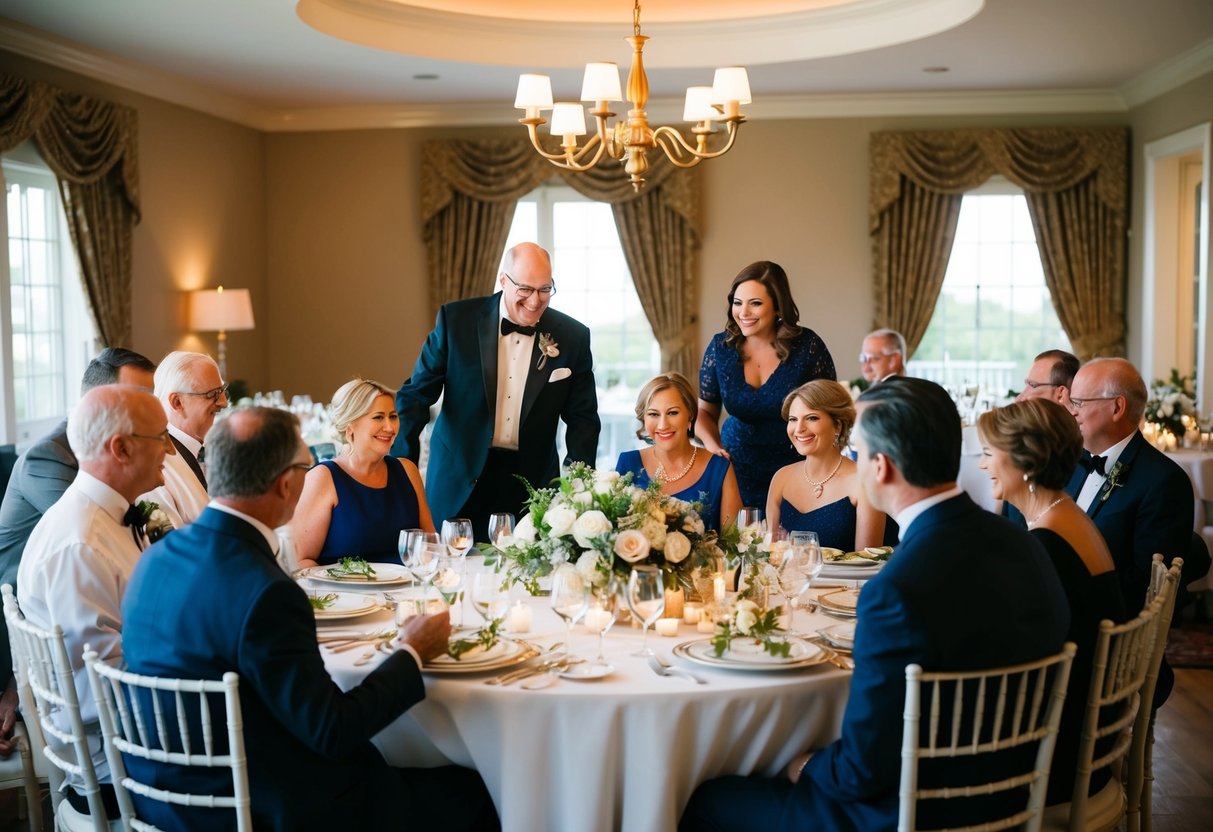
Planning a rehearsal dinner involves making thoughtful choices about the venue, menu, and seating. These details help set the tone for the big day and ensure everyone feels welcome and comfortable.
Selecting the Right Venue
Choosing the right venue is key to a successful rehearsal dinner. Consider a place that reflects your style, whether it’s a cozy restaurant, a lovely garden, or a banquet hall.
Make sure the venue can comfortably accommodate your guests without feeling crowded.
Tip: Visit several venues to see their ambiance and layout. Check if they offer packages that include rentals like tables, chairs, and basic decorations.
Cost considerations: Ask about venue costs and what is included, such as staff and cleaning fees. Choose a location that fits your budget while meeting your needs.
Crafting the Menu and Catering
The menu should align with your guests’ tastes and dietary needs. Decide whether you want a sit-down meal, buffet, or family-style service.
When selecting food, think about popular options such as pasta, chicken, or vegetarian dishes. Don’t forget to include a variety of beverages, including non-alcoholic choices.
Important: Hire a reliable catering service or ask the venue if they cater. This can help streamline the planning process.
Be mindful of catering costs, as they can vary significantly. Always ask for a detailed quote to avoid surprises.
Designing a Seating Chart
A well-planned seating chart helps guests enjoy the event. Begin by making a guest list and consider relationships when deciding who sits where.
Group family members and friends together to encourage conversation.
Tip: Use placeholders or name cards to clearly identify each guest’s seat. This adds a personal touch and avoids confusion.
Consider the layout of the venue when planning your seating. Ensure there’s enough space for movement and conversation.
Planning your seating chart carefully can prevent conflicts and create a warm atmosphere at your rehearsal dinner.
Adding Personal Touches
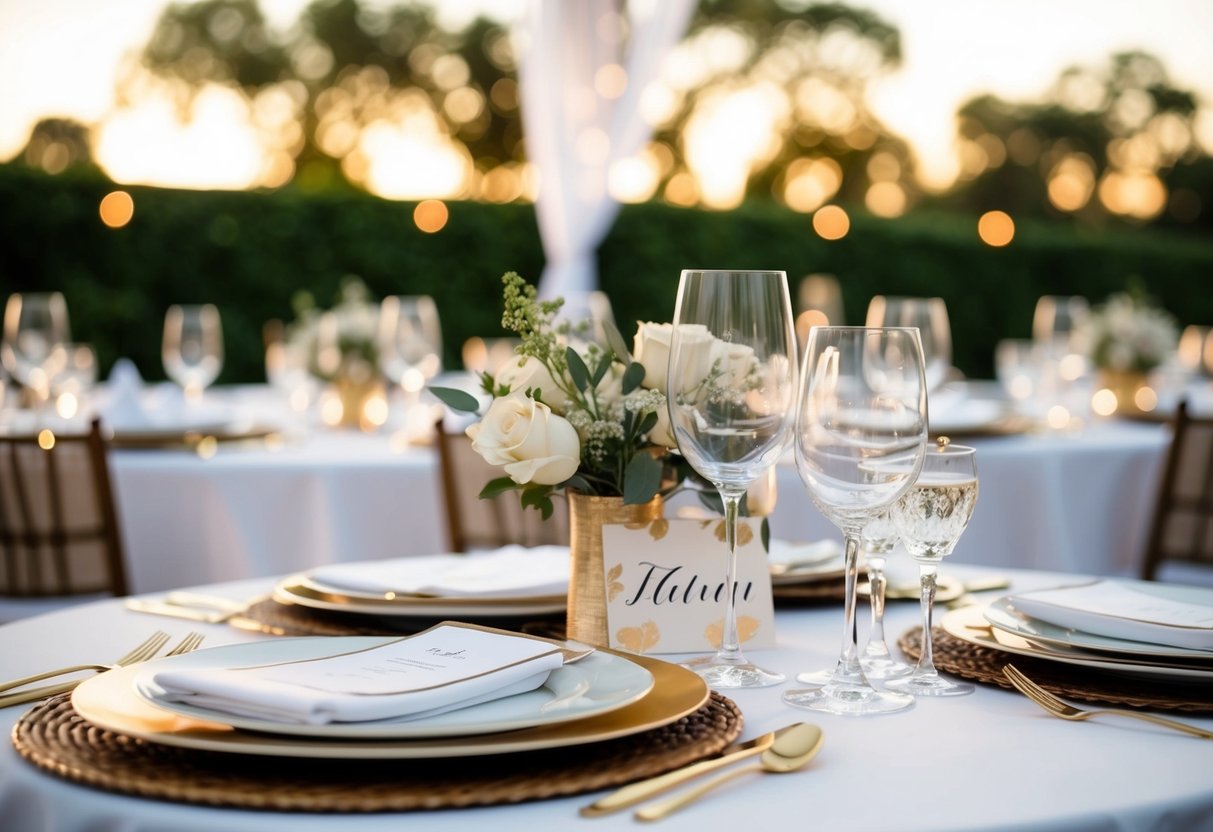
Adding personal touches to a rehearsal dinner can make the event feel more special and memorable. These touches can reflect your style and personality as a couple, allowing guests to connect with your story.
Toasts and Speeches
Toasts are a wonderful way to share your stories and express gratitude. Encourage family and friends to offer toasts during the dinner. You can plan for a few designated speakers, such as the parents of the couple or the best man.
Consider a funny anecdote or a heartwarming memory that highlights your relationship. If you want a casual event, keep the tone light and enjoyable. This will help create a relaxed atmosphere while allowing everyone to bond over shared laughter and heartfelt moments.
Theming and Decorations
Choosing a theme can help set the mood for your rehearsal dinner. Think about what represents you as a couple. You might choose a color palette that matches your wedding or decor that reflects your favorite hobbies or interests.
Decorations can be simple yet effective. You can use items like string lights, fresh flowers, or personalized signage. If you’re having a cocktail-style reception, consider arranging comfortable seating areas. This encourages mingling and makes for a cozy space.
Entertainment and Photography
Entertainment at the rehearsal dinner can enhance the experience for your guests. You might opt for a live musician or a DJ to keep the energy lively.
Small games or activities can also add a fun touch and break the ice among guests.
Don’t forget about capturing memories! Hiring a professional photographer can help document these precious moments.
Candid shots of guests enjoying cocktails and participating in activities can be treasured keepsakes. It’s a great way to save memories of your pre-wedding celebrations.