
Who Traditionally Pays for the Wedding Band? A Look at Wedding Expenses and Customs
Thinking about who pays for the wedding bands can feel a bit confusing, especially with all the norms and traditions. Traditionally, each partner pays for the other’s wedding band, symbolizing a mutual commitment. This practice reflects a long-standing custom that combines both sentimental and practical elements of the wedding planning process.
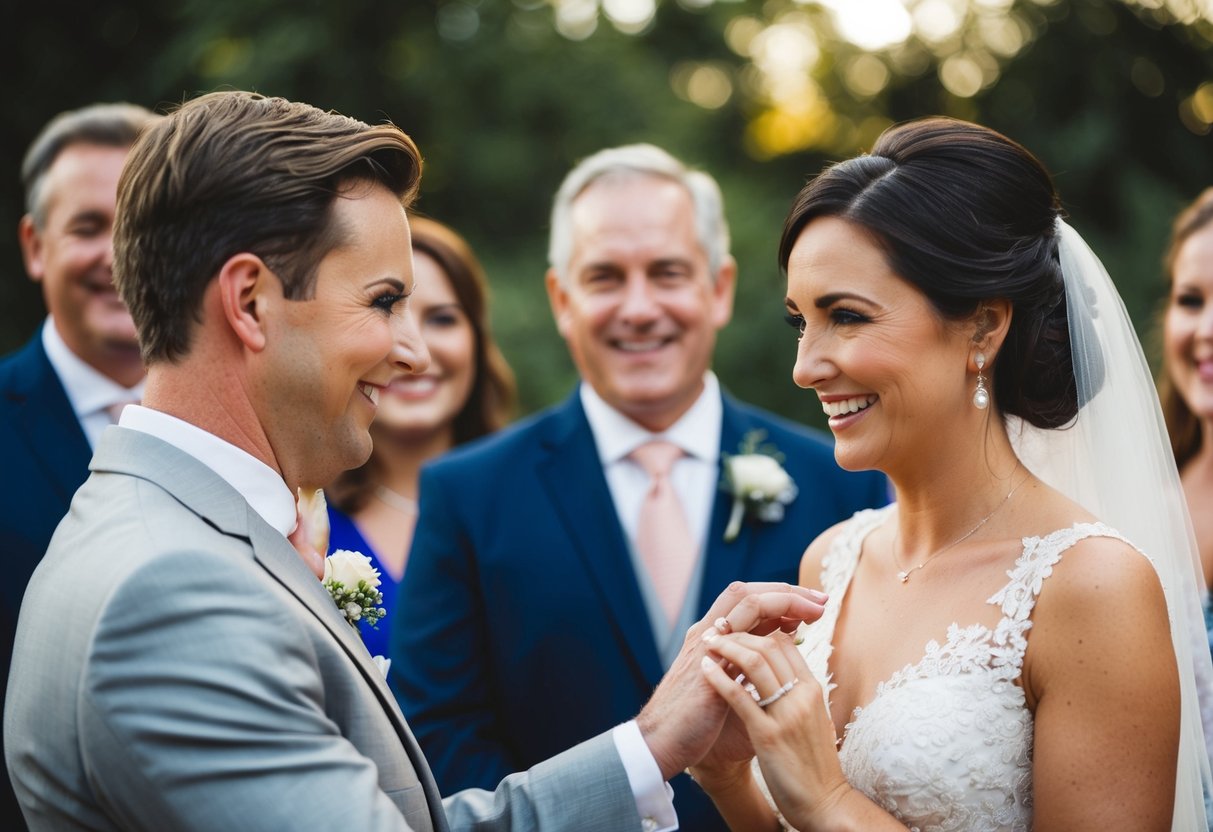
In recent years, many couples are choosing to split the costs or even work together to purchase their rings. With the rise of more modern approaches to wedding planning, it’s common for couples to discuss their finances and preferences openly. This can lead to a decision that best fits your unique relationship.
It’s important to remember that traditions can evolve, and what works for one couple might not fit another. Exploring your options will help you find a solution that feels right for you and your partner.
Understanding Wedding Traditions
When planning a wedding, knowing who traditionally pays for the wedding bands can help clarify expectations. Different cultures and customs shape how couples approach this decision and what etiquette to follow.
Traditional Wedding Ring Etiquette
Traditionally, the groom’s family often covered the cost of the bride’s wedding ring. This reflects a time when the groom was seen as the provider. Meanwhile, the bride’s family might purchase the groom’s band, which balanced the costs between families.
In modern times, many couples choose to split expenses or each buy their own rings. This shift shows how wedding traditions are evolving based on personal preference and financial situations. It’s essential to have open discussions with your partner about financial responsibilities to avoid misunderstandings.
Cultural Customs and Modern Approaches
Cultural customs play a significant role in wedding traditions around the world. For instance, in some Asian cultures, it is customary for the groom’s family to pay for both rings to represent their commitment. In contrast, other cultures may expect couples to buy rings together as a symbol of partnership.
You might also find that modern weddings embrace a more flexible approach. Many couples now choose to go “Dutch,” sharing the cost regardless of gender roles. This change highlights a shift towards equality and individual preference in today’s wedding traditions. Exploring various customs can help you decide what feels right for you.
Who Pays for What?
When planning for wedding bands, it is important to understand the traditional roles as well as modern practices. You will find that many couples approach the costs in different ways, depending on their financial situations and preferences.
Wedding Band Expenses
Traditionally, the groom is responsible for buying the bride’s wedding band, while the bride pays for the groom’s band. This custom reflects the mutual investment in the wedding.
For example, if the bride’s band costs $1,000, the groom may purchase a band within a similar price range. Many couples still follow this custom today, but some prefer a more flexible approach.
The wedding budget can significantly influence these decisions. Discussing your financial situation openly is key. This way, you can both agree on what feels comfortable and fair.
Shared Financial Responsibility
More couples are deciding to share the financial responsibility for wedding bands. This shift often occurs when both partners contribute equally to the wedding budget. You might decide to pool resources and purchase bands together.
Splitting the costs allows for a more balanced financial approach. For instance, if both bands cost $1,500, you can each contribute $750. This method may also encourage discussions about other wedding expenses, leading to a clearer understanding of your overall budget.
Choosing the Right Wedding Bands
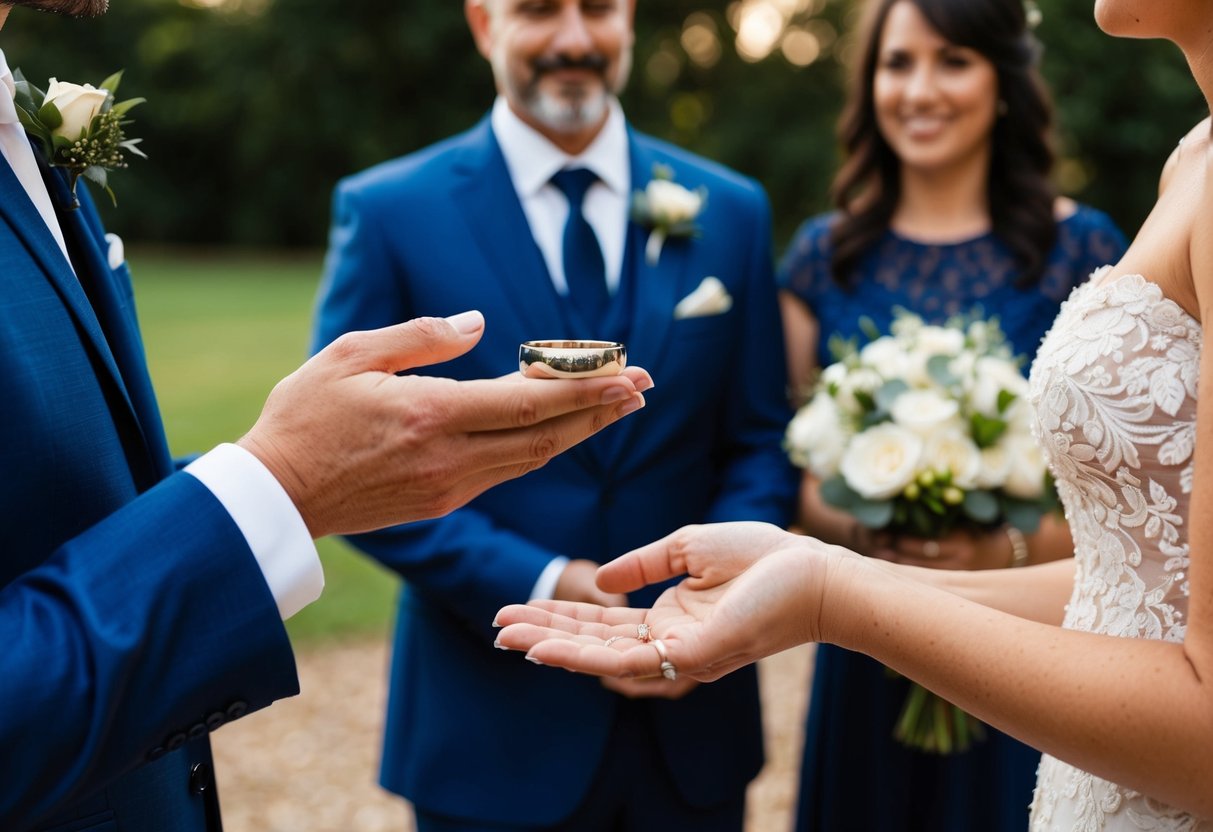
When picking wedding bands, consider the materials and styles that suit your taste. Also, think about your personal preferences in sizing and comfort. These choices help create a meaningful connection to this special piece of jewelry.
Materials and Styles
Choosing the right material for your wedding band is a big decision. Common options include platinum, yellow gold, white gold, and rose gold. Each material has its own look and feel. For example, platinum is very durable and has a sleek appearance. Yellow gold has a classic warm tone, while rose gold offers a romantic touch.
You may also want to consider adding gemstones or diamonds to your band. These can add a personal flair. Matching gemstone accents with your engagement ring creates a cohesive look. Think about how these materials will complement your style and everyday wear.
Personal Preferences and Sizing
Personal preferences play a key role in selecting your wedding band. Consider how often you will wear it and your lifestyle. If you work with your hands, a more durable material might be best.
Finding the right size is crucial for comfort. Make sure to get your finger measured accurately, especially if your ring size changes with the seasons. You can also choose to add special features like engraving for a personal touch. This could include initials, dates, or meaningful words.
The Significance of Wedding Rings
Wedding rings are more than just pieces of jewelry. They represent your commitment and partnership in marriage. Both the groom’s and bride’s wedding bands hold special meaning and serve as symbols of love and devotion.
Symbolic Connections
Wedding rings create a bond between you and your partner. When you wear your band, it’s a daily reminder of the promises made during your ceremony. These rings symbolize the journey you are starting together.
Traditionally, a wedding band is a circle, representing eternity with no beginning or end. This shape reflects the timeless nature of your love. The materials and designs you choose can also showcase your unique styles.
When selecting bands, consider visiting a professional jeweler. They can help you find pieces that fit your personality and budget while ensuring your wedding ring holds its significance.
The Ceremony of Exchanging Rings
The exchange of rings is a pivotal moment in wedding ceremonies. As you and your partner place the bands on each other’s fingers, you’re publicly affirming your commitment. This act symbolizes trust, loyalty, and partnership.
During this ceremony, you might say, “With this ring, I thee wed,” to pledge your love. This further solidifies the meaning behind the ring.
Both the bride’s and groom’s wedding bands play essential roles. The groom’s wedding band might be simpler, while the bride’s band can be more ornate. No matter the differences, each ring represents your shared journey and love.
Make sure the ring exchange reflects your relationship and values. Personalizing this ceremony can deepen its significance.