
Who Traditionally Pays for Wedding Flowers? Understanding Costs and Expectations
When planning your wedding, expenses can add up quickly. Knowing who pays for different elements can help ease the financial burden. Traditionally, the groom’s family is responsible for paying for personal flowers, like the bride’s bouquet and boutonnieres. However, these customs are evolving, and many couples now choose to split costs or handle their own wedding budgets.
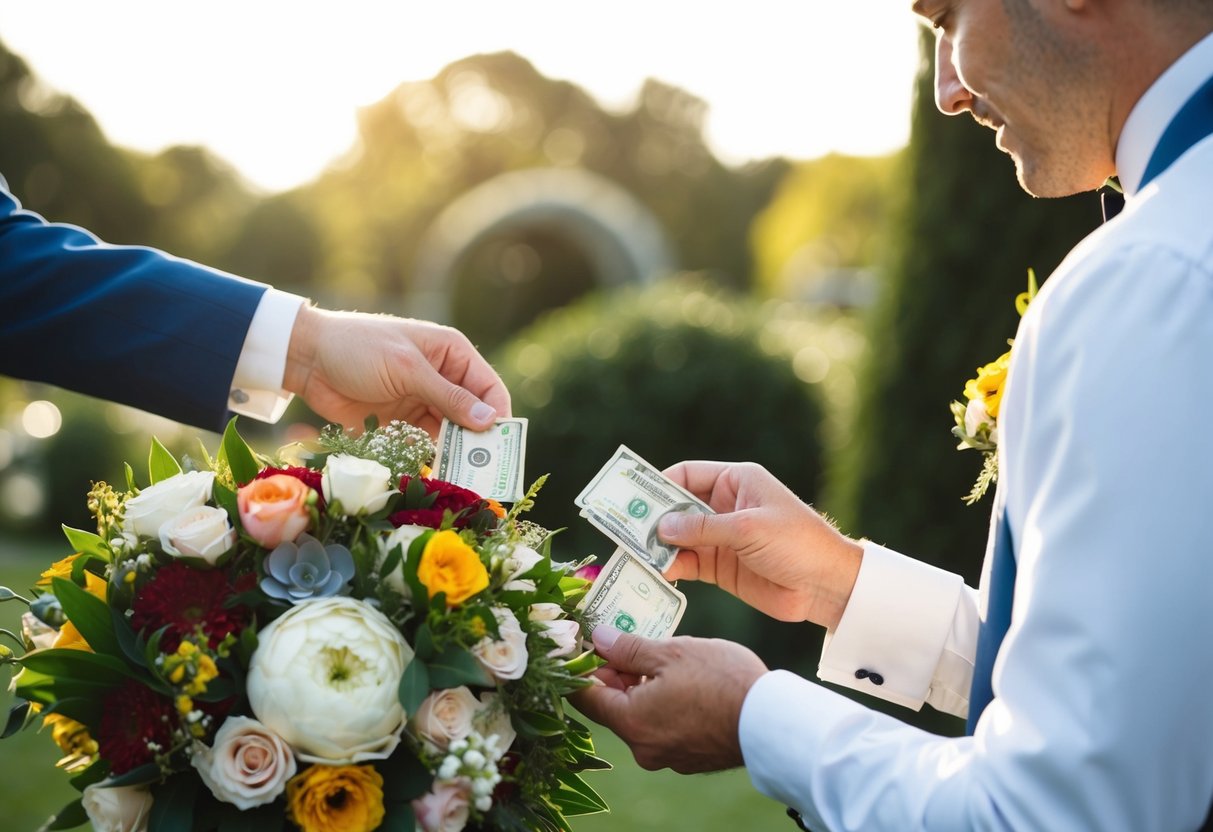
When you dive into the details of your wedding planning, it’s important to discuss and clarify these responsibilities with both families. This not only helps with your wedding budget but also avoids any potential misunderstandings along the way. With varying traditions and modern practices, understanding who pays for wedding flowers can make the planning process smoother and more enjoyable.
Understanding Wedding Expenses
When planning a wedding, it’s important to understand the various expenses involved. The wedding budget typically includes many different aspects, and knowing how to allocate costs can help make the process smoother for everyone involved.
Components of the Wedding Budget
A wedding budget includes numerous components, each contributing to the overall cost. Common categories are venue rental, catering, attire, flowers, photography, and entertainment. Each of these can vary widely in price, so it’s crucial to set a realistic budget.
Personal flowers for the bridal party, like bouquets and boutonnieres, often fall under the floral budget. Decorative arrangements for the venue are another major component. Keeping track of these costs helps in maintaining your budget and avoiding surprises.
Allocating Expenses Between Families
Traditionally, the bride’s family is responsible for many wedding costs, including flowers. However, modern weddings often see couples sharing expenses with both families.
This means discussing who pays for what ahead of time. Clear communication can help prevent misunderstandings. Determine what each family is comfortable contributing to the overall expenses and what roles they prefer.
Customary Financial Responsibilities
The customary financial responsibilities can vary by region and culture. The bride’s family typically covers essential items, while the groom’s family often pays for the rehearsal dinner and honeymoon.
In today’s weddings, couples are more likely to share costs. This flexibility allows you to decide together how to handle expenses. You might choose to pay for flowers yourselves, making them a personal choice without traditional constraints.
Floral Arrangements and Responsibilities
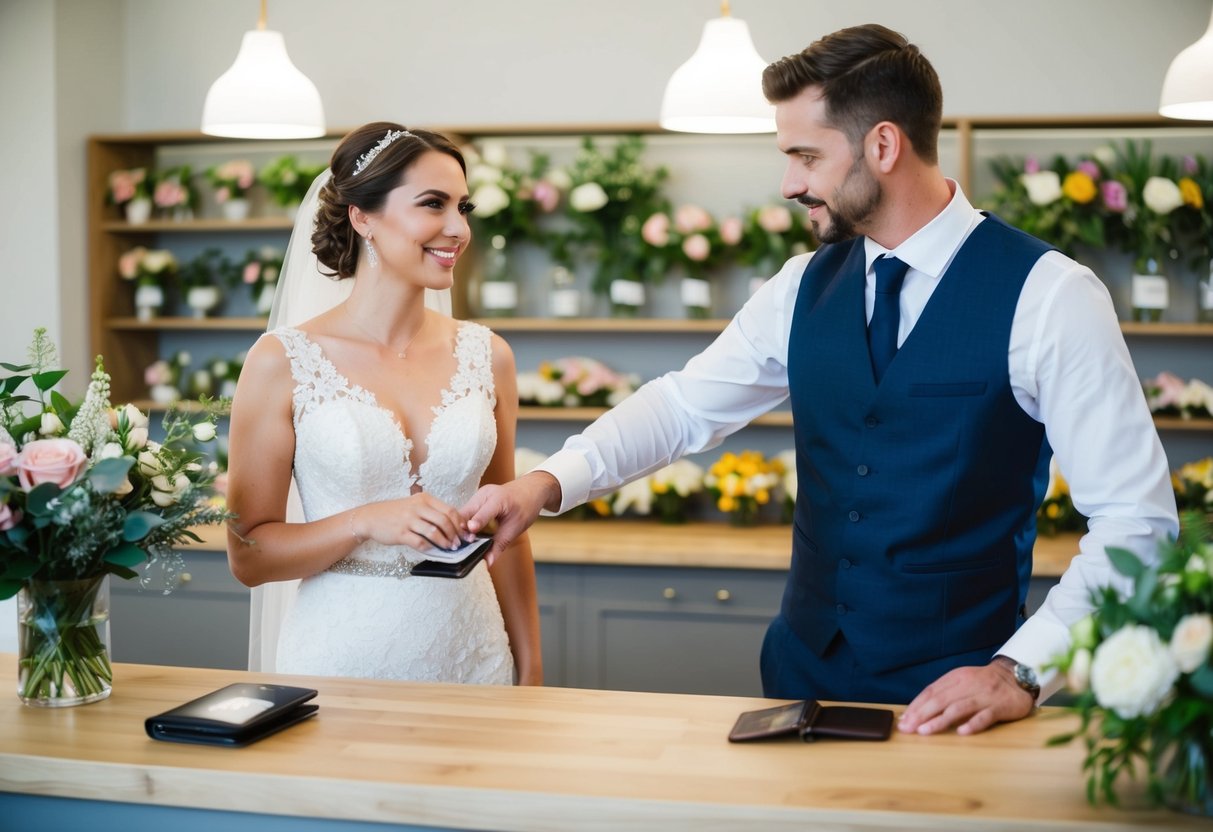
When planning your wedding, understanding who pays for floral arrangements is key. Different families often have specific responsibilities for various floral expenses, which can help with budget planning.
Bride’s Family Contributions
Traditionally, the bride’s family takes on many floral expenses, especially for the ceremony. They usually pay for the bridal bouquet, which is often the centerpiece of the floral arrangements.
Other costs might include corsages for mothers and grandmothers, as well as bouquets for bridesmaids. This financial responsibility extends to flowers used during the ceremony like altar decorations and floral arrangements that create a beautiful backdrop for your big day.
Groom’s Family’s Flower Expenses
The groom’s family typically has their own set of floral responsibilities. They usually cover the costs for the groom’s boutonniere, which adds a nice touch to his outfit.
Additionally, the groom’s family might pay for corsages for the mothers of the groom and other important family members. Sometimes, they also contribute to the flowers at the rehearsal dinner, helping to keep the theme consistent from the ceremony to the celebration.
Sharing Costs with the Wedding Party
Many modern couples choose to share floral costs with their wedding party. This approach can lighten the financial load on both families and provide a sense of unity.
For instance, you might ask bridesmaids and groomsmen to pitch in for some of the floral decorations or centerpieces, reducing the overall expense. This way, you can also ensure that personal preferences are included, making your wedding unique and authentic to you.
Planning the Floral Aspects of the Wedding
Creating the perfect floral arrangements for your wedding involves careful planning and attention to detail. You need to select a reliable florist, set a budget, and choose the right flowers to match your style and theme. Here’s how to go about it.
Selecting a Wedding Florist
Choosing the right florist is crucial. Look for a professional florist with experience in weddings. Check their portfolio to see past work. Ask for recommendations from friends or family, and read reviews online.
When you meet with potential florists, discuss your vision and budget. A good florist will understand your ideas and suggest options that fit. Don’t forget to ask about their availability on your wedding date.
Determining the Wedding Flower Budget
Establishing a budget for your wedding flowers is important. The average cost of wedding flowers can vary widely, often ranging from $1,500 to $10,000, depending on factors like the venue size and flower types.
Make a list of all the floral arrangements you need, such as bridal bouquets, bridesmaid bouquets, reception centerpieces, and aisle flowers. Allocate a portion of your budget to each item. This will help prevent overspending and keep you on track.
Choosing Flowers for Your Wedding
Selecting the right flowers can set the mood for your big day. Consider seasonal flowers, as they are often more affordable and fresher. Discuss your preferences with your florist and ask for suggestions based on color and theme.
Don’t forget about the different types of arrangements. Think about wedding ceremony flowers, reception flowers, and even small accents like table settings. Pay attention to how flowers balance the overall decor. Mixing textures and colors can create stunning visuals for your wedding.
Additional Wedding Arrangements
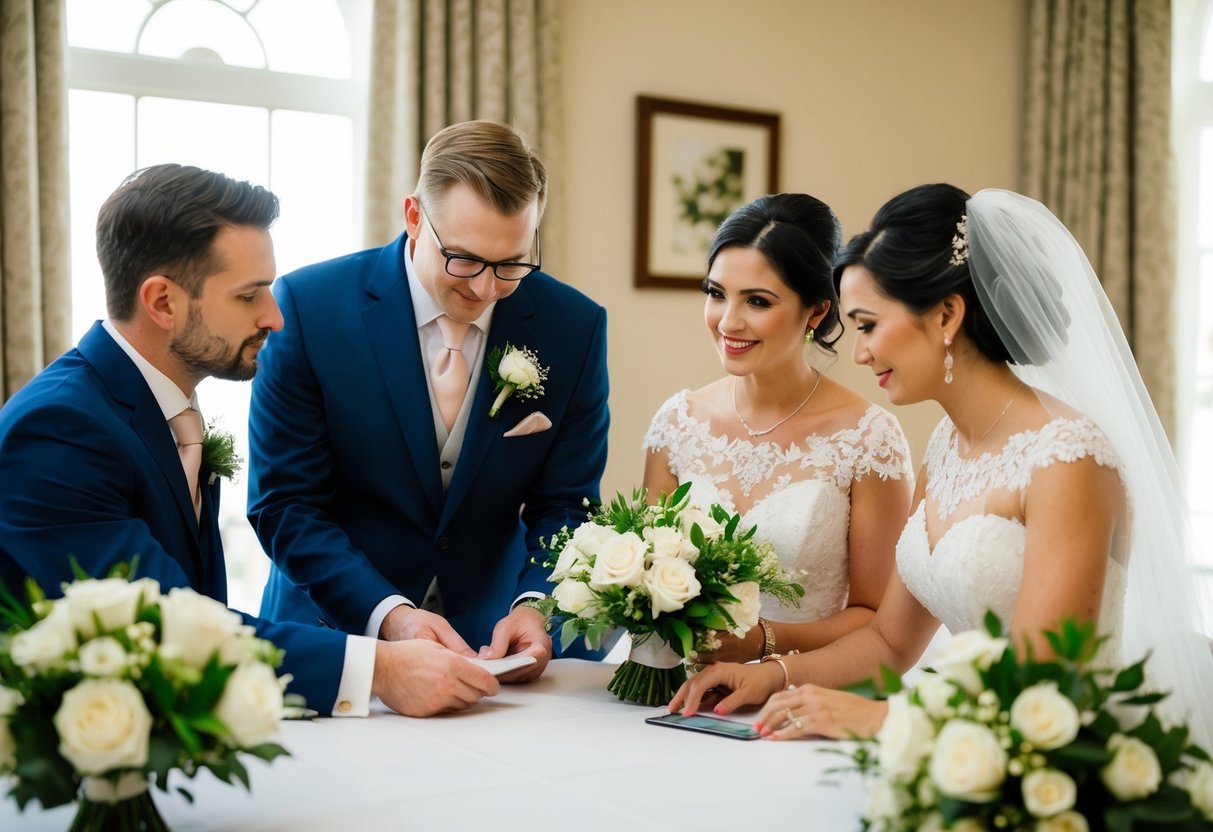
When planning your wedding, several arrangements add to the celebration. These include pre-wedding events and details for the wedding day itself. Each plays a significant role in making your special day memorable.
Pre-wedding Celebrations
Your wedding journey often starts with pre-wedding events. The engagement party is a joyful chance to celebrate your new chapter. It sets a positive tone for the upcoming events. Consider inviting family and close friends to share this moment.
The rehearsal dinner is another key prelude. This gathering usually takes place the night before the wedding. It’s an opportunity for you and your loved ones to relax and bond before the big day. You might want to decorate this event with special flowers, complementing your wedding theme.
Don’t forget about the marriage license! Secure this important document ahead of time. You may feel overwhelmed, but taking care of these details early ensures a smoother experience later.
On the Day of the Wedding
On your wedding day, every detail matters. The wedding decor should match your vision, setting the perfect ambiance.
Choose flowers that reflect your style, whether for the ceremony or the reception.
A stunning wedding cake is central to the celebration. Discuss flavors and designs that fit your theme. Make sure it looks as good as it tastes.
Hiring a professional wedding photographer is a must. They capture your special moments beautifully, allowing you to cherish those memories forever.
Consider entertainment for your reception as well. Whether it’s a DJ or a live band, music keeps the energy high.
Don’t forget about reception alcohol; offering a variety ensures your guests have a great time.
Lastly, a welcome party can add an extra touch, making everyone feel appreciated. This is a chance for you to connect with guests in a more intimate setting before the celebrations begin.