
Who Traditionally Sits at the Bridal Table? A Guide to Wedding Seating Etiquette
When planning your wedding reception, one important detail is figuring out who sits at the bridal table.
Typically, the bride and groom sit at the center of the table, surrounded by their wedding party. The wedding party may include the maid of honor, best man, and close friends. This special seating arrangement highlights the couple as the stars of the celebration while creating a warm atmosphere for you and your loved ones.
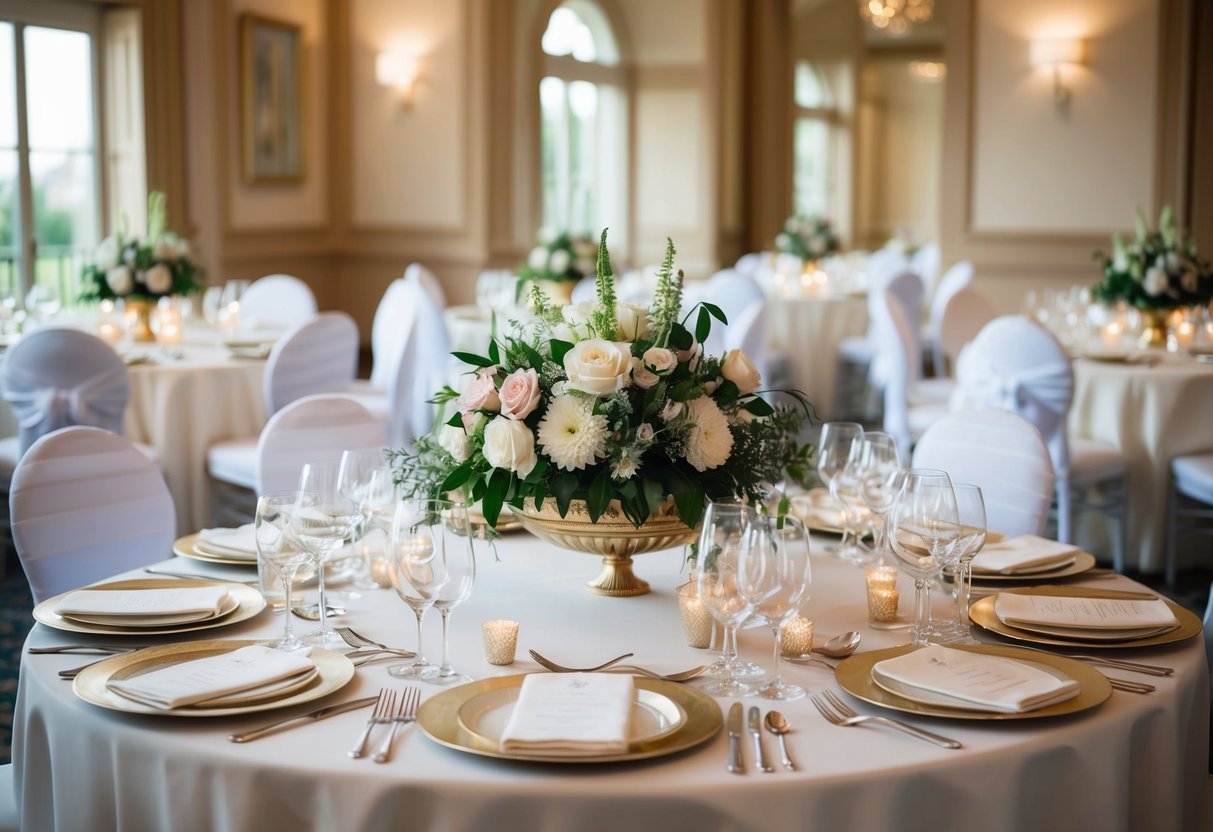
Understanding the seating structure can help make your reception smoother and more enjoyable for everyone. You can also choose to include family members, like parents and siblings, which adds a personal touch to your special day. By carefully planning the bridal table, you ensure that the focus remains on the couple while fostering connection and celebration among all guests.
The Bridal Table Explained
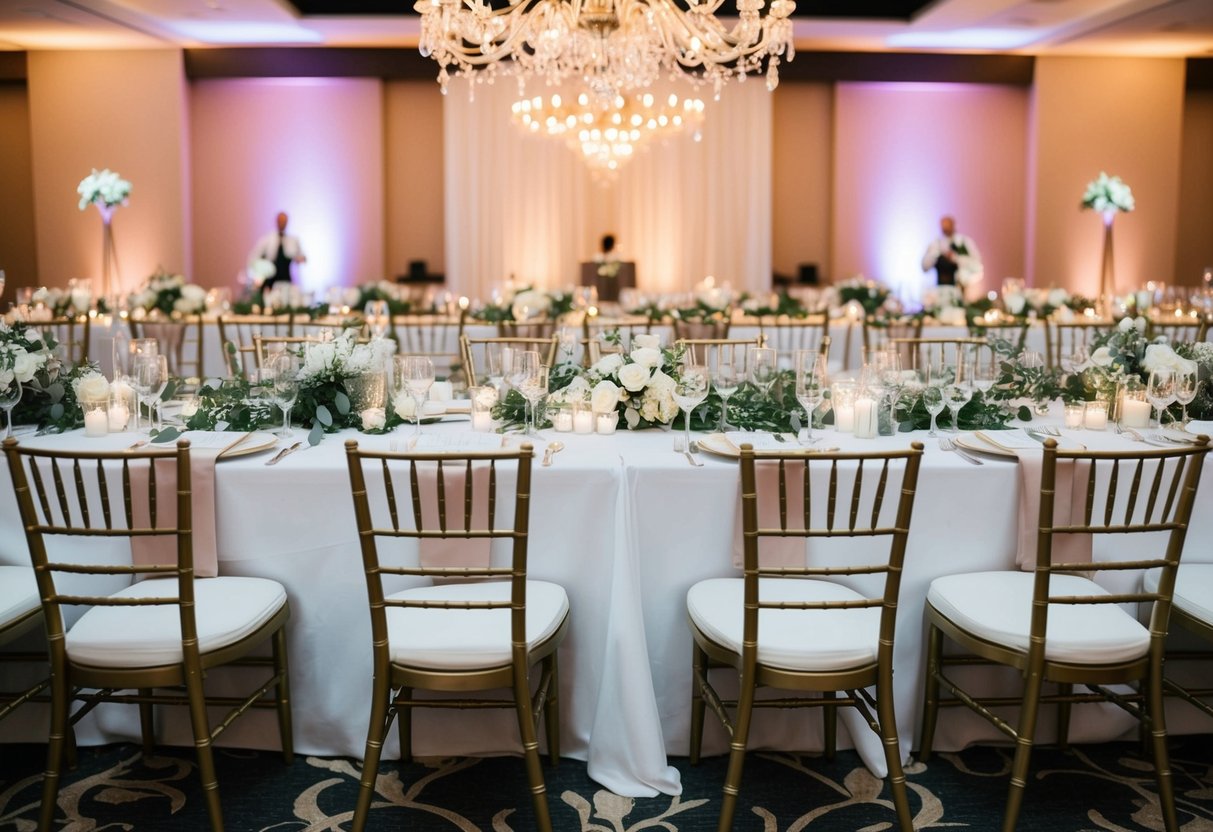
When planning your wedding, understanding the bridal table is important. This table not only hosts the newlyweds but also reflects a special tradition that holds meaning for everyone involved.
Purpose and Significance
The bridal table, also known as the head table or top table, is a key feature at your reception. It serves as the focal point where you and your partner will sit during the meal.
This table symbolizes the start of your new journey together. It allows family and close friends to share in an intimate setting, highlighting their importance in your lives. Guests seated here often include parents, the wedding party, and other significant supporters.
By placing the newlyweds at the center, you emphasize the love and commitment that brought everyone together. This setting also encourages joyful conversations and shared memories throughout the event.
Traditional Setup
Traditionally, the bridal table follows specific guidelines. You will usually find the bride seated to the left and the groom on the right. This arrangement reflects various customs from different cultures.
The rest of the table typically includes the best man, maid of honor, and bridesmaids, arranged in alternating male-female seating. The goal is to create a balanced setup that involves everyone.
If parents are present, they often sit nearby in positions that foster connection among family members. For instance, you might place your parents across from the groom’s parents. It’s crucial to accommodate your unique family situations, like if parents are divorced. Making thoughtful seating arrangements helps everyone feel comfortable and included in the celebration.
Who Sits at the Bridal Table?
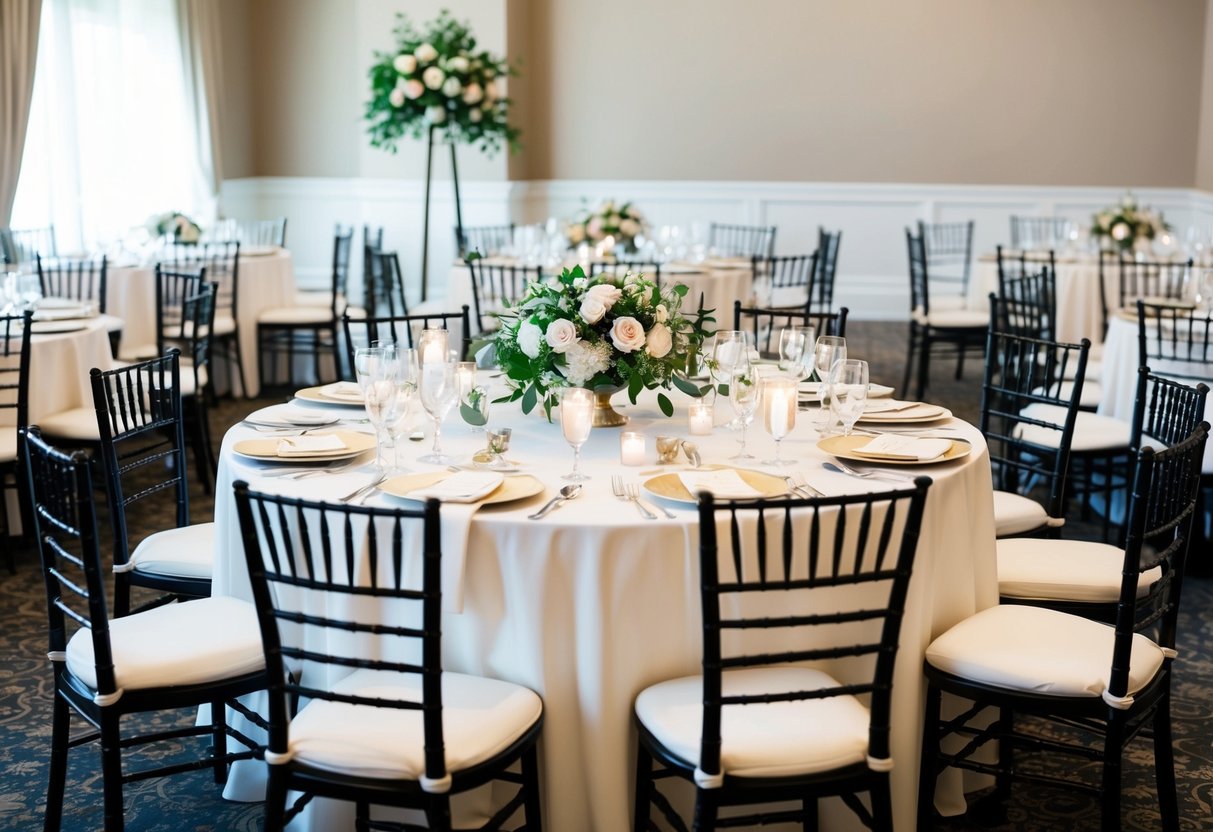
The bridal table is an important area at the wedding reception where special guests are seated. It traditionally includes immediate family members as well as members of the bridal party, ensuring that those closest to you are part of the celebration.
Immediate Family Members
At the bridal table, the immediate family members have significant seating roles. Typically, this includes your parents and siblings.
- Parents of the Bride: They often sit prominently, representing their support and love.
- Parents of the Groom: The groom’s parents usually sit close to the bride’s parents, symbolizing joining of two families.
- Siblings: You might also include your brothers and sisters, keeping the family connections strong during this special moment.
This setup emphasizes the unity of both families and sets a heartfelt tone for the evening.
Bridal Party Inclusion
The bridal party is another key part of the bridal table. Their presence is a sign of friendship and support as you celebrate your big day.
- Maid of Honor: She typically sits near you on one side, offering emotional support throughout the day.
- Best Man: Positioned next to the groom, he plays a vital role in the ceremony and reception.
- Bridesmaids and Groomsmen: They may sit together at the bridal table or nearby, creating a lively atmosphere filled with joy and laughter.
Including your bridal party helps acknowledge their contributions and shared experiences leading up to your wedding.
Roles and Responsibilities
Each person at the bridal table has important roles and responsibilities.
- Parents: They help greet guests and play host throughout the reception.
- Maid of Honor: As your right-hand person, she might assist with logistics and ensure everything goes smoothly.
- Best Man: He is often tasked with giving a speech and looking after the groom during the festivities.
Having your closest supporters at the bridal table allows for a shared experience, making it easier to enjoy the occasion.
Considerations for Seating Arrangements
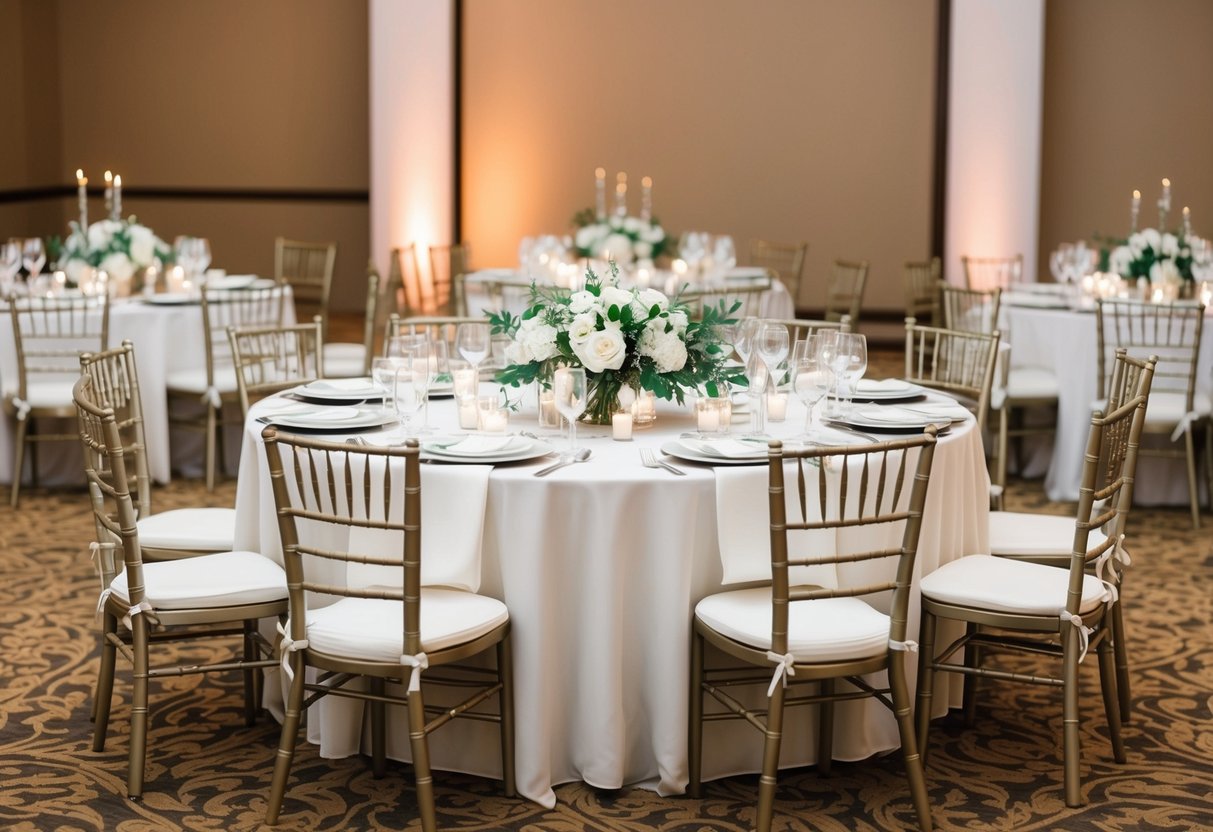
Creating a thoughtful seating arrangement helps you ensure that everyone feels comfortable and included. From understanding seating etiquette to customizing according to your venue, consider all aspects to create a memorable experience for your guests.
Understanding Seating Etiquette
Seating etiquette is essential for a smooth wedding day. Start by organizing your guests into groups. VIP guests, such as immediate family and close friends, should be closest to the bride and groom. Reserved seats for parents, grandparents, and any officiants are also important.
When planning your seating chart, think about any plus-ones for your single guests. Placing singles together can encourage mingling and create a joyful atmosphere. Keep in mind that same-sex couples should be seated together and treated with the same respect as heterosexual couples. Following these basic guidelines helps prevent awkward situations.
Customizing to Fit the Venue
Every venue has its unique layout, so adapt your seating chart accordingly. If you have a smaller space, consider a sweetheart table for just the couple, allowing for more room at guest tables. Alternatively, a family table can create a warm atmosphere, bringing relatives together.
Be mindful of the flow of the space. Leave room for servers to move easily between tables. A mix of round and rectangular tables can create intimacy and encourage conversation. Think about providing a seating plan at the entrance to guide guests to their tables easily.
Special Circumstances
When planning your seating chart, some special circumstances may arise. If you have divorced parents, it’s crucial to keep them at a comfortable distance while still ensuring they participate in the celebration. You could place them at separate tables if needed, but be cautious in mixing them together with other family members.
Take into account guests with special needs or preferences as well. If someone requires special seating, like near exits or the food, be sure to consider that in your arrangements.
Creating Your Seating Chart
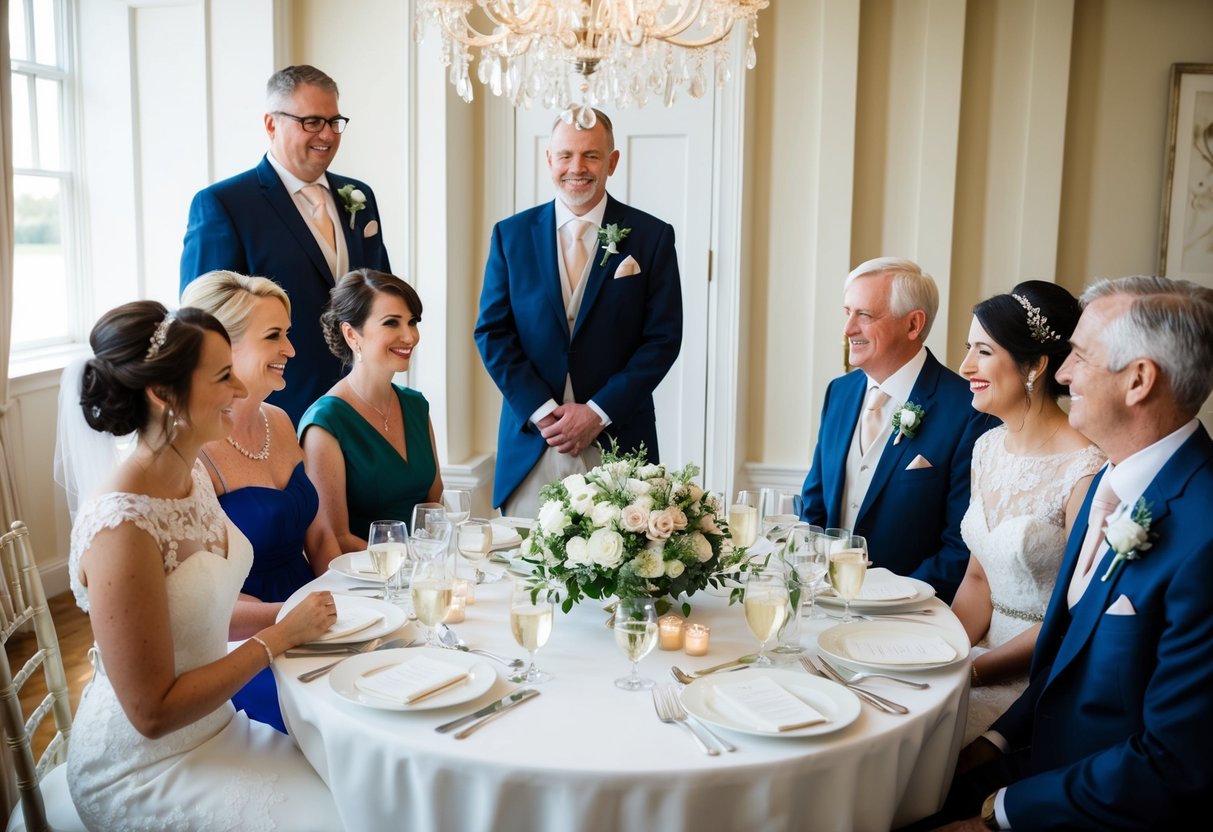
When planning your wedding reception, organizing your seating chart is key. A well-planned seating chart helps ensure that your guests are comfortable and enjoy the event. You’ll want to consider the layout of your venue and the dietary needs of your guests.
Charting the Layout
Start by outlining your table layout. Determine how many tables you will need based on your guest list. A typical setup for a sit-down dinner includes round tables, which encourage conversation.
Next, create a visual representation of the layout. You can use simple software or even paper to design your seating chart. Mark where each table will be located.
When deciding who sits where, consider dynamics among friends and family. Place those who know each other together. This creates a more enjoyable atmosphere. Also, remember to leave space for the bridal table, which should be centrally located.
Accommodating Dietary Needs and Preferences
Make a list of your guests’ dietary restrictions and preferences. If you collected this information during the RSVP process, it will greatly help your seating arrangement.
Ensure that guests with dietary needs are seated near the kitchen or the serving area. This way, they can be served first or have easy access to special meals. Communicate with your caterer about these needs to avoid any confusion.
You can also note guests’ preferences on the seating chart. Use symbols or colors to indicate dietary requirements, making it clear for servers. This attention to detail will make your wedding dinner more enjoyable for everyone.