
Who Traditionally Sits Next to the Groom? Exploring Wedding Seating Arrangements
When planning your wedding ceremony, one important aspect to consider is the seating arrangements. Traditionally, the groom’s family sits on his side. The groom’s father has a place next to the groom, followed by groomsmen and other family members. This arrangement not only shows family connections but also respects wedding etiquette, helping everyone feel included in your special day.
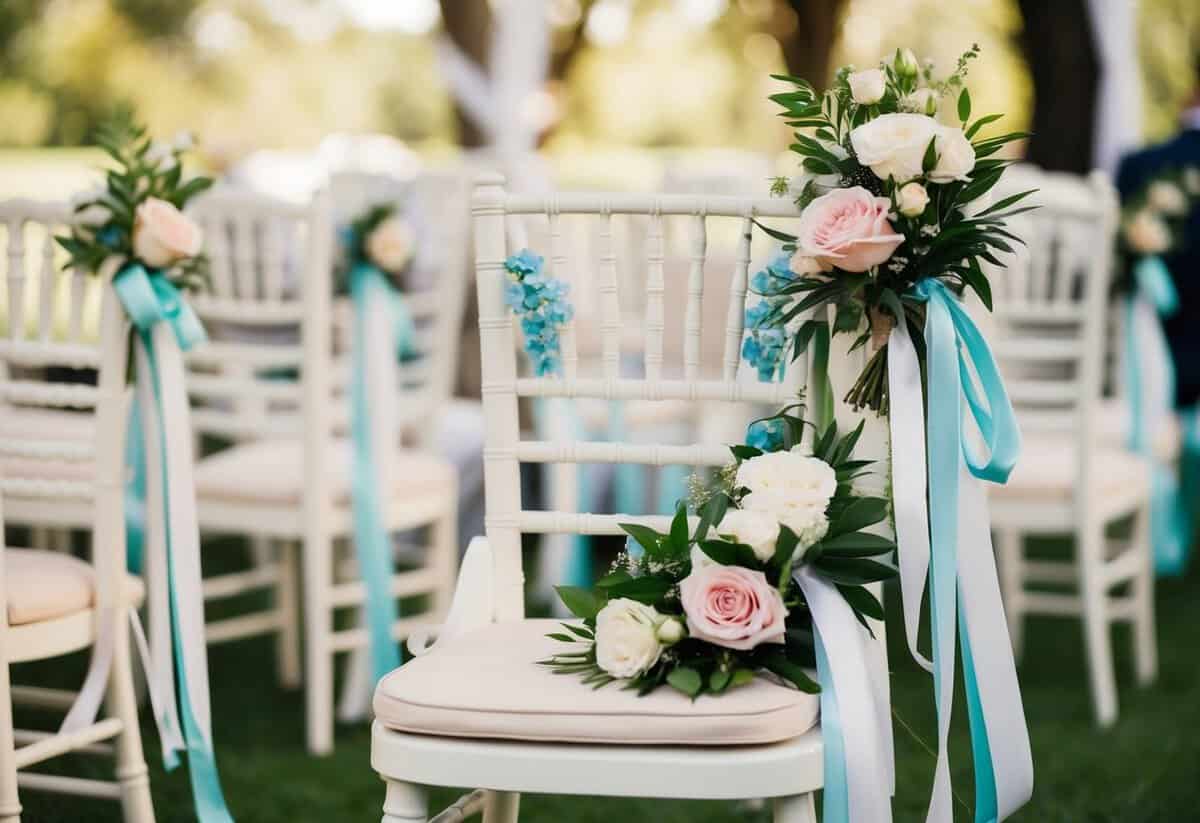
You might wonder about the roles of the best man and maid of honor. They typically sit near the couple, with the best man often positioned next to the bride. This creates a balance during the ceremony and emphasizes the bond between the bride and groom. Understanding these seating traditions can help you make informed choices as you plan your wedding.
As you think about your wedding party and family dynamics, remember that you can always adapt traditions to fit your unique style. Whether you choose a classic arrangement or something more modern, ensuring the right people sit next to the groom will make your ceremony feel more personal and meaningful.
Traditional Seating Roles
When organizing your wedding, understanding traditional seating roles can help create a smooth and memorable event. Each person’s place at the ceremony plays a significant role in supporting the couple on their special day.
Roles and Responsibilities
As the groom, you’ll have key people sitting next to you to provide support. Your best man, groomsmen, and ushers all have specific roles. The best man typically stands right next to you, ready to assist with tasks like holding the rings or delivering a speech. Groomsmen, often friends or brothers, sit beside the best man and help with various duties throughout the wedding.
Ushers have the important job of guiding guests to their seats. They ensure everyone is where they need to be, helping to create a well-organized flow during the ceremony. Understanding these roles helps everyone know what to do and where to be.
The Best Man’s Place
Your best man holds a special position at the wedding. He usually sits directly beside you and is often your closest friend or a family member. This role includes not just standing with you during the ceremony but also ensuring everything runs smoothly.
During the reception, the best man may give a toast. His speech is a chance to share memories and celebrate your relationship with the bride. You can count on him for advice, laughter, and support on your big day.
Groomsmen and Ushers
Groomsmen play a supportive role, sitting close to you during the ceremony. They are often tasked with various responsibilities, such as helping with planning or assisting guests. This team helps keep the day lighthearted and enjoyable.
Ushers help with guest seating and direct them to their places according to the seating plan. Creating a well-thought-out seating arrangement can enhance the experience for everyone attending. This organized approach ensures all guests enjoy the ceremony without confusion.
Ceremony Seating Arrangements
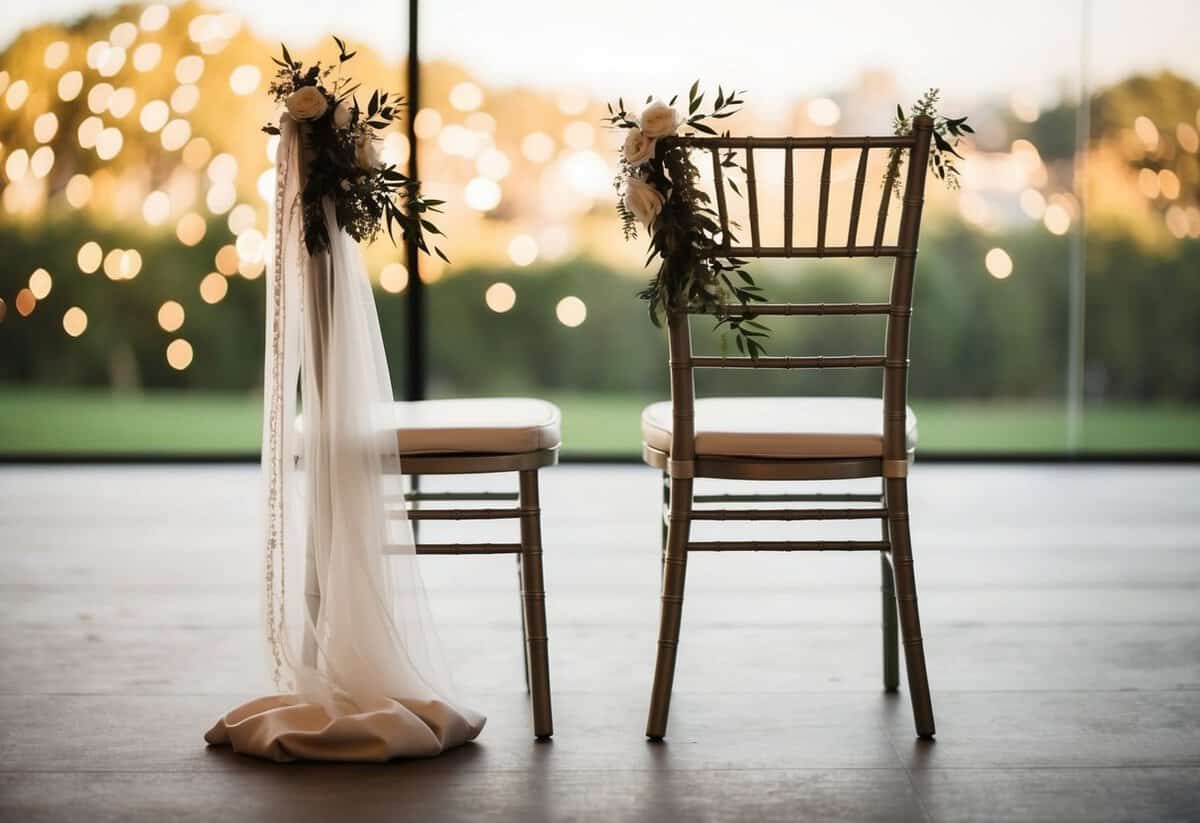
Ceremony seating arrangements are important for creating the right atmosphere and honoring family roles. Knowing who sits where can help avoid confusion and ensure everyone feels included.
Protocol for Family Members
In traditional ceremonies, the seating of family members follows specific customs. The parents of the bride usually sit on the left side of the aisle, while the parents of the groom sit on the right.
If there are stepparents, they may occupy prominent seats near their partner. When it comes to divorced parents, discussions before the wedding can help decide seating arrangements that keep peace. Often, they may sit in separate rows or use designated spots to avoid tension.
For same-sex marriage ceremonies, seating can be more flexible. You can choose to arrange your families in a way that represents your combined unity, further personalized for your special day.
Order of Entrance
The order of entrance sets the tone for the ceremony. Ideally, close family members, like parents and grandparents, should enter first. The groom’s mother is typically escorted to her seat first, followed by his father.
Next, the bride’s mother, often escorted by a significant family member, takes her place. This order signifies respect for both families and emphasizes their roles.
If you have special family dynamics, like divorced parents or stepparents, consider planning ahead. You may want to outline an entrance that reflects your family’s unique relationships while keeping things comfortable.
Considerations for Non-Traditional Ceremonies
Non-traditional ceremonies allow for creative seating arrangements. You might choose to blend families or even sit friends and family together in a more relaxed style.
For same-sex marriages, consider seating that reflects both partners’ families equally. Think about using a circular arrangement if you want a more inclusive setup. This lets everyone feel part of the event.
Make sure everyone understands the seating plan, especially if dynamics are complex. Inclusivity is key, so planning ahead ensures comfort for everyone involved.
Reception Seating Considerations
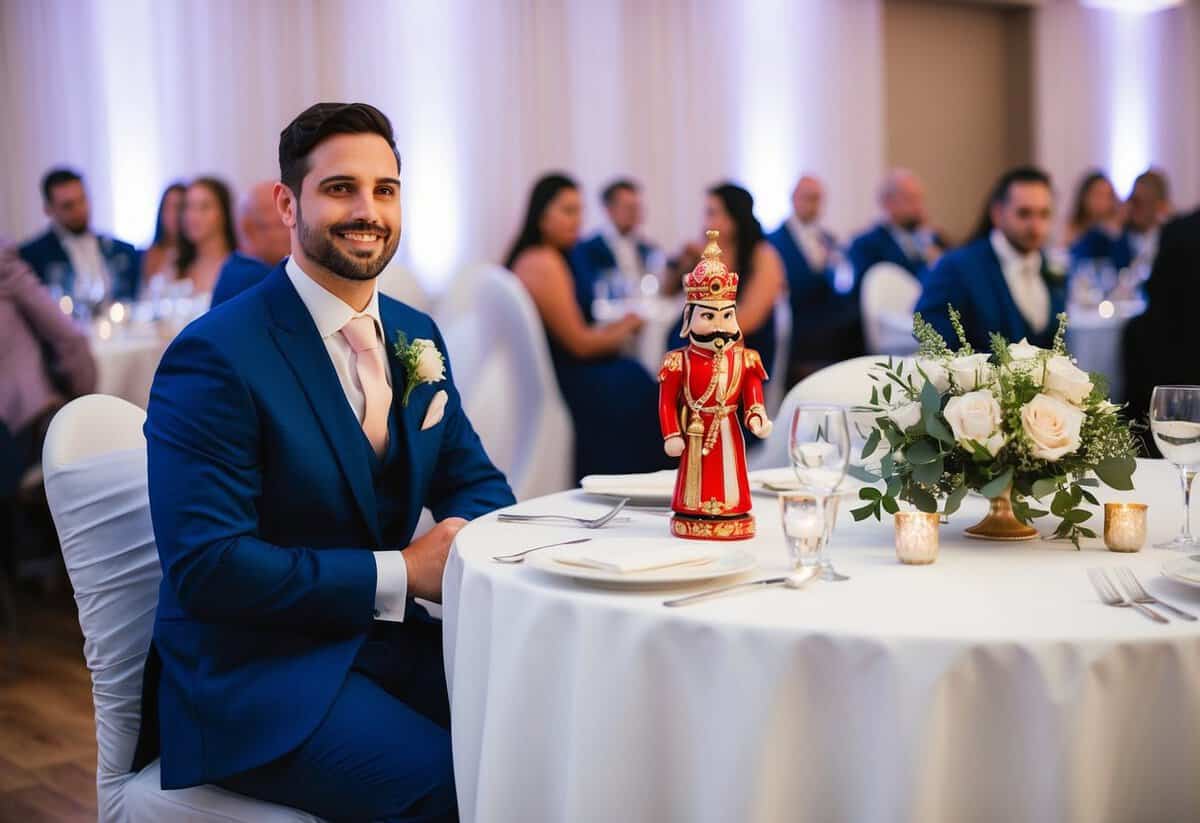
Creating the seating arrangement is a key part of planning your wedding reception. You want to ensure that everyone feels comfortable and enjoys themselves. Here are some important aspects to think about.
Designing the Seating Chart
Start by listing all your guests. Group them by family, friends, and business connections. This helps you see who should sit together. Use place cards to mark each seat, making it easy for guests to find where they belong.
Consider the dynamics of family groups. You might want to separate relatives who don’t get along or keep friends together. Remember to leave room for the bridal party, which includes the maid of honor and best man. This keeps things organized and pleasant for everyone involved.
Head Table Arrangements
The head table is typically where you and your bridal party will sit. Traditionally, you are seated at the center with your spouse beside you. The best man and maid of honor usually sit close by, creating a family-like atmosphere.
In addition to the bridal party, you can invite close family members or special friends to join this table. Think about the view; ensure that the head table has a clear look at the rest of the reception so you can enjoy your special moments together.
Tables for Family and Other Guests
Family tables are important for feeling connected during the reception. The groom’s and bride’s parents often sit at separate tables, but you can arrange them next to each other for better interaction. A good option is to place siblings and their families together for a warm environment.
Also, be mindful of guests who may feel left out. Mix seating so that friends meet new people. Sit single guests with couples or other singles. This can create new friendships and make everyone feel included at your celebration.
Planning and Execution
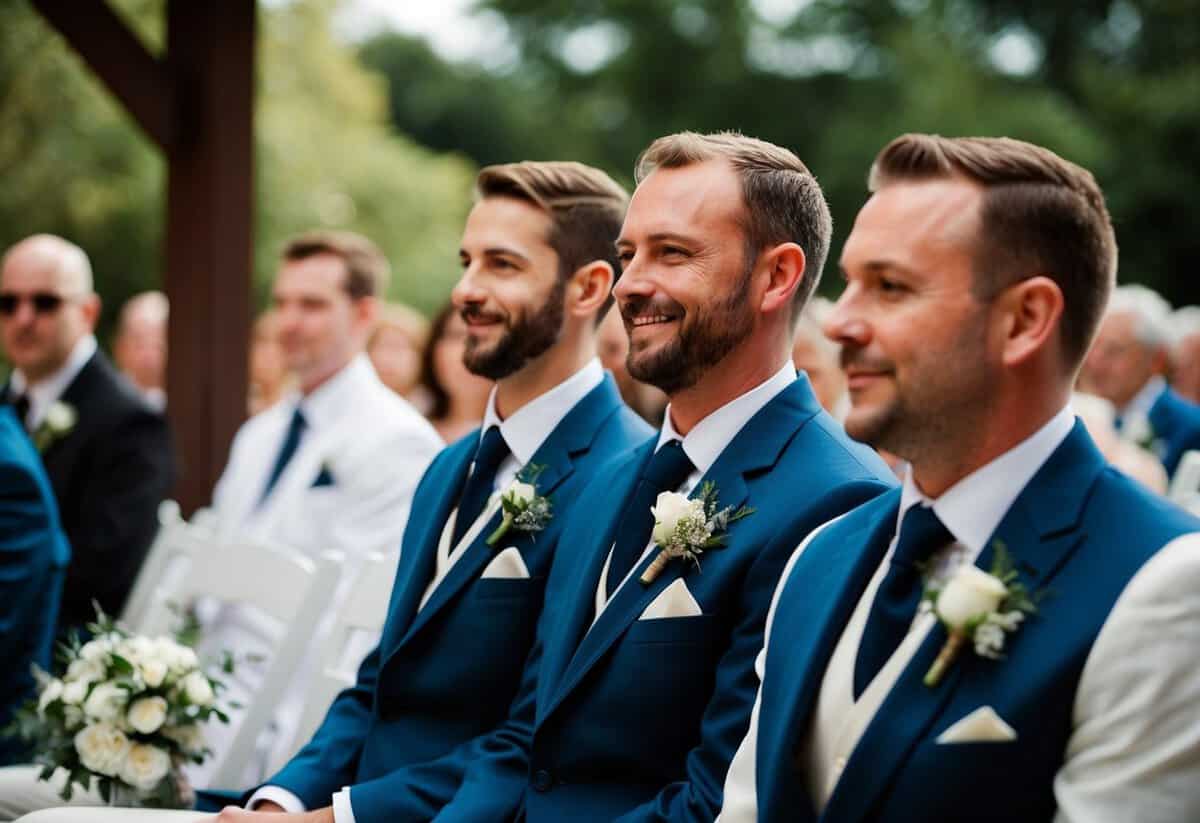
Planning the seating arrangement for a wedding is a key part of making the day special. It involves thoughtful consideration to ensure that guests enjoy the event and feel comfortable. Here are some important aspects to consider.
The Role of the Wedding Planner
Your wedding planner plays a vital role in organizing seating arrangements. They can help create a seating chart that reflects your preferences and the dynamics of your guest list.
They’ll consider relationships between guests, making sure friends and family sit together. This can enhance conversation and enjoyment.
Additionally, planners have experience with layout and flow, which is essential for your bridal table and other seating. If you have a large crowd, they can also recommend the best seating assignments to maximize space.
Seating Chart and Floor Plan
Creating a seating chart is your foundation for organized and assigned seating. Start by drafting a list of your guests and grouping them by relationships.
Next, think about the floor plan of your venue. Decide where the bridal table will be placed, usually at the center of the reception area.
Think about including options like a singles table for guests who do not attend with a plus one. Make sure to communicate any special requests to your wedding planner so they can incorporate them into the layout.
Finalizing Seating Assignments
Once you have your seating chart and floor plan, finalize seating assignments. Review your guest list again, ensuring everyone has a seat.
Make sure to keep in mind dynamics between guests. You want to minimize tension by separating any guests who may not get along.
Creating a final seating assignment list helps avoid confusion on the day of the wedding. Consider providing name cards at each table to help guests find their assigned seats easily. This thoughtful touch helps your wedding day run smoothly and allows guests to enjoy themselves fully.