
Who Usually Signs the Register at a Wedding? Understanding the Key Players
When planning your wedding, you may wonder about the important details surrounding the signing of the register. At a wedding, the couple, their witnesses, and the officiant usually sign the register. This part of the ceremony may seem straightforward, but it holds significant meaning as it officially records your union.
Understanding who signs the register can help you prepare for that momentous occasion. It’s a chance to gather your closest friends or family as witnesses, creating a memorable experience as you take this important step together.
As you dive into the details, you’ll find that the signing process varies slightly depending on local laws and customs. Knowing what to expect can ease any concerns and ensure everything goes smoothly on your big day.
The Role of the Marriage Register
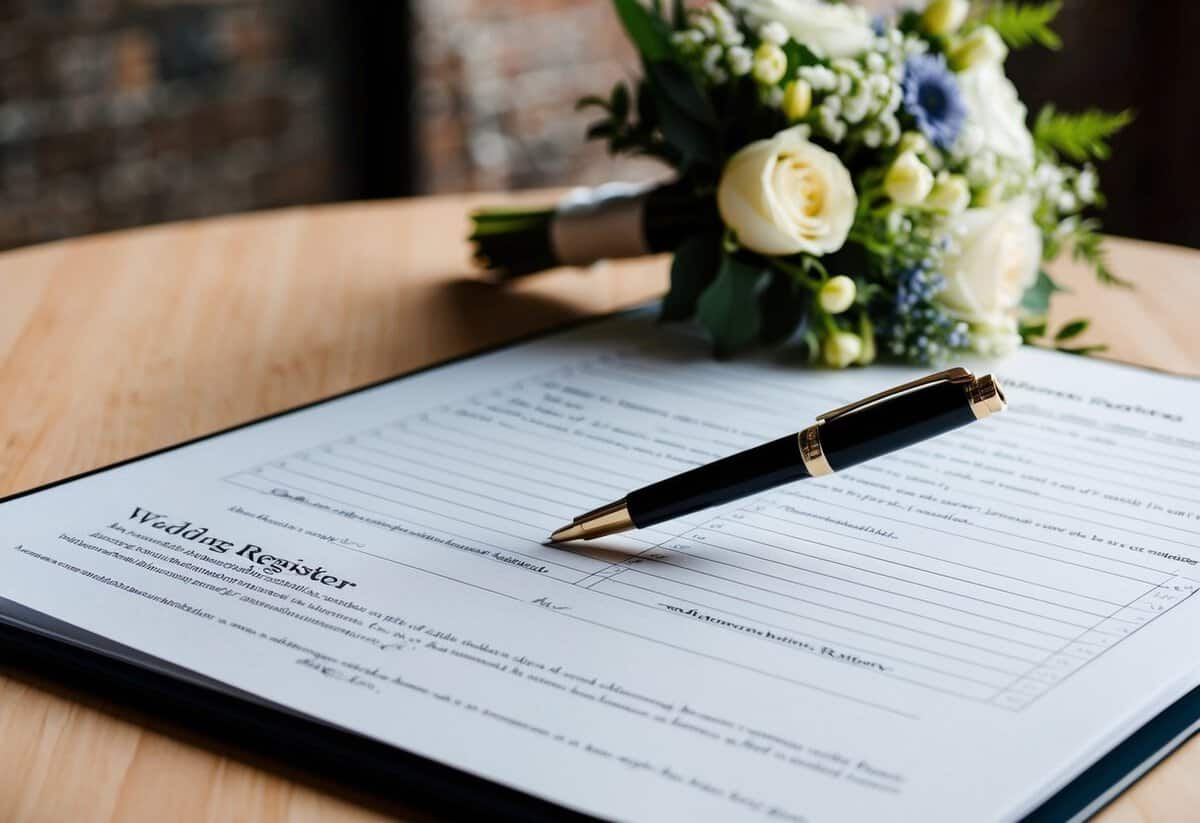
The marriage register is an essential part of your wedding. It serves as a legal document that proves your marriage took place. Signing the register is a significant step in any wedding ceremony.
When you get married, you typically sign the register after the ceremony. This act finalizes your legal marriage and ensures that your union is recognized by law.
You and your partner will usually sign your names along with your witnesses. This means that these individuals play an important role in the process, affirming the truth of your marriage.
After the ceremony, the officiant often submits the signed register to your local register office. This office keeps the document on record, which you may need for future legal matters, such as applying for a marriage license or changing your name.
It’s important for you to understand that the marriage register is not just a ceremonial formality. It is a crucial step that holds legal weight, ensuring your marriage is valid in the eyes of the law.
By signing the register, you are officially starting your life together! Make sure to celebrate this important moment on your special day.
Key Participants in the Signing Process
The signing of the register at a wedding is an important legal step. Key participants in this process include the bride and groom, witnesses, and the officiant. Each plays a specific role in making the marriage official.
Bride and Groom
You and your partner are the main signers of the register. This occurs right after the wedding ceremony. By signing, you confirm that you are married.
It is essential for both of you to be present to give your consent. You will typically sign a marriage license and possibly a register issued by the officiant. This document will list your names, the date, and location of the wedding.
You may also need to provide identification, so be prepared. Ensuring the forms are signed correctly is vital for your marriage to be legally recognized.
Witnesses
Witnesses are another important part of the signing process. You usually need at least two witnesses present when you sign the register. They must be over the age of 18.
Your witnesses could be friends or family members. Their role is to observe the signing and then add their signatures to the documents. This confirms that they saw you marry and agreed to the terms of the marriage.
Make sure your witnesses understand their duties ahead of time. It can help to discuss why their presence is significant, making them feel special on your big day.
Officiant
The officiant plays a key role in overseeing the ceremony and managing the signing process. They are responsible for ensuring all legal documents are correctly filled out and signed.
After you and your witnesses sign, the officiant will also sign the register. This action affirms that they performed the marriage ceremony.
Keep in mind that the officiant usually submits the signed paperwork to the appropriate authorities. This step is crucial for the legal recognition of your marriage. So, choose an officiant who understands these responsibilities well.
Ceremonial Elements of Signing
The signing of the register is a key part of your wedding ceremony. This moment includes various elements like the order in which things happen, the vows exchanged, and the actual signing process itself.
Ceremony Order
The order of service is carefully planned to guide the ceremony smoothly. Generally, the officiant starts the ceremony, leading you and your partner through the exchange of vows.
After the vows, the signing of the registry takes place. This often occurs at a designated signing table, where both of you, along with your witnesses, will sign the necessary documents.
Following the signing, there is usually a recessional as you walk back down the aisle together, marking the end of the formal ceremony. Each step helps to create a memorable experience.
Vows and Readings
During the ceremony, vows are a special time for you and your partner. These words, whether traditional or personalized, symbolize your commitment and love.
Many couples also include readings between the vows. These can be poems, excerpts from literature, or even personal messages. Each reading adds another layer of meaning and connection for both of you and your guests.
Choosing the right vows and readings will reflect your unique relationship and set the tone for the whole ceremony. It’s a thoughtful moment that will resonate in your hearts and those of your loved ones.
Signing of the Registry
The signing of the registry is a significant act that legally binds your union. After exchanging vows, you’ll move to the signing table to complete this formal process.
Your officiant will guide you through the steps. You and your partner will sign the marriage certificate, along with your two witnesses. It usually doesn’t take long, often under ten minutes, but it is a crucial step in the ceremony.
This moment marks the transition from engaged to married, and it is both a legal formality and a celebration of your love. Your chosen witnesses will also add their signatures, adding to the celebratory atmosphere.
Legal Considerations and Documentation
When planning your wedding, don’t forget to consider the necessary legal documents. You will need a marriage license to get married legally.
First, you need to give notice at your local register office. This is usually a simple process where you’ll fill out a form and possibly pay a fee.
Your marriage license is valid for a limited time, often around 30 to 90 days, depending on local laws. Make sure to check the specific requirements in your area.
During the ceremony, whether it’s a civil ceremony or a religious ceremony, your officiant will help guide you through the signing process. This usually takes place right after you exchange vows.
After your wedding, the officiant will file the signed marriage license with the local government. This action is crucial because it leads to the creation of your official marriage certificate.
Remember, the marriage certificate is the legal document that proves you are married. It’s important to keep this safe, as you may need it for various reasons later on, such as applying for joint accounts or benefits.
By understanding these legal considerations, you can enjoy your special day without worries. Always consult with local authorities to ensure you have the correct documentation and requirements for your wedding.