
Who Walks Back Down the Aisle First? Exploring Wedding Traditions
The order of who walks back down the aisle can be just as important as the processional. Typically, the newly married couple walks down the aisle together first, representing their new journey as partners. This moment often symbolizes the joy and unity of the occasion, leaving guests with a lasting image of your celebration.
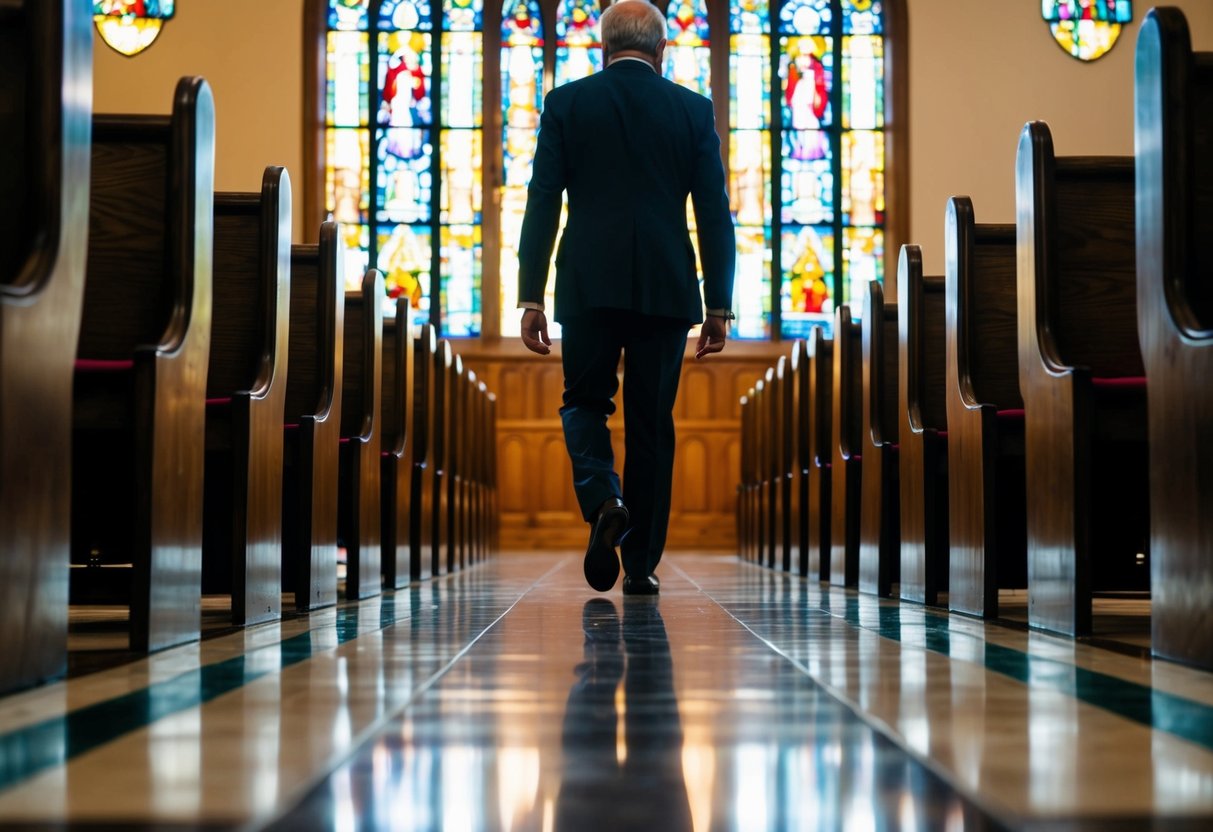
Following the couple, the wedding party usually exits in reverse order from how they entered. This means the best man and maid of honor will usually leave next, followed by other groomsmen and bridesmaids. Knowing the order can help you plan a smooth and memorable exit from the wedding ceremony, making it feel special for everyone involved.
In many wedding traditions, the ceremony signifies a new beginning. As you walk back down the aisle, the excitement of your new life together is on display. Planning this moment can enhance your wedding experience and leave a sweet memory for you and your guests.
The Processional Order Explained
The wedding processional order sets the stage for your ceremony. Understanding this order helps ensure everything unfolds smoothly, reflecting your personal style and cultural traditions.
Understanding the Traditional Order
In a typical wedding processional, the order usually starts with the officiant. Then, the groom enters, often accompanied by his parents or alone. Following him, the wedding party walks down in pairs, with bridesmaids and groomsmen alternating.
Finally, the bride makes her grand entrance, typically last. This traditional order creates a moment of anticipation for you and your guests as you walk toward the altar.
Adjustments can be made based on your preferences or family dynamics. Take time to discuss what works best for you both.
Cultural Variations in Processional Orders
Different cultures have unique wedding processional orders that may reflect their traditions.
For example, in a Christian wedding processional order, the bride often follows the bridesmaids down the aisle. In a Jewish wedding, the ceremony may start with the bride and her parents entering, followed by the groom and his parents.
In a Hindu wedding, the groom typically arrives first, often on a decorated horse, showcasing a vibrant cultural touch. Catholic weddings may follow a more traditional format, similar to Christian customs, while nondenominational ceremonies allow for more personalization and flexibility in the processional.
Understanding these variations can help you honor your cultural background while crafting a memorable ceremony.
Roles of the Wedding Party Members
Each member of the wedding party plays a vital role in the processional.
- Bridesmaids: They support you, helping to carry your bouquet or adjusting your train as you walk.
- Groomsmen: They stand by the groom, providing moral support and keeping the atmosphere light.
- Ring Bearer: Usually a young child, they carry the rings on a pillow, adding a sweet touch to the ceremony.
- Flower Girl: She scatters petals down the aisle, creating a beautiful and romantic entry for the bride.
Understanding these roles can help ensure that everyone knows their responsibilities on the big day, making the processional flow seamlessly.
Roles and Responsibilities
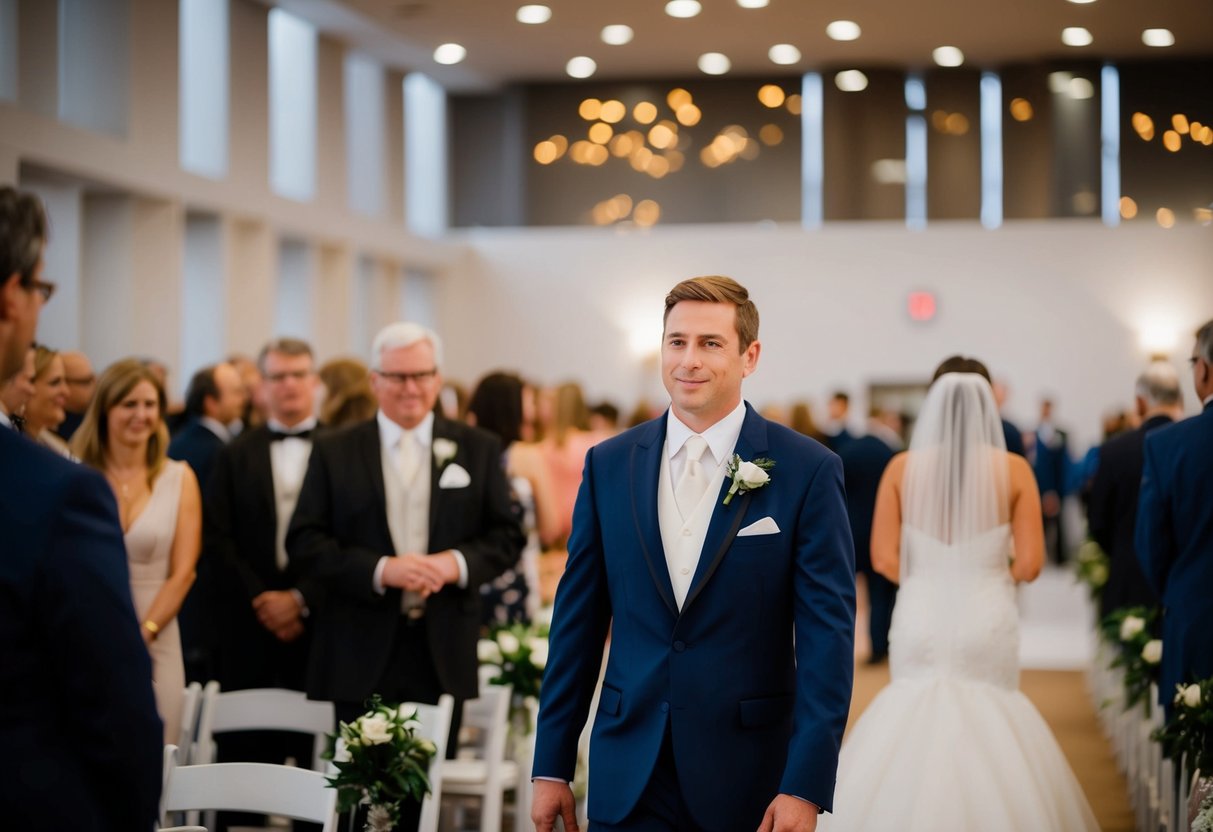
Your wedding processional and recessional involve everyone playing a special part. Understanding the roles of each participant helps create a smooth and memorable ceremony.
Parents and Grandparents
Parents and grandparents hold key roles in the processional and recessional. Typically, the mother of the bride walks down the aisle first, which is a cherished moment. Following her, the groom’s parents might walk in together.
Grandparents are often escorted next, signifying respect for the elder family members. Their presence is a beautiful way to honor family traditions. Make sure they feel comfortable and have someone to support them during this time.
Officiant and Bridal Party Entrance
The officiant usually walks in right before the bridal party, setting the ceremonial tone. After the officiant’s entrance, bridesmaids and groomsmen follow, typically organized by height with the best man and maid of honor walking last.
This ensures a balanced look and proper flow. It’s advisable to rehearse the order with your bridal party to minimize confusion and nerves on the big day. Proper coordination will make everything look seamless when you all meet at the altar.
Special Roles for Children
Children in the wedding can add charm and fun to your ceremony. Flower girls typically scatter petals down the aisle before the bride makes her grand entrance. Their innocence and joy will bring smiles to your guests.
Ring bearers follow closely, carrying the rings on a special pillow or in a unique box. Page boys may also join in, adding to the whimsy. These little roles are not only adorable but also help engage younger family members in the ceremony, making it feel inclusive and joyful.
The Recessional
The recessional marks the joyful exit of the newlyweds and their party following the ceremony. This important moment includes specific people walking in a certain order, celebrating the start of your married life together.
Order and Procedure
During the recessional, the order of who walks back down the aisle is crucial. Typically, the bride and her father lead the way. Following them, the maid of honor adjusts the bride’s gown and trains. Next come the flower girl and ring bearer, adding a cute touch to the procession.
After the couple, the maid of honor and best man walk together. Then, the groomsmen and bridesmaids can either walk in pairs or alone. Finally, family members follow, allowing everyone to celebrate this special moment together.
Significance of the Recessional
The recessional symbolizes the joy of the newlyweds starting their life together. It’s a moment for you and your loved ones to celebrate the union with smiles and laughter. The music chosen can set the tone, enhancing the festive atmosphere.
This exit also signifies a transition from the wedding ceremony to the reception. It brings together your wedding party and family members in a shared celebration. Each person plays a key role in this memorable moment, reflecting love and support. Choosing a meaningful order helps create lasting memories for you and your guests.
Wedding Processional Music
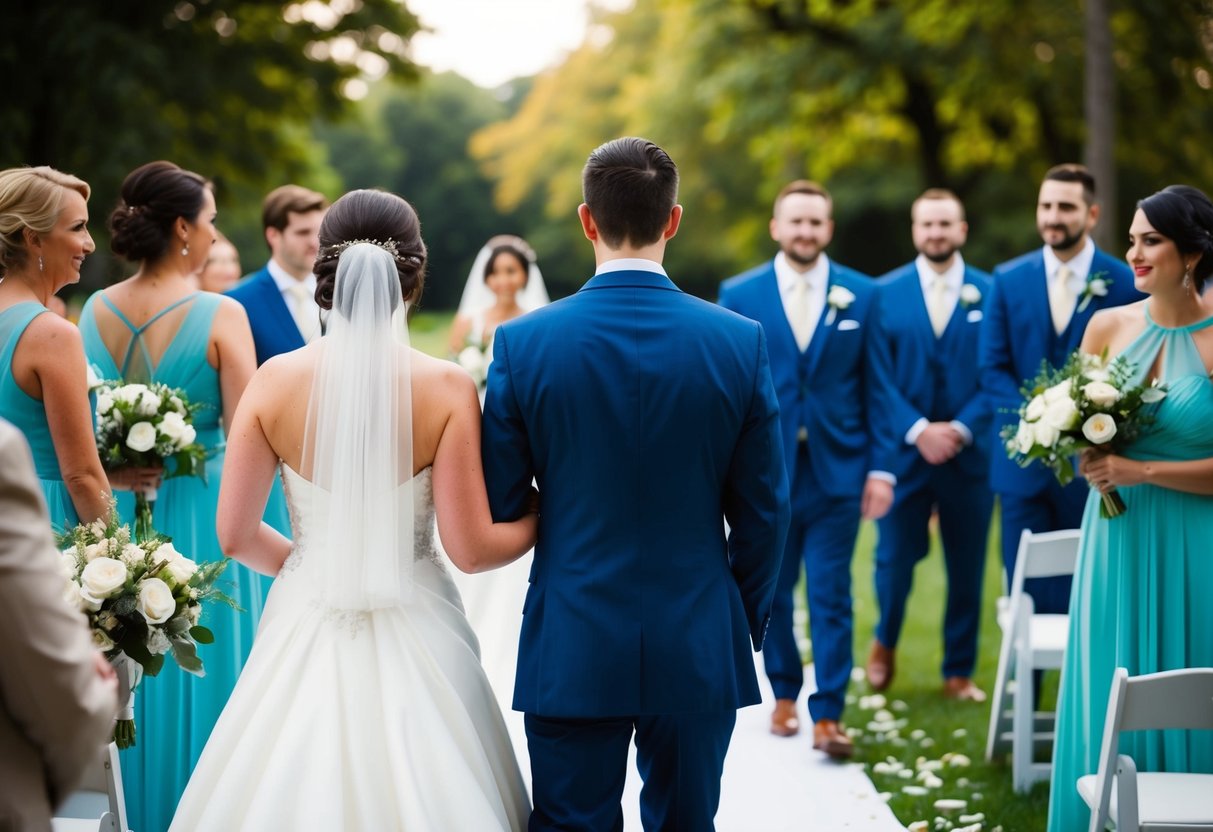
Choosing the right music for your wedding processional is important. It sets the mood for your ceremony. Many couples opt for classical pieces or modern songs that reflect their love story.
Popular Choices:
- Bridal Chorus: This is often played as the bride enters. Many people associate it with weddings.
- Canon in D: Another favorite, this piece by Pachelbel is elegant and emotional. Great for setting a romantic atmosphere.
- Wedding March: This traditional choice usually signals the beginning of the ceremony and is played when you walk in as a couple.
Wedding Ceremony Order:
- Prelude: Background music as guests arrive.
- Entrance of the Wedding Party: Music plays for bridesmaids and groomsmen as they walk down the aisle.
- Bride’s Entrance: A special song for when you walk in.
Make sure to discuss your music choices with the wedding officiant. They can help with timing and transitions during the ceremony.
Also, think about adding an interlude. This could be a song performed live or played during key moments, like the exchanging of vows.
Music is a great way to personalize your ceremony. Pick songs that feel special to you and your partner!