
Who Walks Daughter Down the Aisle? Understanding the Modern Traditions
When it comes to the wedding ceremony, one of the most cherished traditions is the walk down the aisle. The father of the bride typically walks his daughter down the aisle, symbolizing a loving transfer of care from the parent to the partner. This moment is often filled with emotion, signifying support and love as you take a big step into your new life.

While the father traditionally holds this role, many brides choose to personalize this moment in various ways. From having both parents escort you to selecting a close friend or family member, the decision is entirely yours. Understanding the meaning behind who walks you down the aisle can help you create a moment that feels right for you.
As you plan your wedding, think about the significance of the aisle walk. It’s a moment that marks the start of your journey in marriage, so choosing who walks you can add to the special feeling of your day. Whether it’s a father, mother, or someone else, make it a moment that reflects your family and your love story.
The Role of Tradition in Weddings
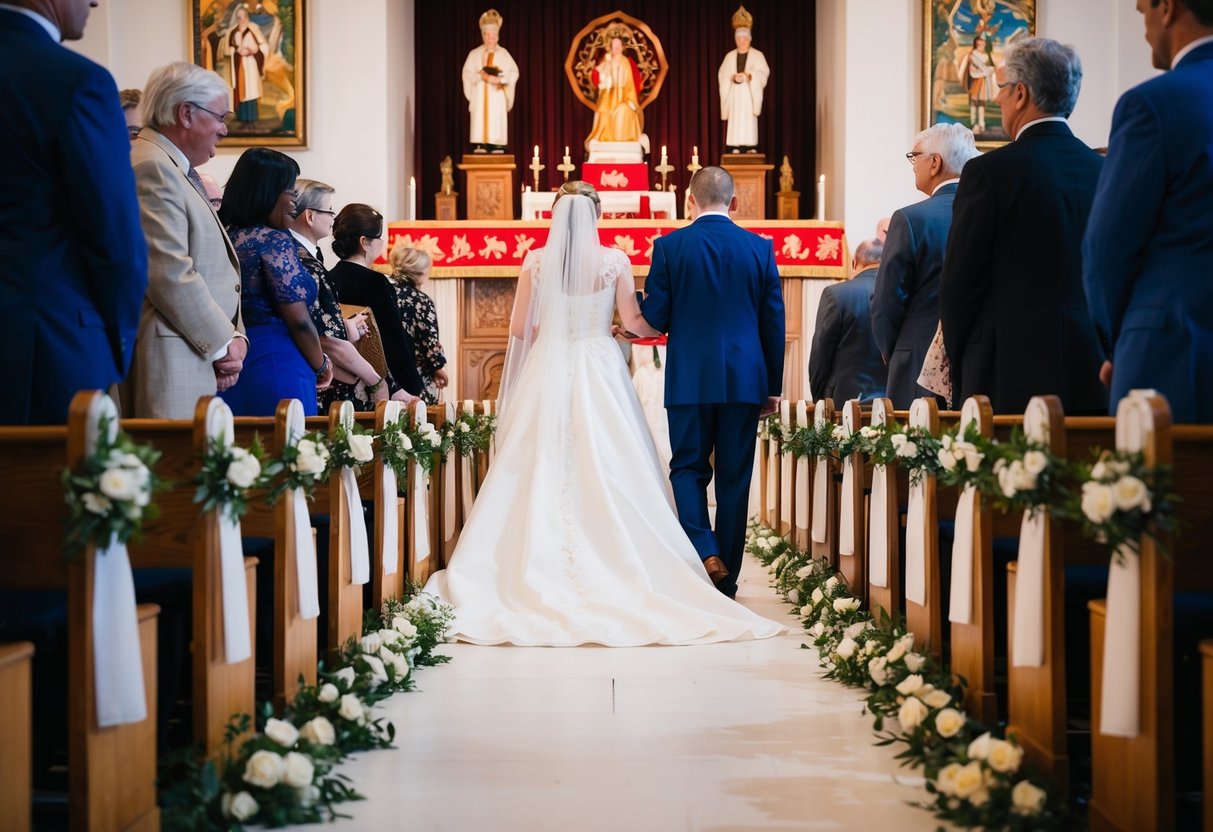
Tradition plays a significant role in weddings, shaping how ceremonies unfold and what they represent. Many customs have deep roots in history, while others evolve over time. Understanding these influences can enhance your wedding experience.
Historical Significance of the Father Walking the Bride
The act of the father walking his daughter down the aisle is a tradition with deep historical meaning. This gesture symbolizes the father’s role in protecting and guiding his daughter.
In the past, marriages were often arranged, and the father would “give away” the bride. This act was not just a ceremonial exchange; it represented a transfer of responsibility and care. The dowry, often given to the groom’s family, further emphasizes the father’s role in the marriage.
Today, many brides still cherish this moment, viewing it as a reflection of their bond with their fathers. It marks the transition from one chapter in life to another.
Cultural Variations in Wedding Traditions
Weddings vary widely across cultures, and each has unique traditions concerning who walks the bride down the aisle. In some cultures, both parents escort the bride to symbolize shared support.
In other customs, a sibling or a close family member may take on this role. For instance, in certain African traditions, extended family members play a crucial part in the wedding process.
These variations highlight the importance of family and community in the wedding ceremony. They enrich the experience, making it more personalized and meaningful.
Modern Interpretations of Traditional Roles
Modern weddings often reflect a shift in how traditional roles are viewed. Many couples today are redefining who walks down the aisle, choosing to make it a more egalitarian experience.
Some brides opt to walk alone or alongside both parents. Others may include their children or best friends in the processional.
This change allows for personal expression and creates a wedding that feels authentic to you. Embracing these modern interpretations can lead to a more personalized and joyous celebration on your wedding day.
Navigating Family Dynamics and Personal Values
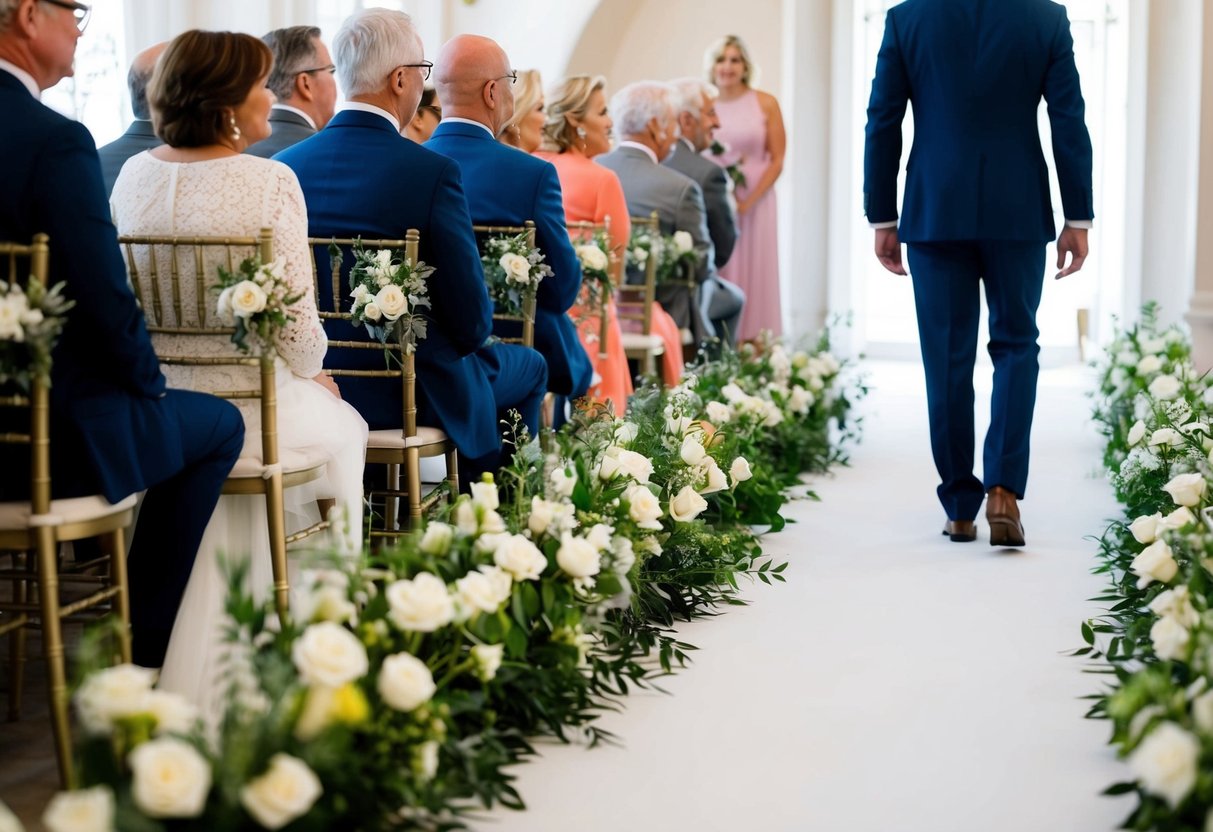
Choosing who walks you down the aisle is a deeply personal decision influenced by family dynamics and your own values. This moment is filled with emotion, and finding the right solution can help you feel supported on your big day.
Choosing Who Walks Down the Aisle
You might lean toward your father to walk you down the aisle, a tradition that symbolizes support and love. However, consider how this aligns with your family dynamics. If your parents are separated or have different relationships with you, it may feel more appropriate to choose someone else, like a sibling or stepparent.
In modern times, many brides opt for non-traditional choices, like having a close friend or relative. Whatever your decision, make sure it reflects your personal values and feels right to you. This moment should honor your partnership and the journey you’re about to embark on.
When the Bride Walks Down Solo
Walking down the aisle solo is becoming more common among modern brides. This choice can symbolize independence and personal strength. If you choose this path, it allows you to represent your journey and values.
Going solo doesn’t mean you lack support. You can still involve loved ones in other ways, like having them participate in the ceremony or attend pre-wedding events. It’s about embracing your individuality as well as your relationships. This decision can add a poignant moment that emphasizes your readiness to start a new chapter.
Involvement of Both Parents
Having both parents walk you down the aisle is another beautiful option to consider. This choice symbolizes collaboration, love, and mutual support. It honors both parents and shows that your family values inclusivity, especially in families with blended dynamics.
Discussing this option with your parents is essential. Make sure they feel comfortable and understand each other’s roles. This moment can signify a strong partnership, allowing each parent to express their love and proud support. It’s about finding balance while showcasing your values on a day that celebrates your union.
Etiquette and the Wedding Processional

Understanding etiquette around the wedding processional helps ensure a smooth and meaningful ceremony. This section provides insight into the order of the processional and offers specific guidelines for couples with diverse family structures.
Order and Flow of the Wedding Processional
The order of the wedding processional usually follows a traditional path, but it can be adjusted to fit your unique preferences. Commonly, the officiant enters first, followed by the wedding party. If you choose to have a flower girl or ring bearer, they often walk down the aisle next.
When it comes to the bride, you might decide to walk down the aisle solo or have someone special accompany you. Many brides prefer to have their father or both parents, while some choose a close friend or family member. It’s all about what feels right for you.
Keep in mind that the goal is to create a beautiful flow to the ceremony, so discuss your preferences with your wedding planner or officiant.
Guidelines for LGBTQ Couples and Non-Traditional Families
For LGBTQ couples or those with non-traditional family structures, there are no hard and fast rules about who walks down the aisle. You can choose anyone who is meaningful to you, whether it’s a parent, best friend, or mentor.
It’s important to communicate openly with your chosen family members about your wishes and roles in the ceremony. Consider who supports you in your life and think of ways to honor those relationships.
You might even decide to have both partners walk down the aisle together or join halfway. This creates a sense of unity and can set a loving tone for your wedding.
Religious and Cultural Considerations
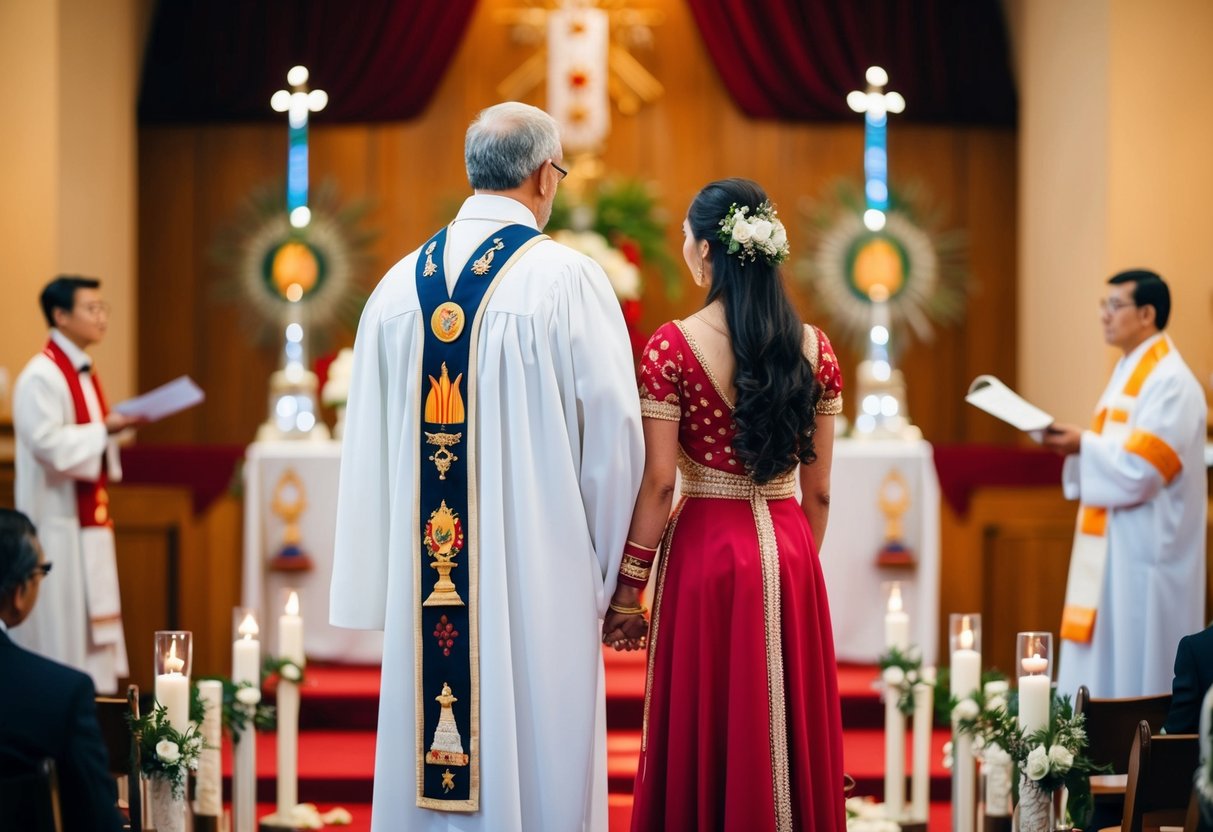
When planning your wedding, understanding the religious and cultural customs surrounding who walks you down the aisle can be important. Many traditions exist, particularly in Christian and Jewish ceremonies, that can guide this special moment.
Christian Wedding Customs
In many Christian weddings, the father of the bride traditionally walks his daughter down the aisle. This act symbolizes his role in giving her away to her partner. You might also encounter variations where the bride chooses a different family member or loved one to accompany her.
Couples are increasingly personalizing their ceremonies, and this flexibility allows for changes. Some brides opt for both parents to walk with them, signifying the support from their family. After the ceremony, there’s often a special moment for the father-daughter dance, which emphasizes their close bond during this life transition.
Jewish Wedding Practices
Jewish weddings have unique customs regarding the procession. The father typically walks the bride down the aisle, representing the tradition of giving her away, similar to Christian customs. However, you may also see brides walk with both parents or close relatives.
Another significant aspect is the appointment of a chuppah, or wedding canopy, which symbolizes the couple’s new home. This element contributes to the overall atmosphere of the ceremony.
Each detail, from the procession order to the rituals performed, reflects the couple’s practices and beliefs, making the day meaningful and memorable.