
Who Walks Down the Aisle at a Wedding UK? Roles and Traditions Explained
The wedding day is one of the most special moments in your life, and knowing who walks down the aisle can help make the ceremony feel more organized and meaningful. In a traditional UK wedding, the bride typically enters last, followed by her father or another close family member.
As the ceremony unfolds, the order of the wedding procession sets the mood, showcasing important relationships and traditions.
You might also see other key players in the procession, such as the groom, best man, and bridesmaids. Each person has a designated role, which creates a beautiful flow to the event. Understanding these roles can help you plan your own wedding or simply appreciate the customs involved in a UK wedding ceremony.
Whether you’re planning a wedding or attending one, knowing who walks down the aisle adds to your enjoyment of the day. Familiarizing yourself with the traditional wedding procession enhances the experience and lets you take part in something truly special.
The Order of the Processional
Understanding who walks down the aisle and in what order is an important part of your wedding planning. This section explores the traditional order and some modern variations, helping you decide what feels right for your special day.
Understanding the Traditional Order
The traditional wedding processional order starts with the grandparents of the couple, followed by the parents of the bride. Next in line are the groom’s parents.
After that, the bridesmaids walk in, usually one by one from the farthest to the closest to the bride, with the maid of honor being the last to walk before the bride.
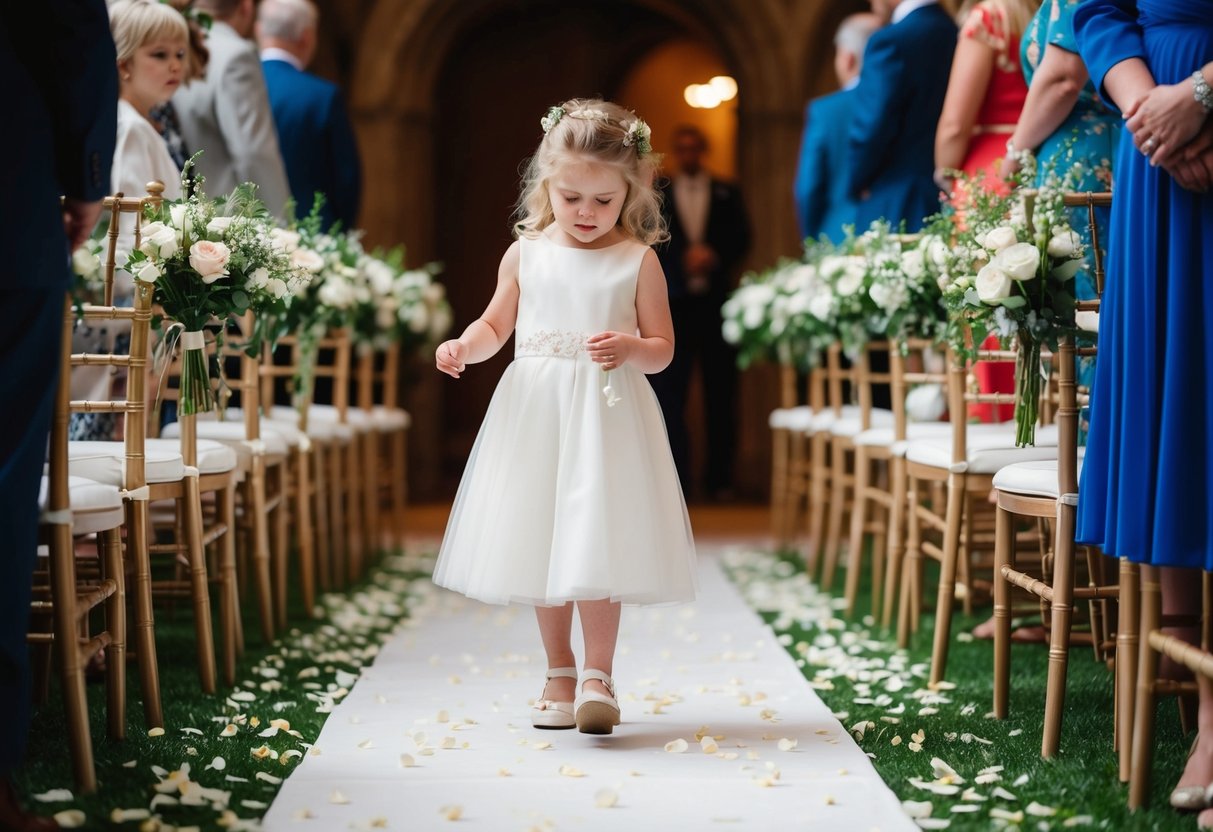
Usually, the flower girl and page boys follow, adorably tossing petals or carrying rings. Finally, the bride enters, often escorted by her father or another close relative, marking the most anticipated moment of the ceremony.
Contemporary Practices in Wedding Processionals
Modern weddings sometimes adopt a more personalized approach to the processional. For instance, couples might choose to have both partners enter together, or combine the entrances of parents and bridal party members.
You might also see groomsmen walking in alongside the bridesmaids, rather than the traditional single file. The order of walking down the aisle can reflect your unique story and relationships—feel free to mix and match as you like.
Ultimately, the key is to create an atmosphere that feels meaningful for you and your guests. Whether you go for tradition or add your own twist, the important thing is to enjoy the moment together.
Roles and Responsibilities
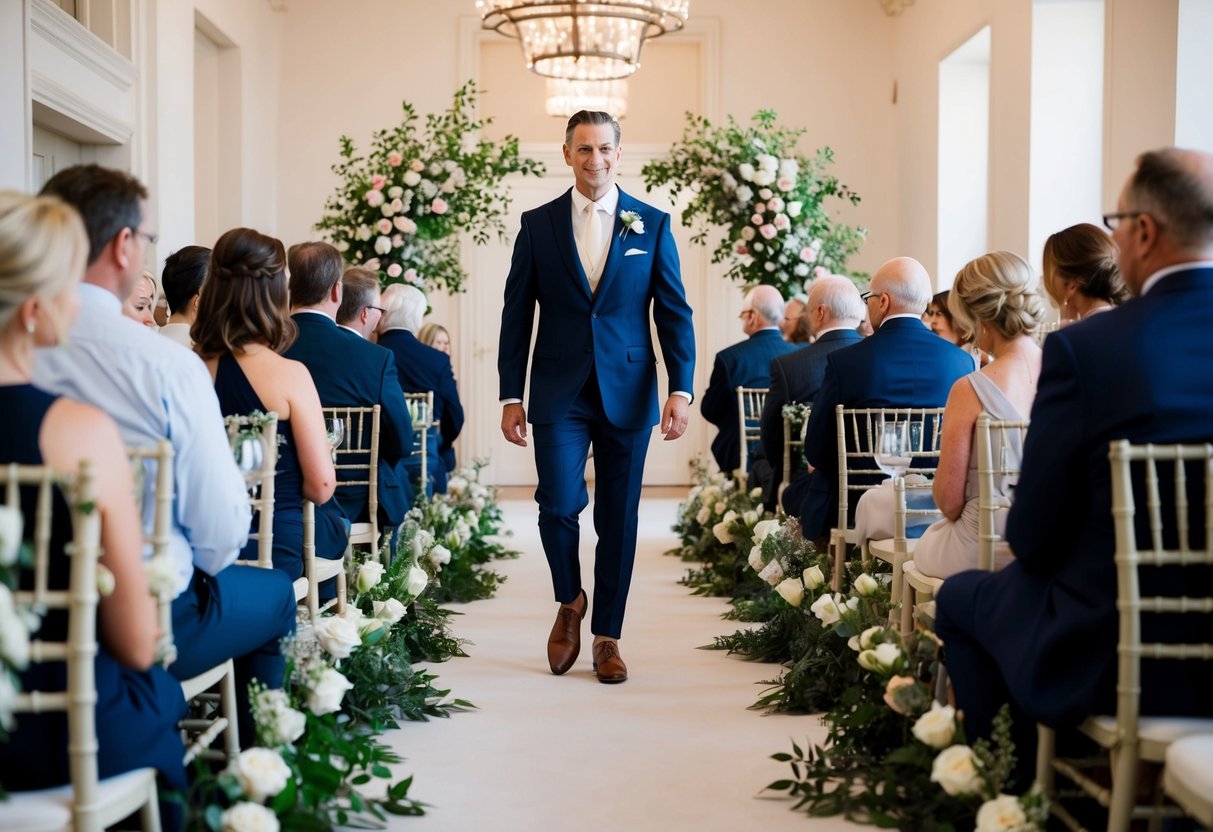
At a wedding, each participant plays a unique role, making the ceremony meaningful. Understanding these roles helps everyone feel comfortable and contribute to the special day.
Bridal Party and Groomsmen
The bridal party usually includes the bride, maid of honour, bridesmaids, and flower girls. The maid of honour supports the bride in planning and organizing. She is often the bride’s sister or closest friend.
Bridesmaids assist with tasks and stand by the bride during the ceremony.
On the groom’s side, the best man and groomsmen have important duties. The best man helps the groom get ready and holds the rings during the ceremony. Groomsmen escort bridesmaids and are responsible for tasks like setting up the event. Flower girls add charm by walking down the aisle and scattering petals.
Family Members and Honor Roles
Family members also hold important roles at your wedding. The mother of the bride often helps with planning and may escort the bride down the aisle.
The groom’s parents typically have a role in welcoming guests and supporting their child.
You might have a chief bridesmaid who takes on extra responsibilities, ensuring everything runs smoothly. Other immediate family members can be given special honors, like walking down the aisle or having a part in the ceremony. The ring bearer carries the wedding rings, usually a young relative, making the moment memorable. Each role contributes to your celebration and creates lasting memories.
Ceremonial Music and Ambiance
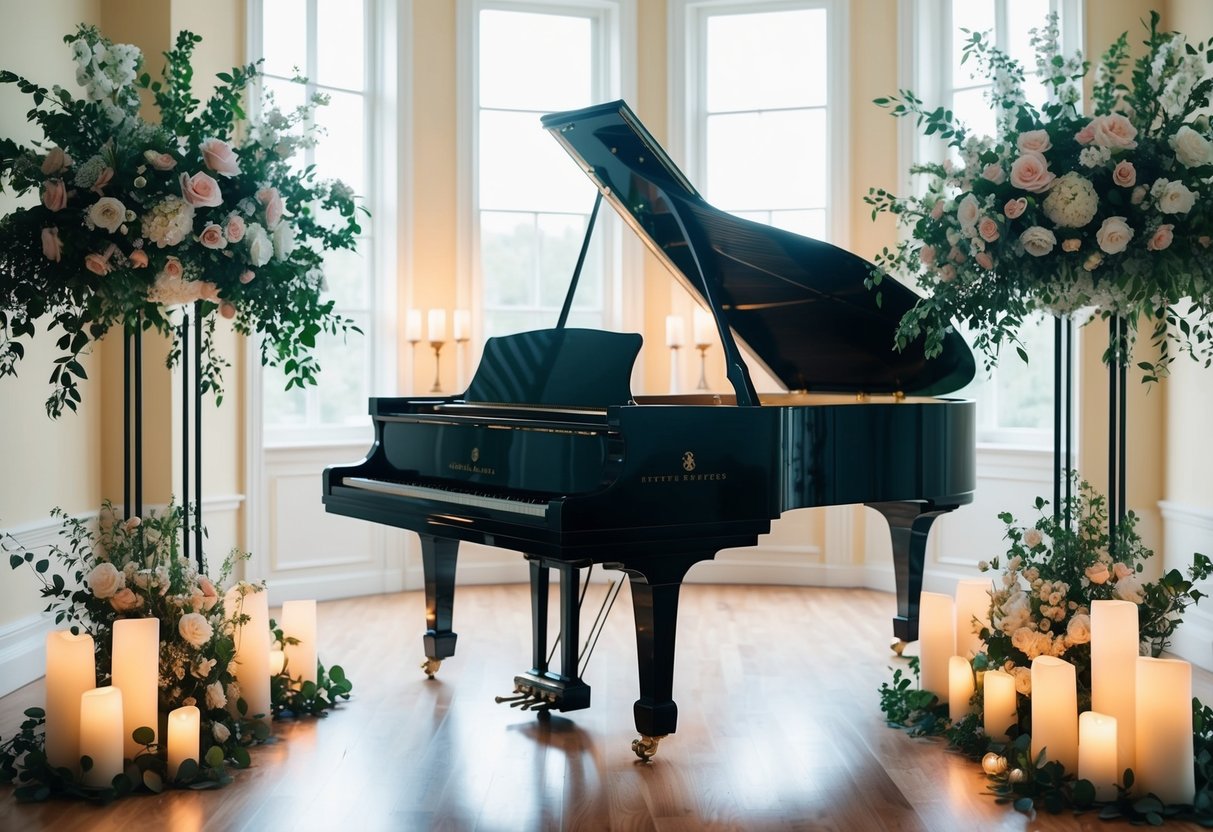
Choosing the right music for your wedding ceremony is essential. The right processional song sets the mood and reflects your personal style. It also honors any cultural traditions that may be important to you.
Choosing the Right Processional Music
When selecting processional music, consider the tone you want to set. Do you prefer something classic and romantic, or modern and upbeat?
Here are a few popular options for processional songs:
- Classical: Canon in D by Pachelbel
- Modern Pop: A Thousand Years by Christina Perri
- R&B: Best Part by Daniel Caesar and H.E.R.
Think about the atmosphere of your ceremony. If it’s a non-religious ceremony, you might choose songs that resonate with your journey together. Your choices should reflect both you and your partner’s tastes.
Cultural and Personal Considerations
Cultural traditions can play a big role in your music selection. For instance, in Hindu weddings, traditional ragas or instrumental pieces are often used to enhance the ceremony. Christian weddings might feature hymns or classical pieces that carry spiritual meaning.
Jewish wedding processional songs often incorporate traditional melodies like “Erev Shel Shoshanim.” Considering these aspects can add depth to your ceremony.
Don’t forget to think about personal preferences. You might want to choose a song with special memories or lyrics that are meaningful to you both. Balancing cultural significance with personal taste can make your processional truly unique.
Special Considerations for UK Weddings
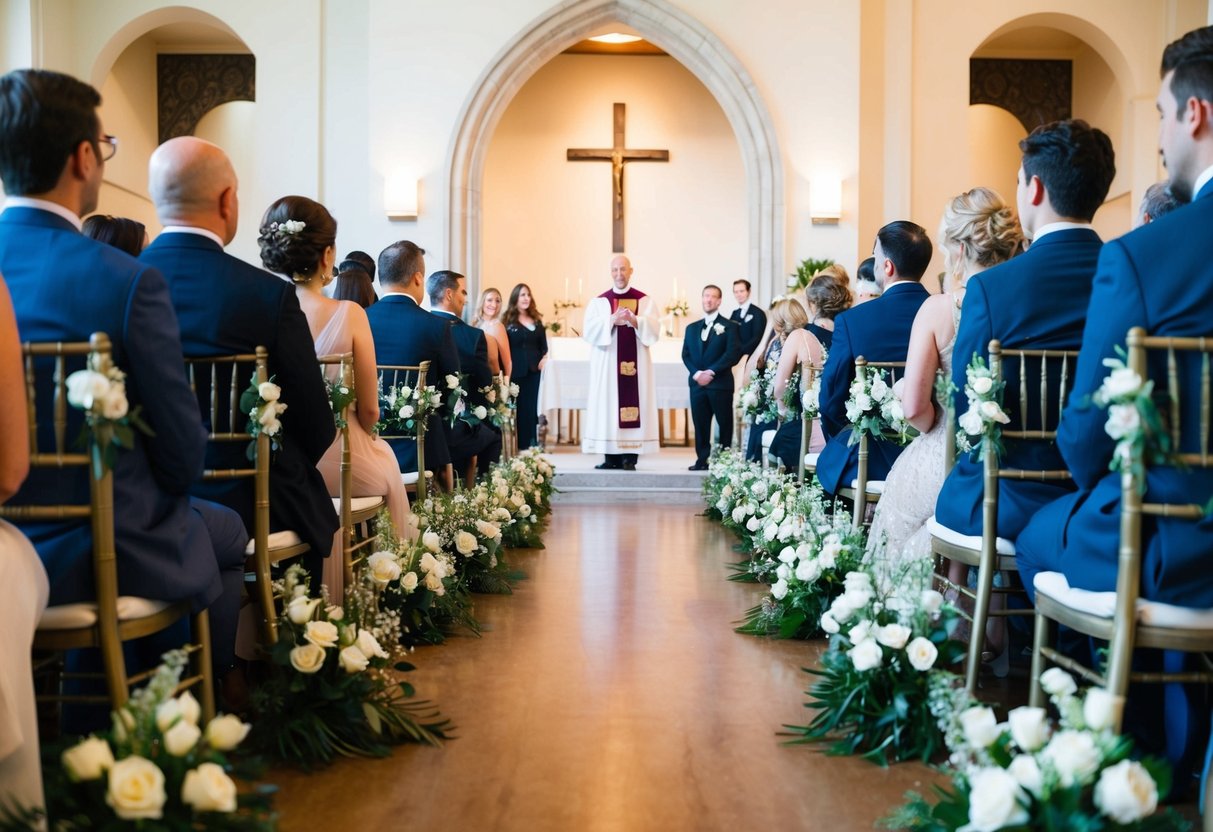
When planning a wedding in the UK, it’s important to consider regional traditions and the various ways you can personalize your ceremony. This can enhance the excitement and anticipation of the day for you, your partner, and your wedding guests.
Regional Nuances and Traditions
UK weddings often include unique regional customs. For instance, in some areas, the father of the groom may play a bigger role in the ceremony, perhaps by escorting the groom to the altar. In Christian weddings, you might see the groom and groomsmen walking to their designated spots before the processional begins.
Jewish weddings have their own rich traditions as well. The ceremony might include a chuppah, an altar decorated with flowers, where the officiant stands. Each region will have its own flavors, so discussing these details with your wedding planner can help you incorporate elements that feel right for you both.
Personalizing Your Procession
Your wedding procession is an excellent place to add personal touches. You can choose who walks down the aisle and in what order.
Common arrangements might have wedding guests seat themselves while the officiant waits at the altar.
Consider including special people like a beloved grandparent, or even a close friend, to walk with the flower girl or ring bearer.
If you have a specific spot for your bouquet, arrange it early so it is ready for the moment.
Create a procession that reflects your style, making it memorable for everyone involved.