
Who Walks Down the Aisle First in the UK? Understanding Wedding Traditions
Planning a wedding can be exciting yet overwhelming, especially when it comes to the details of the ceremony. You might be wondering who walks down the aisle first during a typical UK wedding.
Traditionally, the bridal party leads the way. The flower girl and page boys start the procession, followed by the bride, who walks in with her father. This order adds to the anticipation as everyone waits to see the bride in her stunning gown.
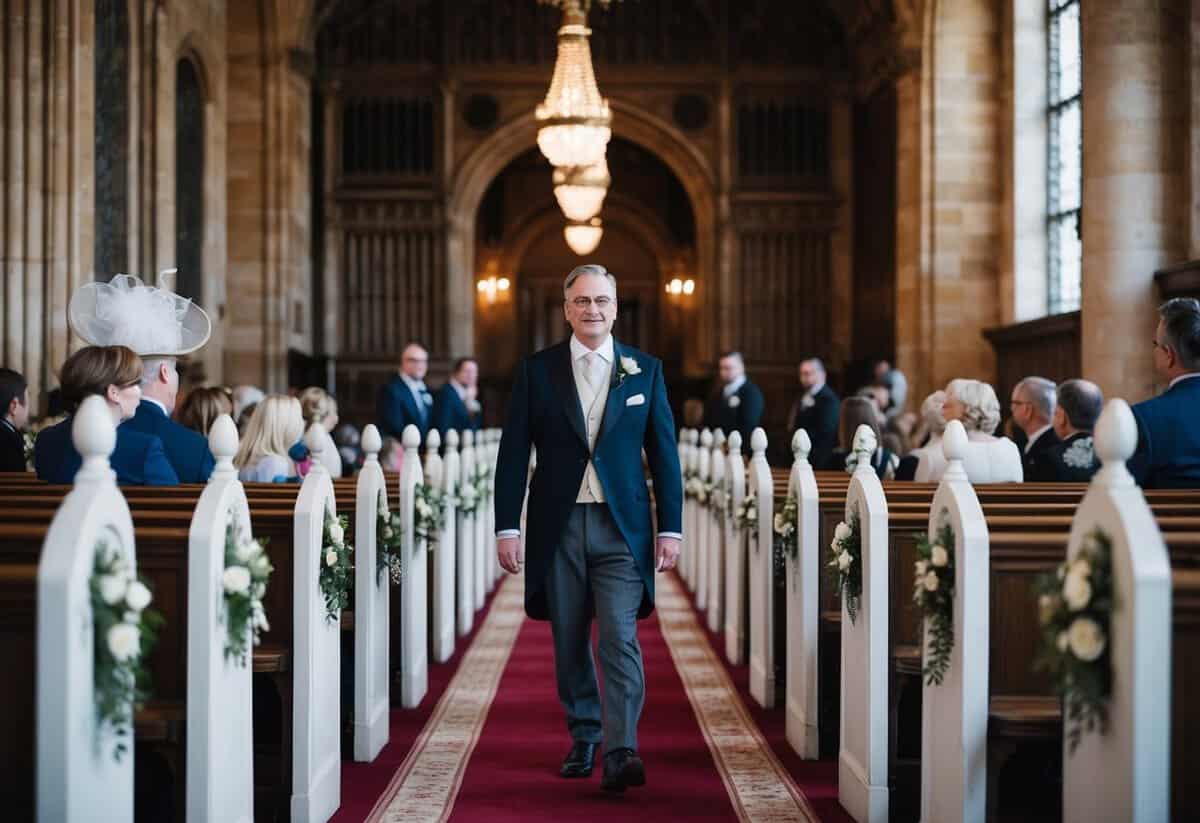
As you get closer to your special day, knowing the order of the wedding processional helps you create a smooth flow for the ceremony. Families are usually seated according to tradition, with the bride’s family on the left and the groom’s on the right. Keeping these wedding traditions in mind can make your ceremony feel even more special and personal.
Understanding these details can help you visualize your big day from start to finish. Each step in the wedding processional contributes to the magic of your ceremony, making it a memorable experience for you and your guests.
The Traditional Wedding Processional Order
In a traditional wedding, the processional order sets the stage for the ceremony. Knowing who walks down the aisle first gives you a clearer view of how the day will unfold. This section explains the key roles and responsibilities, as well as the participants involved in the wedding procession.
Roles and Responsibilities
Each person in the wedding processional has a specific role. This order creates a beautiful and organized entrance.
- Officiant: Usually walks down the aisle first. They might wait at the altar.
- Parents of the Groom: They walk next, often escorted or alone.
- Parents of the Bride: Typically follow, adding a sentimental touch.
- Wedding Party: This includes bridesmaids and groomsmen. The bridesmaids usually walk down the aisle in pairs or individually, often escorted by groomsmen.
- Maid of Honour and Best Man: They walk down last before the bride. Their presence is essential for support.
Key Participants in a Wedding Procession
Knowing the typical sequence can help you plan your day.
- Flower Girl and Ring Bearer: Often precede the bride, creating a charming moment. They can walk together or separately.
- Bridesmaids: Start the procession. They are usually arranged from the farthest to the closest in relation to the bride.
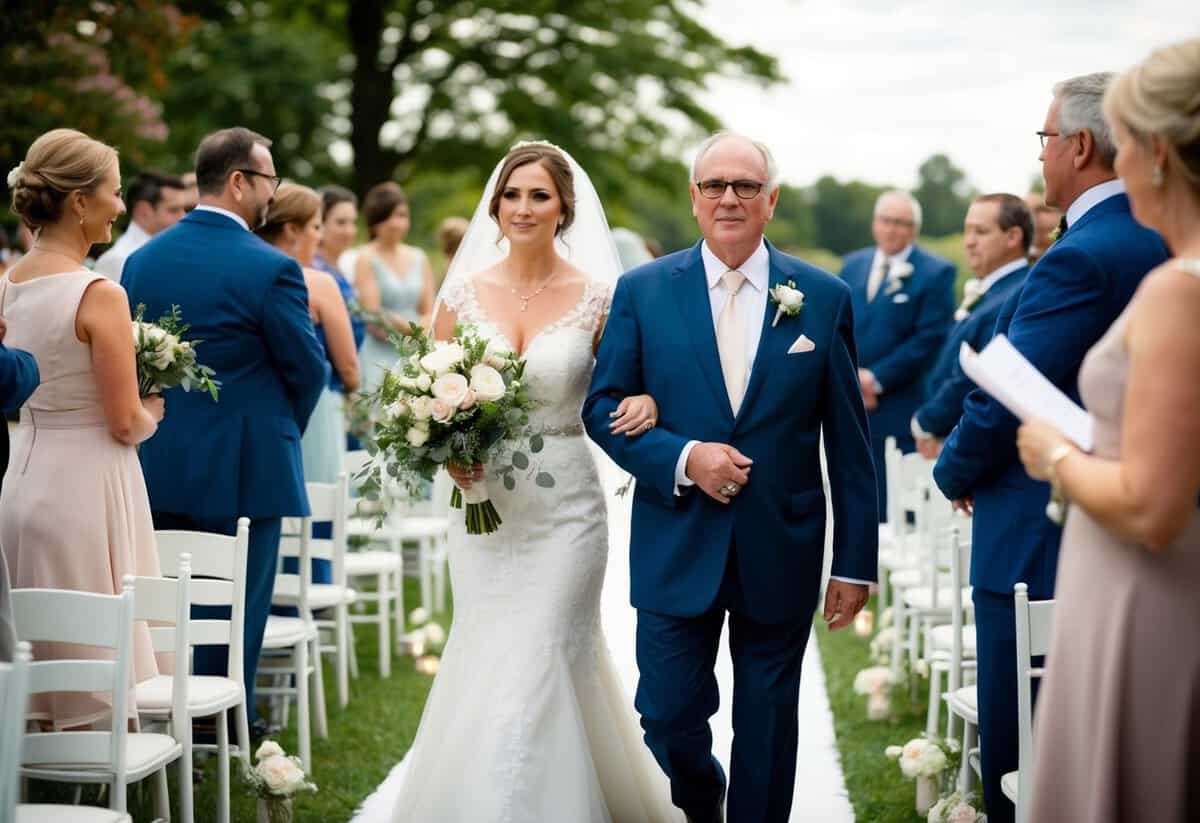
- Bride and Father: This is usually the grand entrance. The bride walks down the aisle with her father, creating a significant moment.
- Grandparents: They might be included earlier in the ceremony. Their presence honors family traditions.
Each person’s role contributes to the significance of the wedding ceremony, making your day memorable.
Adapting the Processional for Modern and Non-Traditional Ceremonies
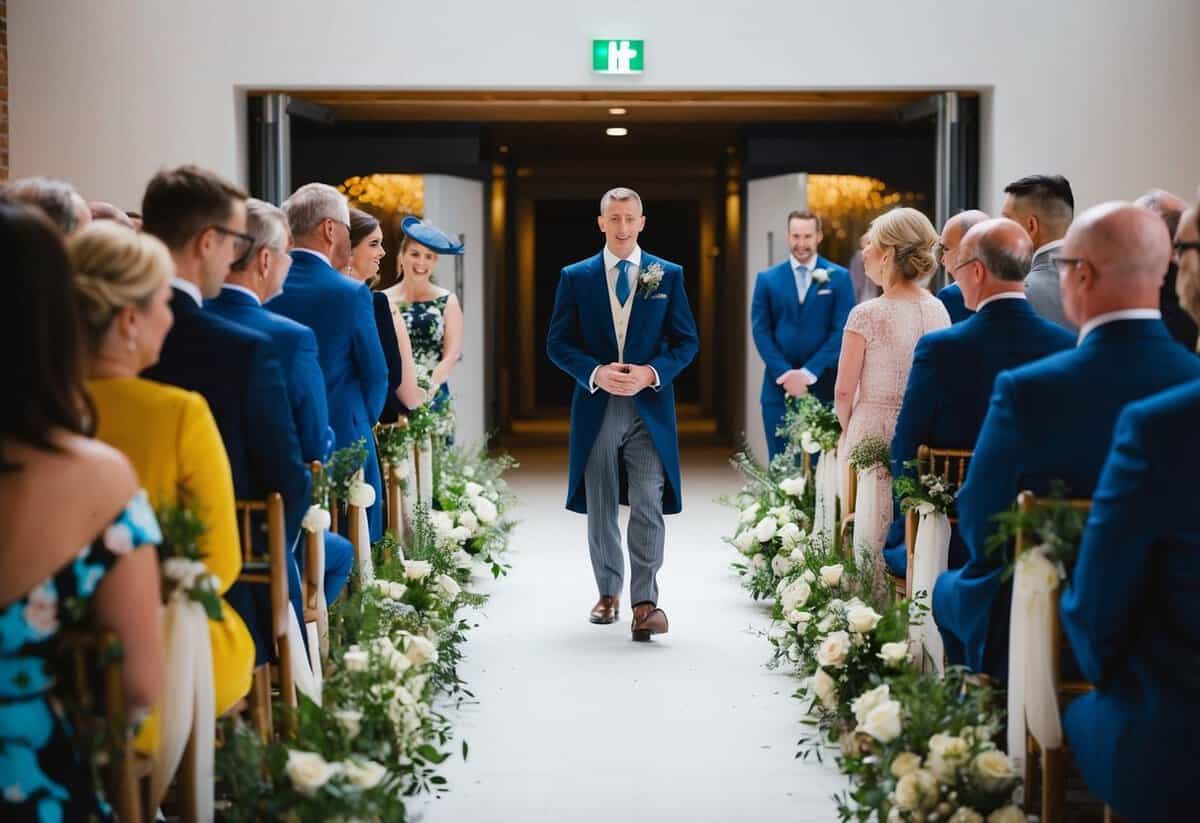
In today’s world, weddings are becoming more unique and personal. Couples often blend traditional elements with their own preferences, reflecting cultural backgrounds and personal connections. Here are ways to adapt your processional.
Cultural Variations and Personal Touches
Your processional can incorporate cultural traditions that hold significance for you and your partner. For instance, if you have a specific heritage, you might consider including rituals from that culture.
You may also want to personalize the order of who walks down the aisle. While the traditional sequence often features the bride’s parents, you might have the groom’s parents walk before or alongside them. This is especially meaningful in same-sex ceremonies, where both partners might choose to walk with family or friends.
Creating a plan that reflects who you are as a couple adds a special touch.
Inclusion and Representation
Modern weddings prioritize inclusion and representation. It’s important that your procession reflects the diverse relationships and families involved. Consider who you want to honor in your ceremony.
You might include additional important figures, like a step-parent or a close friend. If you’re having a same-sex ceremony, it may be meaningful for both partners to walk down the aisle together, arm in arm. This can symbolize unity and equality.
Your choices should represent the people and values most important to you. By discussing the processional with your partner, you can ensure everyone feels welcome and celebrated.
Music and Ambiance for the Wedding Processional
Music plays a vital role in setting the mood for your wedding processional. Choosing the right song and creating a memorable experience can enhance this special moment for both you and your guests.
Selecting the Perfect Processional Song
Choosing the right processional song is essential for capturing the emotion of your ceremony. Look for a piece that resonates with you personally. This could be a classic favorite, a beautiful instrumental, or a contemporary hit that reflects your style.
Consider these popular options:
- Bridal Chorus: This classic piece is widely used and instantly recognizable.
- “A Thousand Years” by Christina Perri: A modern romantic ballad that many couples love.
- Instrumental music: Soft piano or strings can provide a beautiful backdrop without overpowering the moment.
Think about the tempo too. A slower song can create a dreamy atmosphere, while an upbeat tune might add a touch of joy and excitement.
Creating the Moment
To truly create a memorable moment during your wedding processional, focus on ambiance. The music should harmonize with the setting and your personal style.
Ensure your venue has good acoustics. This will allow the sound of the music to fill the space beautifully.
Consider incorporating elements like:
- Lighting: Soft, warm lights can enhance the atmosphere.
- Flowers and Decorations: Choose arrangements that complement your themes, contributing to the overall feel of the space.
As you walk down the aisle, let the music envelop you and your guests. This should be a moment of connection, emotion, and joy, marking the start of your new journey together.