
Who Walks Down the Aisle in Order? A Guide to Wedding Processional Traditions
The wedding processional is an important part of your ceremony, setting the stage for the special moments to come. Typically, the order starts with the parents of the couple, followed by the wedding party, and ends with the bride walking down the aisle, often with her father. This order can vary based on personal preferences or traditions, so it’s essential to choose what feels best for you.
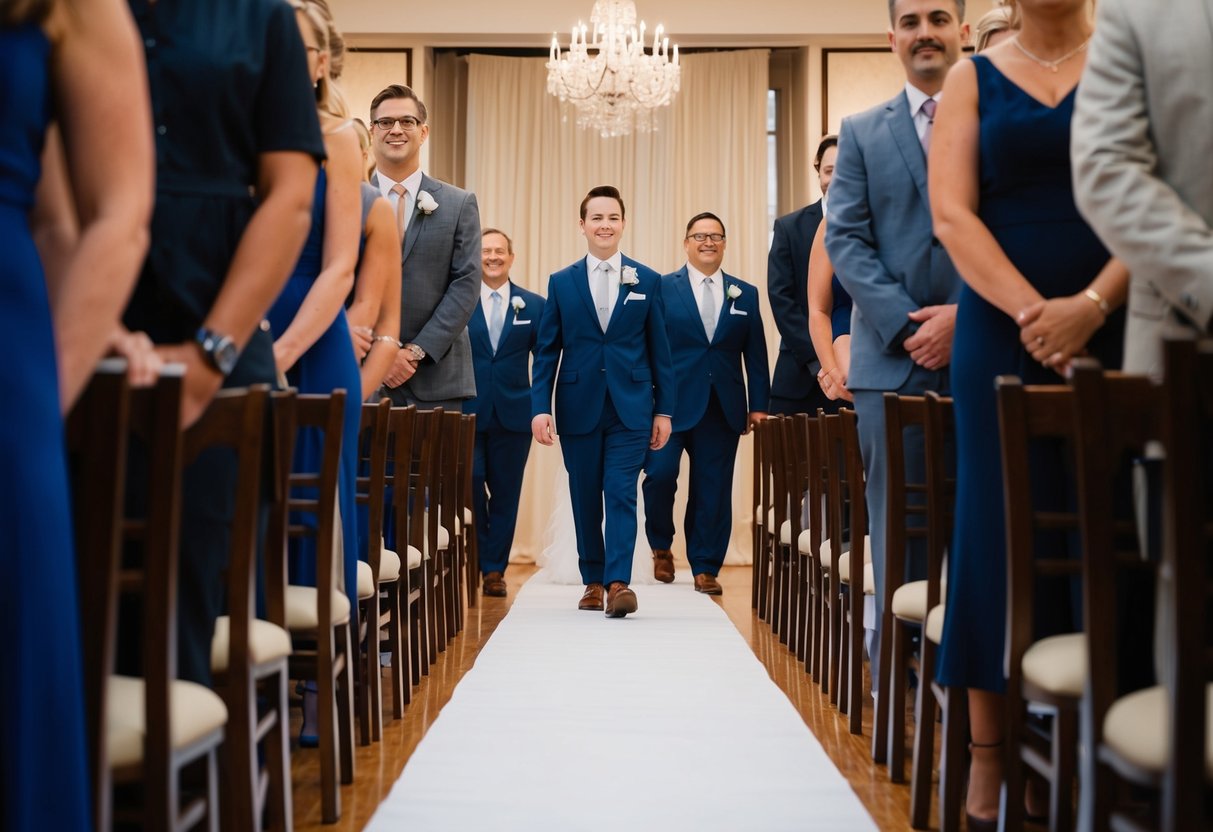
As you plan your big day, you might wonder who walks down the aisle and in what order. Each couple has the chance to personalize their wedding ceremony, from having bridesmaids and groomsmen walk in pairs to adjusting roles like the ring bearer or flower girl.
Your wedding ceremony is a reflection of your story. By knowing the typical order of the processional, you can create a meaningful and memorable moment. Whether you stick to tradition or choose something unique, every detail matters.
Understanding the Wedding Processional
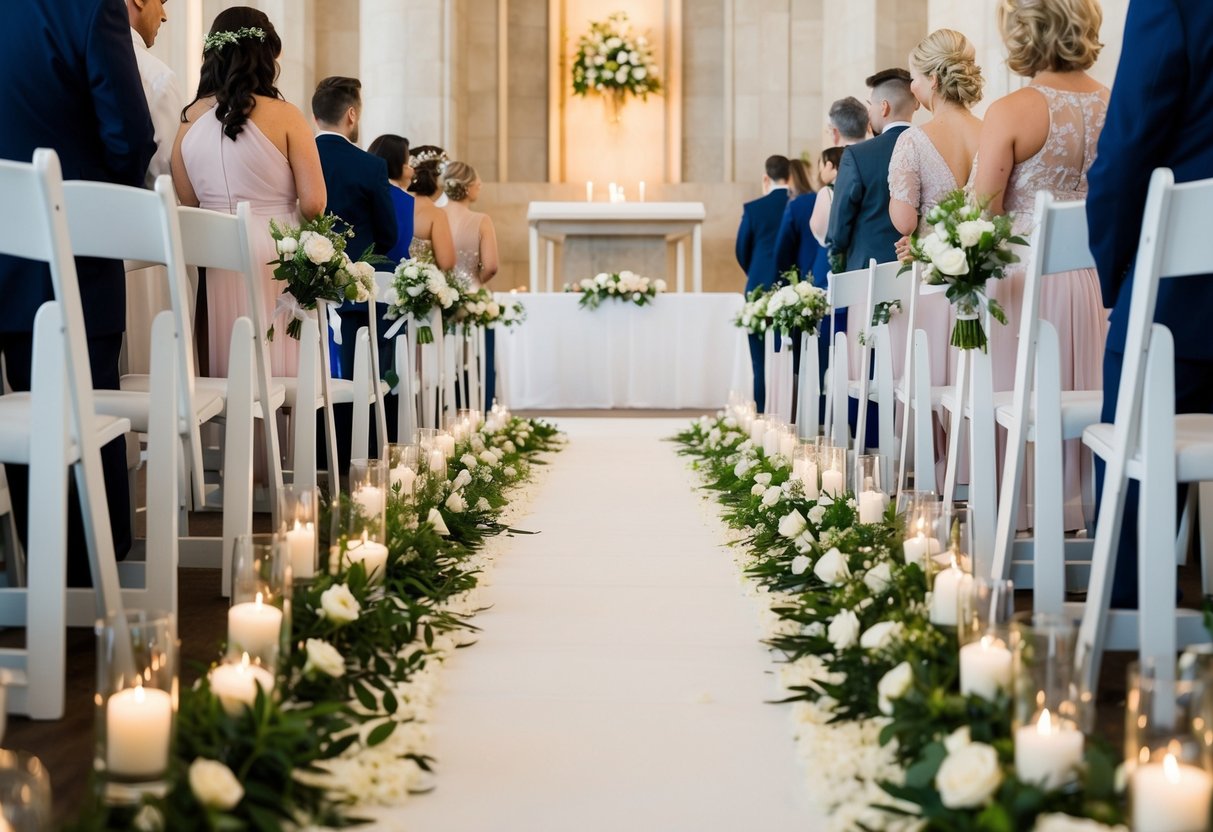
The wedding processional is a key part of your ceremony. It sets the tone and connects everyone to the moment. Knowing who walks down the aisle and in what order can help make your day special.
Significance of Processional Order
The processional order holds importance in many cultures. It is often seen as a way to honor family and friends. Each person has a role that shapes your ceremony’s feel and flow.
For example, in a traditional wedding procession, the order usually starts with the officiant, followed by family members and the wedding party. The bride traditionally walks last, often escorted by her father. This can symbolize the transition from her family to her new life with her partner.
In ceremonies with specific traditions, such as a Catholic wedding processional order, there may be special religious elements. A Jewish wedding processional order includes unique customs, like the couple being escorted together. Each culture brings a rich history to the processional, making it unique.
Different Wedding Processional Traditions
Each wedding has its own customs regarding the processional. In a Hindu wedding processional order, for example, the groom often enters with a large celebration, known as the baraat. This joyful entrance sets a lively tone for the ceremony.
A nondenominational wedding processional order allows for more flexibility. Couples can decide how to arrange family and friends based on their preferences. This approach makes it possible to fit in personal touches that reflect your story together.
Understanding these traditions helps you plan a meaningful processional that honors your beliefs and family. Your wedding is a perfect opportunity to celebrate your unique love story.
Participants and Their Roles

The wedding processional includes several key participants, each with a specific role. Understanding these roles helps ensure a smooth and meaningful ceremony. Each person in the procession contributes to the atmosphere and importance of the day.
Roles of the Wedding Party
In your wedding party, each member plays a crucial role in supporting you and your partner. The bridesmaids walk down the aisle before you, symbolizing their commitment to your happiness. Traditionally, they wear dresses that match your chosen color scheme.
The groomsmen follow, led by the best man, who supports the groom. The best man usually stands close to the groom during the ceremony, holding the rings and ensuring everything runs smoothly.
The maid of honor is often the bride’s closest friend or sibling and assists you throughout the planning process. She walks down the aisle immediately before you, marking your entrance to the ceremony. Other members like flower girls and ring bearers add sweetness and charm to the procession, representing innocence and joy as they make their way down the aisle.
Special Positions in the Procession
In addition to the wedding party, several family members hold special positions during the processional. The father of the bride traditionally escorts you down the aisle, a moment filled with emotion and significance. This marks your transition from single life to marriage.
Next, the officiant stands at the altar, ready to lead the ceremony. The parents of both partners also play important roles and usually walk down the aisle before the wedding party. Specifically, one partner’s parents walk in first, followed by the other partner’s parents, showing support for the union.
Grandparents may also have a special place in the procession, often seated at the front to honor their role in your family’s history. Each person’s contribution helps create a beautiful and memorable beginning to your wedding day.
Order of Entrance and Ceremony Structure

The order in which individuals enter the ceremony is important for setting the tone and flow of the event. Understanding the traditional and contemporary variations can help you plan a memorable experience.
Traditional Entrance Order
In a traditional wedding ceremony, the entrance typically follows a clear sequence. The processional starts with the officiant, who takes their place at the altar or chuppah.
Next, immediate family members like the groom’s parents walk down the aisle, usually seated on the right side.
Following them, the bridal party enters. This includes bridesmaids and groomsmen, with the maid of honor walking last in this group. The flower girl and ring bearer often precede the bride.
Lastly, the bride makes a grand entrance, often escorted by her father or another family member.
This classic order helps maintain a sense of dignity and respect throughout the ceremony.
Contemporary Variations
Contemporary weddings may mix tradition with personal flair. You might choose to have a baraat, where the groom and his friends celebrate and dance into the venue, creating a lively start.
Another option is to have a mixed-gender bridal party or allow friends and family to enter in a more casual, personalized order.
The mandap, often used in Indian weddings, introduces another layer to your entrance. Here, the wedding party may enter together. The recessional, where the couple exits, usually reverses the entrance order.
These variations give you the flexibility to make your ceremony uniquely yours while still respecting the event’s meaningful structure.
Planning Your Wedding Processional

Planning your wedding processional involves careful thought about both music and organization. You want every detail to match your vision and flow smoothly during the ceremony.
Choosing the Right Music
Selecting the perfect music for your wedding processional can set the tone for the entire ceremony.
Start with the wedding processional song. This is the piece that plays as you and your wedding party make your entrance.
Consider traditional options, like classical pieces, or choose a song that has special meaning for you and your partner.
For added atmosphere, you might include a prelude. This is background music that plays while guests are seated.
If you’re having a religious wedding or a nondenominational ceremony, think about the vibe you want to create.
Don’t hesitate to ask your wedding planner for suggestions that fit your theme, style, and preferences.
Coordinating with Your Wedding Planner
Working closely with your wedding planner is key to a smooth processional.
Schedule a meeting to discuss the wedding ceremony order and confirm who walks in which order.
You’ll want to assign roles and decide if the veil will be worn during the processional.
Your planner can help you coordinate the timing, ensuring your wedding officiant is ready when you arrive.
Make a checklist of important items: song selections, entrance order, and any specific traditions you want to include.
Effective communication with your planner can help reduce stress and ensure that everyone knows their role.
This cooperation allows the processional to reflect your unique love story.