
Who Walks Down the Aisle Right Before the Bride? Discover the Key Roles in a Wedding Procession
As you plan your wedding ceremony, you might wonder about the order of the wedding processional. The flower girl is typically the last person to walk down the aisle before the bride. She is often accompanied by a ring bearer. This sweet moment adds charm as the little ones prepare the way for the bride’s grand entrance.
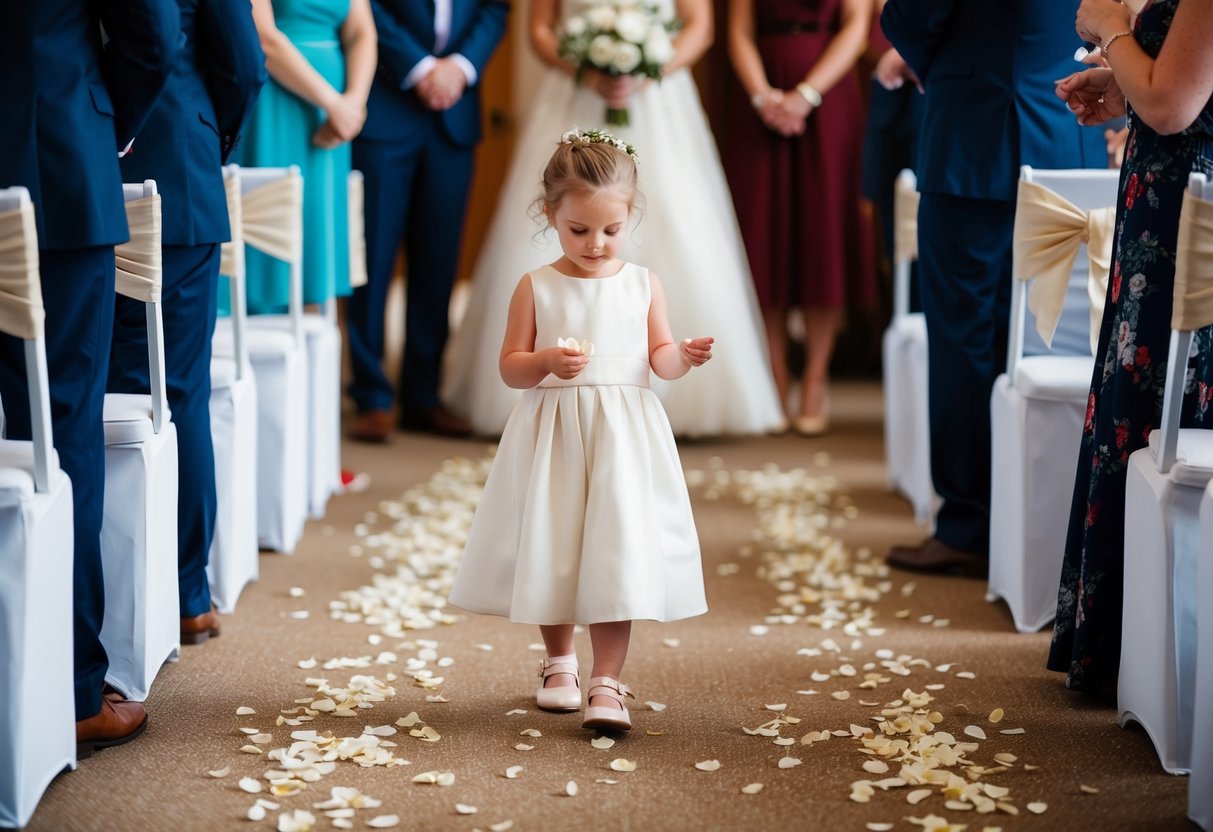
Understanding who walks during the processional can help you visualize the flow of your wedding ceremony. You may choose to personalize the order, but knowing the traditional sequence can guide your decisions. The flower girl often scatters petals, creating a lovely path as excitement builds for your arrival at the altar.
This moment holds special significance for both you and your guests. It sets the tone for the ceremony and highlights the importance of your entrance. From the flower girl to your immediate family, each participant plays a role in making your wedding day memorable.
Traditions and Variations in Processional Orders
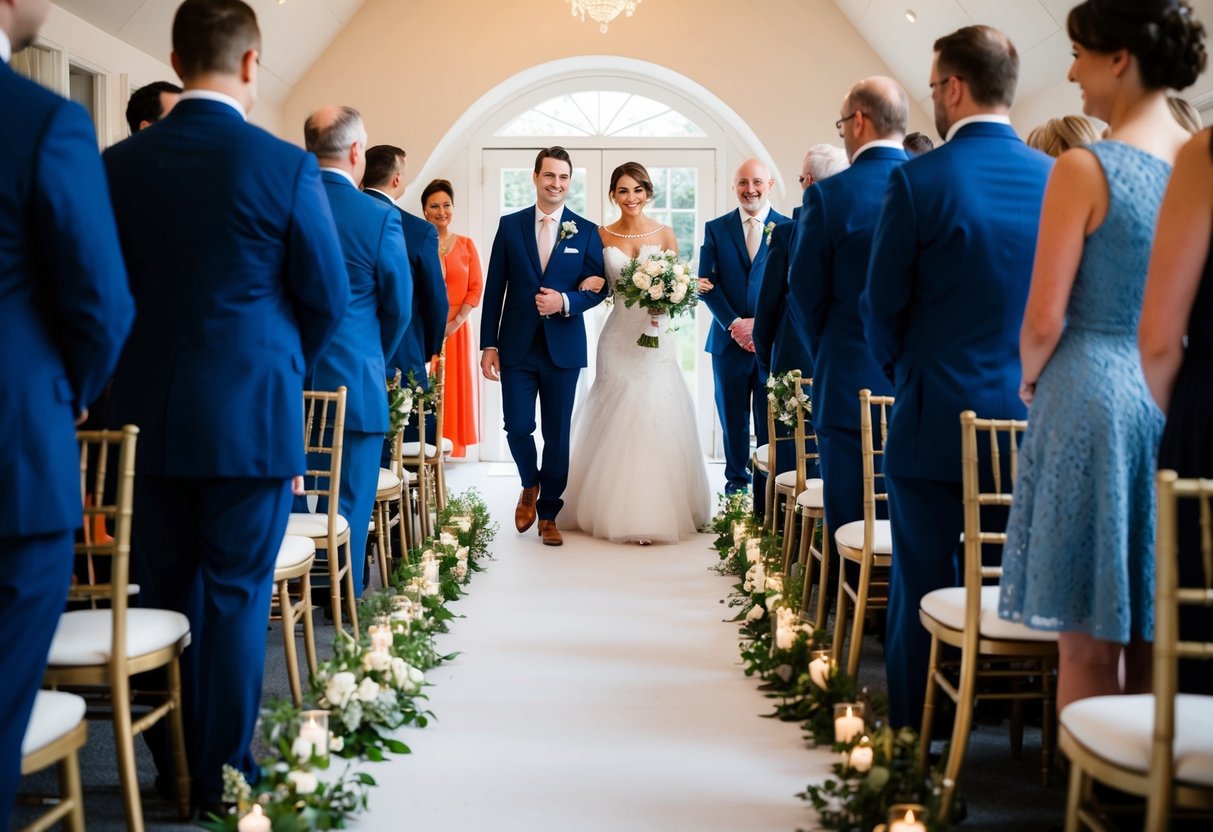
When planning a wedding, understanding who walks down the aisle and in what order is essential. Different cultures and religions have their unique traditions, ensuring that each ceremony reflects the couple’s beliefs and preferences. Here’s a look at the various processional orders specific to Christian, Jewish, Hindu, and nondenominational weddings.
Christian Wedding Processional Order
In a traditional Christian wedding ceremony, the groom typically walks down the aisle with both parents. Next, the wedding party follows, which usually includes bridesmaids and groomsmen. The maid of honor often walks alone shortly before the bride’s entrance.
The bride is commonly escorted by her father or a significant family member, signifying support and blessing. This processional creates an emotional and memorable moment that marks the start of her journey down the aisle. The Christian processional can also vary by denomination and location, leading to different orders and customs.
Jewish Wedding Processional
In a Jewish ceremony, the processional involves a few significant customs. Often, the groom arrives first, sometimes accompanied by both of his parents, before the bride makes her entrance.
A key feature is the chuppah, a canopy under which the couple stands during the ceremony. The bride and her parents then walk down the aisle together, symbolizing the family’s support. This order emphasizes family unity and blessings, while special songs or prayers may accompany the procession, celebrating joy and tradition.
Hindu Wedding Processional
The Hindu wedding processional is rich in cultural significance. It often begins with the baraat, where the groom arrives on a horse or other festive vehicle, celebrated by family and friends.
Once the groom reaches the venue, he waits under the mandap for the bride. The bride’s entrance follows, typically with both parents escorting her down the aisle. This moment highlights her family’s blessing. The colors, music, and rituals of the Hindu processional add vibrancy and emotional depth to the ceremony.
Nondenominational Wedding Processional Order
Nondenominational weddings offer flexibility in the processional order. You can choose any arrangements that reflect your style and values. Commonly, the groom walks down the aisle first with his parents or alone.
Next, the wedding party follows, which can include friends and family members in any order you prefer. The bride’s entrance is often still the highlight, where she might walk alone, with both parents, or with a close friend or family member. This freedom allows you to create a personal and meaningful experience for everyone involved.
Key Participants in the Wedding Procession
The wedding procession involves various important roles that contribute to the special moment as the bride makes her way down the aisle. Understanding these roles can help you picture the flow of the ceremony and how everyone fits in.
The Role of the Bridal Party
Your bridal party plays a significant role in the wedding procession. This group usually includes bridesmaids and the maid of honor. The bridesmaids walk down the aisle first, either one by one or in pairs. The maid of honor is typically the last attendant to walk before the bride.
In addition to the bridal party, groomsmen walk down the aisle too. They may enter before the bridesmaids or after, depending on the couple’s choice. The best man comes in last among the groomsmen, often standing beside the groom. The coordination of these participants enhances the wedding’s beauty, making it a memorable experience.
Family Members’ Involvement
Family members also take part in the wedding procession. Traditionally, the parents of the bride walk down the aisle towards the start of the ceremony. Often, the father of the bride escorts his daughter down the aisle, creating a heartfelt moment.
The groom’s parents may also have reserved seats along the front. Grandparents are often given special recognition, sometimes seated early in the ceremony. The officiant usually stands at the altar, waiting for the bride and her escort. These roles help honor family connections and set a warm tone for the celebration.
The Big Moment: The Bride’s Grand Entrance
The bride’s grand entrance is one of the most memorable moments in a wedding. The music starts, and all eyes turn to you, creating a moment filled with emotion.
Typically, you walk down the aisle with your father, symbolizing his support and blessing. This can be a touching moment for both of you.
Processional Music plays an important role in setting the mood. Choose a song that resonates with you and makes this moment feel even more special.
Popular choices include classical pieces or modern love songs.
As you move down the aisle, take your time to soak in the joy of the occasion. Your guests will be captivated by your beauty and the significance of the moment.
Don’t forget to smile and make eye contact with loved ones. Their expressions will make this grand entrance even more memorable for you.
Once you reach the altar, your father will take a step back, symbolizing a transition in your life. This moment marks the beginning of your new journey with your partner. Enjoy every second as you take this important step!