
Who Walks Down the Aisle with the Bride? Exploring Traditional Roles and Modern Choices
Your wedding ceremony is a special moment, and the way you walk down the aisle is full of meaning. Traditionally, the bride’s father has the honor of escorting her, symbolizing his role in her life and the transition to her new beginning. However, many couples are now choosing different options that reflect their unique relationships and personal stories.
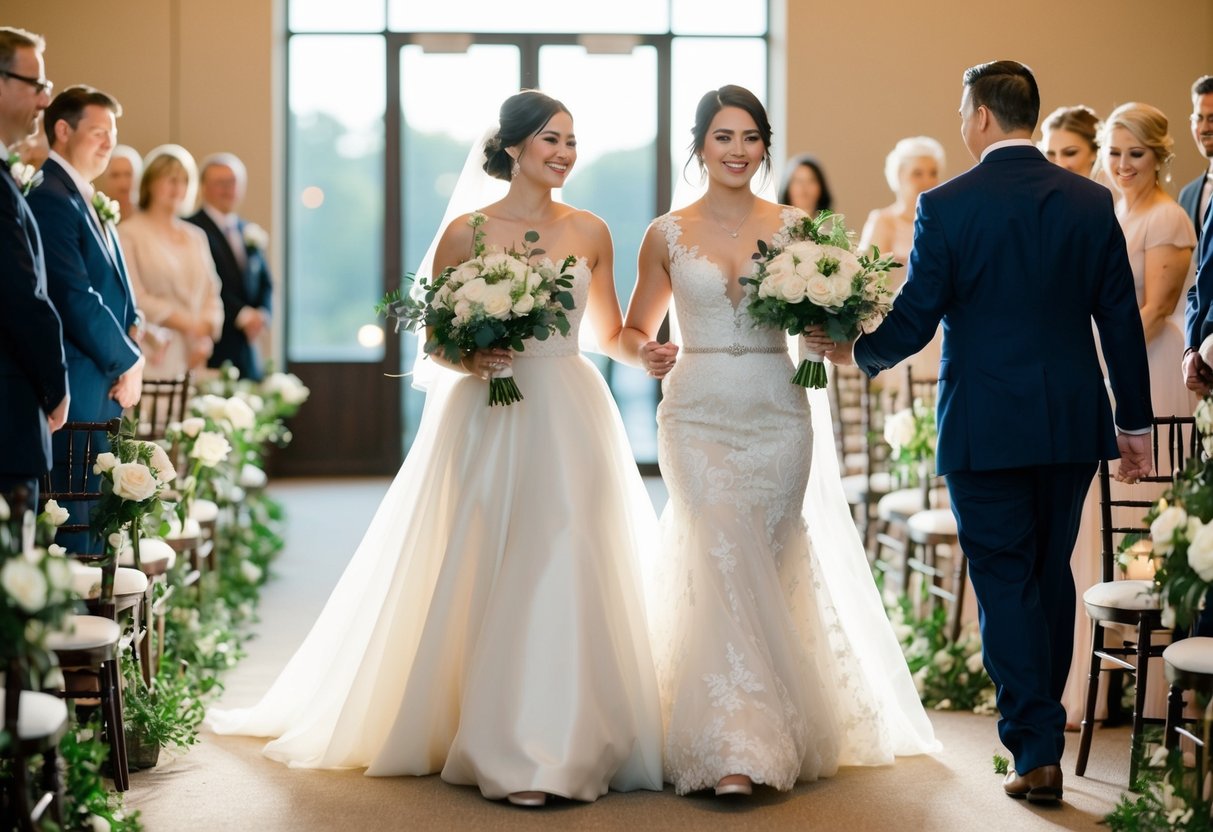
You might decide to include other family members or friends in this significant moment. Some brides walk down the aisle with both parents, while others may choose a sibling or a close friend.
This part of the wedding processional is a beautiful time to honor the connections that matter most to you.
As you plan your wedding ceremony, think about who you want by your side during this memorable walk. Engaging with your loved ones in this way can make your ceremony even more special. So, who do you envision walking down the aisle with you?
The Wedding Processional Order

When planning your wedding, the processional order sets the tone for the ceremony. It determines who walks down the aisle and in what sequence, creating a meaningful experience. Here are some key points about the roles of participants and cultural variations in the processional.
Role of the Bridal Party
In a typical wedding ceremony, the bridal party plays a significant role in the processional order. Usually, the wedding begins with the groom’s parents walking down the aisle, followed by the grandparents of both the bride and groom.
Next, the groomsmen take their place beside the groom.
Then, the bridesmaids walk in, often in pairs. Lastly, the bride makes her grand entrance, traditionally escorted by her father. This order helps build anticipation for your arrival. In some cases, the bridal party can include flower girls and ring bearers, adding extra charm to the procession.
Specifics of Cultural Traditions
Cultural traditions can heavily influence the wedding processional order. In a Christian wedding, the groom and his parents usually enter first. Following them, the bridal party walks in, and the bride comes last.
In a Jewish wedding, the processional might include both sets of parents walking down together, followed by the bride and her parents.
In Hindu weddings, the groom often enters with a joyful procession, while the bride’s entrance varies by region. Understanding these customs can help you incorporate elements that resonate with your beliefs and family heritage.
Modern Variations and Personal Preferences
Today, many couples choose to personalize their processional order to reflect their unique styles. Some may opt for a non-traditional order, such as having both partners enter together, or mixing up the entrance of bridesmaids and groomsmen.
Another modern twist is including children, like flower girls or ring bearers, in a way that feels right for you. Whether you go for a classic approach or a creative one, the most important thing is that your processional reflects your love story and sets the right mood for the celebration.
Roles and Responsibilities in the Wedding Party

The wedding party plays a vital role in making your big day special. Each member has specific duties that contribute to the flow of the ceremony and provide support. Understanding these roles ensures a smoother experience for everyone involved.
Escort Options for the Bride
Traditionally, the father of the bride escorts you down the aisle. This moment symbolizes giving you away to your partner. However, you have options. You might choose a sibling, close family member, or even a friend if your father is unavailable.
Some brides opt to walk alone, showcasing independence. Others might have both parents walk them down the aisle. Your choice should reflect your personal style and the significance of that moment for you.
Contributions of the Groomsmen and Bridesmaids
Groomsmen and bridesmaids help create a supportive atmosphere on your wedding day. They assist with tasks leading up to the event and help guests feel welcomed.
Bridesmaids often help with planning, such as organizing the bridal shower and bachelorette party. They also stand by your side during the ceremony. Groomsmen support the groom in similar ways, ensuring he’s calm and picture-ready.
In larger weddings, additional roles, like ring bearers and flower girls, add to the charm. These young members bring joy and a sense of innocence to the ceremony.
Duties of the Best Man and Maid of Honor
The best man and maid of honor hold crucial positions in your wedding. The maid of honor is typically your closest friend. She helps with wedding planning, dress fittings, and organization on the day.
On the day of the wedding, she can assist you with your dress and ensure you’re stress-free. The best man, usually the groom’s closest friend, has similar responsibilities. He gives a speech at the reception and keeps the rings safe until the ceremony.
Together, they help coordinate with the wedding party, making sure everything runs smoothly. Their support is essential, allowing you to focus on your moment.
Cultural and Religious Influences
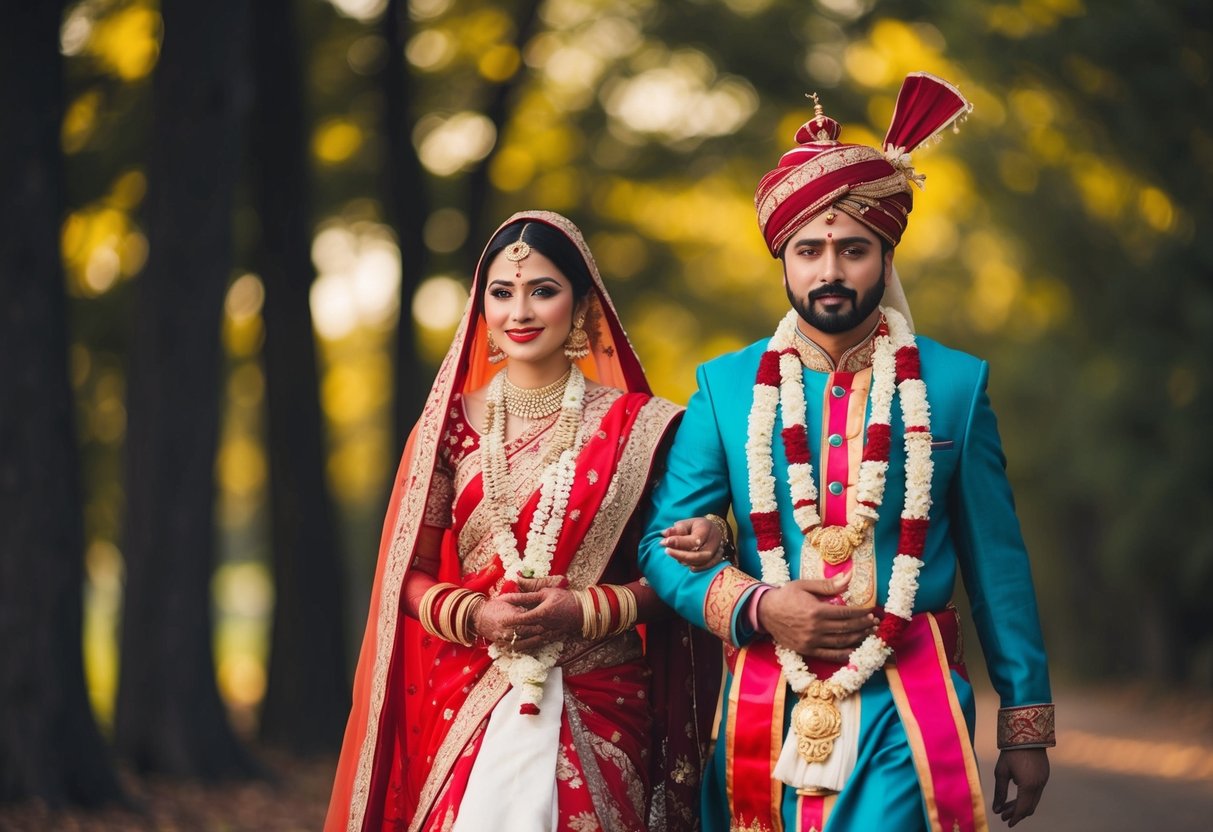
When planning a wedding, cultural and religious customs play a big role in how you approach the processional. Various traditions shape who walks down the aisle and their significance during the ceremony. Here’s a closer look at some key wedding customs.
Jewish Wedding Customs
In a Jewish wedding, the processional includes important figures. Traditionally, the bride walks down the aisle with her father. They approach the chuppah, a canopy symbolizing their new home together. The groom usually waits underneath the chuppah, welcoming his bride.
Before the ceremony, a festive procession called the bedecken may happen. In this, the groom sees the bride’s face for the first time before the wedding. This moment is filled with emotion and sets the tone for the ceremony.
Hindu Wedding Rituals
Hindu weddings are vibrant and filled with rituals. During the baraat, the groom arrives with a lively procession that includes family and friends. He typically rides a horse or sits in a decorated vehicle.
The bride, dressed in traditional attire, often walks down the aisle later with her parents to the mandap. The mandap is a decorated structure that signifies the sacred space where the wedding takes place. This blending of families is crucial in Hindu traditions.
Christian Processional Traditions
In Christian weddings, the processional is quite structured. It usually starts with the officiant walking down the aisle, followed by bridesmaids and groomsmen. The bride is traditionally the last to enter.
She walks down the aisle, often with her father, symbolizing a transition from her family to her new life with her spouse. This moment is frequently set to music, creating a beautiful atmosphere for her arrival.
Nondenominational Ceremony Practices
Nondenominational ceremonies blend different traditions and may have unique elements. Couples often craft their processional based on personal preferences.
In these ceremonies, you might see the bride walking with a parent, close friend, or even both. The focus is on what feels right for you. This flexibility allows for creativity and personalization in how you choose to incorporate loved ones in your ceremony.
Individual and Family Considerations
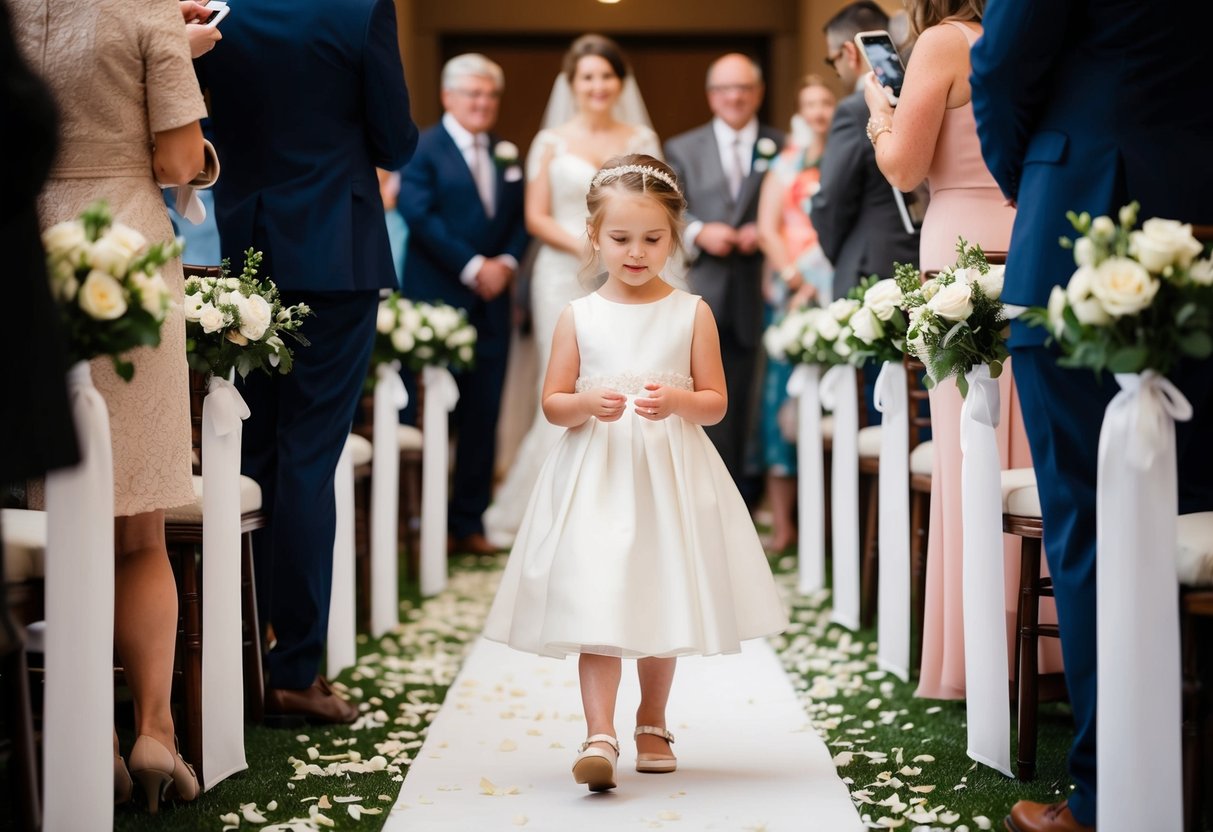
When planning your wedding, deciding who walks you down the aisle is an important choice. You may want to reflect on family dynamics, personal preferences, and traditions that matter to you.
Solo Walks and Alternative Companions
Walking down the aisle solo can be a powerful statement of independence. Many brides choose to make this moment their own, symbolizing self-reliance and strength.
Alternatively, you might consider inviting someone special to join you. This could be a close friend, a sibling, or even a grandparent. Their presence can add a personal touch. It’s all about what feels right for you on your special day.
Deciding Who Walks the Bride
Choosing who will accompany you down the aisle often involves family discussions. The traditional role typically belongs to the father of the bride, but it’s perfectly acceptable to make adjustments.
Some brides prefer to have both parents walk them, representing support from both sides. If you’re in an arranged marriage, consider what will honor both families in this new union.
Communicating openly with family members can help you make this decision more comfortable and meaningful.
Navigating Family Dynamics
This decision can be affected by family dynamics. If parents are divorced or if there are complicated relationships, finding a compromise is key.
You might lean on trusted friends to help navigate these situations. Including a parent or grandparent may strengthen family ties during the ceremony.
Ultimately, choose someone who makes you feel supported and loved. Whether that’s a parent, a family member, or walking solo, it should reflect your feelings and relationships.