
Who Walks Down with the Father of the Groom? Understanding Traditional Wedding Roles
Weddings are full of special moments and traditions, and one question that often comes up is who walks down with the father of the groom. Traditionally, the father’s main role is to walk the groom’s mother down the aisle before the ceremony starts. This helps to honor both parents and sets the stage for the big day.
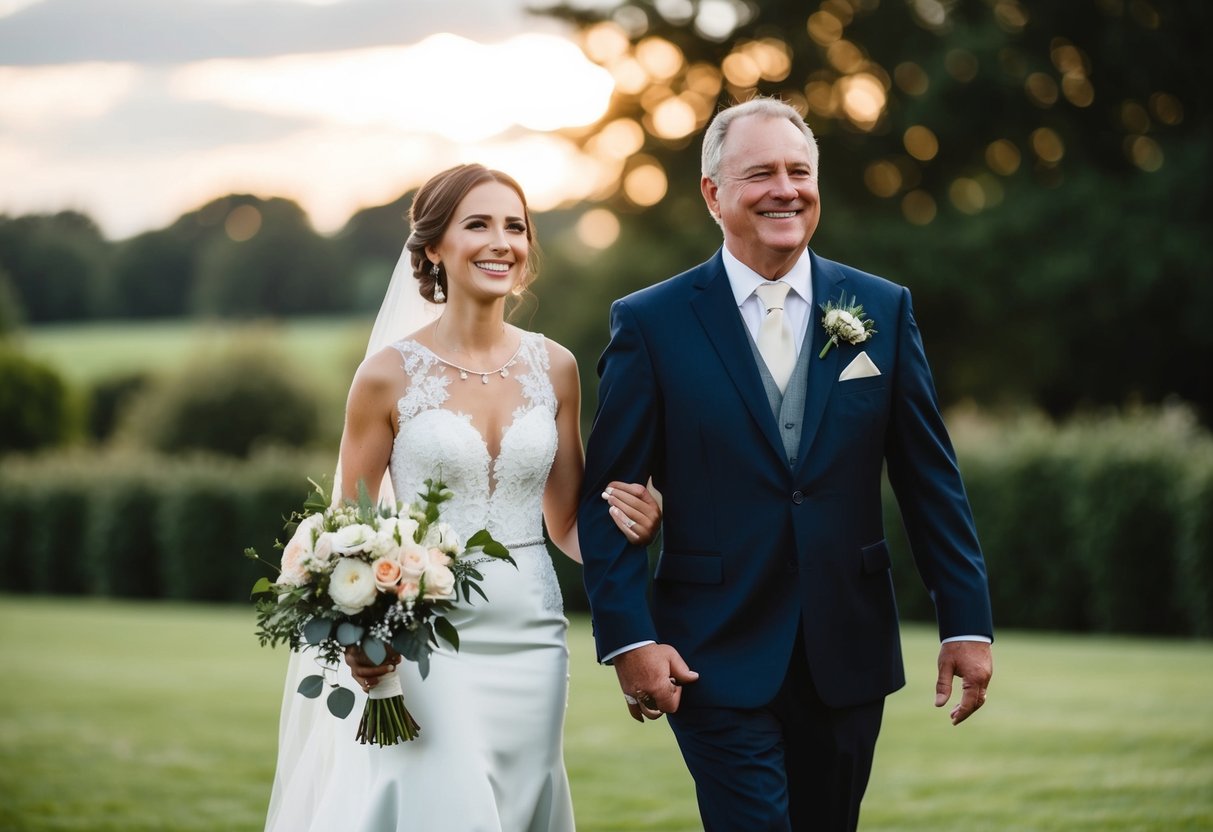
You might wonder what happens next. After the groom’s mother is seated, the father of the groom may take his place next to the groom, supporting him as he prepares for the ceremony. This moment is significant as it symbolizes the strong bond between the father and son as they both step into this new chapter of life.
As you plan your wedding, considering these traditions can make the ceremony even more special. Whether you choose to follow the traditional path or create your own unique experience, understanding the role of the father of the groom can help you make meaningful choices for your big day.
Wedding Processional Basics
The wedding processional is a significant part of the ceremony, setting the tone for the event. You’ll want to understand the order of who walks down the aisle and the roles involved. Different traditions can also influence how this moment unfolds.
Understanding the Processional Order
The processional order is the sequence in which people walk down the aisle during the wedding ceremony. Generally, it begins with guests being seated, followed by the wedding party.
In a typical Christian wedding, the order is as follows:
- Officiant
- Groom
- Wedding party
- Bride
In a Jewish wedding, you might see the groom’s parents walking down before the groom. A Hindu wedding often includes the baraat, where the groom’s family joins him in a lively procession.
Traditional Wedding Roles
The father of the groom traditionally holds a key role during the wedding processional. He might walk down the aisle with the groom’s mother or escort another family member.
If the parents are divorced, the father may walk down with his new spouse.
Here’s a simple breakdown of roles:
- Father of the Groom: May walk with the groom’s mother or another family member.
- Groom’s Mother: Typically escorted first, setting the mood for the procession.
- Groom: Walks down the aisle to meet the bride, often accompanied by both parents.
Cultural Variations and Traditions
In Hindu weddings, the groom’s entrance is a highlight called the baraat, featuring music and dancing. In Jewish ceremonies, the bride often circles the groom before the vows.
Here are some common cultural elements:
- Christian Wedding: Emphasizes the bride’s walk down the aisle, often with her father.
- Jewish Wedding: Includes unique traditions like the breaking of the glass.
- Hindu Wedding: Celebrates with the baraat, showcasing family joy.
Roles of the Groom’s Family
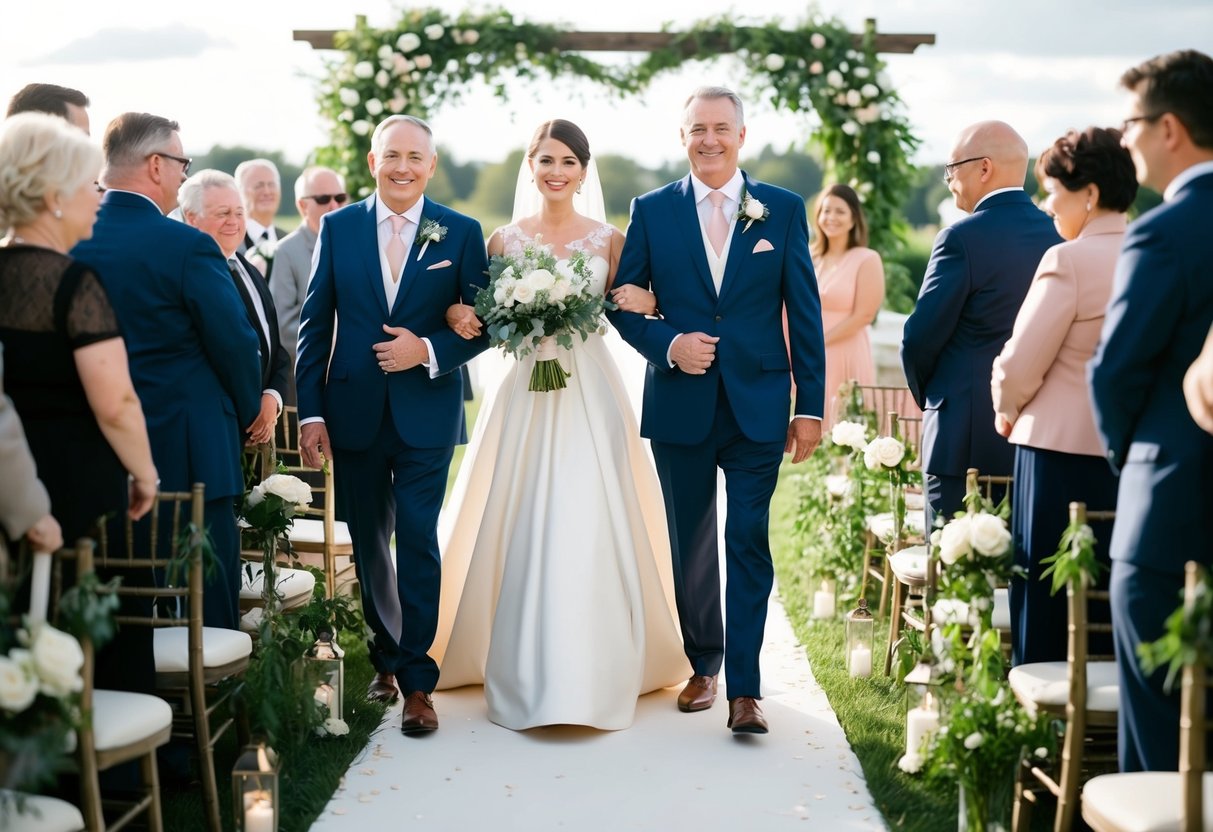
The groom’s family plays an essential part in the wedding process. Their participation not only supports the couple but also helps to uphold family traditions. Here’s a closer look at the specific roles of the groom’s parents.
The Father of the Groom’s Duties
As the father of the groom, you have a vital role to play. Traditionally, your responsibilities include helping plan the wedding and handling some financial aspects. This might involve contributing to the venue costs, coordinating with vendors, or assisting with guest lists.
On the day of the wedding, you often walk down the aisle with a family member. This symbolizes support for your son and the new couple. Your presence can also help preserve family traditions. Sharing personal stories about love and commitment can serve as inspiration for the couple and guests.
The Mother of the Groom’s Role
Your role as the mother of the groom is equally important. You can help make the day memorable by being involved in planning and offering emotional support. This might mean helping your son choose his attire or coordinating with the bride’s family.
During the ceremony, you may walk down the aisle with the groom’s father or independently. Typically, you have a designated seat at the front, showcasing your role in the family. Your support reinforces family bonds and tradition, making the day more special for everyone involved.
Key Ceremony Positions and Their Significance
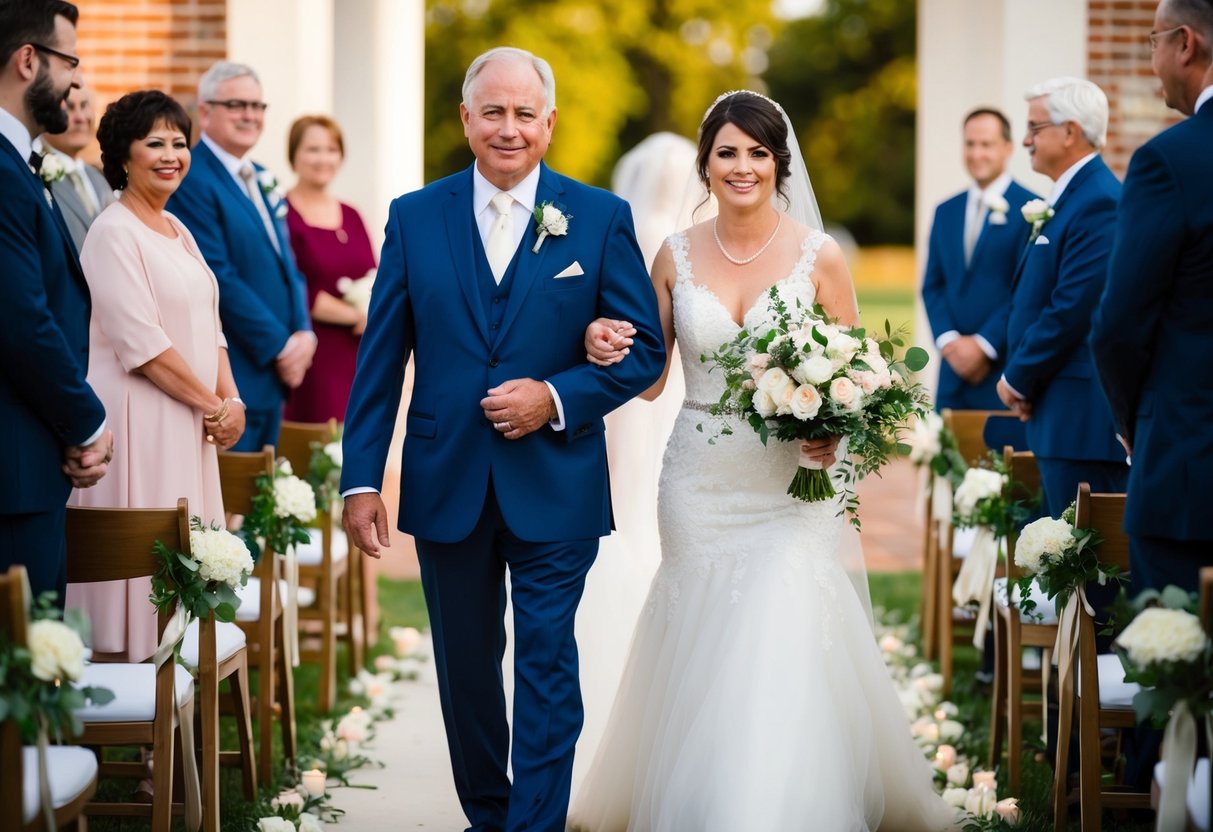
Understanding the roles of key individuals in a wedding ceremony can enhance the experience for everyone involved. Each position carries specific meanings and traditions that add to the celebration.
The Officiant and Wedding Party
The officiant is a central figure in the ceremony, guiding the couple through their vows. This person can be a religious leader, a judge, or a friend who is certified to perform weddings. Your officiant sets the tone for the ceremony and ensures everything flows smoothly.
The wedding party typically includes bridesmaids, groomsmen, a maid of honor, and a best man. The bridesmaids support the bride and help manage the event’s details. The groomsmen assist the groom and often help in planning pre-wedding activities. This group walks down the aisle in a specific order, usually alternating between genders, which adds a balanced and harmonious feel to the procession.
Parents’ and Grandparents’ Places
Your parents hold significant roles during the ceremony. The mother of the bride often walks down the aisle alone or with a family member, displaying her emotional support for her daughter. The father of the bride traditionally escorts his daughter, symbolizing giving her away.
The parents of the groom can also play key roles. Often, they walk together down the aisle and take their seats on the right side of the venue. Grandparents may sit in reserved seats near the front, highlighting their importance in your lives. This arrangement shows respect and honors family heritage.
Children in the Procession
Children often add joy and charm to the ceremony. The ring bearer typically carries the wedding rings, sometimes on a small pillow, symbolizing the couple’s commitment. Walking alongside them is usually the flower girl, who scatters petals along the aisle.
These roles involve young family members, enhancing the celebration’s innocence and joy. You may choose to have them walk separately or together, depending on your family’s preferences. Their participation makes the ceremony feel more personal and memorable for everyone involved.