
Who Walks First: Bridesmaids or Groomsmen in Wedding Ceremonies?
When planning a wedding ceremony, you might wonder about the order in which the wedding party walks down the aisle. Traditionally, the groomsmen walk in first, followed by the bridesmaids. This setup allows for a smooth and elegant entrance, setting the stage for the bride’s arrival.
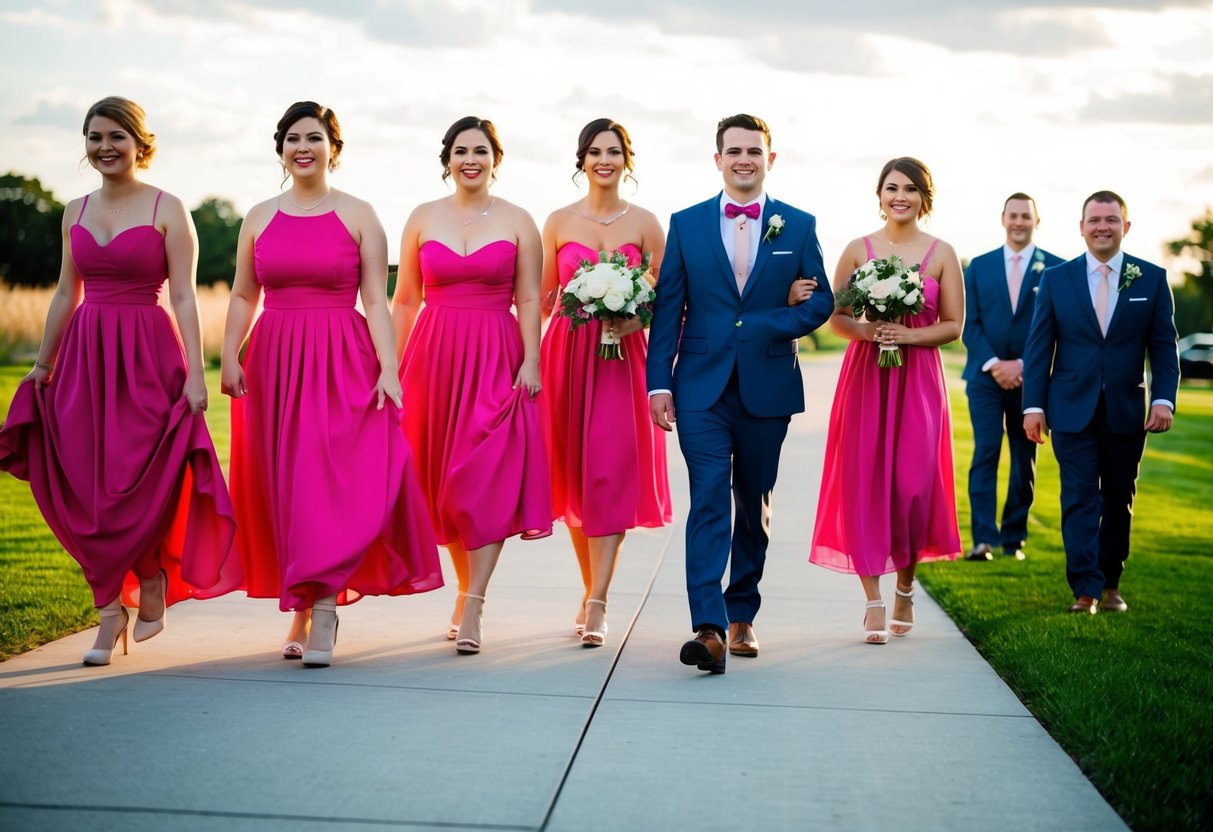
As you think about your own wedding processional, consider how this order can influence the overall feel of your ceremony.
Whether you choose to stick with tradition or opt for a more modern approach, the way you arrange your bridesmaids and groomsmen can create a memorable moment for you and your guests.
The Traditional Wedding Processional Order
The traditional wedding processional order is an important part of the ceremony. It sets up a beautiful moment as everyone walks down the aisle.
Usually, the processional starts with the officiant. Next, the parents of the bride walk in, often followed by the parents of the groom. After them, you’ll see the flower girl and ring bearer making their way down the aisle.
Then, it’s time for the bridesmaids and groomsmen. Traditionally, the bridesmaids walk first, followed by the groomsmen. You can choose to have them walk together if that suits your style better.
Next comes the maid of honor and then the best man. Finally, the moment everyone waits for arrives: the bride makes her entrance last.
This order creates a lovely flow to the ceremony, giving each person a moment in the spotlight. Many couples like to customize their processional too, so feel free to mix things up to fit your vision.
Roles and Responsibilities in the Processional
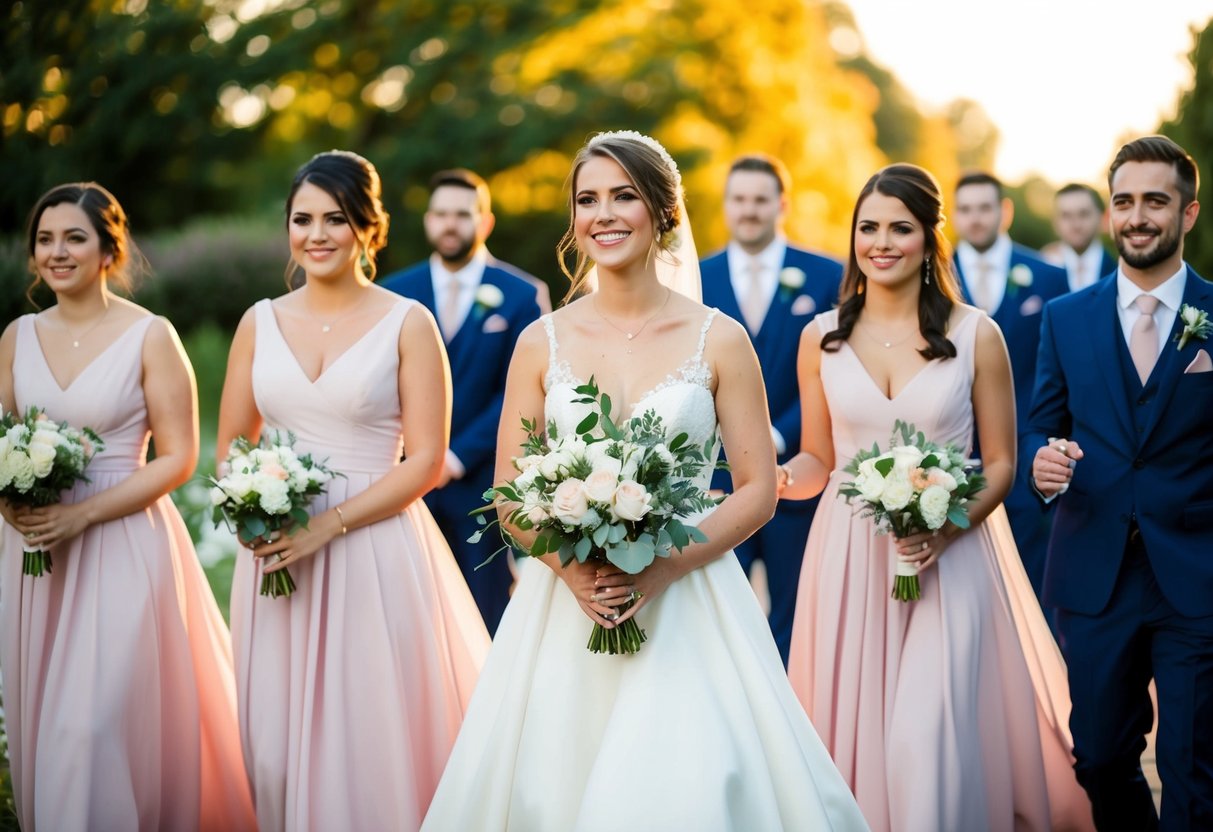
The processional sets the stage for your wedding ceremony. Understanding the specific roles of each member can help everything run smoothly and create a memorable experience.
Bridesmaids and Groomsmen
Bridesmaids and groomsmen play important roles as they come down the aisle. Typically, the bridesmaids walk in pairs with groomsmen. This pairing can create a nice visual balance.
In most weddings, the bridesmaids walk before the bride. This allows the guests to admire their dresses and adds excitement to the event. The groomsmen often follow or stand beside the groom at the front.
If your wedding has flower girls or ring bearers, they usually walk in front of the bridal party. While flower girls may scatter petals, ring bearers carry the rings, adding a special touch to the ceremony.
Special Roles
In addition to bridesmaids and groomsmen, there are special roles that hold significance. The mother of the bride and groom’s parents often walk in last, usually right before the bride enters. This order reflects their important support roles in your lives.
The escort can also be included in the processional. They accompany the bridesmaids or the parents to help guide them. This ensures everyone knows where to go as the music plays.
Including special roles like the flower girl or ring bearer highlights the family’s involvement and creates a warm atmosphere during the ceremony. Each role contributes to the emotional journey as you move toward saying “I do.”
Cultural Variations in Processional Order
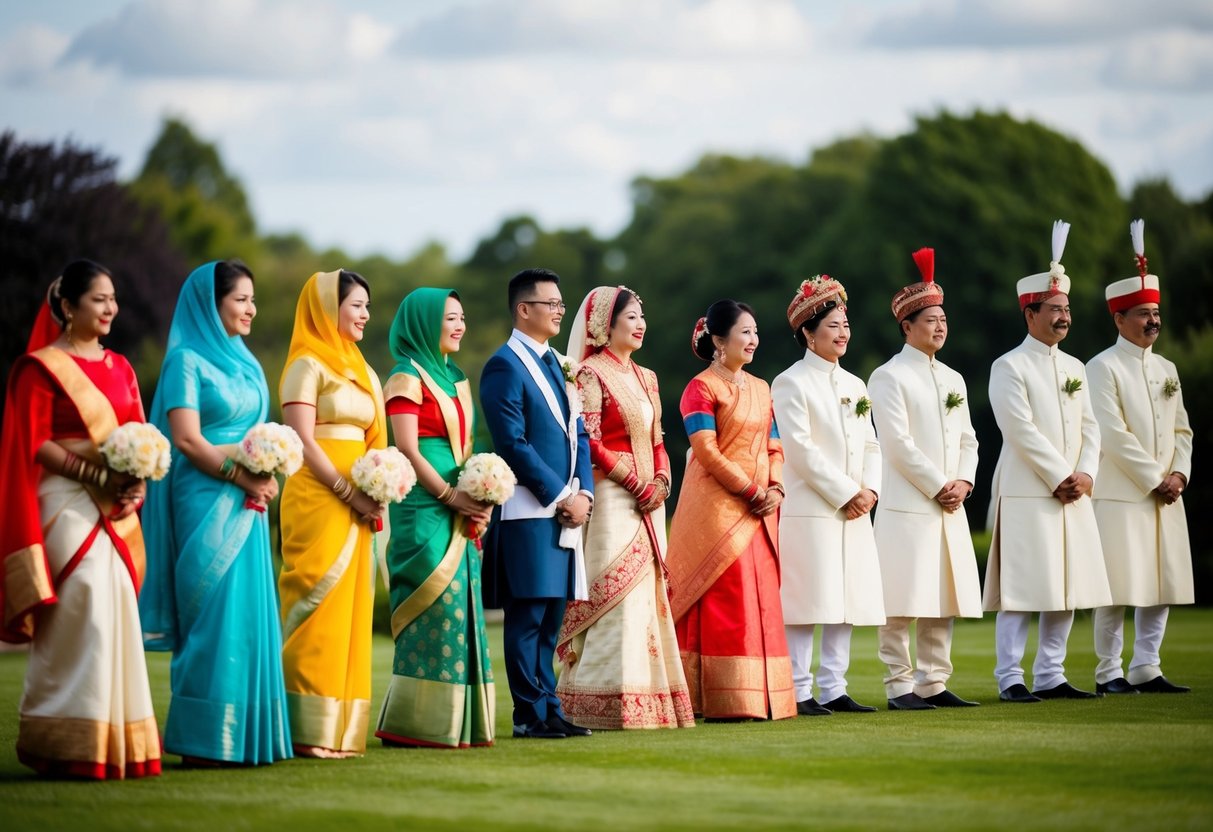
Different cultures have unique traditions that shape the order in which wedding participants walk down the aisle. Understanding these variations can help you plan a wedding that respects and celebrates your heritage.
Jewish Wedding Processional
In a Jewish wedding, the processional often starts with the groom’s parents walking down the aisle. This is followed by the groom, who may be accompanied by the rabbi or cantor. After the groom, the bridesmaids enter, often in pairs, while the bride’s parents come next.
The bride follows, typically walking alone or with both parents. The couple stands under the chuppah, a canopy representing their new home. This order highlights the importance of family and community in Jewish weddings.
Hindu Wedding Processional
In Hindu weddings, the processional is vibrant and festive. The groom arrives first, often on a baraat, which is a celebratory procession with music and dancing. Family and friends accompany him to the mandap, the wedding altar.
Next, the bridesmaids come down the aisle, leading the bride, who is usually accompanied by her parents. This emphasizes the joining of two families. The colorful attire and joyful atmosphere create a lively and engaging experience for everyone present.
Christian and Nondenominational Wedding Processionals
In Christian and nondenominational weddings, the processional order can vary. A common sequence is for the officiant to walk down first, followed by grandparents, parents, and then the wedding party.
The groomsmen usually walk in pairs, followed closely by the bridesmaids. The maid of honor is often the last of the wedding party, leading directly before the bride. This method creates a smooth transition as the bride makes her grand entrance, signifying the start of the ceremony.
Planning Your Ceremony’s Processional
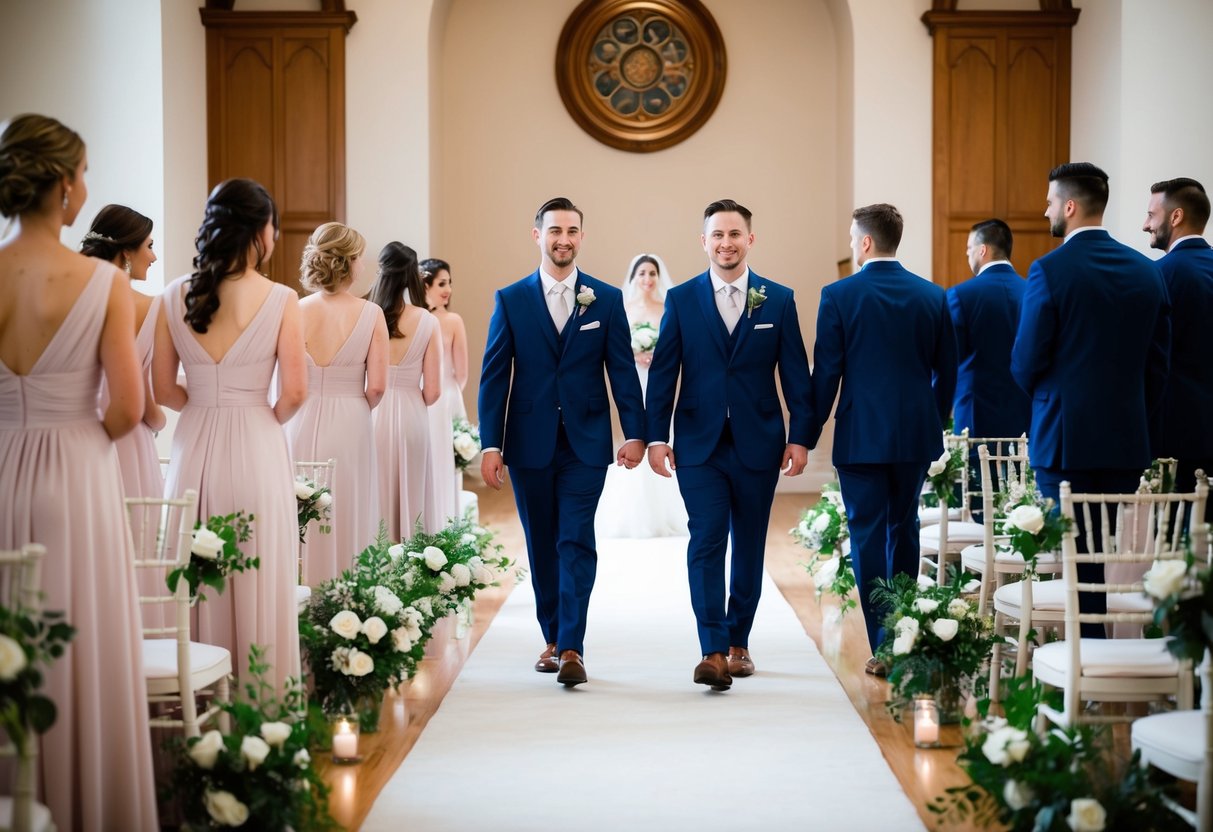
When planning your ceremony’s processional, think about the order of all participants.
The typical sequence starts with the groom’s parents, followed by the bride’s parents.
Next, the groomsmen usually walk in first, either alone or paired with bridesmaids. You can choose what feels best for you. Some couples prefer a traditional view with all groomsmen entering before the bridesmaids.
Common Processional Orders
- Groomsmen enter first.
- Bridesmaids follow and are often paired with the groomsmen.
- Flower girls and page boys come next, adding charm to the moment.
- Finally, the bride walks in. She typically walks with a parent or guardian.
Make sure to discuss this with your wedding planner. They can help you customize your processional order to match the style of your ceremony venue.
Don’t forget about the recessional! After the ceremony, the newlyweds usually exit first, followed by their wedding party. No matter your choice, personal touches will make it memorable.