
Who Walks First, Groom or Best Man? Exploring Wedding Procession Traditions
When planning a wedding, every detail counts, including the order of the processional. Typically, the groom walks down the aisle before the best man. This tradition helps set the stage for the ceremony and allows the groom to take his place at the altar first.
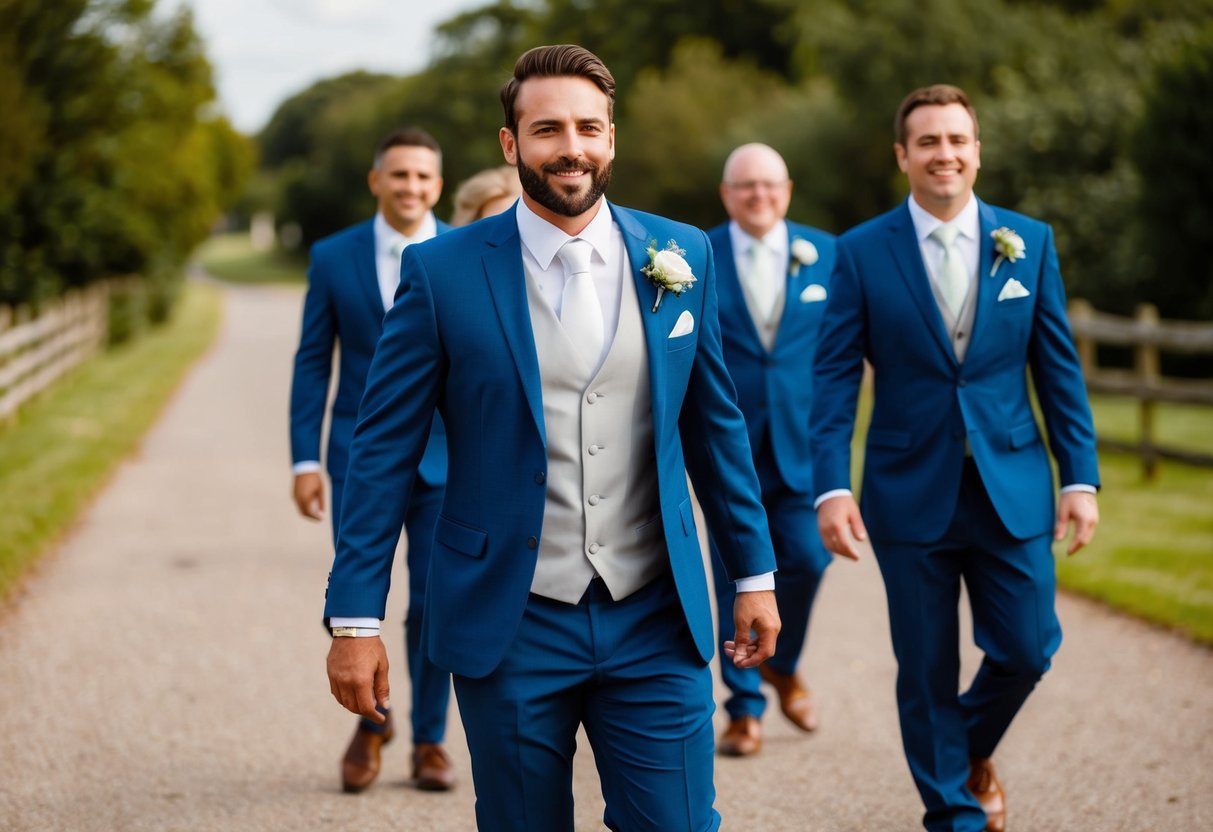
Understanding who walks when can help ease any confusion for you and your wedding party. Whether you are considering a traditional ceremony or looking to add your own twist, knowing these details ensures that everyone is on the same page.
As you prepare for this special day, knowing that the groom leads the way can help simplify the logistics. You can enjoy the excitement of the moment instead of worrying about the order of events.
Understanding the Wedding Processional
The wedding processional is a key part of your wedding ceremony. It sets the tone and welcomes everyone to witness the celebration. Knowing the roles of each participant and the order they enter helps things flow smoothly.
Roles and Responsibilities
In a wedding, each person in the processional has a special role. The groom stands at the altar, often with his best man by his side, ready to greet the bride. The best man supports the groom, holds the rings, and ensures everything is in place.
Next come the groomsmen and bridesmaids, who walk in pairs. They create a welcoming atmosphere as they approach the altar. The flower girl may sprinkle petals along the aisle, while the ring bearer carries the wedding rings.
The officiant usually walks down first, signaling the start of the ceremony. Knowing these roles makes it easy to understand each person’s part in this special moment.
Order of Entrance
The order of entrance can vary based on traditions. In a traditional wedding processional, the groom and best man enter first. Following them are the groomsmen and bridesmaids, typically walking in pairs.
Then, the bride’s mother often walks down next. In many ceremonies, the flower girl and ring bearer follow. The bride is usually the last to enter, often accompanied by her father.
For a Christian wedding, these steps are straightforward, while a Jewish wedding might include unique rituals. In Hindu and modern ceremonies, the order may adapt to fit cultural customs. Each tradition adds its own special touch to the celebration.
Key Participants in the Processional
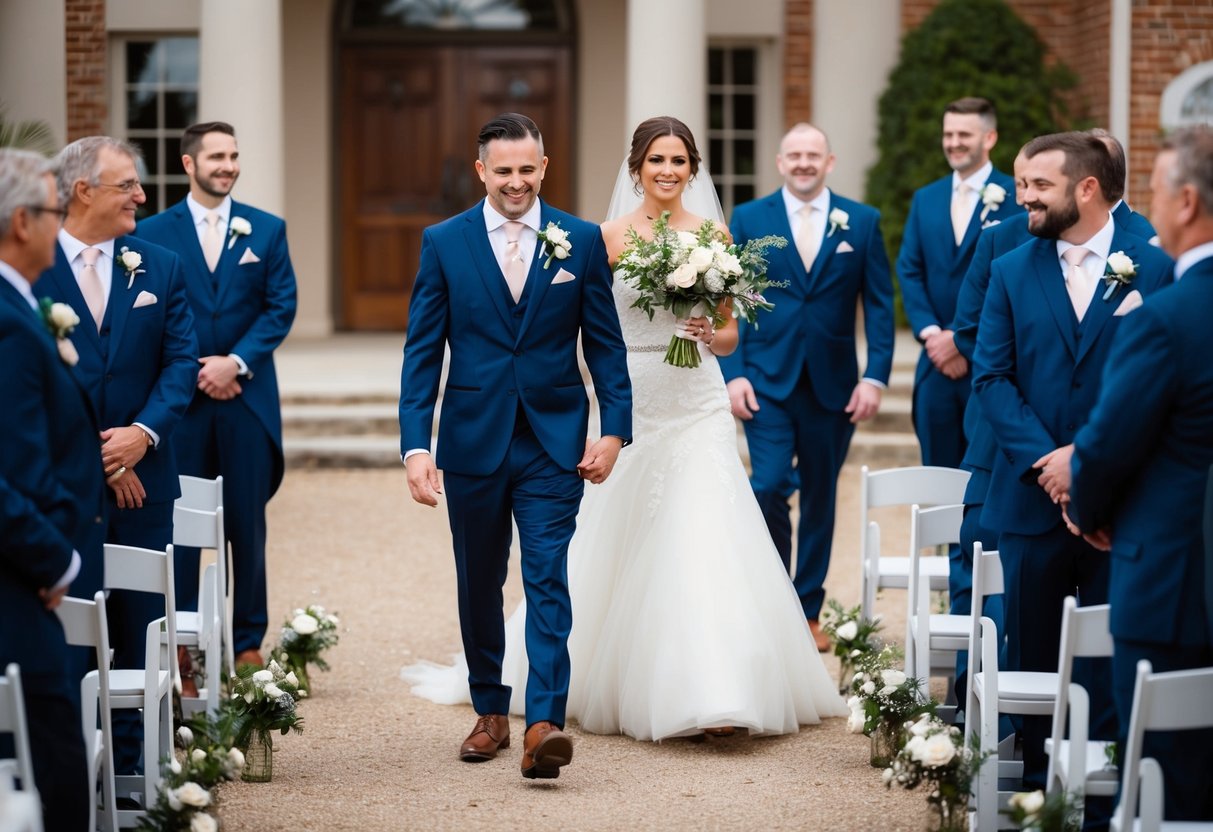
The processional is a vital part of the wedding ceremony, showcasing important family members and friends. Understanding who walks and their roles can help create a smooth and memorable experience.
Family Members
Family members play key roles in the wedding processional. Typically, the groom’s parents walk in first, followed by the bride’s family. The mother of the bride often gets special attention as she walks down the aisle, usually escorted by an usher. Following her, the father of the bride has the honor of escorting his daughter, the bride, to the altar.
Grandparents may also participate, often seated or escorted down the aisle. They hold a special place in the ceremony, symbolizing family unity and support. Overall, family members contribute to the emotional atmosphere of the day.
Wedding Party
The wedding party consists of close friends and family supporting the couple. The groom and best man usually enter first, with the best man either walking alongside the groom or right behind him.
Next come the groomsmen, walking in pairs or individually. They add excitement to the occasion as they take their places by the groom.
On the bride’s side, bridesmaids follow her entrance. The maid or matron of honor walks after the other bridesmaids, showcasing her special role by the bride’s side. Together, the wedding party helps set the tone for the ceremony.
Special Roles for Children
Children often play adorable roles in the processional, making it even more special. The flower girl typically leads the way, scattering petals to create a beautiful path for the bride.
Her counterpart, the ring bearer, usually follows, carrying the wedding rings in a small pillow or box.
These young participants add charm and innocence to the ceremony, captivating the guests. Sometimes, there may also be page boys who accompany the ring bearer and flower girl, enhancing the joyful atmosphere. These roles contribute to the ceremony’s happiness and significance.
Cultural and Religious Variations
Different cultures and religions have unique customs regarding wedding processions. These traditions can influence who walks first, such as the groom or the best man, adding special meaning to the ceremony. Here are a few significant practices across various cultures.
Christian Ceremony Traditions
In a typical Christian wedding ceremony, the groom usually walks down the aisle first. He is often accompanied by the best man. This signifies the groom’s readiness to marry. After the groom arrives at the altar, the bridal party begins their walk. The bridesmaids follow, usually in pairs, and the bride is the last to enter, often escorted by her father. This order highlights the role of the bride as the focal point of the ceremony.
Jewish Ceremony Traditions
For Jewish wedding ceremonies, the processional often starts with the groom and his parents walking toward the chuppah. The term “chuppah” refers to the canopy under which the couple stands during the ceremony. The bride’s entrance follows, sometimes with both of her parents. This order reflects the family’s support for the couple. In some modern ceremonies, the couple may choose to walk down together, symbolizing unity.
Hindu and Nondenominational Practices
In Hindu weddings, the processional can be quite elaborate. Usually, the groom arrives first, often on a decorated horse or in a grand vehicle. The best man follows, assisting the groom. After the groom is ready, the bride makes her entrance, often with her family. This showcases the importance of both families’ blessings. For nondenominational weddings, customs are often personalized. You may choose any order that feels right, allowing for flexibility in who walks first.
Coordinating Your Wedding Processional
When planning your wedding processional, it’s important to consider the order of entrance and the songs that will set the mood. This section covers key aspects of organizing your processional for a smooth and memorable experience.
Planning the Sequence
Start by deciding who walks down the aisle in what order. Typically, the groom and best man may wait at the altar while the bridal party processes in. You might choose to have groomsmen and bridesmaids walk in pairs. The maid of honor follows closely behind. Finally, the bride, accompanied by her father, makes her grand entrance. For alternative ceremonies such as a civil ceremony or a military wedding, you may modify this sequence to fit. Consider creating a list to keep track of everyone’s order to avoid confusion on the big day.
Song Selections and Ambiance
Choosing the right wedding processional song sets the tone for your ceremony. Many couples opt for classic orchestral pieces, while others prefer contemporary songs that resonate with them.
Think about what represents your relationship. Then, make sure to plan a prelude of songs for guests to enjoy as they arrive. This will help build anticipation.
After the ceremony, consider a lively recessional song to celebrate your new beginning. Discuss your selections with your wedding officiant to ensure everything flows seamlessly.
Personal touches in music can create a warm ambiance that makes your day special.