
Who Walks First in a Wedding? Understanding the Order of Bridal Processions
Planning a wedding can be exciting yet overwhelming, especially when it comes to the details of the ceremony. You might wonder who walks first in a wedding ceremony. Typically, the officiant is the first to walk down the aisle, followed by the wedding party and, ultimately, the bride. Knowing the order can help you visualize the day and ensure everything runs smoothly.
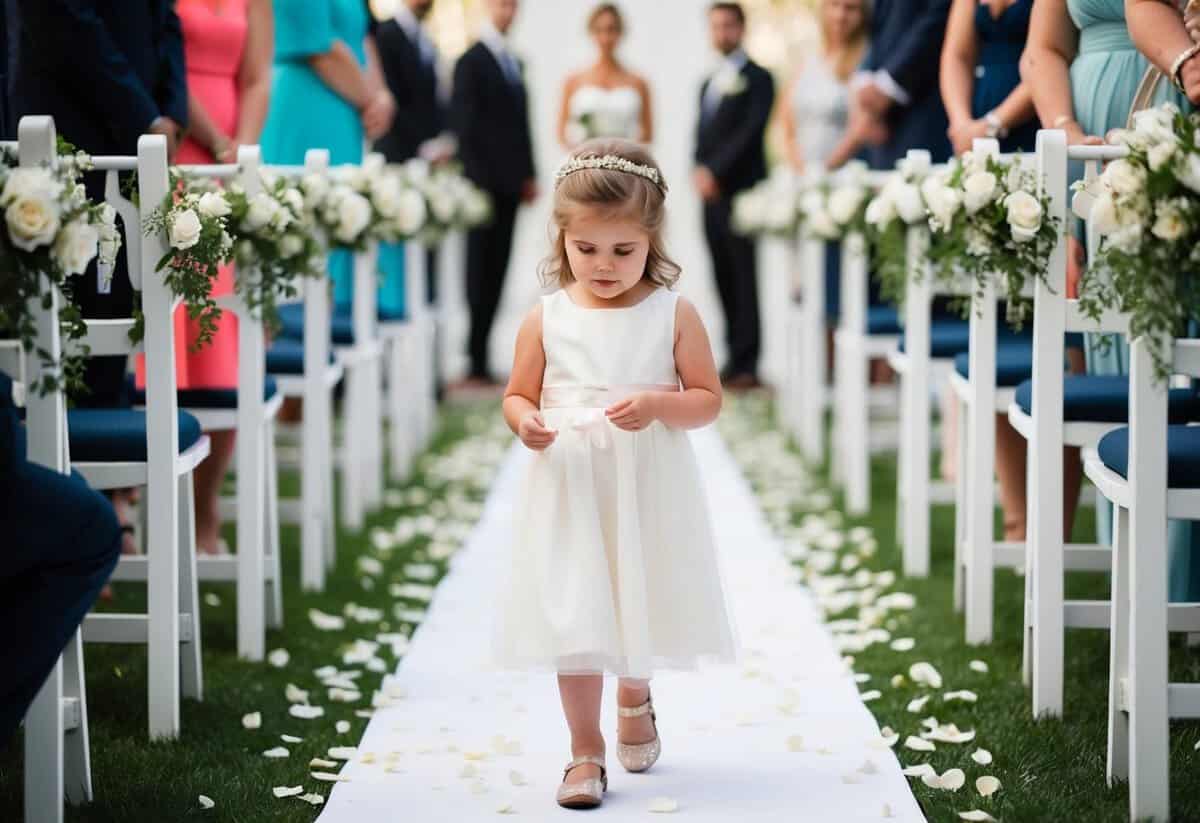
Understanding the processional order is key to a memorable wedding experience. It’s not just about logistics; it’s about setting the right mood for your big moment. Each participant plays a role that adds to the joy and significance of the occasion, making it all the more special for you and your guests.
Whether you’re organizing a traditional ceremony or planning something unique, knowing who walks in what order can greatly affect the flow of your wedding. By having a clear picture of the processional, you can focus on what truly matters: celebrating your love.
Understanding the Wedding Processional
The wedding processional is a significant part of your ceremony. It helps set the tone and highlights the special roles of each participant. Understanding the roles and traditional orders can make your wedding more personal and organized.
Roles and Responsibilities
In a wedding processional, each member of the wedding party has a unique role. The officiant typically walks down the aisle first, marking the start of the ceremony. Next, the groomsmen and bridesmaids enter together, creating a festive atmosphere.
The best man is responsible for holding the rings and supporting the groom. The maid of honor carries the bride’s train or bouquet. Flower girls often scatter petals, while the ring bearer carries the rings, adding charm to the moment. Finally, the bride makes her entrance, usually accompanied by a family member, bringing all eyes to her.
Traditional vs. Modern Perspectives
Traditionally, the order of entry follows specific rules based on cultural backgrounds. For example, in a Christian wedding processional, the bride is the last to walk down the aisle. In contrast, Jewish and Hindu ceremonies may include variations like different family member pairings or religious rituals that impact the order.
In modern weddings, couples often personalize the processional. This can mean changing who walks first or including unique elements that reflect personal values and beliefs. You might choose to involve friends or family in unexpected ways, making the ceremony feel special and true to your relationship. Understanding these perspectives can help you design a memorable processional that suits your style.
The Traditional Wedding Processional Order
Understanding the traditional wedding processional order helps make your ceremony smooth and memorable. Each wedding culture has unique elements and steps to follow, ensuring everyone knows their place as they walk down the aisle.
Christian Wedding Ceremony
In a traditional Christian wedding ceremony, the processional begins with the officiant. After that, the groom and groomsmen typically take their places at the altar. Next, the bridesmaids enter, often paired with the groomsmen.
Following them, the maid of honor walks down the aisle. The flower girl and ring bearer are usually next, bringing a touch of innocence and charm. Finally, the moment everyone waits for arrives: the mother of the bride walks in with her daughter. The father of the bride often escorts her down the aisle, completing this beautiful procession. This order sets the tone for a romantic and emotional ceremony.
Jewish Wedding Ceremony
In Jewish weddings, the processional can vary based on traditions. The ceremony usually begins with the parents of the groom walking down the aisle. They are followed by the parents of the bride.
As the officiant, often a rabbi, stands under the chuppah, the bridesmaids and groomsmen enter next. The bride’s entrance is notable. The father of the bride traditionally escorts her, symbolizing his blessing. Alternative customs might have her walk alone or with both parents. This procession reflects warmth and family unity, and it often signifies the merging of two families.
Hindu Wedding Ceremony
The Hindu wedding ceremony features a rich and colorful processional. It often starts with the baraat, a lively procession led by the groom and his family. They may dance and celebrate as they make their way to the mandap, where the ceremony takes place.
Once at the mandap, the bridal party follows, including bridesmaids and groomsmen. The parents of both the bride and groom play significant roles, typically walking behind the groom’s party, representing family connections. The bride is the highlight, entering next in a stunning outfit, often surrounded by her family. This entry symbolizes love, community, and tradition, establishing a vibrant atmosphere for the ceremony.
The Big Moment: Bride’s Entrance
The bride’s entrance is often considered the highlight of the wedding ceremony. This moment is filled with emotion and anticipation as everyone turns to see the bride walking down the aisle, creating a lasting impression.
Walking Down the Aisle
As you prepare for the big moment, you’ll likely want a special song for your prelude. This music sets the tone for your entrance. Typically, the father of the bride walks you down the aisle, symbolizing the support and blessing of your family.
Your bridal party plays an essential role, standing by your side and adding to the emotional atmosphere. The groom stands at the altar, eagerly waiting to see you. It’s important to practice your walk to feel comfortable. A slow, steady pace helps everyone take in the moment.
Family Traditions and Variations
Weddings often reflect personal or cultural traditions. Some families have specific rituals for the bride’s mother or groom’s mother walking down the aisle first, adding a unique touch to the ceremony.
In certain cultures, the bridal entrance might involve more elaborate customs, such as flower girls leading the way or a special blessing from parents before you walk.
Discuss your family’s traditions with your wedding planner to find the perfect way to honor them. These variations help make your wedding uniquely yours while celebrating your roots.
After the Processional: The Wedding Ceremony
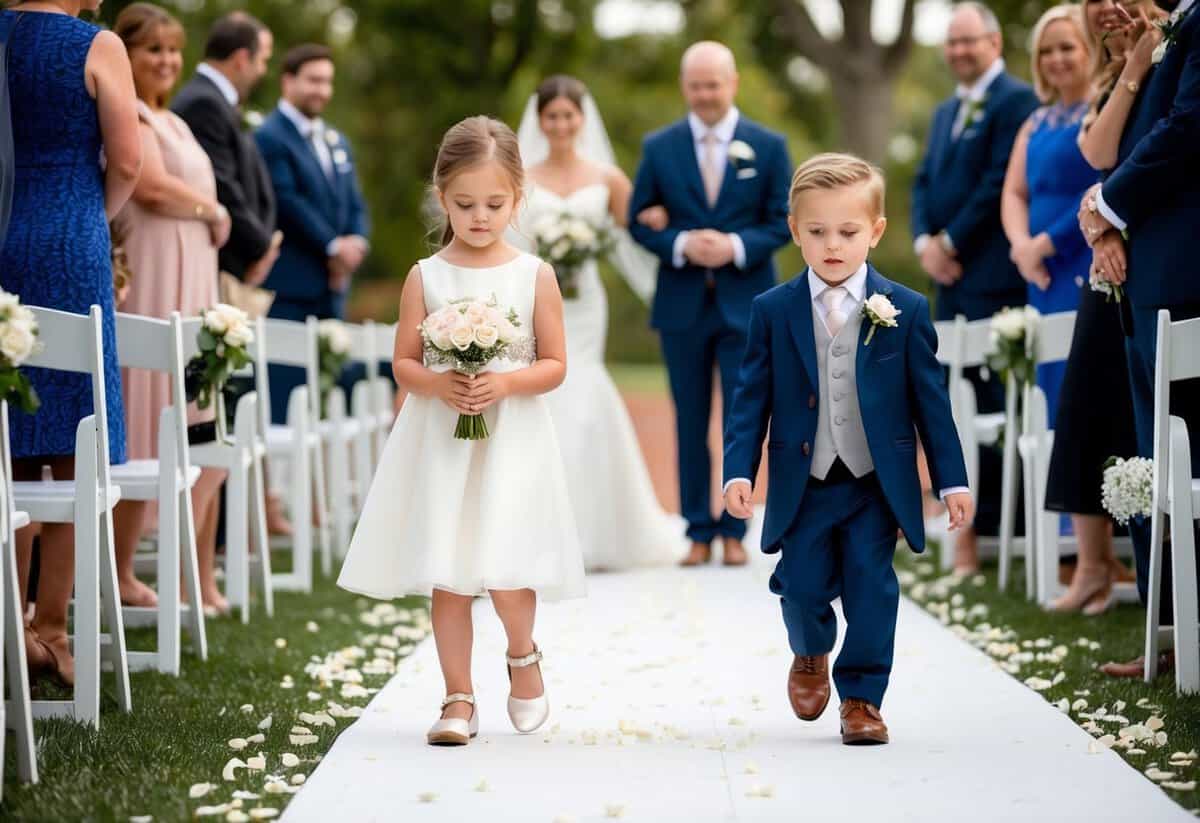
After the processional, the wedding ceremony begins with a series of meaningful events that create the heart of your special day. From the grand entrance of the bride and groom to the unique customs that may be part of the ceremony, each moment matters.
Order of Events
Typically, the ceremony starts with the officiant welcoming everyone. Next, the wedding party walks down the aisle. This usually includes ushers, flower girls, and ring bearers. The groomsmen and bridesmaids follow before the bride makes her grand entrance.
Once everyone is in place, you will exchange vows. This is often the most touching part of the day. After the vows, you exchange rings as a symbol of your commitment. Finally, the officiant will pronounce you married, leading to a joyous recessional, where you walk back down the aisle together, often followed by the wedding party.
Ceremony Customs Across Cultures
Weddings vary widely across cultures and can include many unique customs. In nondenominational ceremonies, a blend of traditions reflects personal beliefs and values.
For instance, some couples incorporate rituals like sand pouring or unity candles to symbolize their union. Other ceremonies may include a religious aspect. Different faiths might have specific practices, such as a ceremonial blessing or sharing of wine. Understanding these customs helps create a more personalized experience, making your wedding truly special for you and your guests.
Each detail adds meaning to the day and celebrates your love in a unique way.