
Who Walks First: Maid of Honor or Bridesmaids? Understanding Wedding Procession Etiquette
When planning your wedding ceremony, you may wonder about the order in which the wedding party walks down the aisle. Traditionally, the bridesmaids walk down first, followed by the maid of honor just before the bride. This order highlights the special role of the maid of honor in your big day.
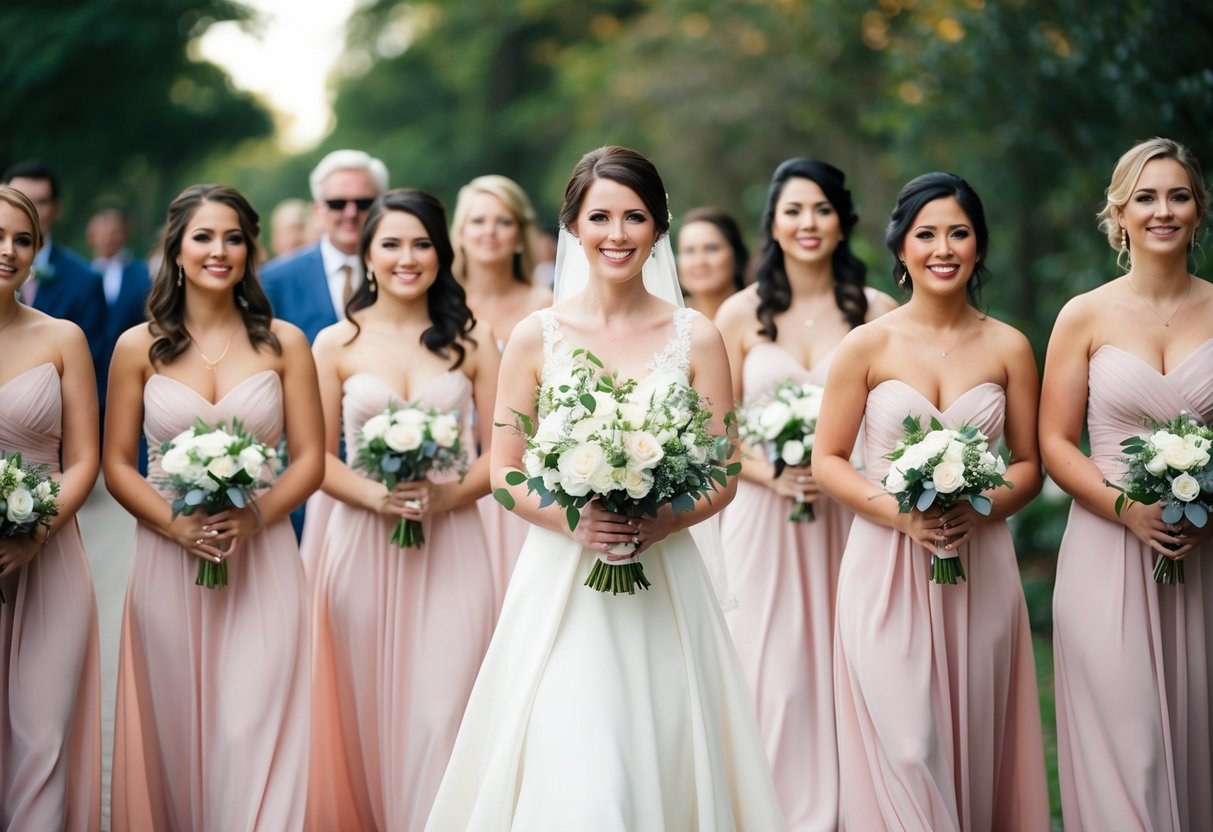
Understanding this processional order can help you create a smooth and memorable ceremony. Each participant has a unique part that adds to the joy and significance of the moment. You’ll want everything to flow perfectly as you take this important step.
As you prepare for your wedding, knowing who walks when can help you feel more at ease. The details matter, and this simple aspect can make a big difference in how your ceremony unfolds.
Understanding the Wedding Processional
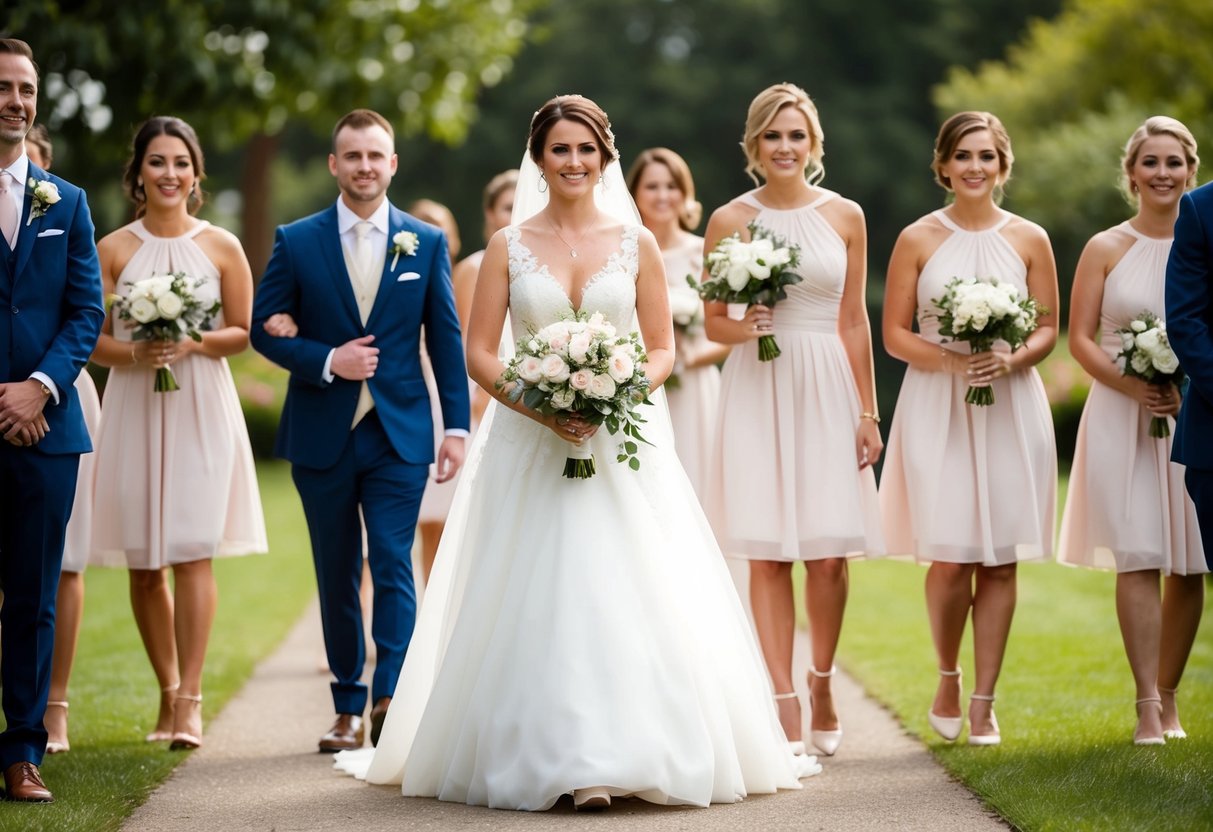
The wedding processional is an important part of the ceremony. It sets the tone as everyone walks down the aisle.
Who walks first? Typically, the bridesmaids walk before the maid of honor. They enter in pairs, often with groomsmen. This order can create a lovely flow as you see your loved ones take their places.
After all the bridesmaids have entered, the maid of honor follows. She is usually the last member of the wedding party to walk down the aisle. The timing is special as it builds anticipation for the bride’s entrance.
Next, the flower girl and ring bearer come down the aisle. These young participants add a fun touch to the ceremony. Finally, the bride makes her grand entrance with her parents. The father usually walks on her left, while the mother may walk on her right.
Different cultures have unique variations in the processional order. For example, some traditions might have the groom enter first or have other family members walk ahead.
Understanding these traditions can help you choose what fits your style. You might mix traditional elements with personal touches to make the day memorable. Enjoy this special moment, and remember that it’s all about celebrating love.
Roles and Order of the Bridal Party

When planning your wedding, understanding the roles and order of the bridal party is essential. This helps create a smooth processional and ensures everyone knows when it’s their turn. Let’s look closely at the maid of honor‘s duties and how the bridesmaids and groomsmen should be sequenced during this special moment.
The Role of the Maid of Honor
The maid of honor plays a pivotal role in your wedding. She is often your closest friend or relative and supports you throughout the planning process. This role comes with responsibilities, such as organizing events like the bridal shower and bachelorette party.
During the ceremony, the maid of honor walks down the aisle after the bridesmaids. She typically stands on the bride’s left side at the altar. This placement signifies her special bond with you. It is also common for the maid of honor to hold your bouquet while you exchange vows. Her presence is meant to provide comfort and support as you embark on this new journey.
Sequencing the Bridesmaids and Groomsmen
The order in which the bridal party walks down the aisle sets the tone for the ceremony. Traditionally, the bridesmaids enter first. They may walk in pairs or individually, depending on your preference. If they walk in pairs, the bridesmaids take the left side, while groomsmen stand on the right.
After the bridesmaids, the maid of honor follows. The best man brings up the rear. You’ll want to coordinate with your bridal party to ensure everyone knows their placement.
When it’s time for the flower girl and ring bearer, they usually walk just before you enter. This sequence creates a lovely visual effect and adds to the joy of the moment.
Traditional Versus Contemporary Wedding Ceremonies
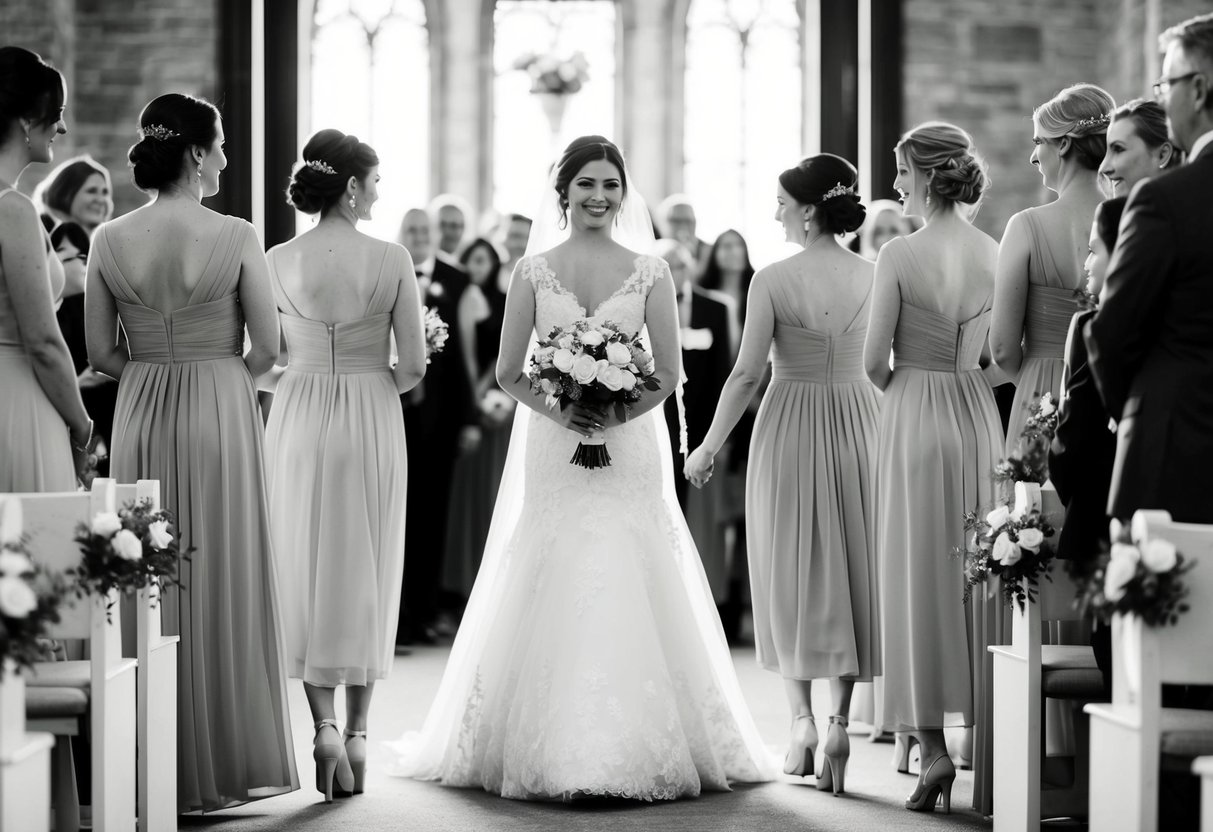
Wedding processions can vary greatly between traditional and contemporary ceremonies. Understanding these differences helps you decide what suits your personal style and the significance of the day.
Cultural Nuances in Processionals
Different cultures have their own unique customs for wedding processions. In a Christian wedding, for example, the order typically has bridesmaids walking before the maid of honor. This highlights the bride’s entrance, making it a memorable moment.
For a Jewish wedding, the procession order might include the parents of the couple walking down the aisle first, symbolizing familial support. In a Hindu wedding, the bride often arrives in a grand way, usually alongside her parents.
Each culture brings rich traditions to the processional. Consider these elements when planning your ceremony to ensure it reflects your beliefs and background.
Tailoring the Procession to Your Ceremony
Your wedding ceremony can be completely customized based on your preferences. Some couples opt for a nondenominational wedding, which allows more flexibility in choosing who walks where. You can even mix elements from different traditions to create a ceremony that reflects both families.
In terms of Catholic wedding processional order, you’ll usually see the groomsmen, followed by the bridesmaids, and then the maid of honor. This structure has been the norm for ages but can be adjusted according to your wishes.
Make sure to think about how each aspect of the processional makes you feel. The right order can enhance the ceremony, making it both personal and memorable.
Key Elements of the Ceremony
In a wedding ceremony, various elements hold special significance. Understanding these key items can enhance your experience as you participate in this momentous occasion.
Symbolism of Ceremony Items
Each item in the ceremony carries its own meaning. For example, the veil often represents modesty and purity. The bouquet symbolizes love and beauty, and it is customary for the bride to carry it down the aisle.
The wedding rings signify commitment. During the exchange of rings, couples express their love and vows to each other. Additionally, the chuppah or wedding canopy stands for the home the couple will build together. These items add layers of tradition and emotion to your special day.
Significant Ceremony Moments
Certain moments are particularly meaningful throughout the ceremony. For instance, the groom’s entrance may set the tone for the rest of the event. You will see the flower petals beautifully laid out, adding a special touch.
The bride walking down the aisle follows the groom’s entrance.
The moment of the exchange of rings is when promises are visually represented. If you’re part of a traditional Christian ceremony, this moment is filled with grace and warmth. In a Hindu celebration, the baraat signifies the groom’s arrival, accompanied by joyful dance and music. Each of these moments contributes to the celebration of love and partnership.