
Who Walks in Front of the Bride? A Guide to Wedding Processional Traditions
When planning your wedding, one important detail to consider is the order of the processional. Traditionally, bridesmaids walk in before the bride, setting the stage for her grand entrance. This moment is all about creating excitement and anticipation for you and your guests.
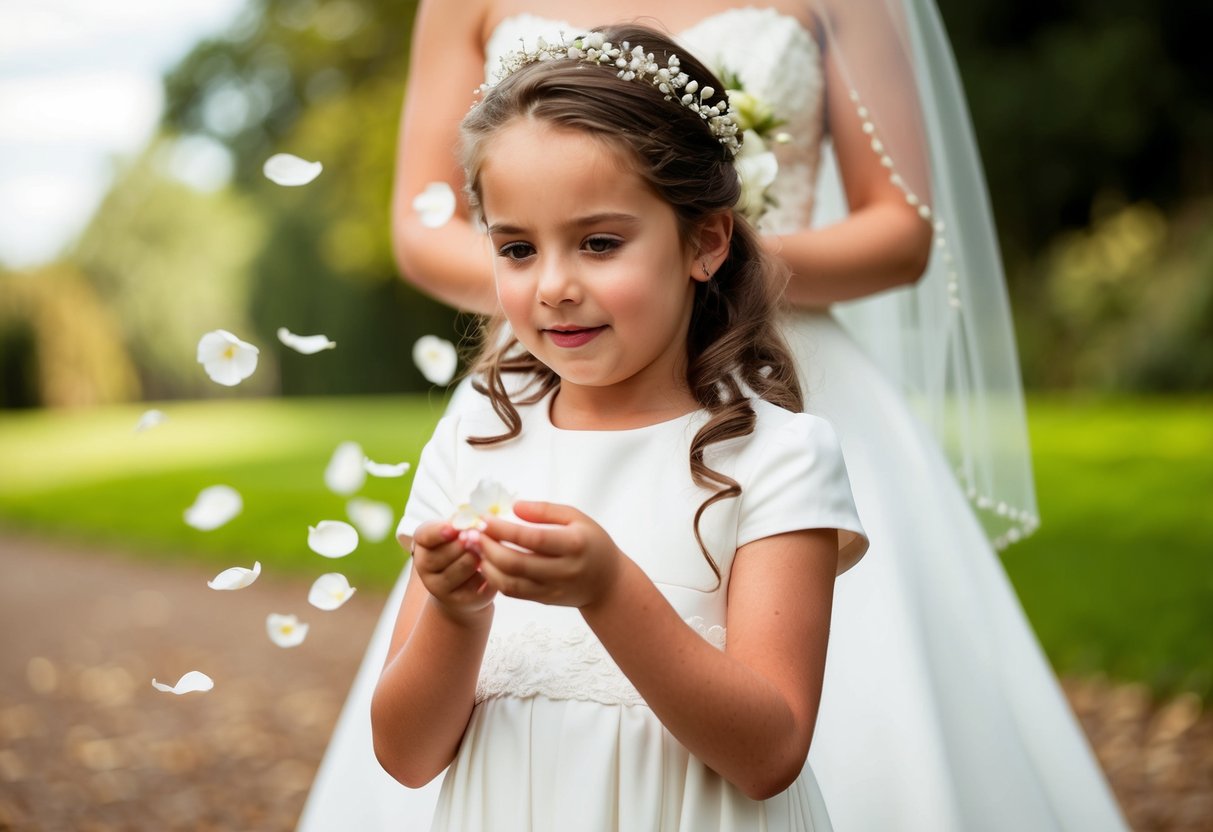
The wedding processional can vary based on personal preferences or cultural traditions, but understanding the common practices helps you make informed choices.
You may choose to have your bridesmaids walk in a line, allowing each one to share a moment in the spotlight before you make your entrance.
Whether you decide to stick to tradition or put your own spin on the processional, knowing who walks in front of you can make your ceremony flow smoothly. From family members to friends, everyone plays a role in this special moment, making it memorable for you and your loved ones.
The Traditional Role of Participants in a Wedding Processional
In a wedding processional, each participant has a specific role, following a traditional order that adds meaning and structure to the ceremony. Knowing who walks where helps create a memorable atmosphere for you and your guests.
Identifying the Key Members
The wedding processional typically includes several key participants. Each has an important role:
- Officiant: This person leads the ceremony. They are the first to walk down the aisle.
- Parents of the Bride: Usually, they follow the officiant, taking their seats.
- Parents of the Groom: They often walk in after the bride’s parents.
- Bridesmaids: Your closest friends will follow, usually in pairs.
- Groomsmen: They walk alongside the bridesmaids, providing support.
- Maid of Honor: She walks right before you.
- Best Man: He walks in just before the bride.
- Flower Girl: This young participant often walks just ahead of you, spreading flower petals.
- Ring Bearer: He carries the rings, walking right before you take your final steps.
Understanding the Processional Order
Understanding the traditional order of participants helps the ceremony flow smoothly. Here’s a typical sequence:
- Officiant
- Parents of the Bride
- Parents of the Groom
- Groomsmen and Bridesmaids
- Maid of Honor
- Best Man
- Flower Girl
- Ring Bearer
- Bride
This order builds anticipation as you prepare for your big moment. Often, the processional lasts around 3-5 minutes, depending on the number of participants. Be sure to discuss any personal touches you want to add, as modern trends allow for variations.
Following this traditional order can help set the tone for a beautiful and organized ceremony.
Cultural Variations in Wedding Processionals
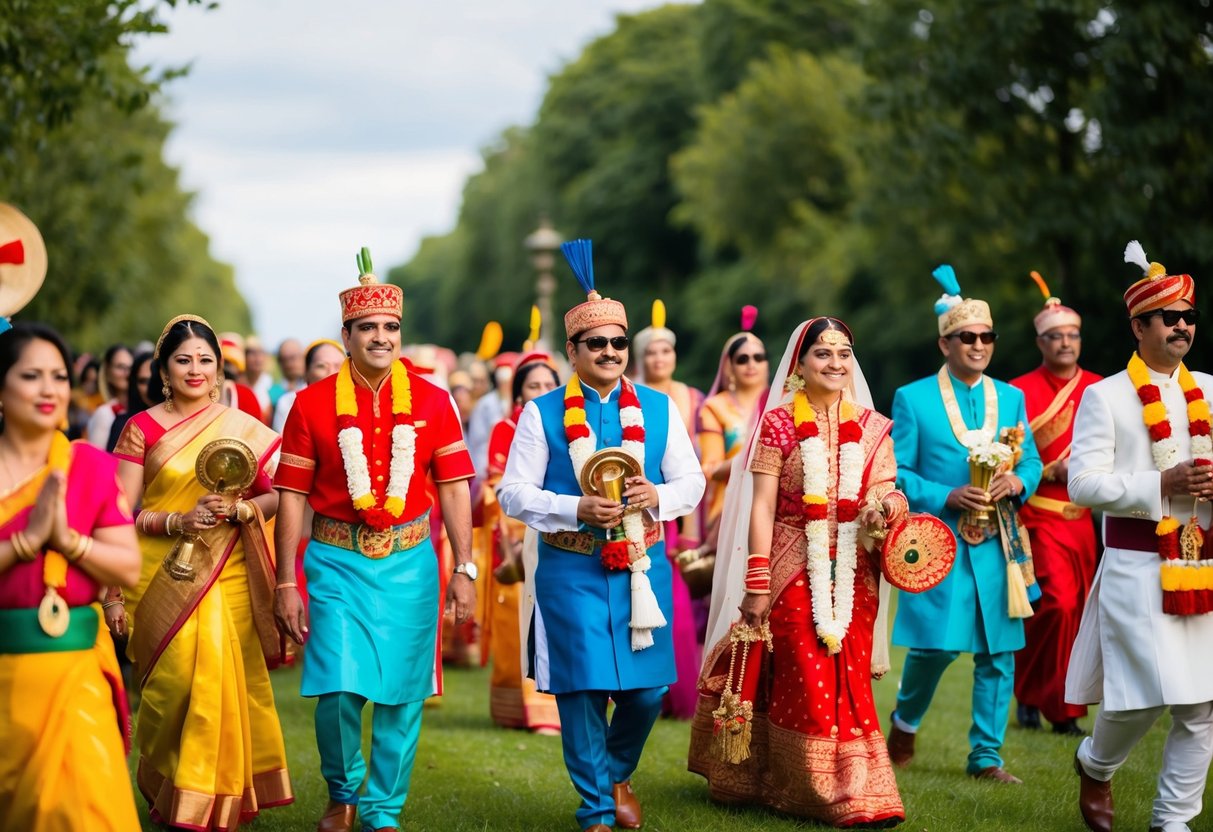
Different cultures have unique traditions regarding the order of who walks in front of the bride. Understanding these variations can help you appreciate the significance of each role in the wedding ceremony.
Jewish Wedding Processional Order
In a Jewish wedding, the processional order starts with the Rabbi or Cantor, who leads the way to the chuppah. Following them, the grandparents of the bride typically walk down the aisle together, seated in the front row. Next, the bride’s parents arrive, signaling an important moment in the ceremony.
The groom walks in next, often with his parents. Finally, the bride makes her entrance, usually escorted by both her mother and father. This order emphasizes family ties and respect for tradition, making the moment special for everyone involved.
Christian Wedding Processional Order
In a traditional Christian ceremony, the processional begins with the officiant, who walks to the front, often followed by groomsmen and bridal party members. Groomsmen typically enter first, paired with bridesmaids, showcasing a blend of roles.
The maid of honor walks down the aisle right before the bride, creating an impactful moment. The bride then enters, often accompanied by her father or both parents, representing support and love. This sequence highlights the couple’s commitment while involving family prominently.
Hindu Wedding Processional Order
In Hindu weddings, the processional is rich in symbolism. It often begins with the groom, who arrives first, sometimes riding on a horse in a vibrant procession called the baraat. Following him, the bride’s family often walks down the aisle to honor her.
When the bride enters, it is customary for her to walk under a mandap or a decorative canopy. She may be escorted by her parents or brothers, creating a sense of unity. Each step symbolizes her transition into a new life and the blending of families, making it a deeply meaningful moment.
Nondenominational Wedding Processional Order
Nondenominational weddings often allow couples more freedom in their processional order. Typically, they start with the officiant followed by family members or friends, similar to both Christian and Jewish traditions.
Couples can choose who walks before them based on personal significance rather than strict traditions. The bride and groom may decide to enter together or have close friends or siblings accompany them. This flexibility makes nondenominational ceremonies unique and tailored to your wishes, reflecting personal values over conventional norms.
Ceremony Details and Venue Setup
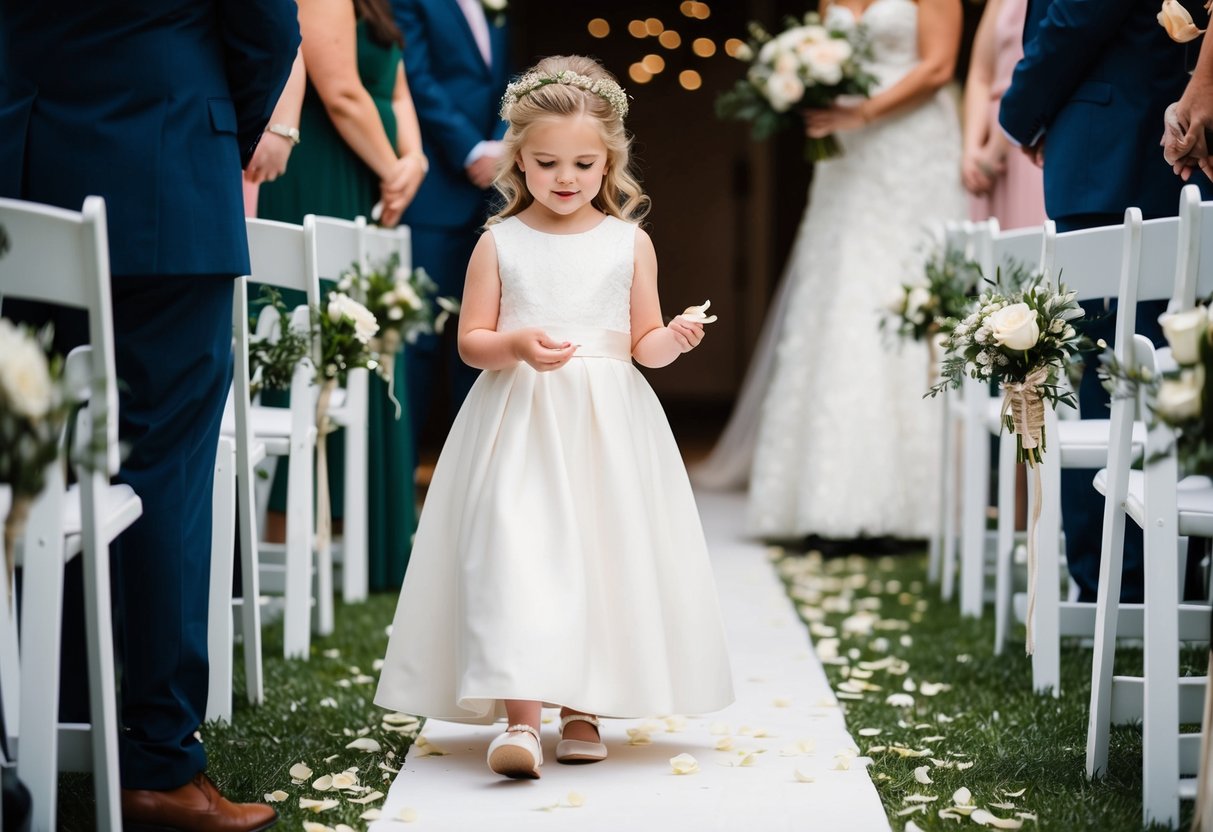
Getting the ceremony details right is key to a smooth wedding. You want your venue to reflect your style while ensuring the flow of the wedding procession is clear. Here, you’ll find important aspects such as layout and the positioning of the wedding party.
Layout of the Ceremony Venue
The layout is the first step in setting up your ceremony venue. It determines how guests will view the event and where the wedding party will stand.
Key layout components include:
- Altar Location: Choose a spot that is visible to all guests. Consider using a backdrop like flowers or drapes.
- Seating Arrangement: Rows of chairs should face the altar. Depending on the size, you might have 5-10 rows. Ensure there’s enough space for people to walk comfortably.
- Entrance Path: Clearly mark where the wedding procession will occur. This helps guide the bride and wedding party to the altar without confusion.
You can even create a diagram to visualize the setup. The layout impacts the ceremony’s ambiance, so plan carefully!
Positioning of the Wedding Party at the Altar
Proper positioning at the altar is essential for a cohesive ceremony. Traditionally, the groom’s parents may sit on the right, while the bride’s on the left.
Wedding party roles include:
- Best Man and Maid of Honor: They stand closest to the couple. This way, they can offer support when needed.
- Bridesmaids and Groomsmen: They should align themselves symmetrically to create a balanced look.
- Grandparents: They often have special seating, typically towards the front to honor them during the ceremony.
By organizing the wedding party effectively, you enhance the visual charm of the ceremony. Ensure everyone knows where to stand beforehand to avoid last-minute confusion.
Music and Choreography of the Procession
The music and choreography of the procession are key elements that set the tone for your wedding ceremony. Carefully chosen songs and coordinated movements create a memorable experience as you and your bridal party make your way down the aisle.
Selecting the Right Wedding Music
Choosing the right wedding music is essential for a lovely atmosphere. Think about songs that reflect your personality and the overall theme of your wedding.
Popular selections for the bridal processional include classical pieces, romantic ballads, or even upbeat tracks if you desire something different.
Many couples select songs for specific parts of the ceremony, such as the processional, marking the entrance of the bridal party, and the recessional, celebrating your new status as a married couple.
Consider involving your bridal party in the selection process. This can make the moment even more special. Don’t forget to include the song for your mother of the bride and other important family members, as they too play vital roles in your ceremony.
Timing and Coordination for the Grand Entrance
Timing is crucial for your grand entrance. Make sure you have a clear order of who walks down the aisle first. Typically, the bridesmaids enter before the bride, followed by important figures like the page boy or flower girl.
Establishing a smooth flow helps avoid awkward pauses. It’s a good idea to practice the procession a few times before the big day. This can help everyone feel comfortable with their roles and timing.
Ensure the music starts at the right moment. Communicate with your musicians or DJ about when to begin playing the songs. This helps make your entrance seamless, creating a stunning moment for you and your guests.