
Who Walks Out First at a Wedding? Exploring Traditions and Surprises
The order of who walks out first can set the tone for the entire event. Typically, the officiant enters first, followed by the groom. The groom may walk with his parents. After the groom, the wedding party makes their entrance, which includes bridesmaids and groomsmen, with the bride being the last to walk down the aisle, often escorted by her father.
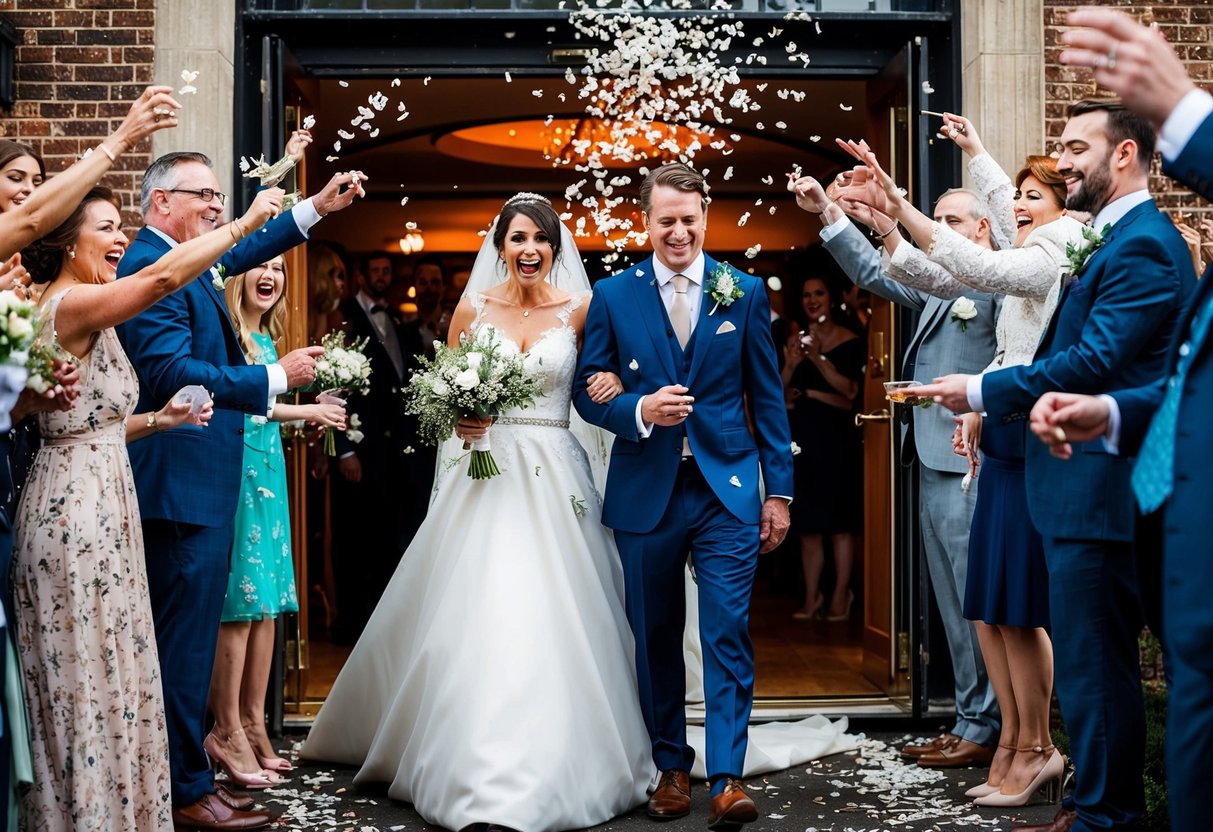
Understanding this process can make your wedding planning smoother. You want to ensure that each participant knows their role in the wedding processional, which helps everything flow seamlessly. The grand entrance should feel special for everyone involved, especially for the couple standing at the altar.
Knowing who walks out first at your wedding adds to the excitement of the day. With this basic knowledge, you can plan your ceremony with confidence and attention to detail.
Understanding Wedding Processionals

A wedding processional is the special moment when the wedding party walks down the aisle. It’s an important part of the ceremony, setting the tone for the event.
The wedding processional order typically follows a specific sequence. Here’s a general list:
- Officiant
- Parents of the Bride
- Groomsmen
- Bridesmaids
- Flower Girl and Ring Bearer
- Bride
Different types of ceremonies can change this order.
In a traditional wedding, the bride often walks in last, escorted by her parents. In a modern wedding, couples might choose to walk down the aisle together.
For a Christian wedding processional order, you might have more religious elements. In a Jewish wedding, the couple stands under a chuppah, which adds a unique touch.
In a Hindu wedding processional order, there are rich rituals and cultural significance that vary by region.
Nondenominational weddings often mix traditional and contemporary elements, allowing for greater personalization.
The Order of The Wedding Party
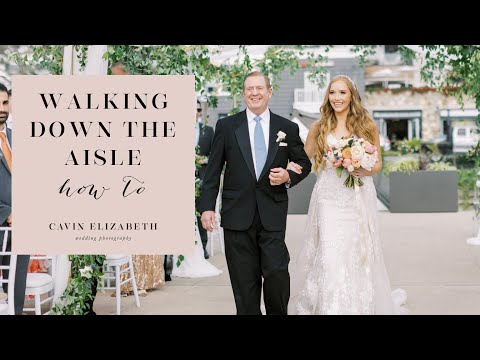
The order of the wedding party is important for setting the right tone for your ceremony. Knowing who walks in and when helps everything flow smoothly. Here’s a detailed look at each group involved in the processional.
The Grandparents and Parents
The ceremony usually starts with the grandparents of the bride and groom. They often walk down the aisle first, either individually or together. It’s a warm way to honor family traditions.
Next come the parents of the bride. Typically, the bride’s mother walks down the aisle before the groom’s parents. This order highlights their important roles in the ceremony.
Parents can be escorted by other family members or walk solo. It’s a special moment that shows support for the couple. Encourage parents to look and feel their best as they enter.
Groom and Groomsmen
After the parents, it’s time for the groom and his groomsmen to make their entrance. The groom usually walks down the aisle with his parents, creating a united front.
Groomsmen follow closely behind. They can enter individually or in pairs. Generally, they walk in from the right side of the aisle, allowing a clear path for the bridal party.
This part of the processional is crucial for establishing the groom’s presence. Seeing him at the front helps build anticipation for the bride’s arrival.
Bridesmaids and Maid of Honor
Following the groomsmen, the bridesmaids walk down the aisle. They are a vital part of the ceremony, supporting the bride. Usually, each bridesmaid walks alone or pairs up with a groomsman.
The maid of honor is typically last among the bridesmaids. Her entrance is important as it signals that the bride’s moment is approaching.
You can ask bridesmaids to hold their bouquets or flowers in a way that shows off their dresses. This is a perfect chance for beautiful photos as they make their way down the aisle.
Special Roles
In addition to the main wedding party, there may be special roles in the processional. The ring bearer usually walks right before the bride. This young boy carries the rings on a pillow, often adding a cute element to the ceremony.
Similarly, flower girls typically precede the bride. They sprinkle flower petals along the aisle. This gesture creates a lovely scene for when the bride enters.
If you have additional family members or friends who are part of these roles, make sure to include them in your plan.
The Bride’s Grand Entrance
Finally, it’s time for the bride’s grand entrance! This is one of the most anticipated moments of the ceremony. The bride usually walks alone, escorted by her father, or another close family member.
As you walk down the aisle, consider the music playing and the atmosphere. This is your moment, and it should feel special and unique to you.
A stunning entrance enhances the emotional impact of the event. Guests will often stand to welcome you, capturing the magic of the moment.
Ceremony Practices Across Cultures
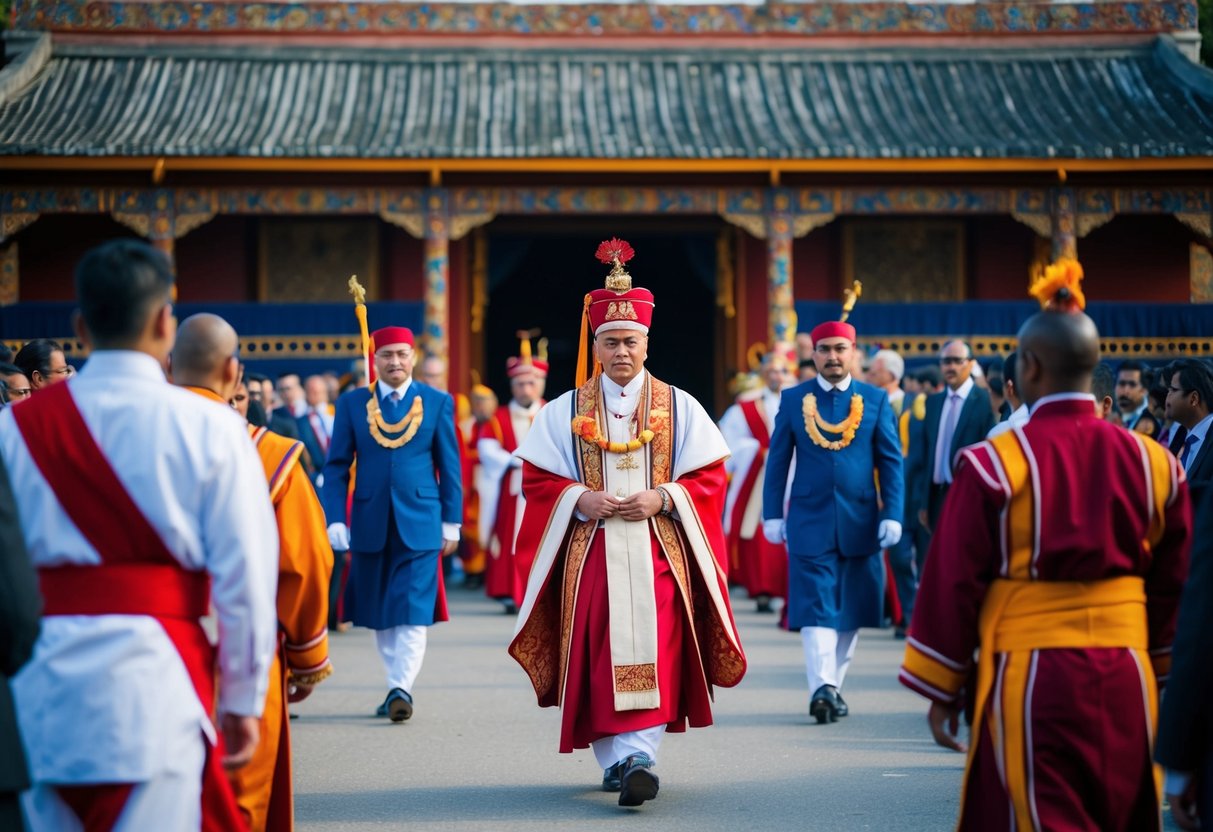
Weddings vary widely across cultures, with unique practices that reflect family values and traditions. Understanding these differences can enrich your knowledge about how various communities celebrate love and commitment.
Jewish Wedding Traditions
In a Jewish wedding, the officiant is often a rabbi or cantor. They play a key role in guiding the ceremony. One notable feature is the chuppah, a canopy under which the couple stands. This structure symbolizes their new home together.
The processional usually begins with the grandparents, followed by the parents, and then the groom walks down the aisle. The bride often makes her entrance last, symbolizing her importance in the ceremony. During the ceremony, you might see the couple performing the seven blessings, reflecting on their love and commitment.
Christian Wedding Practices
In a Christian wedding, the order can vary, but it typically starts with the officiant leading the way. Often, this is a priest or minister who will guide you through the ceremony. Next comes the groom, often accompanied by his parents or other family members.
After the groom, the bridal party follows, including bridesmaids and groomsmen. The bride’s entrance is usually the most anticipated moment. In some Christian traditions, a father walks the bride down the aisle, symbolizing a transfer of care. The ceremony often includes readings from the Bible and a vow exchange.
Hindu Wedding Customs
Hindu weddings are rich in vibrant rituals and celebrations. The processional begins with the baraat, where the groom arrives on a decorated horse or in a fancy car. Family members often dance in celebration, creating a joyful atmosphere.
The wedding takes place under a mandap, a decorated structure symbolizing the couple’s new life together. The bride’s entrance is often grand, and she circles the fire during saat phere, taking seven vows. Family plays a significant role, with various traditions highlighting community support and love.
Nondenominational Ceremony Variations
Nondenominational ceremonies offer flexibility in the processional order. You can personalize your wedding by choosing who walks out first based on your preferences.
Many couples opt for close family members or friends to lead the way. Some might include unique elements, like special songs or readings that reflect their journey as a couple. This approach allows for creativity while still maintaining a sense of tradition, making your celebration unique to you.
Special Moments and Considerations
Weddings are full of special moments. The processional is one of the most emotional parts of the ceremony. As the music plays, your guests eagerly await the entrance of the wedding party.
During the prelude music, you can set the mood and welcome everyone. This is your chance to make an impression even before the vows begin.
Consider including ushers to help guide guests to their seats. They ensure everyone is settled, so the ceremony can begin smoothly. This small detail helps create a welcoming atmosphere.
The order of the processional can add to the emotional impact of your wedding. Commonly, the officiant walks in first, followed by the groom, and then the bridal party. This sets the stage for the moment the bride walks down the aisle.
Don’t forget about the recessional! After you exchange vows, you’ll want to celebrate your first steps as a married couple. This often includes exiting together, followed by the wedding party.
A printable wedding processional order template can help you plan. It ensures that everyone knows when to walk in and makes the day run smoothly.
Think about how each part of the ceremony adds to the overall feeling of joy and love. These thoughtful moments create lasting memories for you and your guests.