
Who Walks Out First: Groom or Groomsmen? Understanding Wedding Procession Order
When you think about a wedding ceremony, you might wonder about the order in which everyone walks down the aisle. Typically, the groom walks out before the groomsmen, marking an important tradition in wedding ceremonies. This moment sets the tone for the event and signifies the beginning of the celebration.
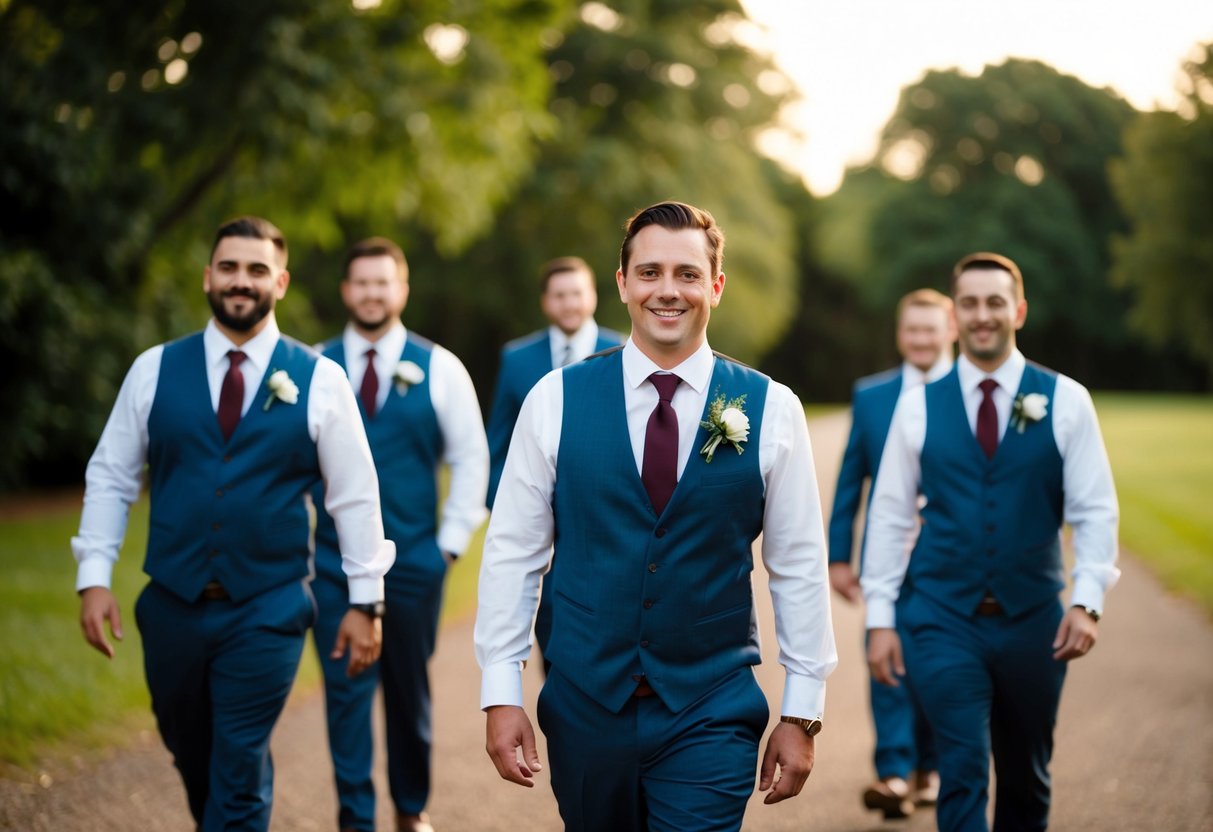
If you’re planning a wedding or just curious, understanding the processional order can help you visualize the big day. It’s not just about who walks where but also about the meaning behind each role.
From the groom’s entrance to the groomsmen’s positions, each step is a part of the story you are creating.
Knowing who walks out when can make your ceremony planning smoother. You’ll feel more confident about each detail of your special day when you have a clear picture of the order of events.
The Basics of Wedding Processionals
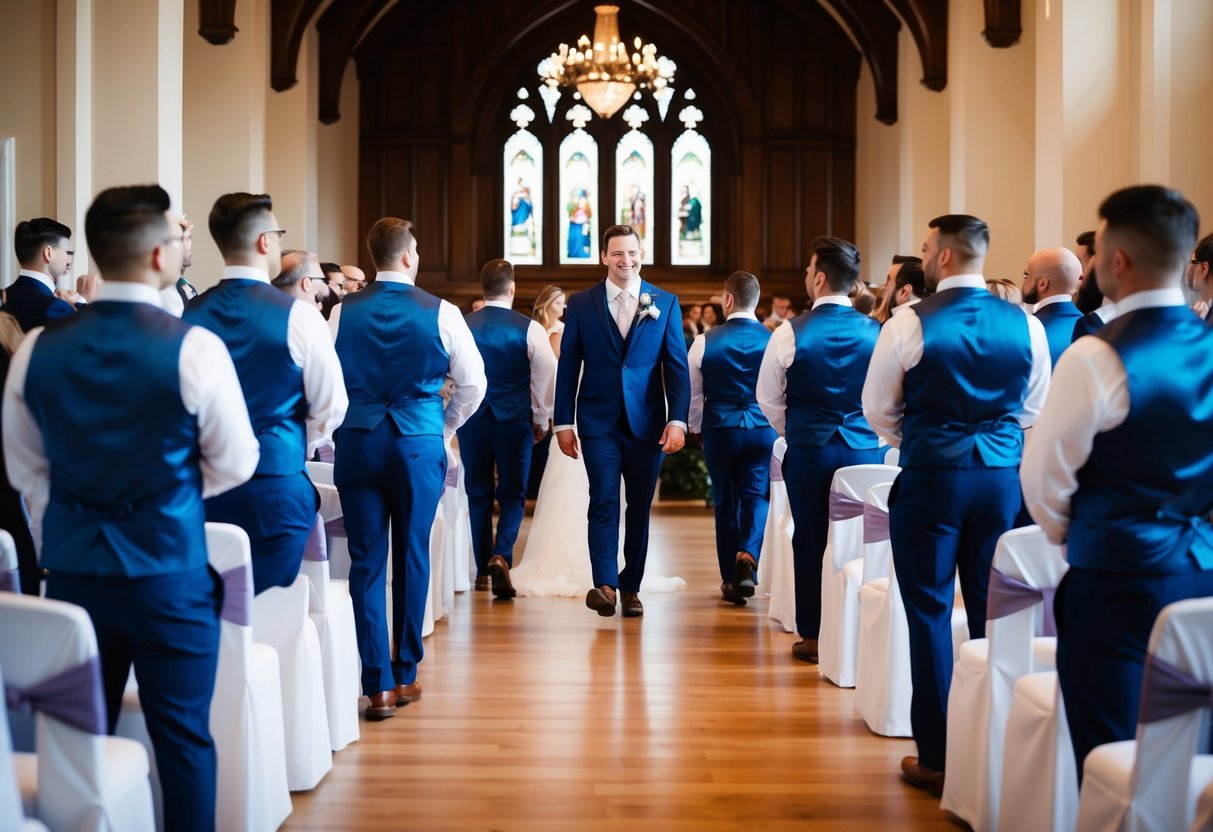
When planning your wedding ceremony, it’s essential to understand the order in which everyone walks down the aisle. This order helps set the tone for your big day and ensures that the ceremony flows smoothly.
The Role of the Officiant
Your ceremony begins with the officiant. This person is usually the first to enter the venue. They come in before anyone from the wedding party. The officiant takes their place at the altar, ready to welcome guests and guide the ceremony.
After the officiant’s arrival, the groom typically follows. The groom can walk in alone or with his parents. This choice is part of the wedding ceremony’s personal touch. Having the officiant lead the entrance is a traditional element in the wedding processional order.
Understanding Processional Order
Following the groom, the wedding party joins in the processional. This group usually includes bridesmaids and groomsmen. They often walk in pairs, with bridesmaids paired with groomsmen.
Family members may also take part. For example, the groom’s parents might walk in first, setting the stage for the rest of the participants. The maid or matron of honor walks alone, often right before the bride. Lastly, the bride makes her grand entrance, typically the highlight of the ceremony.
Knowing the traditional order of entrance can help you create a meaningful and organized wedding ceremony experience.
The Groom and Groomsmen’s Entrance
When planning your wedding, understanding the entrance of the groom and groomsmen is important. This moment marks the beginning of the ceremony, setting the tone for what follows. Let’s explore who walks the groom down the aisle and how the groomsmen make their entrance.
Who Walks the Groom Down the Aisle
Typically, the groom walks down the aisle with his parents. This can include both his mother and father, highlighting their support. In some cases, the groom may choose to walk solo, depending on personal preference or family dynamics.
It’s also common for the groom to walk with just his mother or just his father. This moment can be emotional and is a way to honor family ties. Consider what feels right for you.
The Entrance of the Groomsmen
The groomsmen enter after the groom. Generally, they follow a specific processional order, adding to the event’s formality. Typically, the best man walks beside the groom or directly after him.
The rest of the groomsmen usually enter in pairs or individually. They might walk alongside bridesmaids, depending on your chosen arrangement. This can create a beautiful balance as everyone makes their way down the aisle.
When planning, think about how you want these moments to unfold. The entrance of the groomsmen is a key part of the ceremony and can reflect your personal style.
Roles and Entrances of Key Party Members
Understanding the roles and entrances of key party members can help you plan a smooth wedding processional. Each participant has a special part to play, creating a memorable experience.
Grandparents and Parents in the Processional
Traditionally, the ceremony begins with the grandparents. They are often the closest family members and walk in first. You can choose to have them seated or accompanied by a family member.
Next in the processional are the parents of the bride. The mother of the bride usually walks down the aisle last before the ceremony starts. Sometimes, parents walk down together, which can symbolize unity.
The father of the bride often walks his daughter down the aisle. This moment is special and creates a beautiful image as the bride approaches the groom. Keep in mind, there are no strict rules. You can adapt these steps to fit your own family dynamics.
Bridal Party Processional Dynamics
After the immediate family, the bridal party enters. This group includes the maid of honor, bridesmaids, best man, and groomsmen.
The maid of honor typically walks down the aisle just before the bride. As for the bridesmaids, they can enter individually or in pairs with the groomsmen. This dynamic adds excitement to the wedding.
The ring bearer often follows the bridal party. This little one may carry the wedding bands down the aisle, adding a sweet touch to the ceremony. Finally, the flower girl often walks just before the bride, scattering petals along the way, which is a charming tradition that enhances the atmosphere of the event.
Cultural and Religious Ceremony Considerations
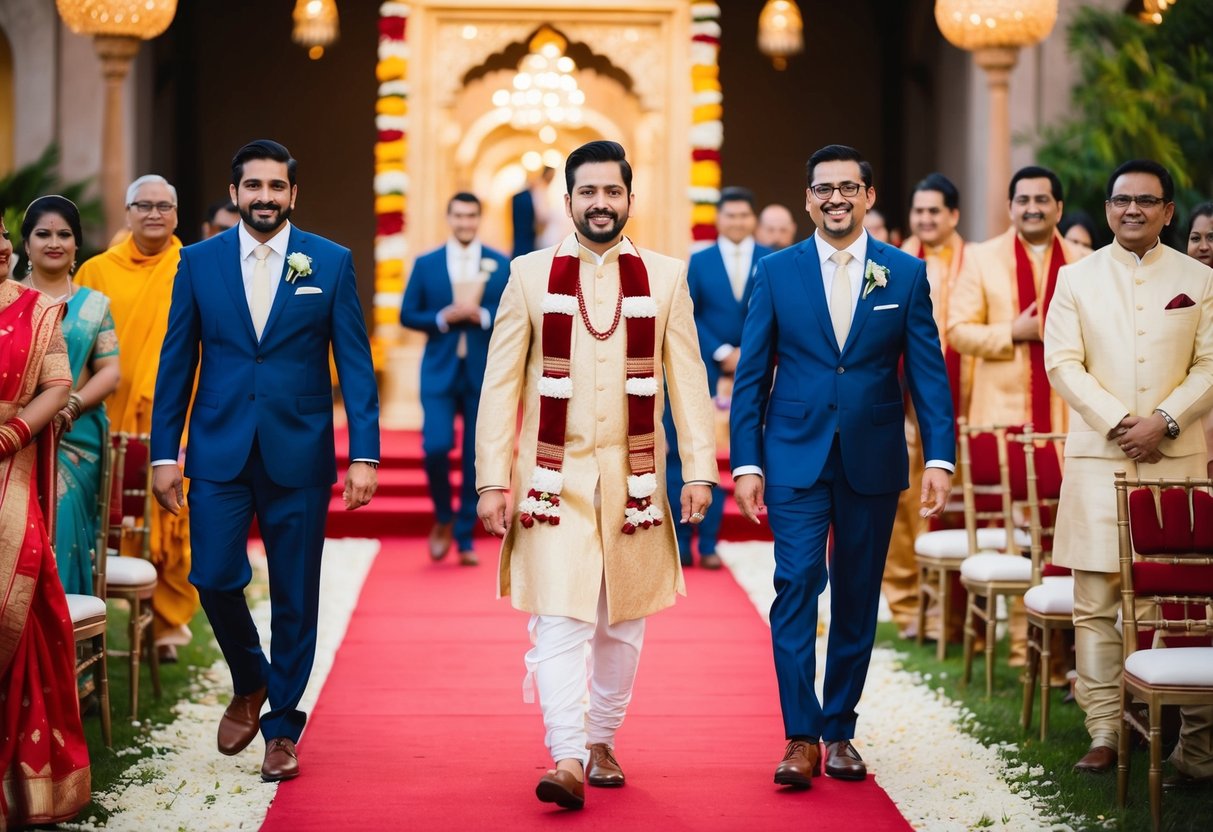
Weddings often reflect the couple’s values and traditions. Cultural and religious practices can greatly influence who walks out first during the ceremony.
Diversity in Wedding Processionals
In a Christian wedding, the groom usually walks out first, often alongside his groomsmen. This reflects the tradition that places him on the right side of the altar.
In contrast, a Jewish wedding involves specific rituals. The groom typically enters under the chuppah, which symbolizes the home he will build with his bride. He may be escorted by his rabbi and family.
Hindu weddings often feature both families entering together, with the groom walking out first. This signifies unity and the joining of two families. Additionally, in a military wedding, formality dictates that the groom may enter at the same time as his groomsmen, reflecting tradition and honor.
Incorporating Cultural Traditions
When planning your ceremony, think about how to honor your heritage. Incorporating cultural traditions can make the day more meaningful.
In a civil ceremony, you have the flexibility to choose your processional order. You could blend traditions, such as having the groom walk out first, followed by family members or friends.
Weddings are personal. You can adjust your processional to reflect your values, whether you’re inspired by Hindu customs or wish to include elements from a military wedding. Whatever you choose, make sure it resonates with you.