
Who Walks the Bride Down the Aisle? Exploring Traditions and Modern Choices
As you plan your special day, you may wonder about the tradition of who walks the bride down the aisle. Typically, the father of the bride has the honor of escorting her, symbolizing his support and giving her away. However, this tradition can vary based on personal choice, family dynamics, or cultural practices.
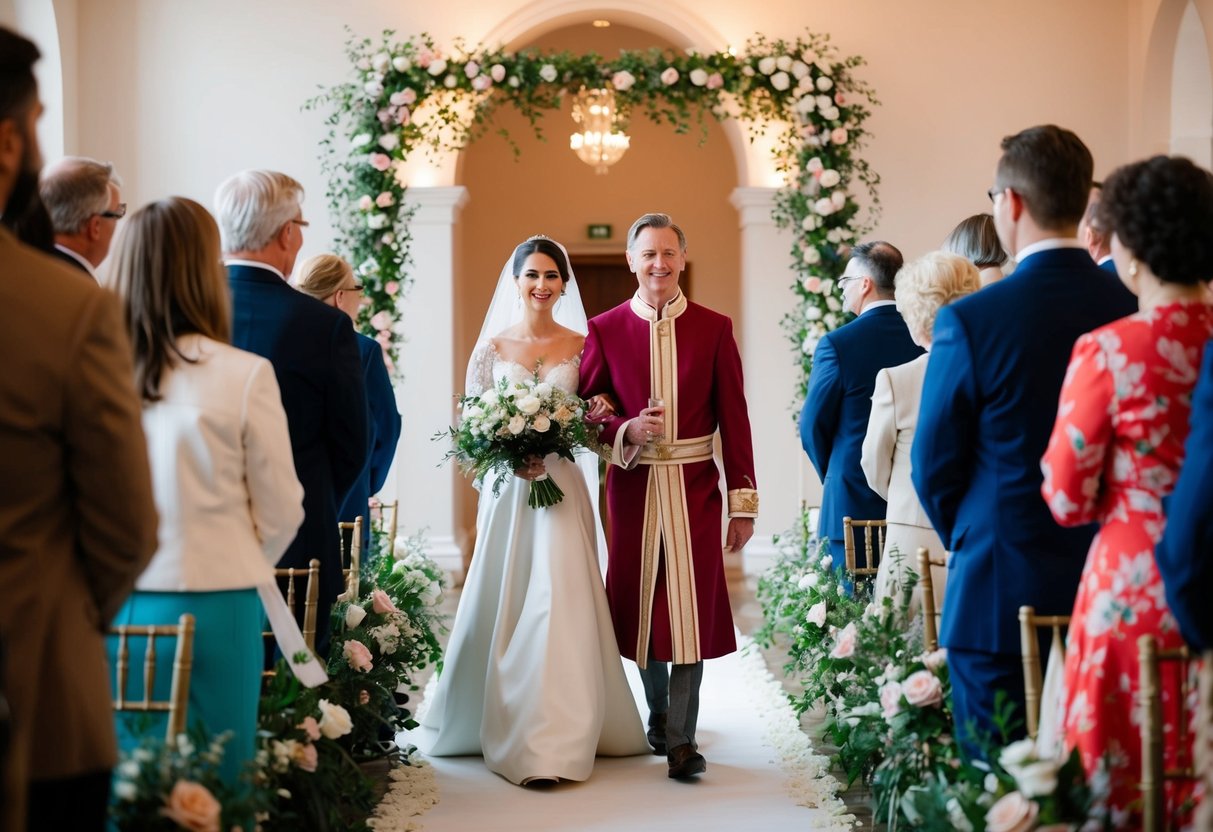
You might also consider involving other family members or friends in this important moment. Whether it’s a sibling, a close relative, or even a beloved friend, the person who walks you down the aisle should reflect your journey and the love you share. Embracing this moment can make your wedding ceremony even more meaningful.
By understanding who can fulfill this role, you can create a ceremony that resonates with your heart and values. The aisle is not just a walkway; it’s the start of a new chapter in your life.
Traditional Roles in the Processional
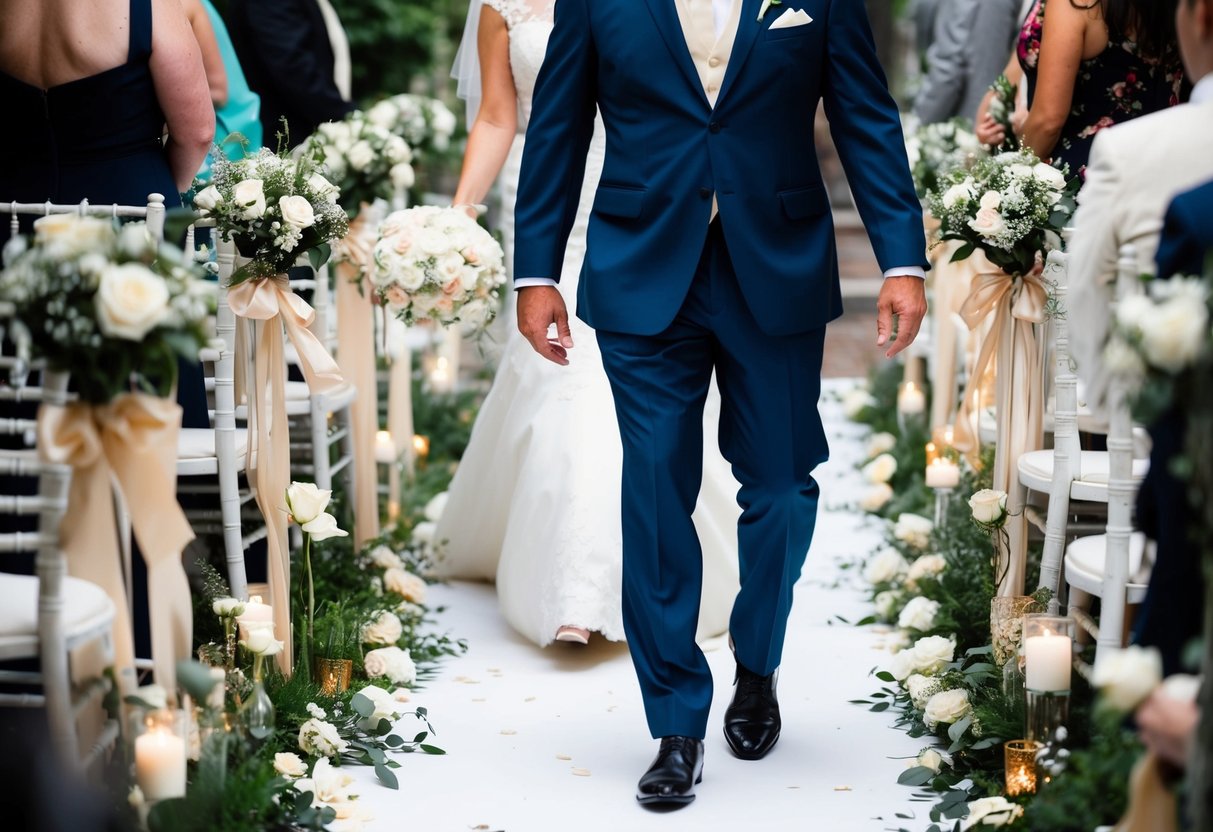
The processional is a key part of the wedding ceremony. Understanding the traditional roles helps you plan your special day. Here are the key participants typically involved.
Father of the Bride’s Role
The father of the bride has a significant role in the processional. Traditionally, he walks his daughter down the aisle, symbolizing his support and acceptance of the marriage. This moment is often emotional for both the bride and her father.
As you reach the beginning of the aisle, your father may take your arm. You should both walk together toward the altar. This act signifies the passing of responsibility and blessing from one generation to another.
Remember to choose a song that resonates with both of you. It could make this moment even more special.
Mother of the Bride and Other Parents
The mother of the bride has her own place in the processional. She may walk down the aisle right before or after the groom’s parents. This action highlights the unity between families.
It’s also common for other family members to be involved. For example, you might want your mother to escort you partially or sit with close family members. This can include step-parents or other relatives who play important roles in your life.
Discuss how your parents would like to be included in the ceremony. Their participation can help reinforce family bonds.
Grandparents’ Participation
Involving grandparents in the processional can add a touching element to your wedding. They often walk in before or after the parents, representing the family legacy.
You could have a special seating arrangement for them. This would honor their presence in your life. Their participation often brings joy and warmth to the ceremony.
If they are not able to walk, you may consider including them in special readings or notes during the ceremony. This ensures they feel included while being respectful of their needs.
Cultural Variations in Wedding Processionals
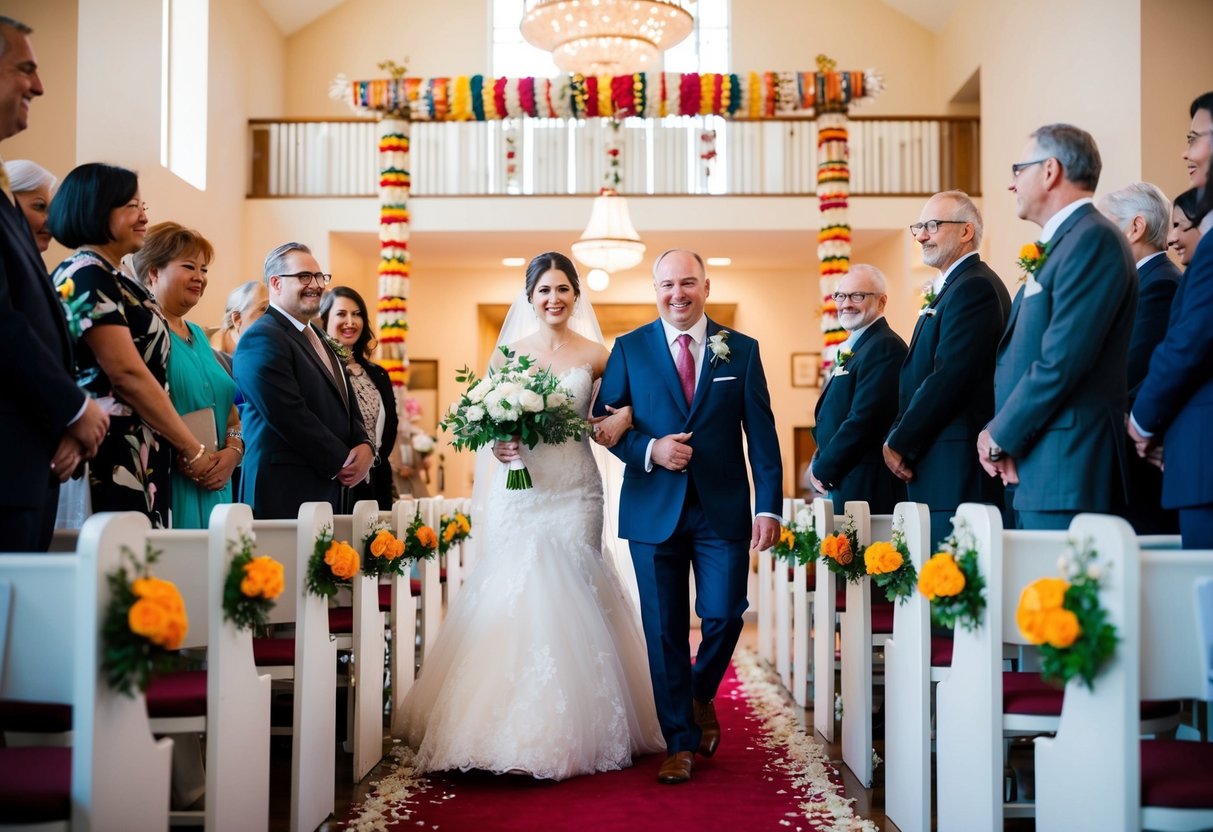
Wedding processionals can differ widely based on cultural and religious backgrounds. Each tradition has its own customs that dictate who walks down the aisle and in what order. Understanding these unique practices can help you appreciate the significance behind each moment.
Christian Wedding Traditions
In Christian weddings, the processional order is often clear and traditional. Typically, the groom walks in with the officiant, followed by the bridesmaids. The mother of the bride may precede the bride, and she usually walks down the aisle solo or with a family member.
The bride, adorned in white, is traditionally escorted by her father. This symbolizes the transfer of responsibility from father to husband, representing love and protection. The order might vary slightly, but the essence remains the same, focusing on family bonds and unity.
Jewish Wedding Customs
Jewish weddings feature unique processionals that emphasize culture and tradition. A central element is the badeken ceremony, where the groom veils the bride before the procession. The couple typically walks down the aisle together, symbolizing their commitment.
During the processional, the parents of both the bride and groom often lead the way. This highlights family involvement. Following them, the ketubah (marriage contract) is presented. There is a strong focus on community, with friends and family playing active roles throughout the ceremony.
Hindu Wedding Processional Practices
In Hindu weddings, the processional is vibrant and full of life. The groom often arrives on a decorated horse or in a procession known as the baraat. This is a lively celebration with music and dancing, where family and friends join in.
The bride usually waits at the wedding mandap, an altar set for the ceremony. She is then escorted by her parents or close relatives down the aisle. This signifies the joining of families. The procession emphasizes joy, cultural rituals, and the festive spirit of the occasion.
Non-Denominational and Modern Approaches
Non-denominational and modern weddings often blend traditions from various backgrounds. You might see a mix of elements from Christian, Jewish, and other customs.
In these ceremonies, the bride and groom may choose who walks with them down the aisle. This could include parents, grandparents, or even close friends. Many couples emphasize personal preferences over strict traditions, allowing for unique expressions of love. This flexibility reflects modern values of inclusivity and individual choice.
The Bridal Party’s Role in the Ceremony
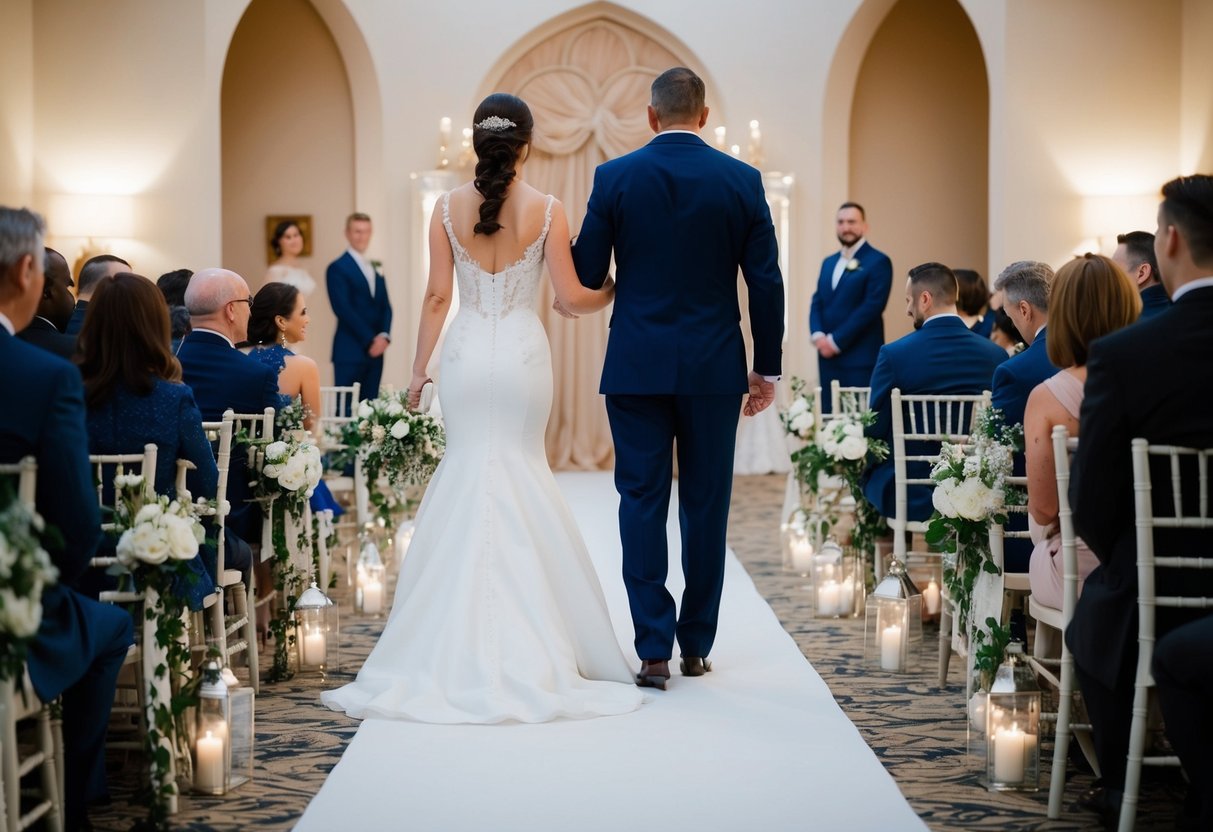
The bridal party plays a vital role in creating a beautiful wedding ceremony. Each member contributes to the celebration and supports the couple on their special day. Understanding their roles can help you appreciate how each person enhances the ceremony.
Bridesmaids and Maid of Honor
Bridesmaids support you throughout the wedding planning process. They help with tasks like dress shopping, planning the bridal shower, and providing emotional support. The Maid of Honor has specific duties, such as organizing fitting appointments and holding your bouquet during the ceremony.
During the ceremony, the bridesmaids walk down the aisle before you, creating a stunning visual for guests. They stand beside you at the altar, showcasing your unity and friendship. Their presence symbolizes love and support as you embark on this new chapter.
Groomsmen and Best Man
Groomsmen assist the groom in various ways, from planning the bachelor party to helping with last-minute preparations. They also provide practical support during the day, ensuring everything runs smoothly. The Best Man takes on a key role, helping the groom stay calm and organized.
In the ceremony, groomsmen walk down the aisle before the bridesmaids. The Best Man stands beside the groom, sharing in the important moment. His responsibilities include holding the rings and giving a speech during the reception, adding a personal touch to the celebration.
Flower Girls and Ring Bearers
Flower girls and ring bearers add charm and innocence to the ceremony. Flower girls often toss petals down the aisle, bringing a whimsical touch. They typically wear beautiful dresses that match the wedding theme, capturing everyone’s hearts along the way.
Ring bearers, on the other hand, carry the rings, exchanging them during the vows. They often wear miniature versions of the groomsmen’s attire, creating a cohesive look. Their roles may be small, but they contribute significantly to the ceremony’s overall joy.
Adapting the Aisle Walk to Unique Family Dynamics

Weddings are a time for celebration, but they also reflect your family’s unique relationships. You may choose to adapt the ceremony to fit your family dynamics, ensuring that everyone feels included and comfortable.
Both Parents Walking the Bride
Many brides opt for both parents walking them down the aisle. This choice represents support from both sides of the family. You may find that this tradition highlights the unity between your parents, even if they are divorced or separated.
Having both parents can symbolize a strong family bond and shared happiness. It also emphasizes your upbringing and the importance of family in your life.
Walking Alone or with a Mentor/Friend
Some brides decide to walk down the aisle alone or with someone special who isn’t a parent. This could be a close friend, mentor, or a significant figure who has played a big role in your life.
Walking alone allows you to embrace your independence on this important day. If you choose someone else, it can create a meaningful moment that reflects your journey, showing the love and support around you.
When Family Dynamics Are Complex
If your family dynamics are complicated, it’s important to choose an entrance that feels right for you. Sometimes, brides come from blended families or may have strained relationships with certain relatives.
You have the freedom to create your aisle walk. Whether you walk with one parent, both parents, or choose to walk independently, it’s about what makes you comfortable. You can even consult your officiant for guidance if needed.