
Who Walks the Bride Down the Aisle if She Has No Father? Exploring Alternatives and Traditions
Weddings are filled with traditions, and one of the most cherished moments is when the bride walks down the aisle. If you don’t have a father present, there are many meaningful alternatives to consider.
You can choose a close relative or friend who holds significance in your life to take on this special role.
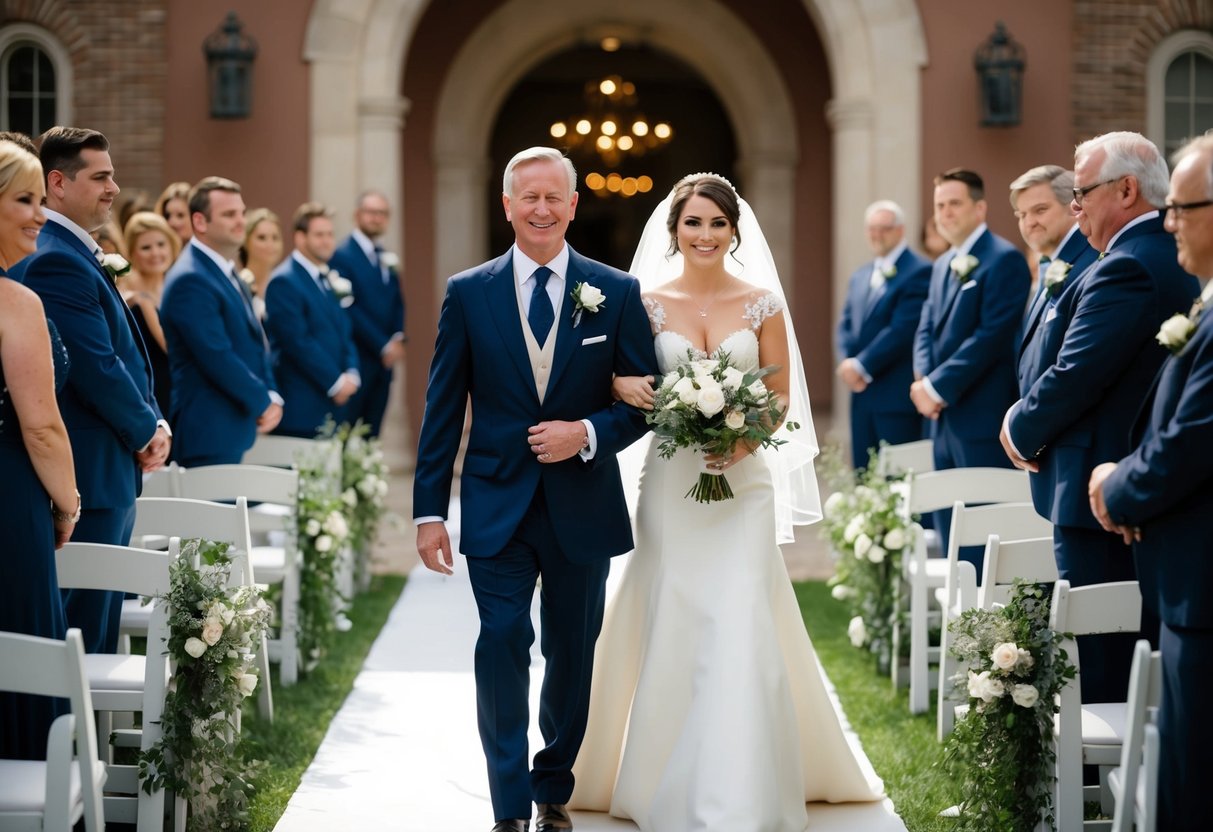
Many brides opt for siblings, like a brother or sister, while others may choose to walk alone to symbolize independence. The beauty of your wedding is that it can reflect your unique story and relationships.
Whether it’s your mother, grandmother, or even a close friend, the person walking you down the aisle can create a moment that feels just right for you.
The key is to embrace your choice and make it personal. After all, this day is about celebrating your love and the people who matter most to you.
Alternative Figures to Walk the Bride Down the Aisle
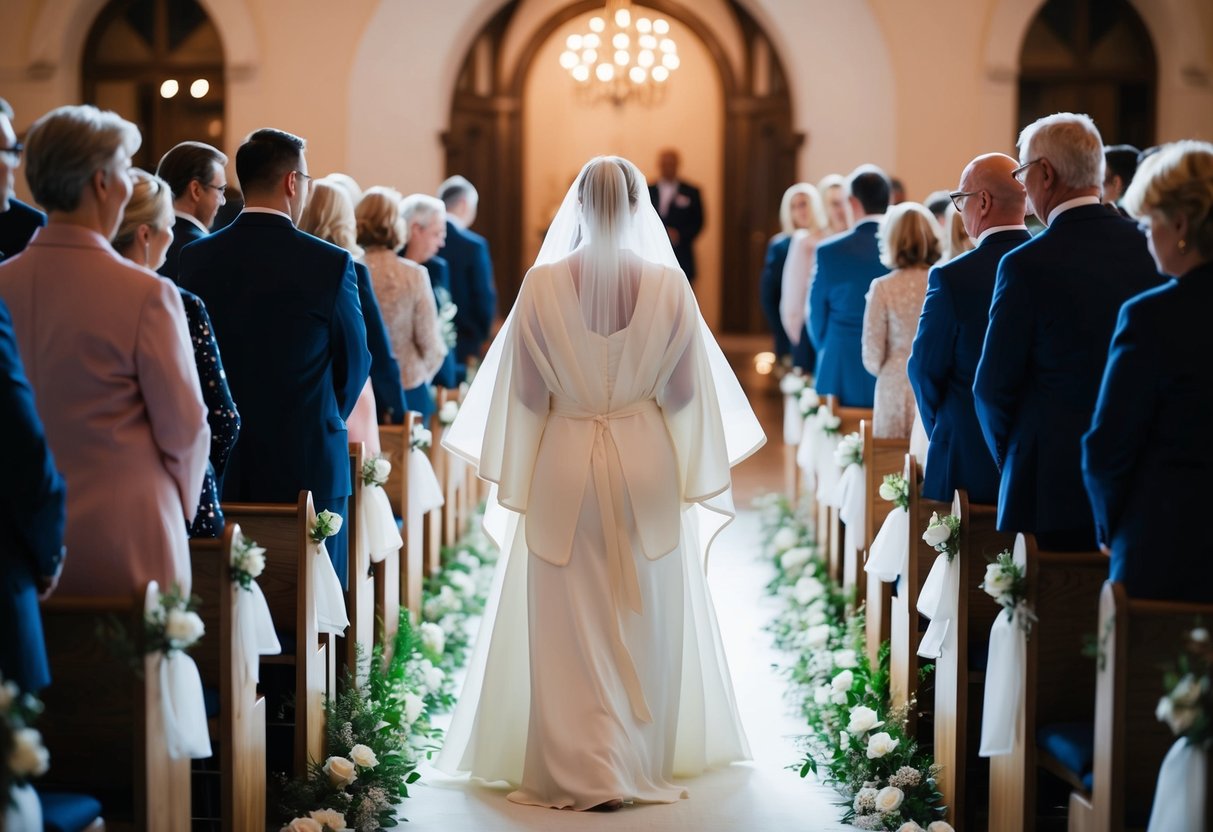
Choosing who will walk you down the aisle can be a deeply personal decision, especially when your father isn’t a part of the picture. Thankfully, there are many meaningful alternatives that reflect your family dynamics and relationships.
Mother of the Bride
Your mother can be a powerful presence on your wedding day. Walking down the aisle together can symbolize the bond you share.
This choice highlights the love and support your mother has given you throughout your life. In many families, this option can feel natural and bring joy.
If you’re considering it, think about ways to personalize the moment—perhaps you could share a meaningful quote or song as you walk together. This can turn a traditional moment into a beautiful expression of your relationship.
Other Close Family Members
Your wedding day is a chance to celebrate those who mean the most to you. If your mother isn’t the right fit, consider asking a sibling or another close family member.
A brother or sister can provide the support you need. They know you well and can make the moment feel special. An uncle, grandparent, or even a close family friend can also be a great choice.
This selection often reflects your unique family dynamics and can turn into a cherished moment for both of you.
Mentor or Father Figure
Sometimes, a mentor or father figure in your life might feel like the best choice. This person could be someone who has offered guidance and love, like a coach, teacher, or family friend.
Choosing this individual allows you to honor a special relationship that has influenced who you are today. Walking down the aisle with a mentor can bring a different kind of warmth.
You might also consider sharing a story about their impact during the ceremony, making the moment even more poignant. This alternative adds a personal touch to your wedding.
Walking Down the Aisle Solo
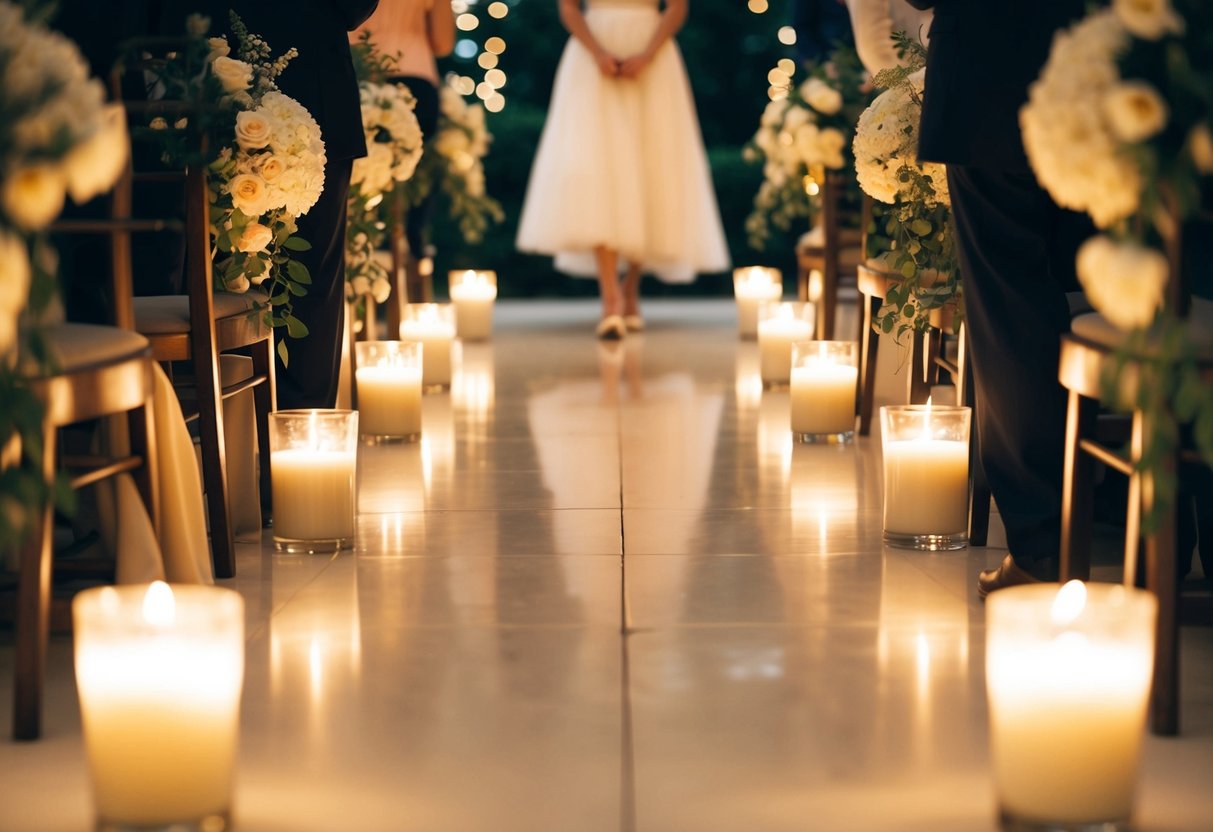
Walking down the aisle alone can be a meaningful choice for many brides. This decision often reflects your independence and personal values during the wedding ceremony.
The Significance of Walking Alone
Choosing to walk alone has become more common in modern weddings. This act can symbolize your strength and individuality.
Walking solo allows you to embrace a personal moment. It gives you the chance to reflect on your journey. You are celebrating not only your love but also your independence and identity.
Many brides feel empowered when they walk down the aisle alone. This choice shows that you are capable of making your own path in life and love. It can also inspire others to consider new traditions that fit their values.
Planning the Solo Walk
To prepare for your solo walk, start with your wedding planning.
Think about how you want to enter the ceremony space.
Consider the music that will play as you walk. A song that resonates with you can elevate this special moment.
Think about the visual aspect too. You might want to choose a dress that makes you feel confident and beautiful.
Practice walking down the aisle alone, so you feel comfortable. This will help you focus on the positive feelings of the moment.
Lastly, communicate your plans with your officiant and the wedding party. Let them know about your solo walk so they can support you on your big day.
Wedding Ceremony Variations and Cultural Traditions
Weddings are personal events that reflect your values, beliefs, and cultural backgrounds. This section explores common Western traditions and cultural practices around the world that can influence who walks you down the aisle.
Western Wedding Traditions
In many Western weddings, the father of the bride traditionally walks his daughter down the aisle. This act is symbolic, representing the father’s role in giving her away.
If you do not have a father available, there are various comforting options.
You can choose to have a sibling, such as a brother or sister, escort you. Close friends or other family members also serve this purpose. Some brides even opt to walk alone as a statement of independence.
Other variations exist too, such as having both parents walk you down the aisle or inviting other loved ones. You can tailor this part of your ceremony to fit your story and your feelings.
Cultural Differences in Wedding Ceremonies
Around the world, wedding ceremonies vary greatly, shaped by cultural traditions. In many cultures, weddings are community events, often featuring arranged marriages. Here, the families play a significant role in the processional traditions.
For instance, in traditional Indian weddings, both parents or numerous family members may participate in the processional. This symbolizes unity between families. In Jewish ceremonies, the bride and groom often walk together, reflecting mutual support.
In some Asian cultures, the groom’s family usually escorts the couple. This not only shows support but also honors family ties.
Understanding these diverse customs can guide you in your choices and help shape a unique wedding day experience.