
Who Walks the Bride Down the Aisle in a Second Wedding? Exploring Modern Traditions
When planning your second wedding, you may wonder about the traditions that come with it, especially regarding who walks you down the aisle. Ultimately, the choice is yours. You can choose anyone who feels right for this important moment, whether it’s a parent, sibling, child, or even a close friend. This freedom allows you to make the ceremony truly yours, reflecting the unique journey you’ve had and the new life you’re beginning.
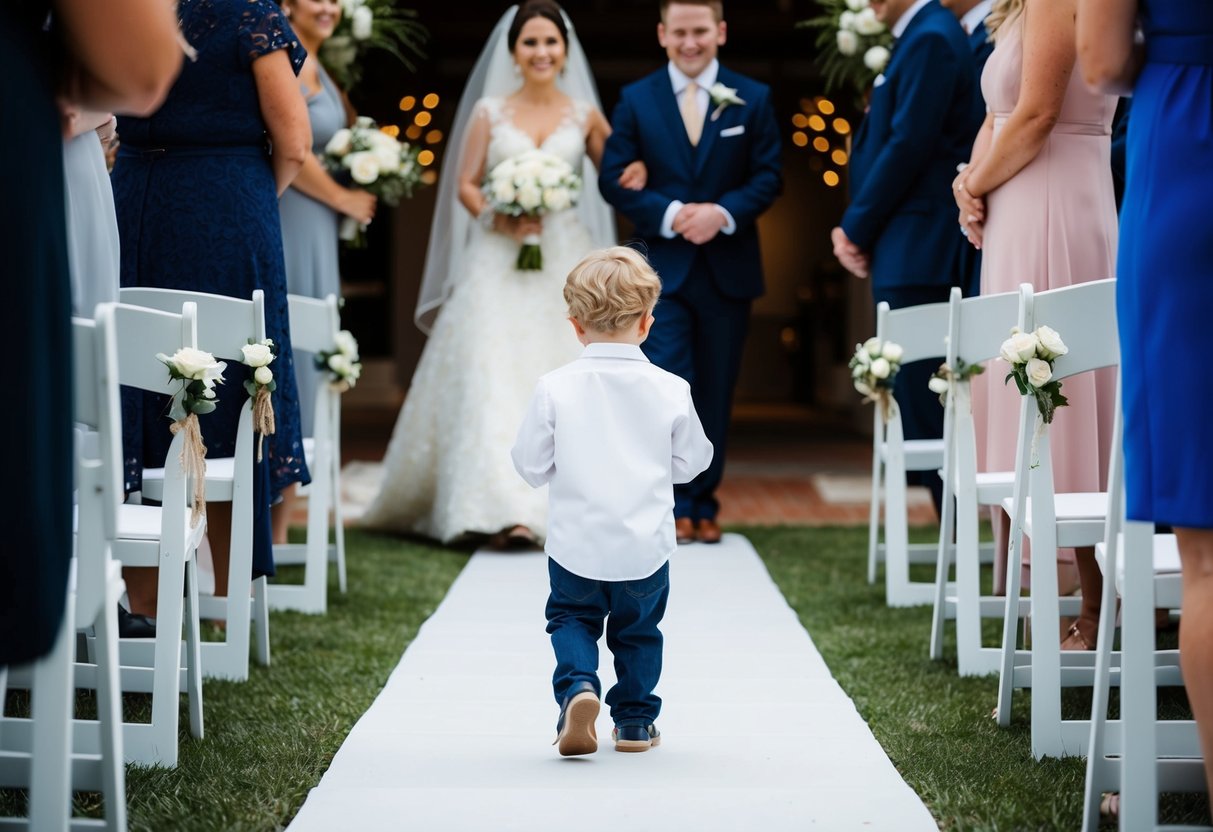
In a wedding ceremony, including family in the process can be meaningful. If your parents are alive, having one or both of them walk you down the aisle can symbolize their support.
Alternatively, many choose to walk alone or even meet their partner halfway, embracing the idea of starting this new chapter together.
Embracing what feels best for you can make your wedding day more special. There’s no strict rule about who should escort you, so let your heart guide you as you think about how you want to celebrate your love.
Traditions and Etiquette
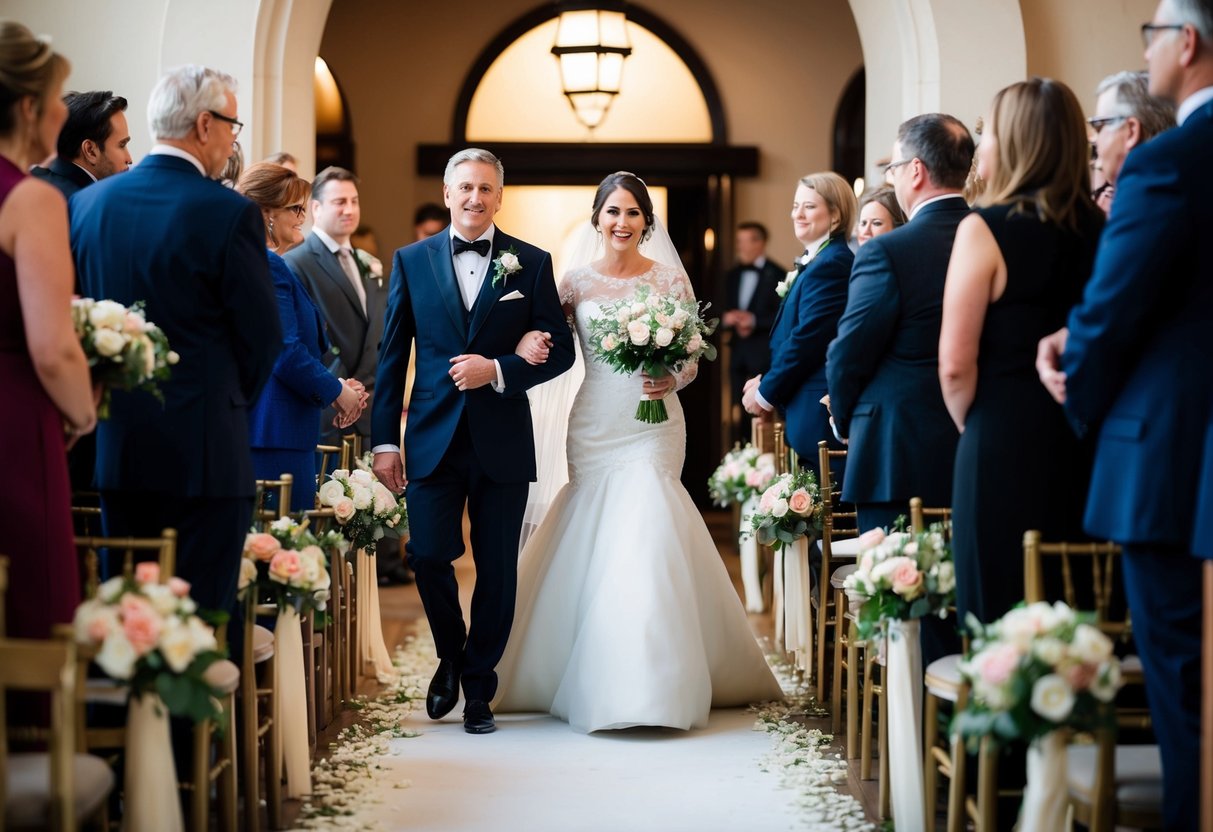
When planning a second wedding, it’s essential to follow certain traditions and etiquette. These can help create a meaningful experience for you and your loved ones, while also respecting previous family dynamics.
Understanding Second Wedding Etiquette
Second wedding etiquette often differs from first weddings. It’s important to acknowledge previous marriages while focusing on the present.
You might choose to invite family members from both sides to create a sense of unity.
Traditionally, the person who walks the bride down the aisle can vary. Some may prefer to be escorted by a parent, while others might opt for a close friend or relative. You should select someone who represents support and love in your new journey.
Role of the Father of the Bride
If your father is still alive and available, his presence can be significant. Traditionally, he walks the bride down the aisle, symbolizing support and giving you away.
Some brides with a strong relationship with their fathers may choose this option. Alternatively, you might want to include a stepfather or another male figure if your dad isn’t in the picture.
Make sure to discuss this choice with your father and explain its meaning to you. His feelings should be taken into account to maintain harmony.
Involving Parents and Grandparents
Involving parents or grandparents can be touching. It’s common for the groom’s parents to be included in the ceremony as well. They can walk down the aisle before the bride.
If you have close relationships with your grandparents, consider honoring them by including them in the processional. You might ask them to walk down the aisle before the parents. This gesture highlights family support and love, making the occasion even more special.
Feel free to break away from traditional norms and create your own unique processional order based on what feels right for you. Your wedding should reflect your style and values.
The Wedding Processional
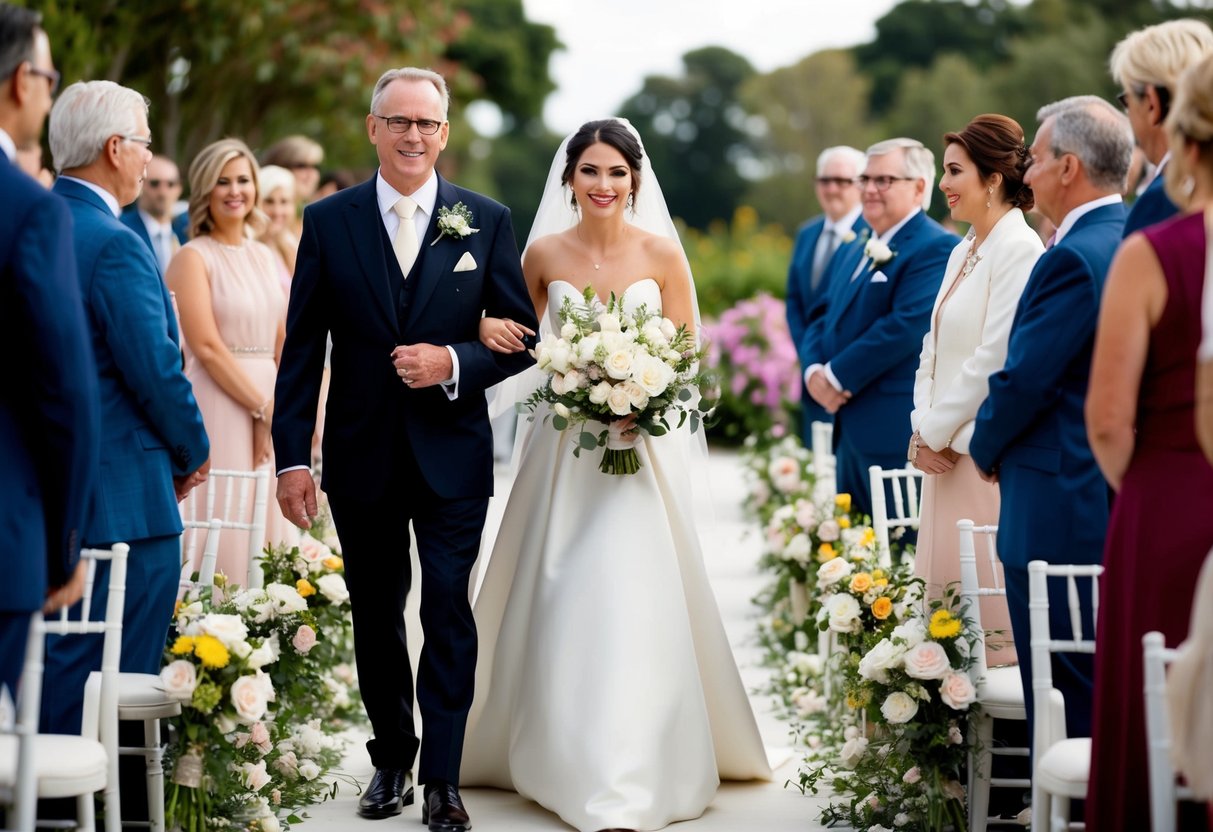
The wedding processional is an important part of your ceremony. Knowing how to plan it and who will walk you down the aisle can make the day feel even more special. Let’s explore the details.
Planning The Processional Order
When planning your wedding processional order, think about who will walk in, when, and how.
Here’s a traditional order you might consider:
- Seating of the Guests: Prelude music plays while guests find their seats.
- Family Members: Typically, immediate family members are seated first.
- Wedding Party: Bridesmaids and groomsmen walk down the aisle, usually paired.
Finally, the bride walks down the aisle. You can personalize this order for your second wedding. Consider including children from previous marriages or close friends who might want to join you in the processional.
Who Walks the Bride Down the Aisle?
In a second wedding, choosing who walks you down the aisle can be different from traditional norms.
You might opt for:
- Your Parent(s): They can be a comforting presence during this special moment.
- Your Children: Walking with your kids can signify unity and new beginnings.
- A Close Friend: This option allows you to honor important relationships.
Feel free to mix and match! The key is to choose someone who makes you feel supported and happy as you walk toward your future.
Special Considerations for Jewish Weddings
A Jewish wedding processional has unique customs. If you’re incorporating these traditions, it’s essential to know them.
- Chuppah: This is the canopy under which you’ll stand. Remember to arrange this before the processional starts.
- Walking Together: In some customs, both parents walk with the bride, symbolizing family unity.
- Ketubah: Consider showing or signing this marriage contract before the processional begins.
Understanding these elements can help you respect traditions while also making the ceremony your own. Choose elements that resonate with you and your partner.
Bridal Party Dynamics
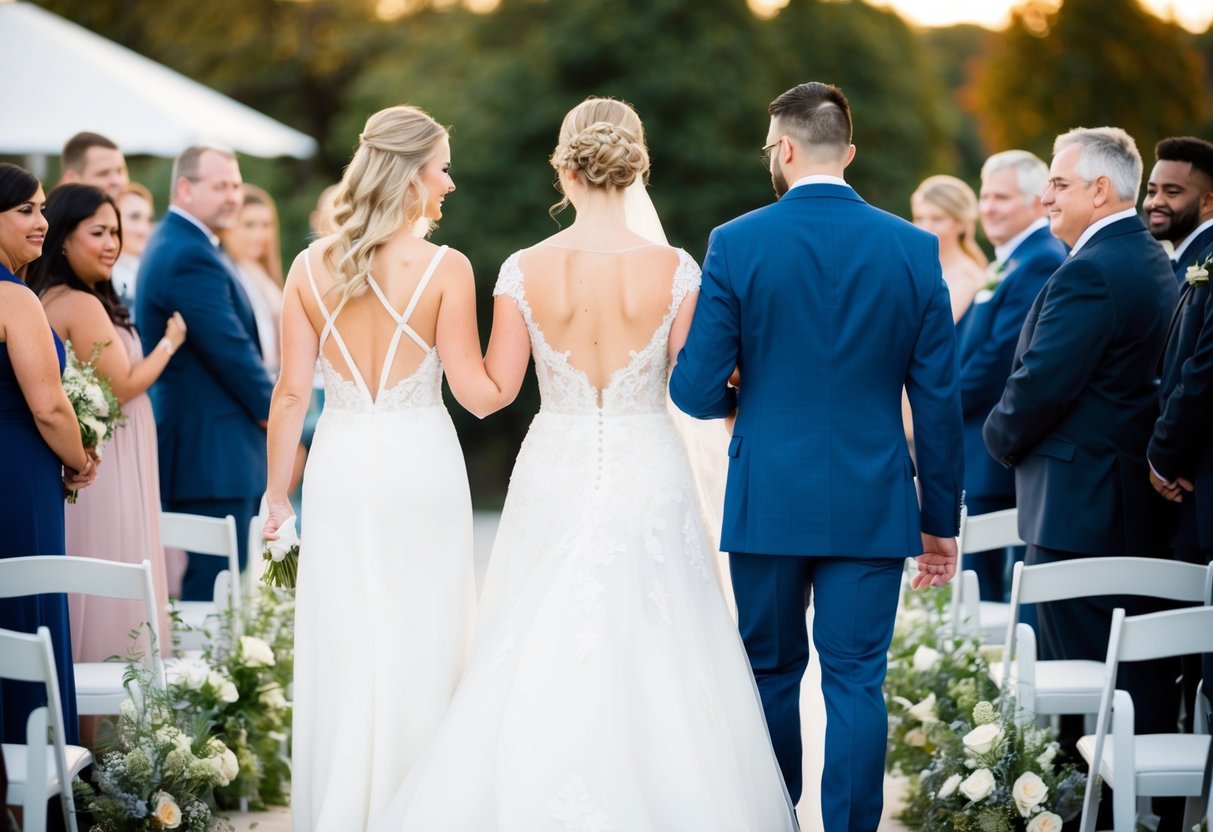
In a second wedding, the dynamics of the bridal party can be unique and meaningful. Understanding the roles of each member and how to incorporate stepfamilies is important for creating a harmonious celebration.
Roles of the Bridal Party Members
The bridal party typically consists of close friends and family. In a second wedding, you may choose to honor previous relationships or invite new people.
- Bridesmaids: They provide support and can help with planning. You might also include friends you didn’t have in your first wedding.
- Maid of Honor: This person plays a central role, assisting you closely. Often, this can be a sister or a trusted friend.
- Groomsmen: Similar to bridesmaids, they stand by the groom. You may want a mix of old friends and newer relationships.
- Best Man: This person supports the groom and gives a toast during the reception. Choosing someone who understands your journey can be meaningful.
- Ring Bearer and Flower Girl: These roles can be filled by children from your blended family or close friends’ kids, adding a sweet touch.
Stepfamilies and Bridal Party Selection
Including stepfamilies in your wedding can be rewarding. It reflects the blending of families and the new relationships you cherish.
When selecting members from stepfamilies, consider their feelings. Invite a stepfather or stepparent to play a special role, such as walking you down the aisle or giving a reading.
Open communication is key. Discuss with your partner how to involve their family members, too. This effort shows respect and unity. Creating space for their children in the bridal party fosters closeness and acceptance, making the celebration more special for everyone involved.
Special Moments and Considerations
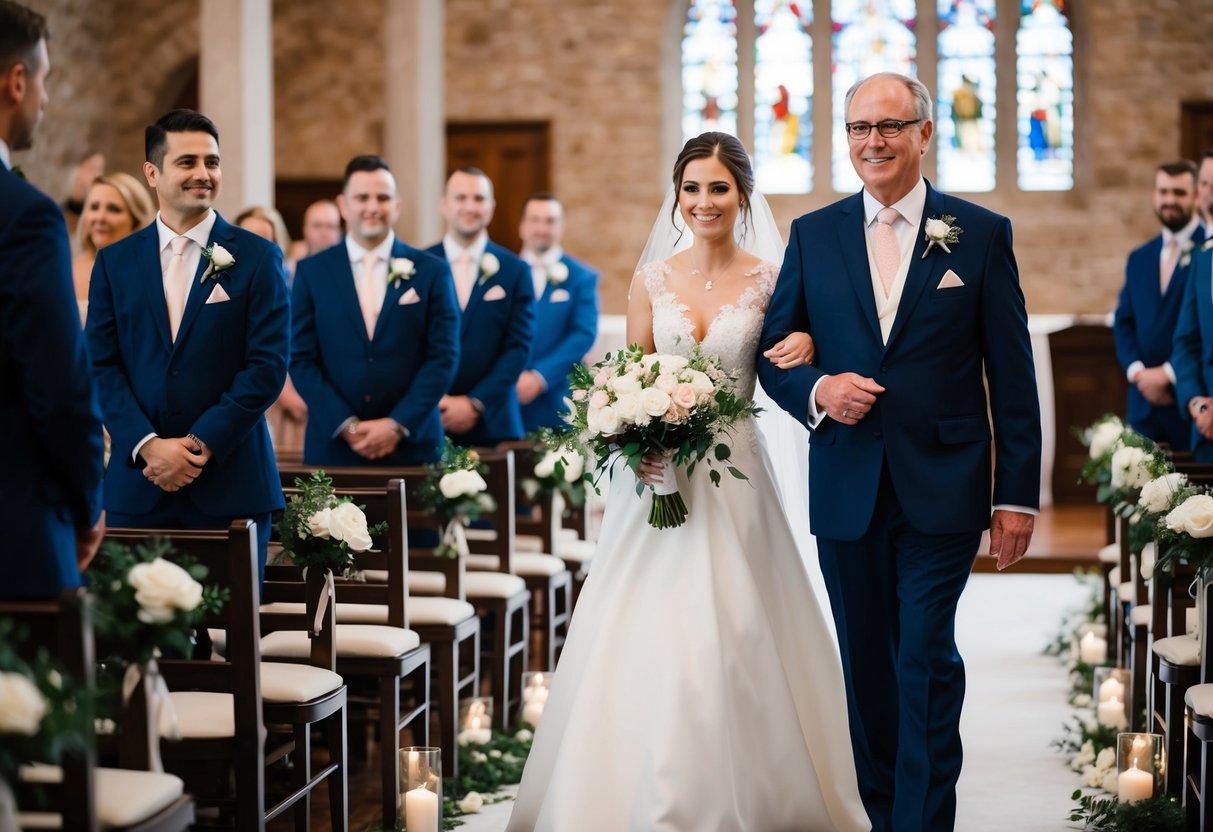
Navigating a second wedding involves unique moments and thoughtful considerations. You can personalize the ceremony to reflect your journey and honor the important people in your life.
Personalizing the Ceremony
For a second wedding, think about incorporating elements that showcase your personality and experiences. You might choose to have both parents walk you down the aisle. This symbolizes support and love from your family.
Another option is to include children from previous relationships in the ceremony. They can participate as flower girls, ring bearers, or even escort you. This adds a special warmth to the event.
Consider having a unique reception where you can highlight your story together. The music, decor, and even your vows can be personalized. This will create a memorable experience for you, your partner, and your guests.
Gift Etiquette for Second Marriages
Expectations for gifts at a second wedding may differ. Guests might lean towards thoughtful gestures rather than traditional gifts.
You can create a wish list or suggest contributions towards a honeymoon, a new home, or experiences together.
If you have a registry, consider asking for items that reflect your current needs. Avoid asking for things that might duplicate what you already own.
Gift giving can also include contributions to charity in your name. This reflects your values and shared interests with your partner. It’s a kind way to celebrate your union while giving back.
Always make sure to graciously acknowledge any gifts you receive.