
Who Walks the Bride to the Groom? Understanding Traditions and Roles in Wedding Ceremonies
When you think about your wedding day, one of the most touching moments is often the bride walking down the aisle. Traditionally, the father of the bride walks her to the groom, symbolizing his support and blessing for the union. This moment captures the hearts of everyone present and sets the tone for the entire ceremony.
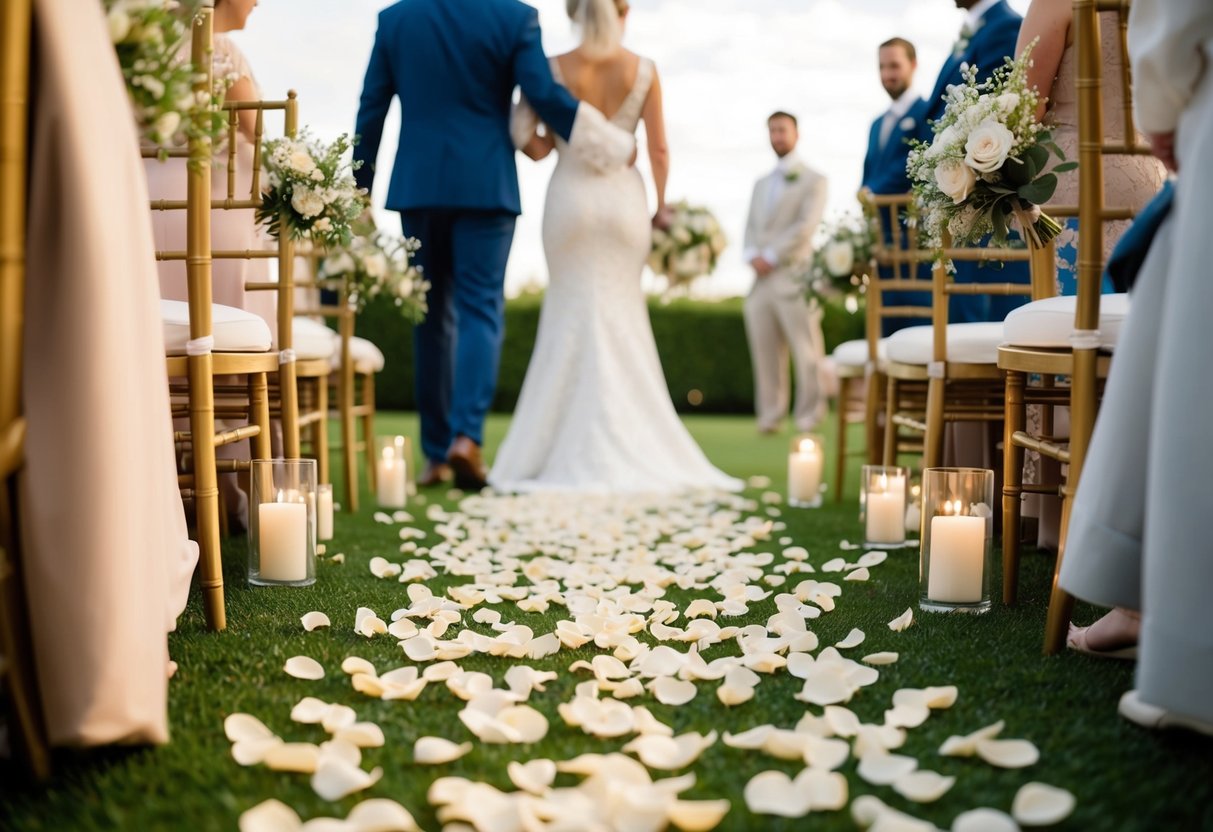
The wedding processional order adds to this emotional experience. While the bride usually walks last, leading the way to her groom, other important figures like the bridesmaids and flower girls precede her. Each member has a special role that enhances the atmosphere of love and joy during the ceremony.
Understanding who walks the bride to the groom can help you plan your wedding effectively. Whether you choose a traditional route or adapt to your personal style, it’s all about making a memorable experience that reflects your unique love story.
The Role of Family in the Wedding Processional
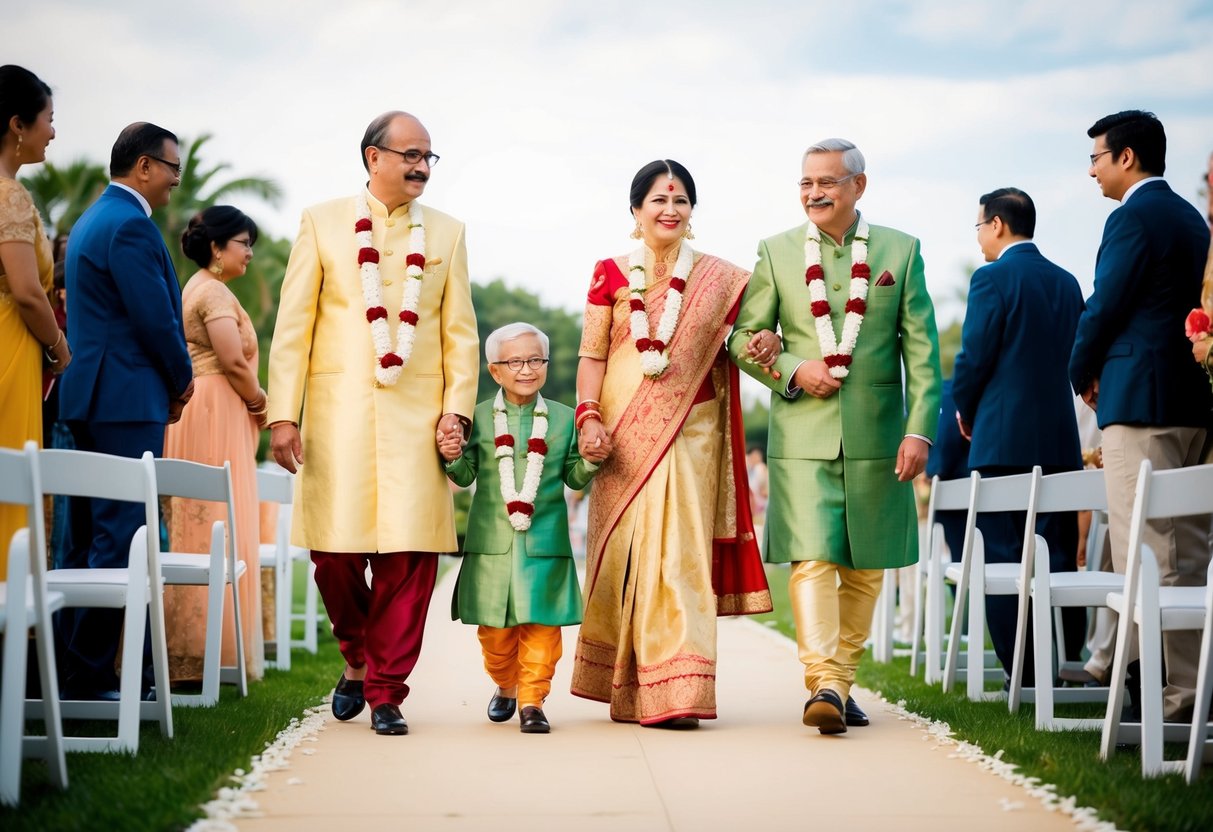
Family plays a crucial part in the wedding processional, especially in how they support and escort the bride. The involvement of parents and grandparents enhances the ceremony’s emotional significance, highlighting traditions that many couples cherish.
Tradition of Escorting the Bride
Traditionally, the bride is escorted down the aisle as a symbol of support and love from her family. Usually, the father of the bride fulfills this role by walking her to her future husband. This moment marks a transition in the bride’s life, from her family to her partner.
Sometimes, other family members may join in. For instance, the bride could be escorted by both parents or a significant relative if her father is not present. It’s a meaningful way to involve those closest to her on this special day.
Parents of the Bride and Groom
Both sets of parents have important roles during the processional. The groom’s parents traditionally walk down the aisle first, often followed by the bride’s mother. This order sets the stage for the bridal party’s entrance and highlights the unity between the two families.
As they walk, parents can take a moment to reflect on their children starting this new chapter. Their emotional presence adds depth to the ceremony and creates a supportive environment for the bride and groom.
Inclusion of Grandparents
Grandparents often hold a special place in family traditions. Their participation in the processional can add warmth and tradition to the ceremony. Typically, grandparents follow the ushers, walking down the aisle before the parents.
Including grandparents honors their role in the family and acknowledges their wisdom and love. This can be especially touching for everyone present, as it blends generations and showcases family history. It’s a lovely way to celebrate the couple’s roots and the support of all family members.
Order of Entrance for the Wedding Party
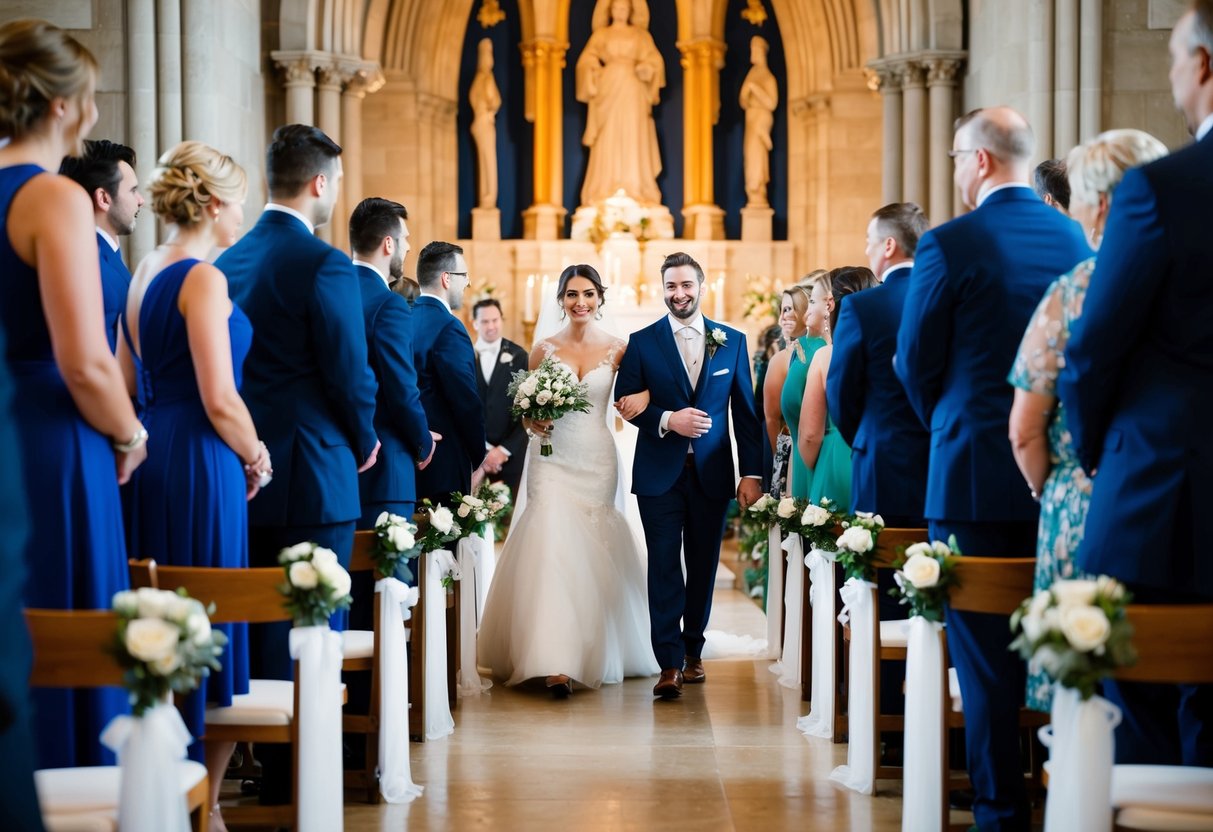
The entrance order for the wedding party sets the tone for the ceremony. Understanding who walks in when can help make your special day run smoothly.
The Role of the Officiant
The ceremony typically begins with the officiant entering first. This person is in charge of guiding the ceremony and ensuring everything goes according to plan. Your officiant can walk down the aisle alone or with an usher. It’s common for this to happen right before the main wedding party arrives. As they take their place at the front, they may acknowledge guests with a warm greeting, setting a welcoming atmosphere for everyone.
Bridesmaids and Groomsmen
Following the officiant, the bridesmaids and groomsmen enter. Traditionally, this occurs in pairs, with the groomsmen leading the way. Each pair walks down the aisle, displaying their beautiful attire. In some cases, they may also be accompanied by an usher. If the couple has chosen a unique theme, feel free to add personal touches. For example, bridesmaids can carry bouquets or sentimental items that reflect your story.
Special Roles for Younger Participants
You might also want to include younger participants in your ceremony. The flower girl and ring bearer often make their entrances after the bridesmaids and groomsmen. The flower girl typically scatters petals down the aisle, adding a lovely, whimsical touch. The ring bearer usually follows closely behind, carrying the wedding rings in a special pillow or box. These roles bring extra charm and innocence to your ceremony, making the moment even more memorable for you and your guests.
Cultural and Religious Wedding Traditions
Cultural and religious wedding traditions vary widely across different communities. Each provides a meaningful backdrop for the moment when the bride walks to the groom, reflecting values and beliefs that have been passed down for generations.
Christian Wedding Customs
In Christian weddings, the tradition of who walks the bride down the aisle can differ. Typically, a bride is accompanied by her father, symbolizing his support. This moment is significant as it highlights the transition from her family to her new partner.
During the ceremony, Scripture readings are often included. Many Christian ceremonies take place in churches, under a wedding canopy or in an outdoor venue. The groom usually waits at the altar, ready to exchange vows. Special songs or hymns may be sung, enriching the experience.
Jewish Wedding Practices
In a Jewish wedding, the walking down the aisle is rich with symbolism. The bride often walks under the chuppah, a wedding canopy that represents the home the couple will build together. The groom and his family usually arrive first, followed by the bride and her family.
During this process, guests may sing and share blessings. The ceremony includes circling the groom, a tradition that symbolizes the bride’s commitment. Family and cultural traditions play a vital role in creating a personalized wedding experience, making it memorable for everyone.
Hindu Wedding Processions
Hindu wedding ceremonies uniquely blend vibrant customs and rituals. The bride and groom often have separate processions. The baraat is the groom’s procession, where he arrives with music and dancing, showcasing fun and excitement.
The bride usually walks down the aisle adorned with beautiful attire and jewelry. She is often accompanied by her parents or relatives. The wedding takes place under a mandap, an elaborate structure that serves as the ceremony’s focal point. These rituals emphasize the commitment between the couple and the importance of family.
Other Religious and Cultural Ceremonies
Many other cultures also have unique traditions for walking down the aisle. In military weddings, members of the honor guard may also take part. Meanwhile, in some Muslim weddings, the bride may walk in alone, highlighting her independence.
For nondenominational and civil ceremonies, the focus may shift based on personal preferences. Couples may choose to walk together or create custom traditions that represent their beliefs. Each tradition, whether religious or cultural, adds depth and significance to the ceremony, making it an essential part of your wedding day.