
Who Walks the Divorced Mother of the Bride Down the Aisle? Exploring Tradition and Choices
Weddings can bring up a lot of emotions, especially when it comes to family dynamics. If you’re the daughter of a divorced mother, you might wonder who will walk her down the aisle on your big day. The answer often depends on your mother’s wishes and your family’s unique circumstances.
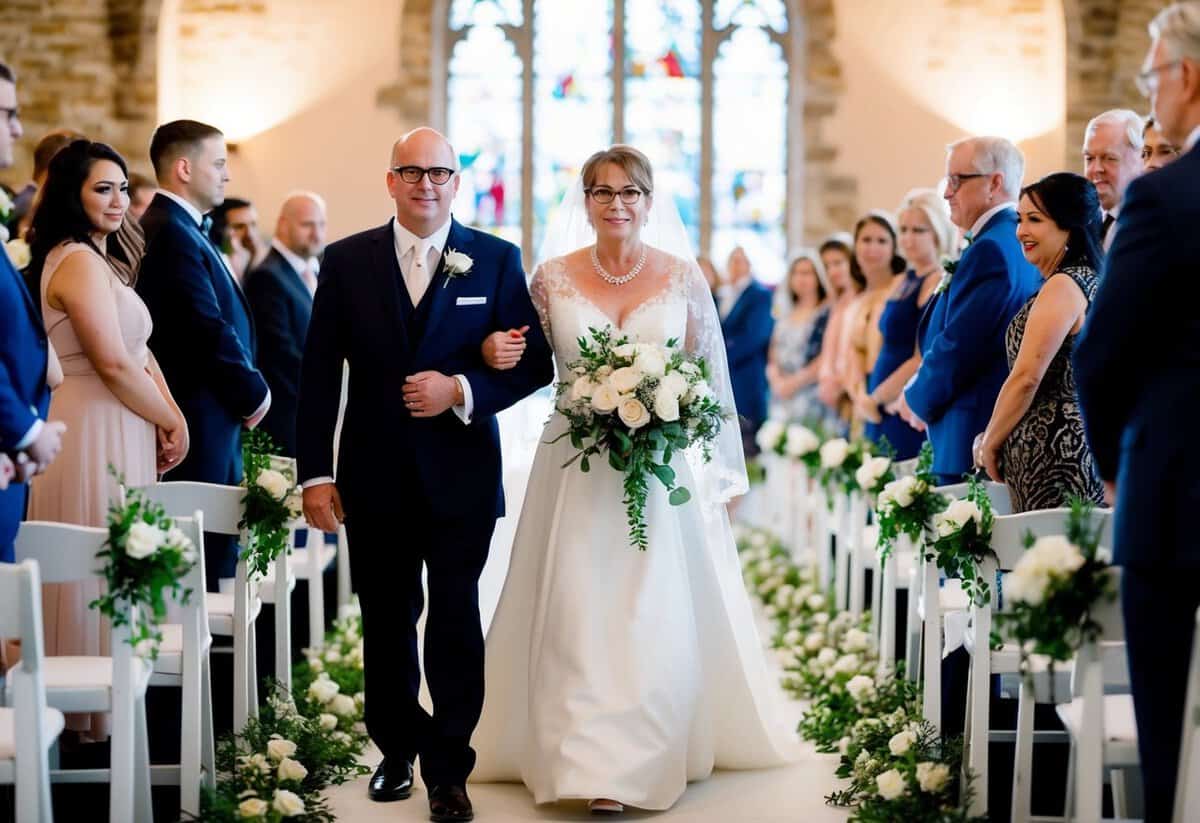
Many choose to let the mother walk alone, showing her strength and independence. In other cases, she may want to be escorted by her partner, a close friend, or even a family member like a son. These choices can add meaning to the moment and honor her in a way that feels right for both of you.
Navigating these family traditions can feel challenging, but remember that there are no strict rules. The best approach is to communicate openly with your mother and decide together what feels best for you both. Embracing these choices can make your wedding day even more special.
Wedding Processional Basics
When planning a wedding, understanding the processional is essential. This is the order in which people walk down the aisle during the ceremony.
Traditional Orders:
-
Christian Wedding Processional: Typically starts with grandparents, followed by the groom’s parents, the bride’s mother, and then the bridal party.
-
Jewish Wedding Processional: Often both sets of parents walk down the aisle with the bride and groom, showing family unity.
-
Hindu Wedding Processional: May include various family members and follow specific customs based on regional practices.
For a divorced mother of the bride, she may walk alone or be escorted by a family member or her ex-spouse. This choice can reflect the family’s values and support.
Key Roles in the Processional:
-
Ushers: Seat guests before the ceremony begins.
-
Parents: Usually walk before the bridal party.
-
Bridal Party: Includes bridesmaids and groomsmen.
Understanding these roles helps make your wedding ceremony flow smoothly. You can personalize these traditions to suit your family and beliefs. The goal is to create a meaningful and memorable event.
Roles and Responsibilities
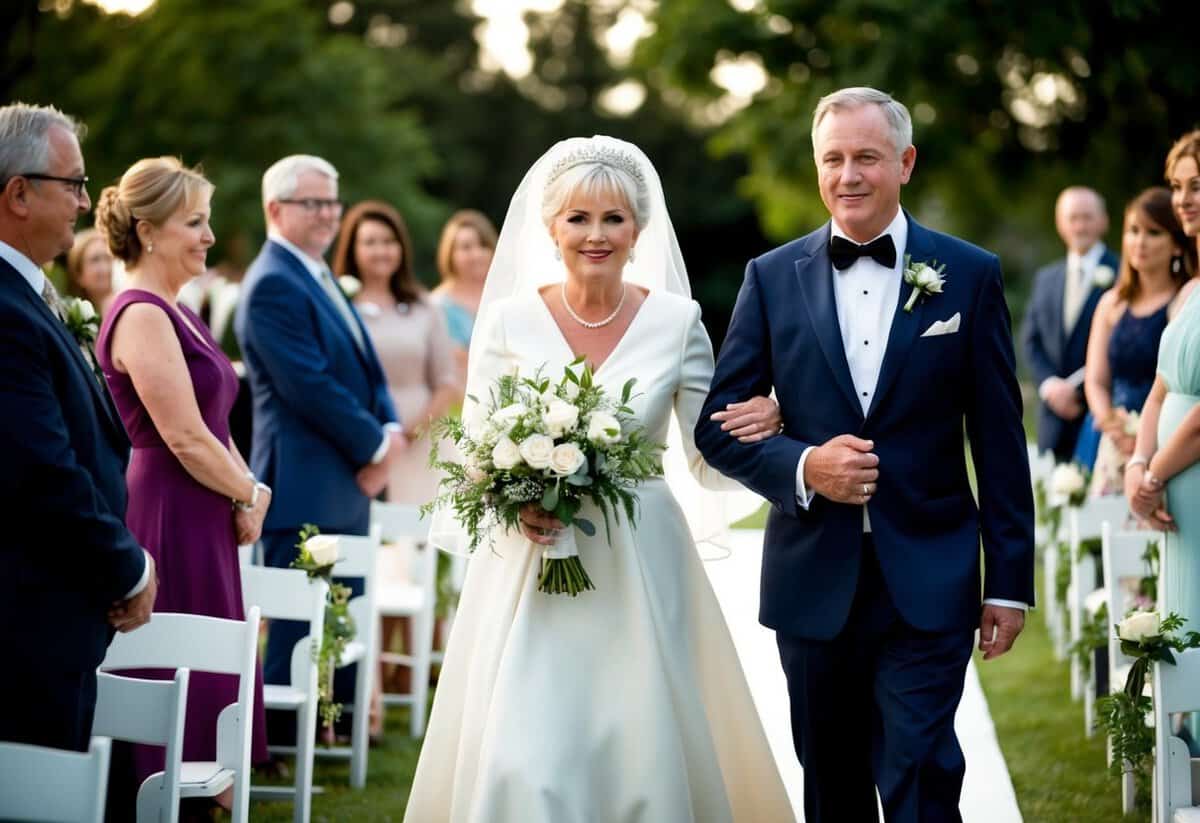
Understanding the roles and responsibilities in the wedding procession can help you feel more prepared. This section will outline the key players involved in walking the divorced mother of the bride down the aisle and their roles in the ceremony.
Mother of the Bride
As the mother of the bride, your role is special and often emotional. You may choose to walk alone, which allows you to express independence. Alternatively, if you have an amicable relationship with your ex-spouse, walking together symbolizes unity and respect for family.
You can also choose a close male relative, like your brother or a son, to walk you down the aisle. This moment is significant as it represents the bond with your family, and sharing it can bring a sense of comfort and continuity.
Father of the Bride
The father of the bride typically has a traditional role in the wedding procession. If you are on good terms, he might walk you down the aisle. This can symbolize his ongoing support and love, reinforcing family ties.
In cases where parents are divorced, the dynamics can change. It’s important to discuss how both parents feel about this role to ensure everyone is comfortable. Communication can help maintain respect and harmony during the ceremony.
Other Family Members
Other family members can play vital roles in the procession. Your siblings, such as brothers or sisters, may take part by walking alongside you or standing close during the ceremony. This creates a sense of support and family unity.
Grandparents might also have special roles, whether escorting you or sitting in prominent seats during the event. Their presence can add a meaningful touch as they symbolize family heritage and continuity.
Bridal Party Involvement
Bridal party members, including the maid of honor and bridesmaids, also have important responsibilities. They are there to support you emotionally and logistically. As you walk down the aisle, they can help ease any nerves and share in the excitement of the moment.
Groomsmen and the best man often play a part in the ceremony as well. They provide additional support for the groom and help ensure everything runs smoothly. Their involvement highlights the bond between both families, adding to the joyous atmosphere of the wedding.
Navigating Divorce in Wedding Ceremonies
Weddings can be a beautiful celebration of love, but they can also present challenges for families, especially when divorced parents are involved. Understanding how to navigate these sensitive dynamics can help you create a meaningful and supportive ceremony.
Divorce and Modern Weddings
In modern weddings, it’s common for families to include divorced parents. Many couples find ways to honor both sides without creating tension. You could consider unique seating arrangements or special roles in the ceremony for each parent.
If relationships between parents are amicable, they might participate together, walking down the aisle as a show of support. If not, it’s perfectly fine for the mother to walk alone. The goal is to keep the focus on your love and commitment.
Who Walks the Bride Down?
Deciding who walks you down the aisle is a personal choice. You may choose your father, mother, or even a close family member. Some brides prefer to walk alone or with both parents for balance and support.
This is about your comfort and what feels right for you. Talk with your parents ahead of time to gauge their feelings. Arrangements can be made that respect all relationships involved while prioritizing your happiness and the day’s significance.
Symbolism and Sensitivity
The symbolism in a wedding ceremony often reflects unity and family strength. With divorced parents, it’s essential to approach the day with sensitivity.
Consider the emotional implications for everyone involved. You might honor both your parents while ensuring that feelings are acknowledged. Finding a balance can strengthen family dynamics and show respect for individual relationships.
Incorporate gestures like a special moment to recognize your parents or dedicating a part of the ceremony to family unity. This helps reinforce love and respect while celebrating your independence and new beginning.
Special Considerations for Various Traditions
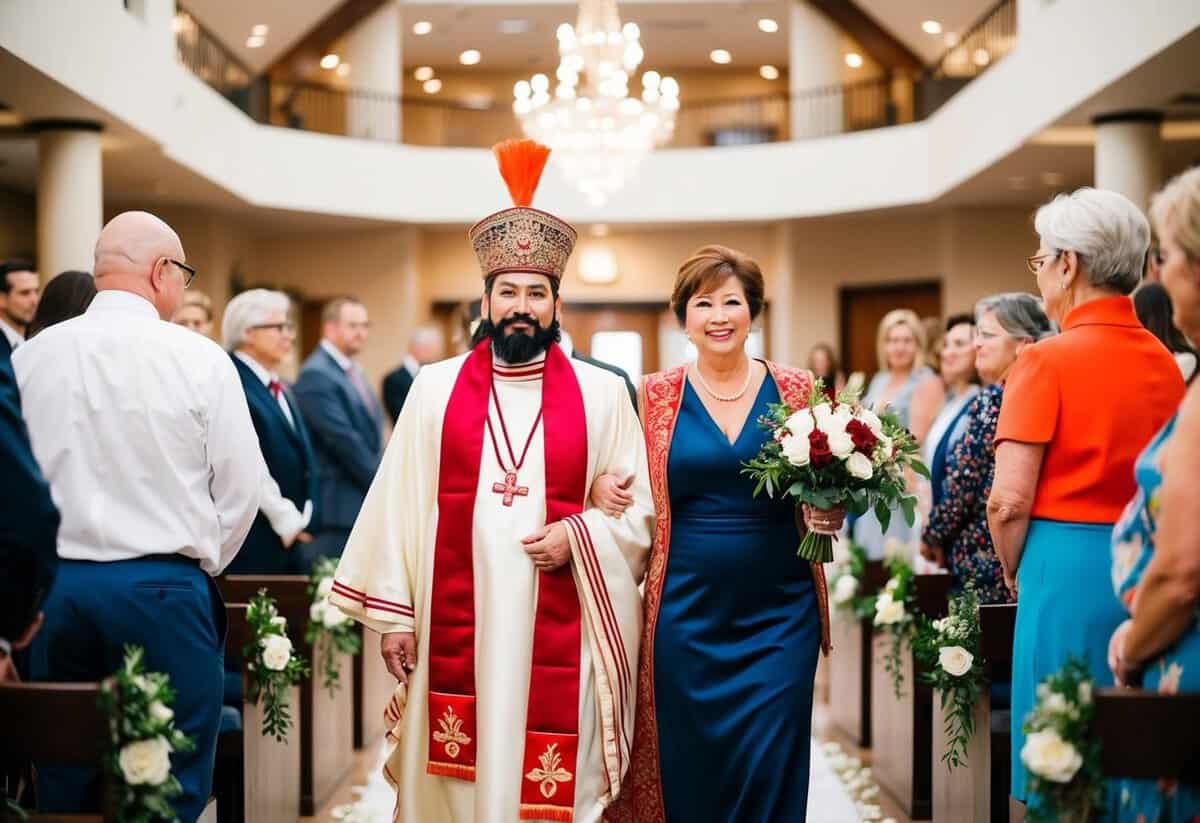
When it comes to walking the divorced mother of the bride down the aisle, different traditions offer unique practices and meanings. Understanding these customs can help you create a special moment that honors relationships and family connections.
Christian Weddings
In a Christian wedding, the mother of the bride typically walks down the aisle before the bridal party. She may be escorted by an usher, a family member, or her partner if she is divorced. This moment is meaningful as it sets the tone for the ceremony.
The mother’s walk symbolizes her support of the bride and the family’s union. Some couples choose to personalize this by allowing the mother to walk alone or with a close friend, highlighting her importance in the ceremony.
Jewish Ceremonies
In Jewish ceremonies, both parents often walk the bride and groom down the aisle. If the mother is divorced, she may walk alone or with her ex-spouse if they maintain an amicable relationship. This reflects a commitment to family unity and respect.
The procession typically culminates at the chuppah, where they form the altar. This moment underscores love and connection, showing that family remains vital even after divorce. The symbolism here communicates respect for past relationships while celebrating new beginnings.
Hindu Weddings
Hindu weddings involve rich traditions, especially during the procession. The mother of the bride can be escorted by her current partner, son, or a close family member.
Typically, the bride first arrives at the mandap (wedding altar) with her family. This highlights the bonds between her parents and emphasizes the importance of family. The baraat (groom’s procession) often follows, showcasing a lively celebration.
The mother’s participation in this ritual symbolizes her approval and blessing for the union, making it a significant moment.
Nondenominational Weddings
In nondenominational weddings, ceremony structures are often more flexible. The divorced mother of the bride might walk alone, be escorted by a friend, or go with a family member. This type of ceremony focuses more on the couple’s personal values and relationships than strict traditions.
You can create a meaningful moment by allowing the mother to have her choice in who walks with her. This approach highlights mutual respect and the importance of connections, making every part of the ceremony feel authentic.