
Who Walks the Groom Down in a Wedding? Understanding the Tradition and Roles
When you think about a wedding ceremony, many details come to mind, from the wedding party to the heartwarming vows exchanged at the altar. Typically, the groom walks down the aisle alone or is accompanied by both of his parents, offering a touching moment as he makes his way to the officiant. This choice often reflects personal values and family traditions.
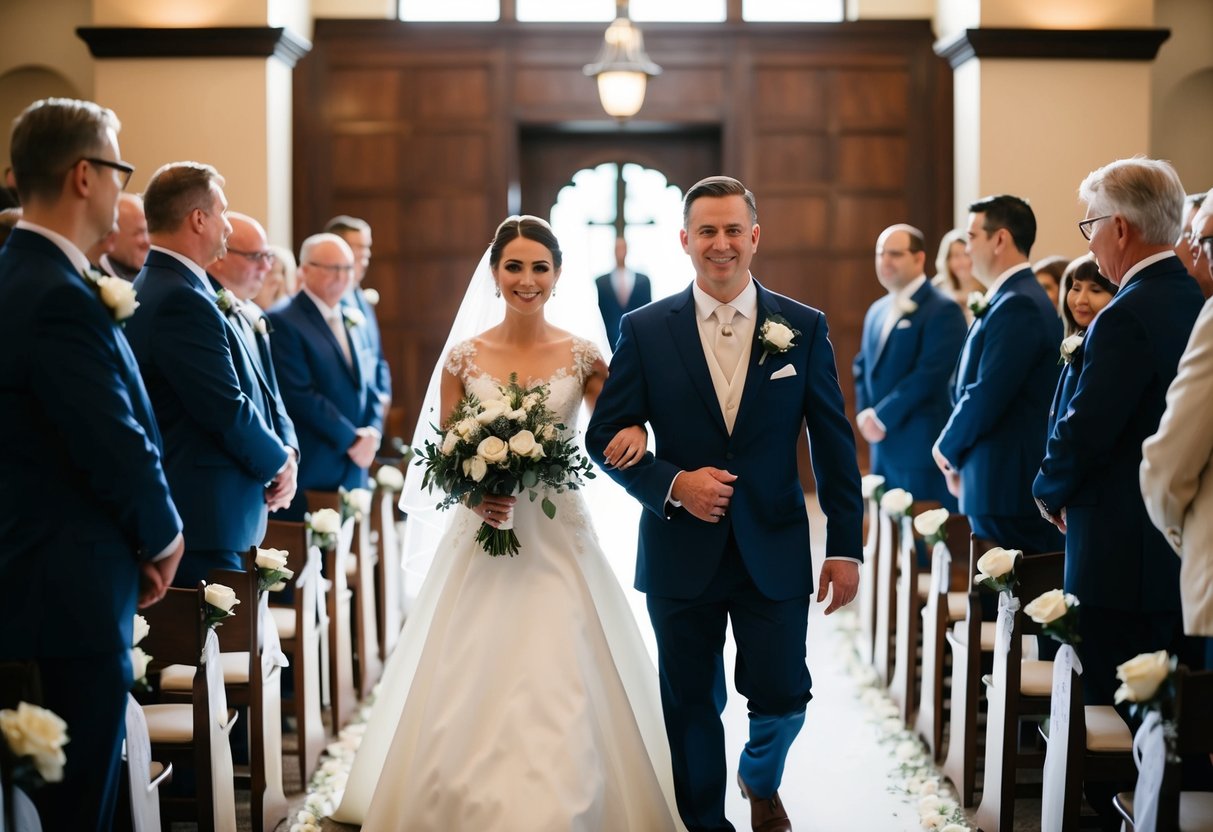
As you prepare for your big day, consider the role of those who will accompany you during the wedding processional. The processional order can vary depending on personal preferences or cultural customs.
Whether you decide to walk with your parents, friends, or solo, it’s a moment to cherish and express your feelings as you head toward the commitment you’re about to make.
Understanding who walks the groom down the aisle can help set the tone for your wedding day. By honoring your loved ones and articulating what this moment means to you, you create a memorable experience not just for yourself, but for everyone involved in the ceremony.
The Role of the Groom’s Parents
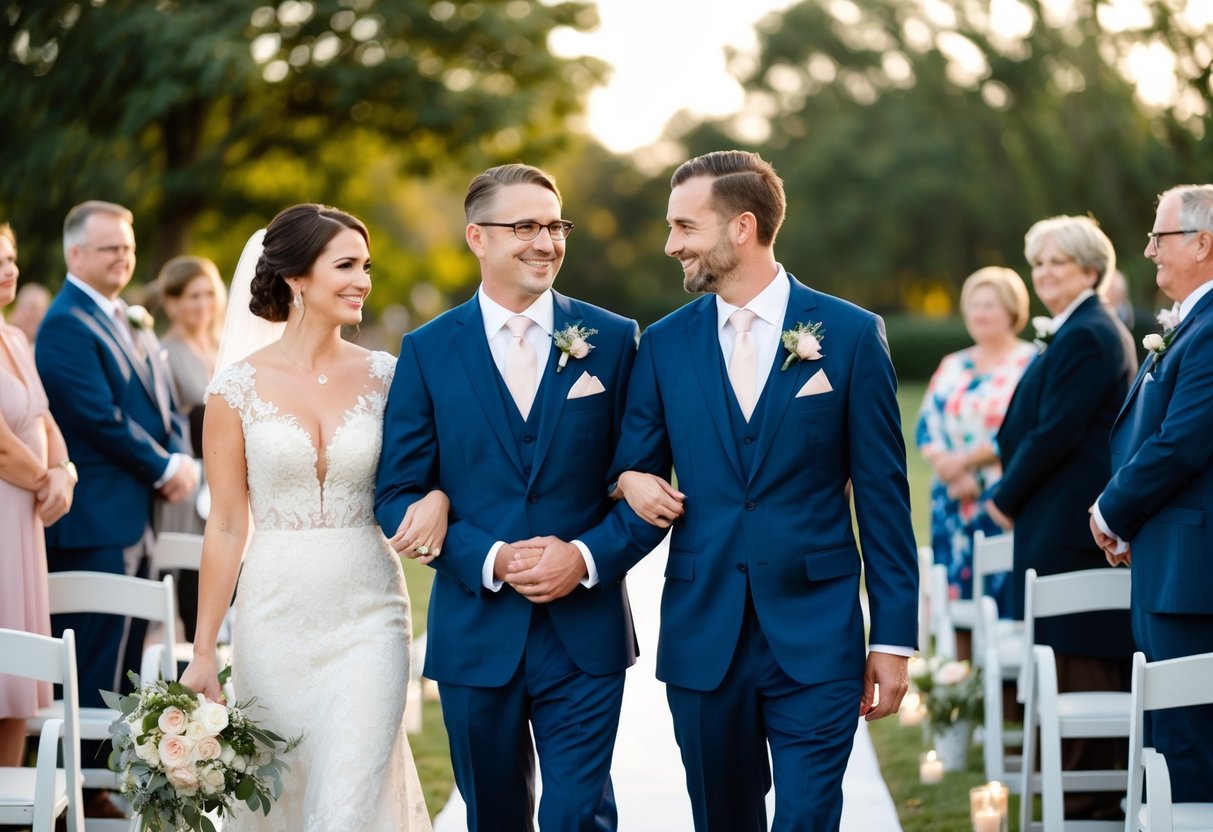
The groom’s parents play a significant part in the wedding ceremony. Their involvement can vary based on cultural traditions and personal choices. Here’s a look at their roles in different situations.
Mother of the Groom
The mother of the groom holds a special place during the wedding. Traditionally, she walks down the aisle after the grandparents and before the bride. This symbolizes her support for her son and his new life.
In some ceremonies, she may also be responsible for escorting family members to their seats. Additionally, she might help with planning or hosting the rehearsal dinner, ensuring everything runs smoothly.
During the ceremony, her presence signifies family unity and love. The groom may express appreciation for her during a speech, highlighting her sacrifices and support throughout his life.
Father of the Groom
The father of the groom also has important duties. In many ceremonies, he walks in alongside the mother of the groom. In some cases, he may give a speech that shares heartfelt stories and welcomes the bride’s family.
In a traditional Christian wedding, both parents typically sit in the front row on the right side. In a Jewish wedding, he may stand under the chuppah with the groom and offer his blessing. This moment highlights the father’s role in guiding and supporting his son as he enters this new chapter.
Groom’s Parents in Different Wedding Traditions
The roles of the groom’s parents can change based on cultural backgrounds. In a Christian wedding, both parents often walk down the aisle together. They may sit in specified places, usually at the front, to show their support.
In a Jewish wedding, the groom’s parents walk alongside him to the chuppah. This tradition emphasizes the importance of family in establishing a new home together.
In Hindu and Muslim weddings, the parents are also actively involved, participating in rituals and blessings that signify family unity and support.
Understanding these roles helps you appreciate the different traditions surrounding weddings. Each element showcases the love and commitment of families in supporting the couple on their special day.
Processional Structure and Order
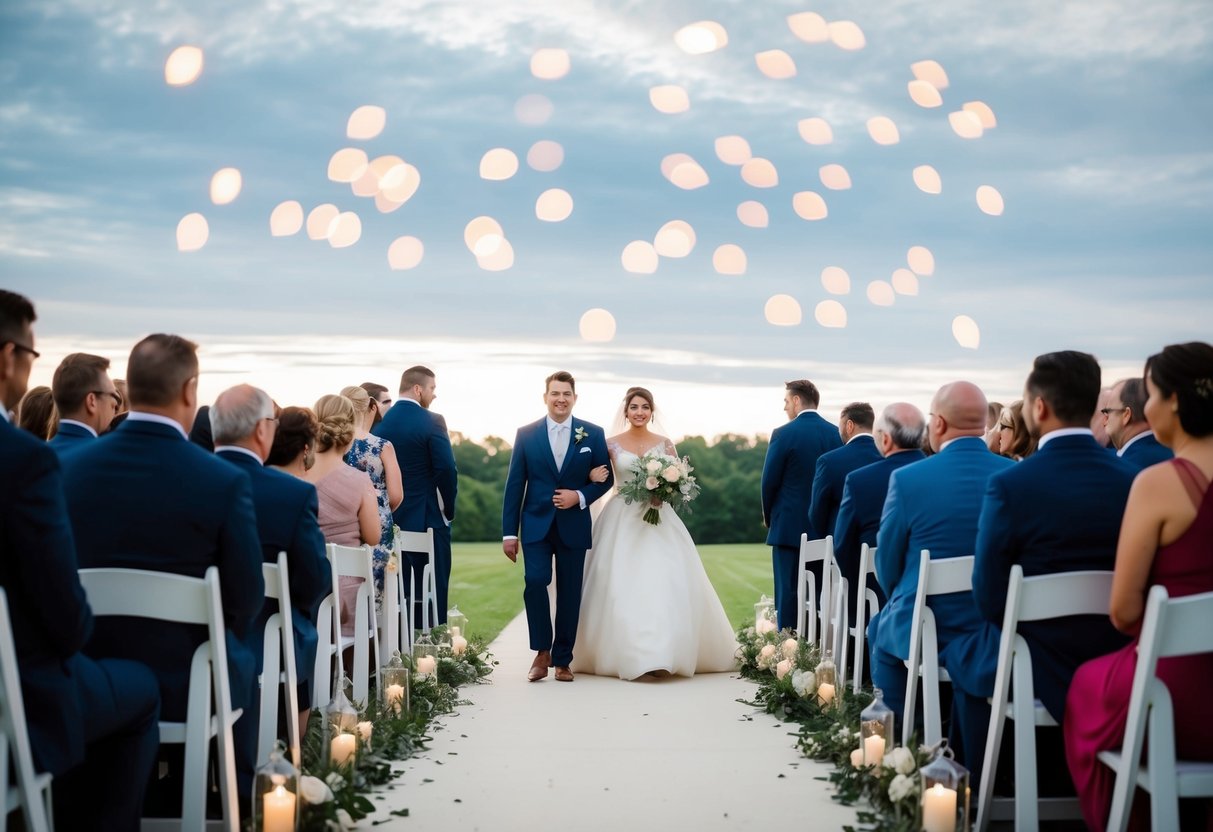
The processional structure and order can vary based on cultural and personal preferences. Understanding the different styles gives you a clearer picture of how to plan this important part of your wedding ceremony.
Traditional Christian Ceremony
In a traditional Christian wedding, the processional usually starts with the groom and officiant taking their places at the altar. The groom may be escorted by his parents or a close family member.
After that, the bridal party enters, beginning with the groomsmen and bridesmaids walking in pairs. The maid of honor is typically the last to walk in before the bride.
The bride usually makes her entrance last, signaling the emotional highlight of the event. Music, often chosen by the couple, plays a significant role during the processional, enhancing the moment.
Jewish Wedding Ceremony
In Jewish weddings, the processional begins with the groom, often accompanied by his parents. He stands under the chuppah, a decorative canopy, while waiting for the bride. The bride, usually escorted by both of her parents, follows.
Often, there are extra customs involved, such as the signing of the ketubah or a pre-chuppah ceremony. The bridal party may include flower girls and ring bearers, adding more joy to the occasion. This blend of tradition and family involvement is very significant in Jewish weddings.
Hindu and Muslim Weddings
In Hindu weddings, the baraat is a colorful procession where the groom arrives, often riding a decorated horse or vehicle. He is usually accompanied by family and friends, dancing to lively music.
For Muslim weddings, the groom is also traditionally escorted, usually by close family members, to the ceremony site. Each ceremony has rich customs, such as the Nikah in Muslim traditions, where vows are exchanged. Both of these weddings emphasize the vibrancy of culture and community.
Secular and Modern Approaches
Secular and modern weddings allow for more flexibility in the processional order. You can make it uniquely yours by choosing who walks with you and in what order.
Some couples opt for both partners to walk down the aisle together. You might include friends, siblings, or even pets in the procession, instead of sticking to traditional roles. This modern approach often leads to a much more personalized and meaningful ceremony, reflecting your own beliefs and values.
Key Ceremony Participants
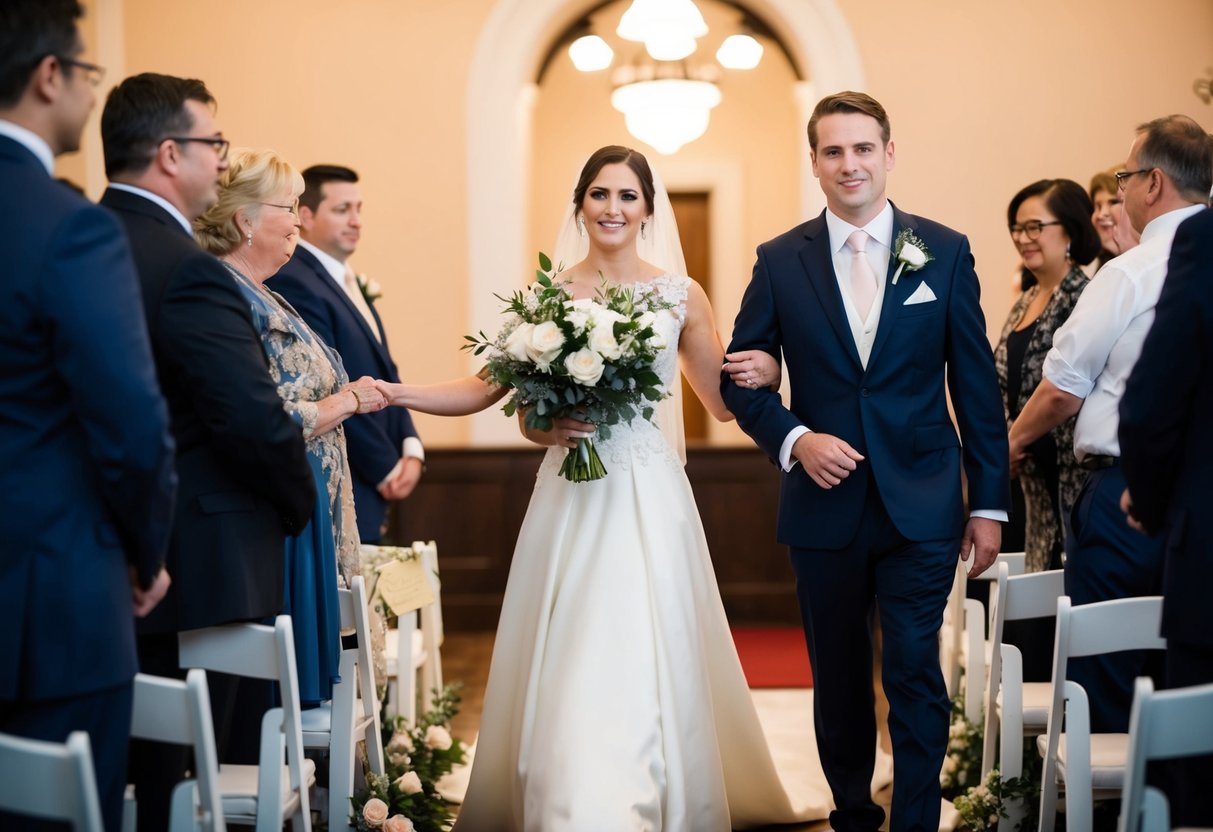
Understanding the roles of key ceremony participants helps to make your wedding day smooth and enjoyable. Each member brings their own importance to the event, crafting a wonderful atmosphere for you and your guests.
Bridal Party Entrances
The bridal party usually enters after the officiant and is an important part of the ceremony. The bridesmaids walk down the aisle first, followed by the maid of honor, who is typically the last to enter before the bride.
You might have flower girls and a ring bearer who walk ahead of the bridal party. The flower girl can toss petals or carry a small bouquet to add charm. Meanwhile, the ring bearer is responsible for carrying the rings, often in a cute pillow or box.
Groom and Best Man
As the ceremony begins, the groom and best man play crucial roles. The groom typically waits at the altar, eager to see his bride. The best man stands beside the groom, offering support and assistance during the ceremony.
Before the ceremony, the best man might help the groom with his attire and ensure he feels calm. He may also hold the rings until the officiant asks for them. This duo sets the tone for the ceremony, reflecting excitement and readiness for the vows ahead.
Special Roles Within the Wedding Party
Beyond the core bridal party, other special roles can enhance your ceremony. For instance, ushers are responsible for seating guests. This helps create a smooth flow as everyone arrives at the ceremony venue.
Moreover, your parents, especially the mother of the bride, often have a significant part in the processional. Grandparents may also be honored with a place of importance as they enter. Each participant adds a personal touch, making the day feel more intimate and special for you.
Emotional Significance and Variations
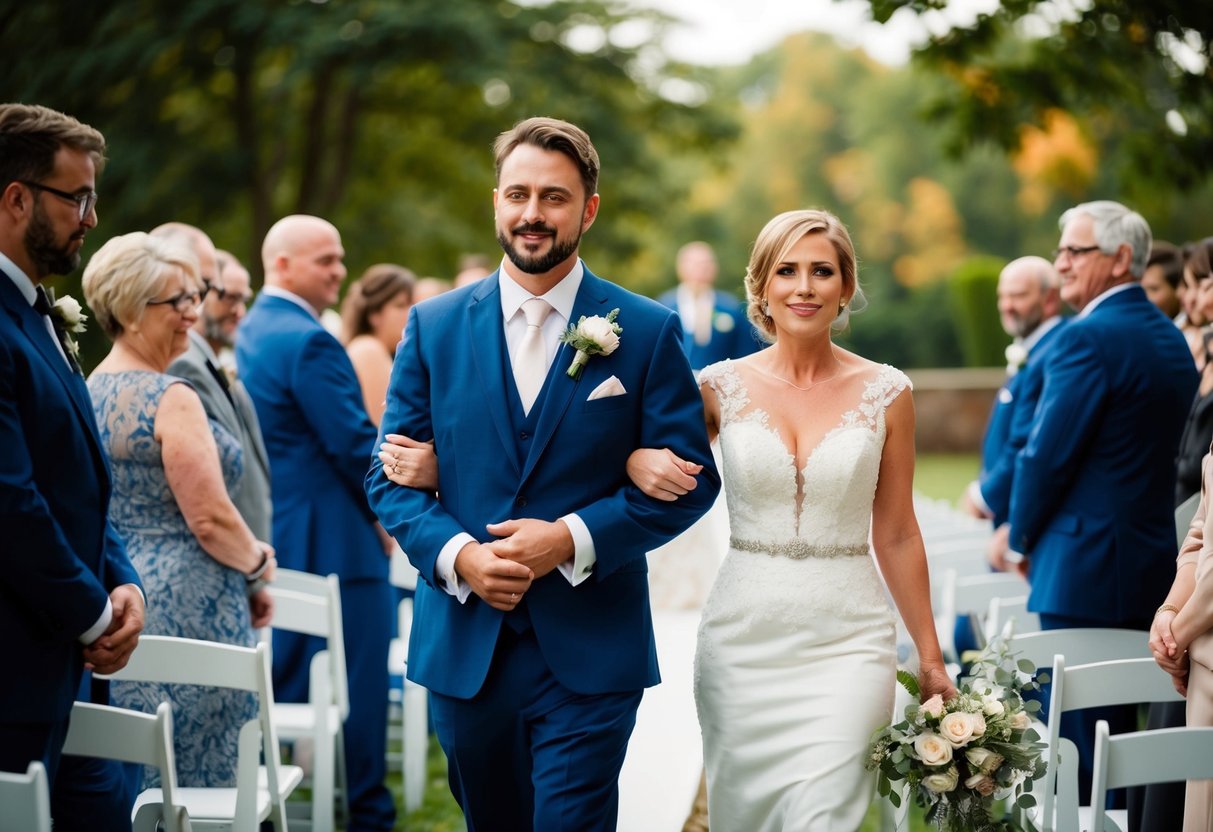
The moment you walk down the aisle is charged with emotion. If you’re the groom, your parents’ support can make this experience even more special. Traditionally, many grooms walk down the aisle with their mother or father. This act symbolizes love and guidance.
In some cultures, like Jewish weddings, the groom may walk under a chuppah with family members. In Indian weddings, the groom often stands under a mandap, surrounded by loved ones, highlighting togetherness.
Emotional Moments:
- Grand Entrance: The atmosphere builds as you enter, marking a significant moment in your life.
- Seeing the Bride: When you first catch a glimpse of your bride walking down the aisle, it’s a moment filled with joy and anticipation.
Remember, your wedding day is about you and your partner. You can choose who walks with you, whether it’s a parent, grandparent, or special friend. This choice reflects your personal journey.
Your wedding officiant plays a vital role, guiding you through the ceremony. The exchange of wedding rings often occurs during this time, a symbol of commitment.
Don’t forget about the recessional, where you walk down the aisle together after saying “I do.” This moment is just as meaningful as your first entrance. It marks the start of your new life together.