
Who Walks the Groom’s Parents Down the Aisle? A Guide to Wedding Traditions
When planning a wedding, many details can get overlooked, especially regarding who walks down the aisle.
Typically, the groom’s parents walk down the aisle right after the grandparents and before the bride’s mother. This order helps set the tone for the event and is a cherished tradition for many couples.
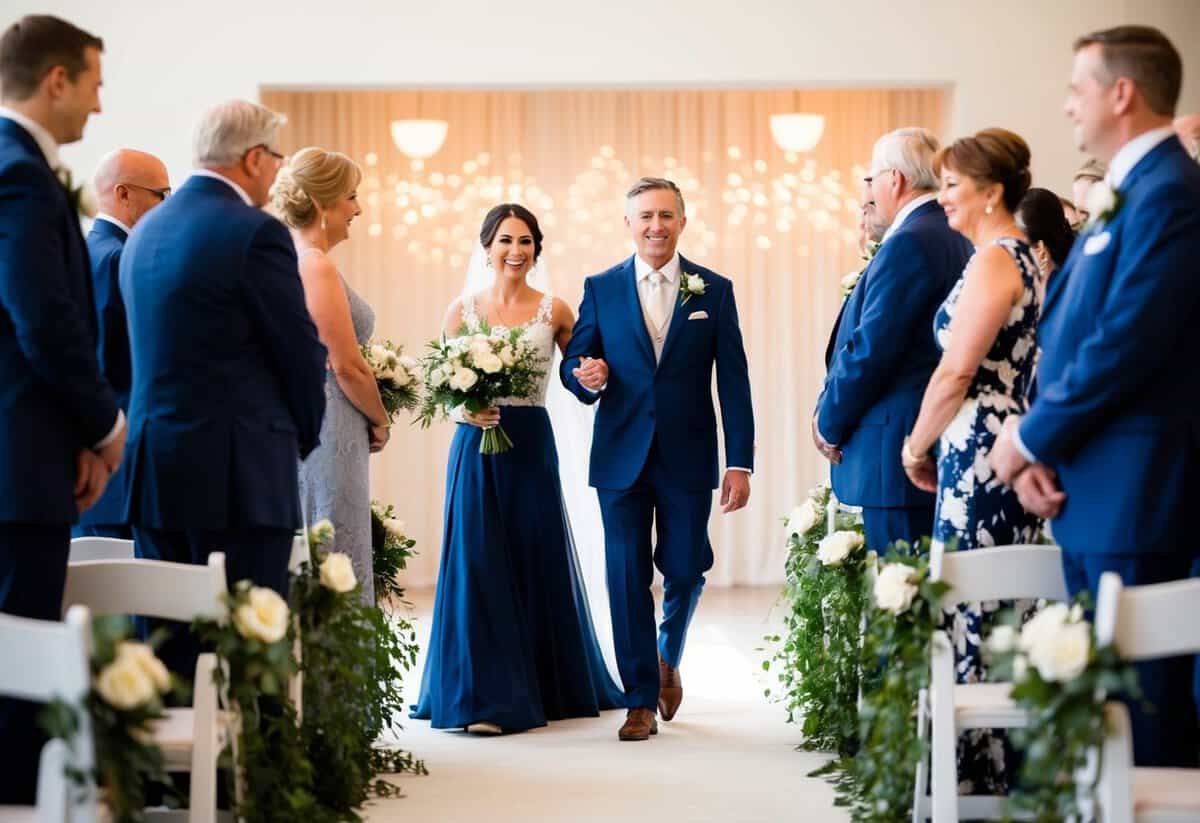
You might wonder if the groom chooses to walk with his parents or alone; both options are perfectly acceptable. This personal choice can reflect the relationships and sentiments you have with your family. Understanding these traditions can help you make informed decisions for your special day.
As you navigate through the planning process, consider how each part of the ceremony, including who walks down the aisle, plays a role in making your wedding feel uniquely yours.
The Role of the Groom’s Parents
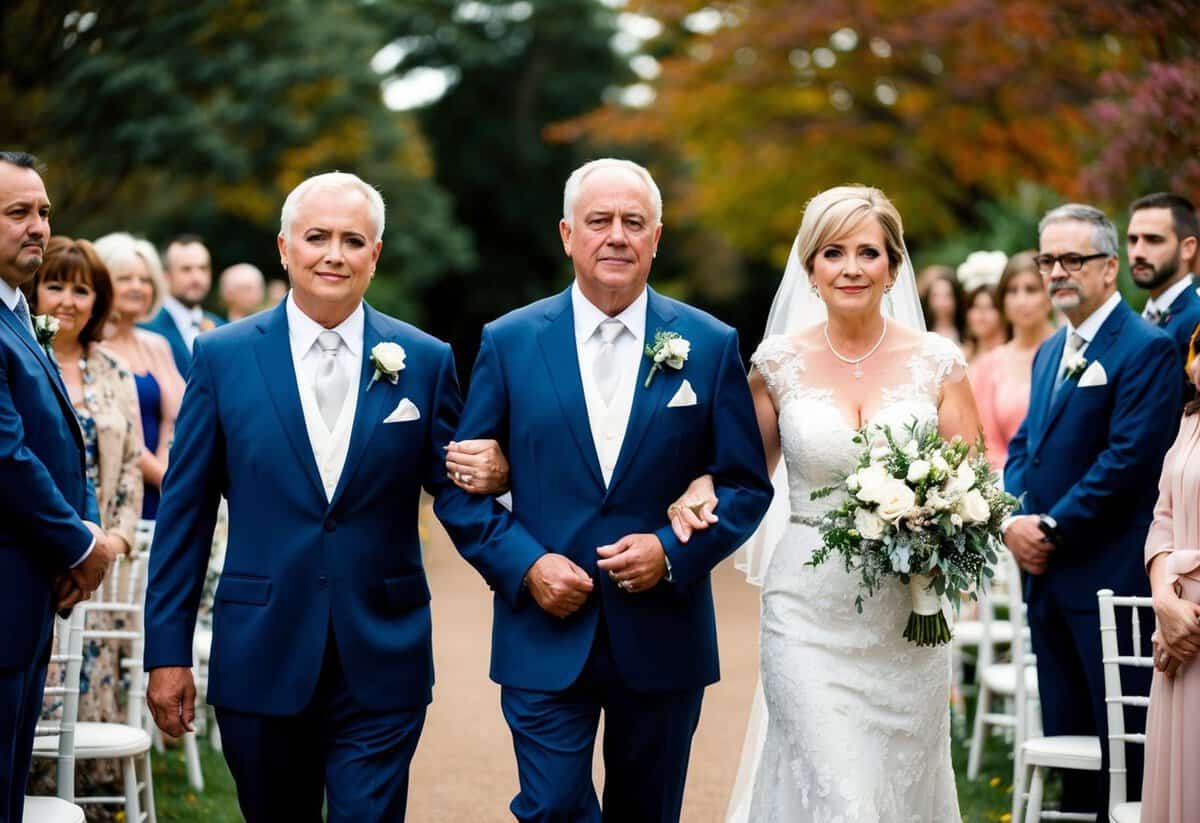
The groom’s parents play an essential role in the wedding ceremony. Their presence during the processional symbolizes unity and support for the couple as they start their marriage journey. Understanding their significance and who escorts them can help set a meaningful tone for the event.
Significance in the Wedding Processional
The groom’s parents often add a heartfelt element to the wedding processional. Their walk down the aisle represents the coming together of two families. This moment can be emotional, showcasing the love and support that exists within the family.
In many ceremonies, the groom’s parents are escorted right before the bride’s family. This placement highlights their role in supporting the groom. Their participation also shows that they are endorsing their son’s choice in partnering for life.
Who Escorts the Groom’s Parents?
Typically, the groom’s father and mother walk down the aisle together. The father usually leads on the left, while the mother follows on the right. This setup emphasizes the importance of both parents in the groom’s life, balancing guidance and nurturing.
In some cases, the groom may choose to escort his mother to her seat first. Following this, the father joins them, creating a personalized touch to the ceremony. These small choices can make the event more special, allowing for emotional moments that highlight family bonds.
Traditional and Modern Variations
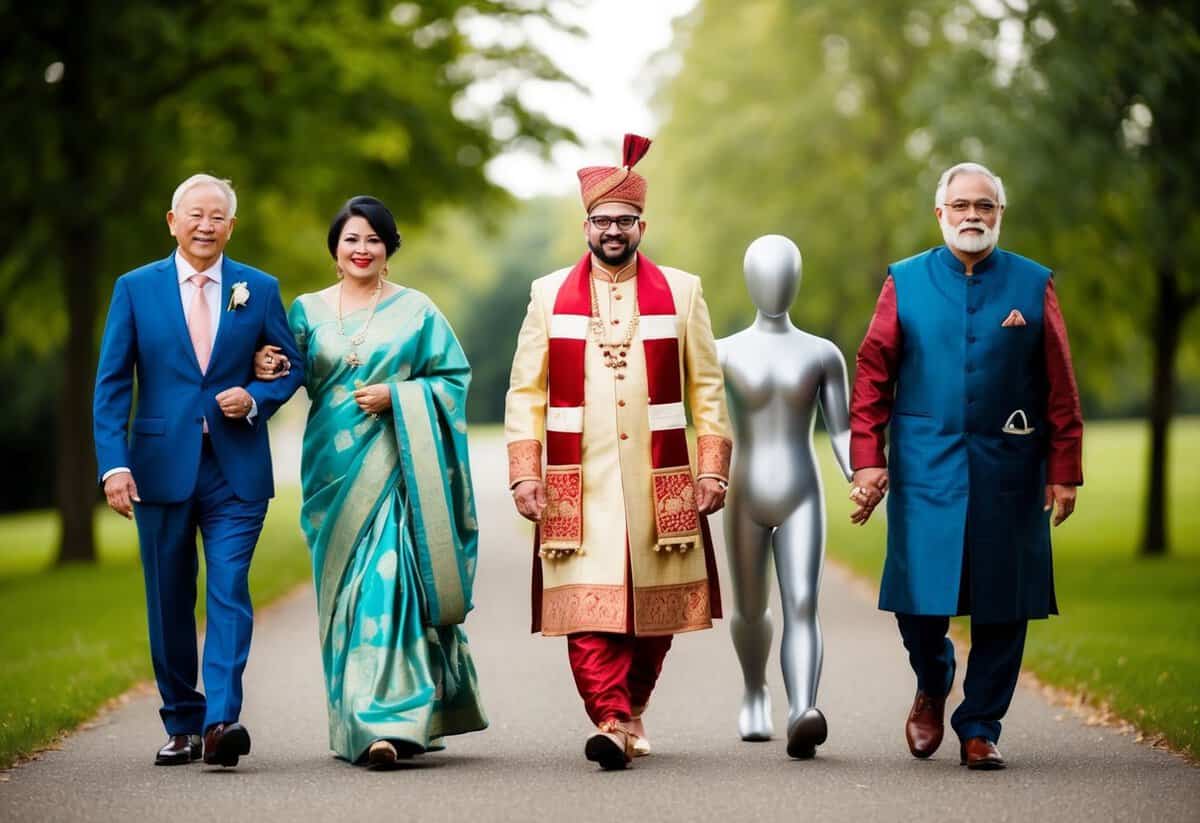
As you plan your wedding, understanding how different cultures and traditions approach the processional, especially regarding the groom’s parents, is important. This can add a personal touch to your ceremony and reflect your values.
Christian Wedding Practices
In a traditional Christian wedding, the groom’s parents may walk down the aisle at the start of the ceremony. They often enter together after the officiant. This practice helps to honor their role in supporting the groom. The mother usually takes a seat on the left side while the father may choose to stand or sit beside her.
In some modern Christian ceremonies, couples opt for more personalized entries. You might see both sets of parents enter together or have specific family members escort them. This can symbolize unity and love among families, making the moment feel more inclusive.
Jewish Wedding Customs
Jewish weddings have unique customs regarding processions. Traditionally, the groom’s parents lead the way down the aisle before the groom. This shows their support and respect for their son as he begins this new chapter. The parents often escort him to the chuppah, a canopy symbolizing the home they will build together.
In some modern interpretations, the groom’s parents may accompany both the bride and the groom down the aisle. This adaptation reflects the blending of families and shared joy during the celebration.
Hindu Wedding Traditions
In Hindu weddings, the processional is vibrant and full of life. The groom usually enters with his parents. This symbolizes the family’s support as he embarks on his marriage journey. The groom and his parents often have a joyful procession, sometimes accompanied by music and dancing, making it a lively experience.
In recent times, couples may personalize their processional. You might choose to see both sets of parents walking together as a sign of unity. This modern twist can add meaning and connection to both families.
Nondenominational and Contemporary Adaptations
Many contemporary weddings take inspiration from various traditions while focusing on personal significance. In nondenominational ceremonies, couples often decide who walks down the aisle based on their family dynamics.
A common trend in modern weddings is including step-parents or guardians in the processional. The groom’s parents might walk down with the bride’s parents to showcase family unity. This approach fosters an inclusive atmosphere and respects every family member’s role in the couple’s life.
These variations allow you to plan a processional that feels authentic to you, while honoring your family and traditions.
Processional Order and Planning
Planning the order of the processional is essential for a smooth wedding ceremony. You’ll want to decide who walks in what order and coordinate details with your wedding party. The right music adds a special touch to the moment.
Determining the Order of Entrance
Deciding who walks down the aisle first can shape the feel of your wedding ceremony. The traditional order often starts with family members, like the groom’s grandparents and parents. Then, the bridal party follows, including bridesmaids and groomsmen.
You can customize this order based on your preferences. For instance, some couples choose to have the groom’s parents walk down as a couple. Others may have them walk separately or skip down the aisle altogether if they prefer.
Make sure to communicate your plan clearly, so everyone knows their cue.
Coordination with Wedding Party
Effective coordination with your wedding party helps ensure a seamless process of the ceremony. It is vital to inform your wedding party about their roles in the processional.
Schedule a rehearsal before the big day. This allows everyone to practice walking down the aisle and understand the order of procession. During this time, assign specific roles clearly.
Consider creating a simple chart or list that outlines the order for each person. This can be especially useful for family members who may not be as familiar with the wedding ceremony order.
Selecting the Processional Music
Choosing the right music is vital for setting the tone of your ceremony. The wedding processional song should fit the mood you want to create as you walk down the aisle.
Many couples opt for traditional music, like classical pieces. Others prefer modern songs that hold personal meaning. Make sure to choose music that reflects your personality as a couple.
Once you select your songs, you should confirm them with your officiant. This ensures that the music aligns with the timing of the processional.
Also, consider having a backup song, just in case your original choice doesn’t work out during the ceremony.