
Who Walks the Mother of the Groom Down the Aisle? Understanding the Special Role in Weddings
As you plan a wedding, you might wonder about the different roles and traditions during the ceremony. One important question could be, who walks the mother of the groom down the aisle? In most cases, the groom himself takes on this special role, showing his support and love for his mother as they make their way to their seats.
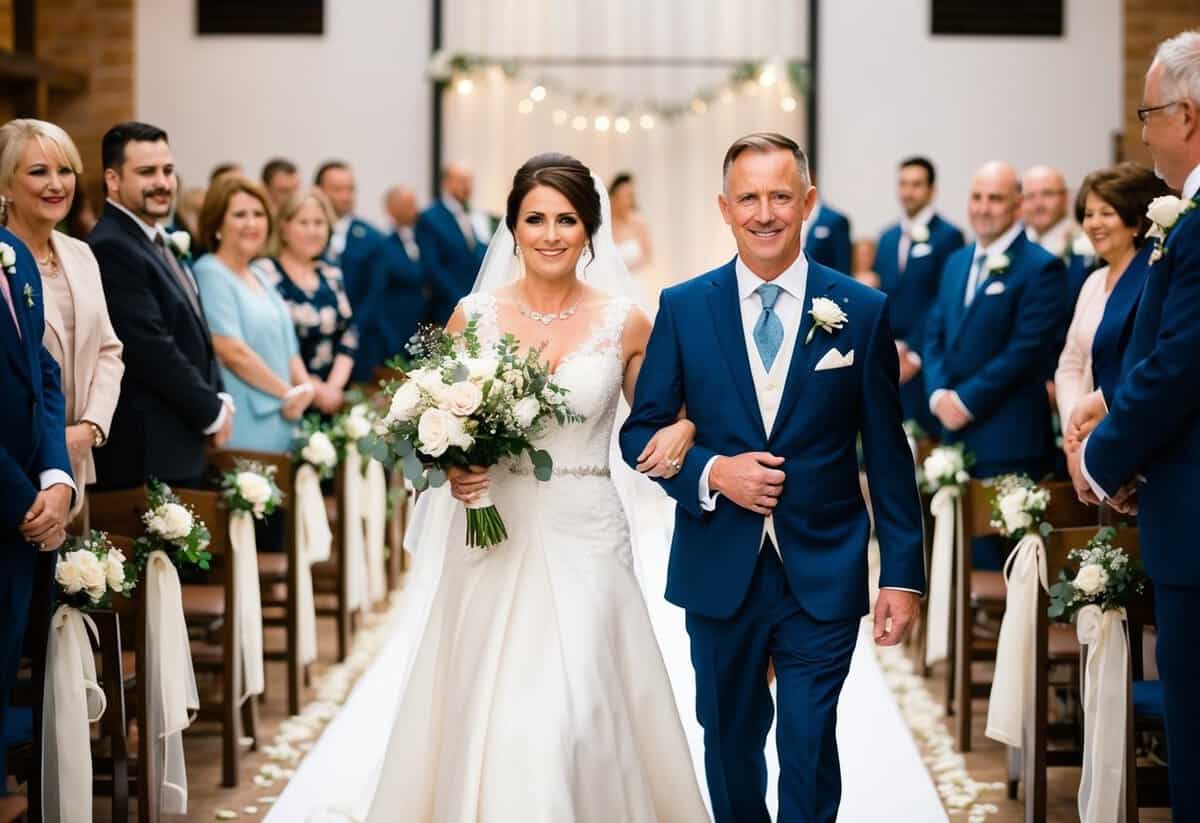
This moment is not just about the physical act of walking; it’s a cherished tradition that highlights the bond between a mother and her son. You might also find that some couples choose alternative ways to honor their mothers during the ceremony.
Understanding these options can make a wedding more personal and meaningful. Keep reading to explore the various ways to honor the mother of the groom and what makes each choice unique.
Understanding Wedding Ceremony Roles
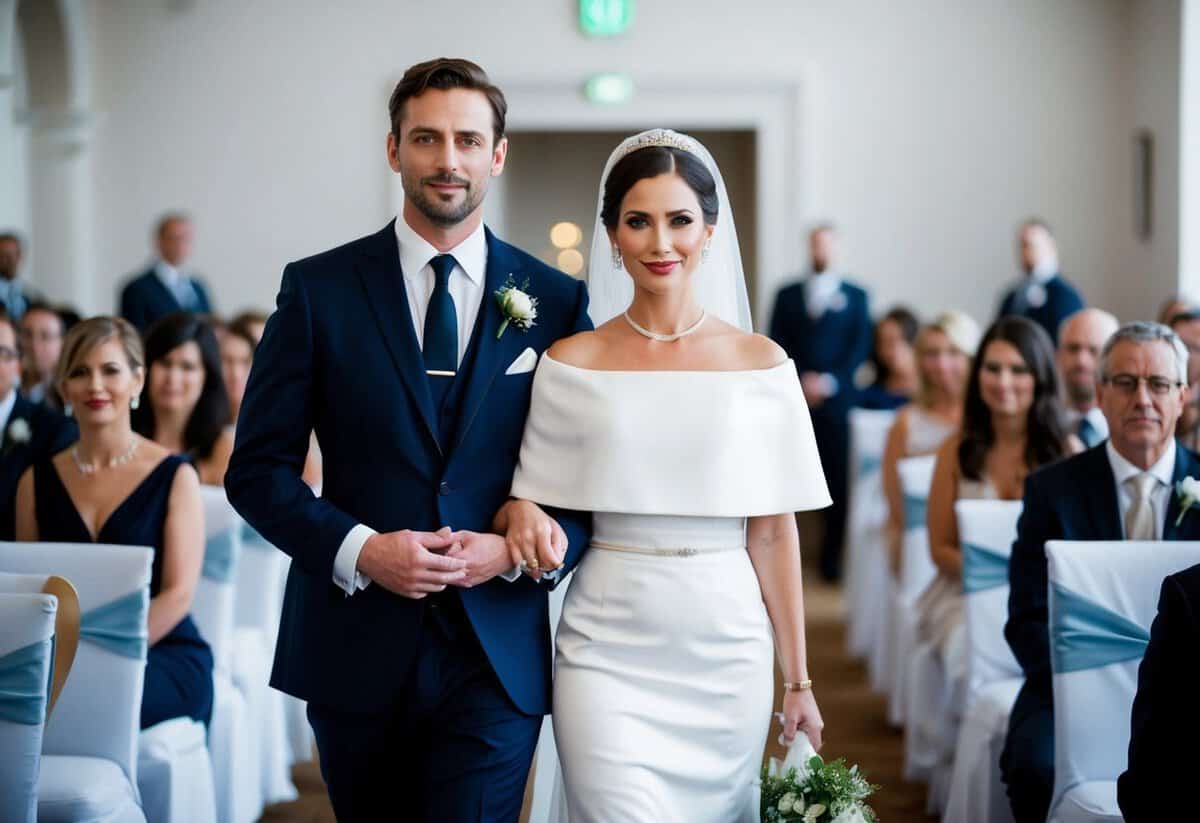
Weddings hold special meanings for families and friends. Each role in the ceremony helps create a sense of unity and celebrates the couple. The roles of the wedding party and families are crucial to the flow of the event.
Significance of the Processional Order
The processional order sets the stage for the wedding. It signifies the importance of each person involved. Most often, the ceremony starts with the groom and his mother walking down the aisle. This moment highlights the bond between them. Following this, the bridal party joins.
After that, the mother of the bride enters next, often escorted by the father of the bride. As the bride approaches, all eyes are on her, marking a significant moment. These steps not only maintain tradition but also enhance the ceremony’s emotional depth.
Roles of the Wedding Party
The wedding party plays essential roles in supporting the couple. Key members include bridesmaids, groomsmen, the maid of honor, and the best man. Each person has their duties.
Bridesmaids assist the bride in planning and executing wedding details. The groomsmen support the groom and help keep the day running smoothly. The maid of honor stands by the bride’s side, while the best man does the same for the groom.
Together, they create a support network that uplifts the couple, emphasizing the themes of love and friendship during the ceremony.
Family Participation in the Ceremony
Family involvement enriches the wedding ceremony. The groom’s and bride’s parents each play vital roles. The father of the bride often walks her down the aisle, symbolizing his support.
The mother of the bride may assist with planning and participate in traditional roles, like lighting a unity candle. Meanwhile, the groom’s mother might walk down the aisle, often honored by a close family member.
The presence of grandparents, siblings, and close relatives adds warmth to the event, celebrating the couple’s roots and family unity. Each role reinforces the importance of connections on this special day.
Traditions and Cultural Variations
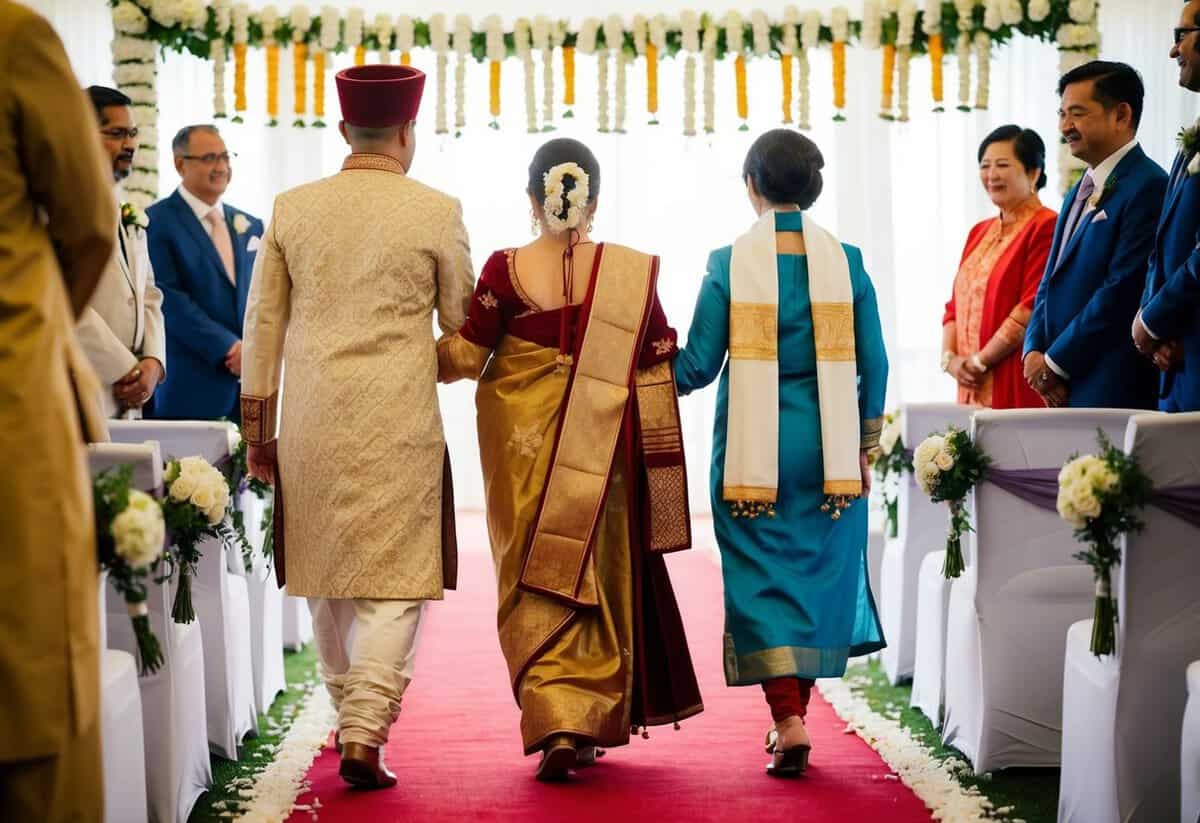
When it comes to weddings, customs about who walks the mother of the groom down the aisle differ among cultures and religions. Each tradition carries its own significance and charm. Understanding these variations can help you navigate your own wedding plans more smoothly.
Christian Wedding Practices
In many Christian weddings, the mother of the groom may walk down the aisle with her husband, or she might walk alone as part of the wedding processional. The Christian wedding processional order typically begins with bridesmaids, followed by the mother of the bride, and lastly, the bride escorted by her father. In some cases, families may choose to personalize this order, allowing the groom’s mother to walk separately or even alongside the groom.
Jewish Wedding Customs
Jewish weddings often have unique practices when it comes to the processional. The groom’s parents typically escort him down the aisle. The couple stands under a chuppah, which symbolizes their new home together. The mother of the groom may also walk down the aisle with the family. This ceremony emphasizes family unity and sharing the moment together. Each Jewish wedding processional can vary, but the focus remains on strong family ties.
Hindu Wedding Rituals
Hindu weddings involve vibrant customs that highlight family and celebration. During the baraat, the groom arrives in a joyful procession with family and friends. The mother of the groom typically takes part in the event but may not walk down the aisle in the traditional sense. Instead, she stands by the groom as he is welcomed into the mandap, the sacred altar for the ceremonies. This emphasizes the family’s involvement and support during the wedding.
Non-Religious and Modern Adaptations
In non-religious or modern weddings, the roles can be quite flexible. Couples often choose how to personalize their processional. The mother of the groom might walk down the aisle solo, escorted by a close family member, or even walk alongside the groom. The focus is often on making the ceremony meaningful to the couple rather than adhering to strict traditions. Many modern weddings blend elements from different cultures, creating a unique experience that reflects the couple’s values and family dynamics.
The Mother of the Groom’s Aisle Walk
The moment when the groom’s mother walks down the aisle is significant. This walk is filled with emotions and marks her role in the wedding. Understanding who escorts her, her position in the processional order, and family dynamics can help make this moment special.
Who Escorts the Groom’s Mother?
Typically, the groom’s mother is escorted down the aisle by a family member. This could be her husband, the groom himself, or even another close relative, like a brother or uncle.
Some mothers may choose to walk alone. This decision often depends on personal comfort, family relationships, and the overall feel of the wedding. The escorting choice should reflect respect and care, ensuring the moment honors her role.
Positioning in the Processional Order
In the wedding processional order, the groom’s mother usually walks down shortly after the grandparents and before the wedding party. This spot gives the moment significance, allowing guests to acknowledge her presence before the ceremony begins.
She typically takes her seat in the front row, often next to the groom’s father. This positioning highlights her importance during the ceremony and sets the tone for emotional moments to come.
Handling Unique Family Dynamics
Every family is unique, and dynamics can often influence the aisle walk. If family relationships are complicated, communication is key. You should discuss how to handle the procession in a way that respects everyone’s feelings.
Consider discussing alternatives, like having the groom walk with his mother, or arranging multiple escorts for her. These options can help create a positive atmosphere. Always prioritize feelings of gratitude and support, ensuring the day remains a celebration for all involved.
Planning the Ceremony Procession
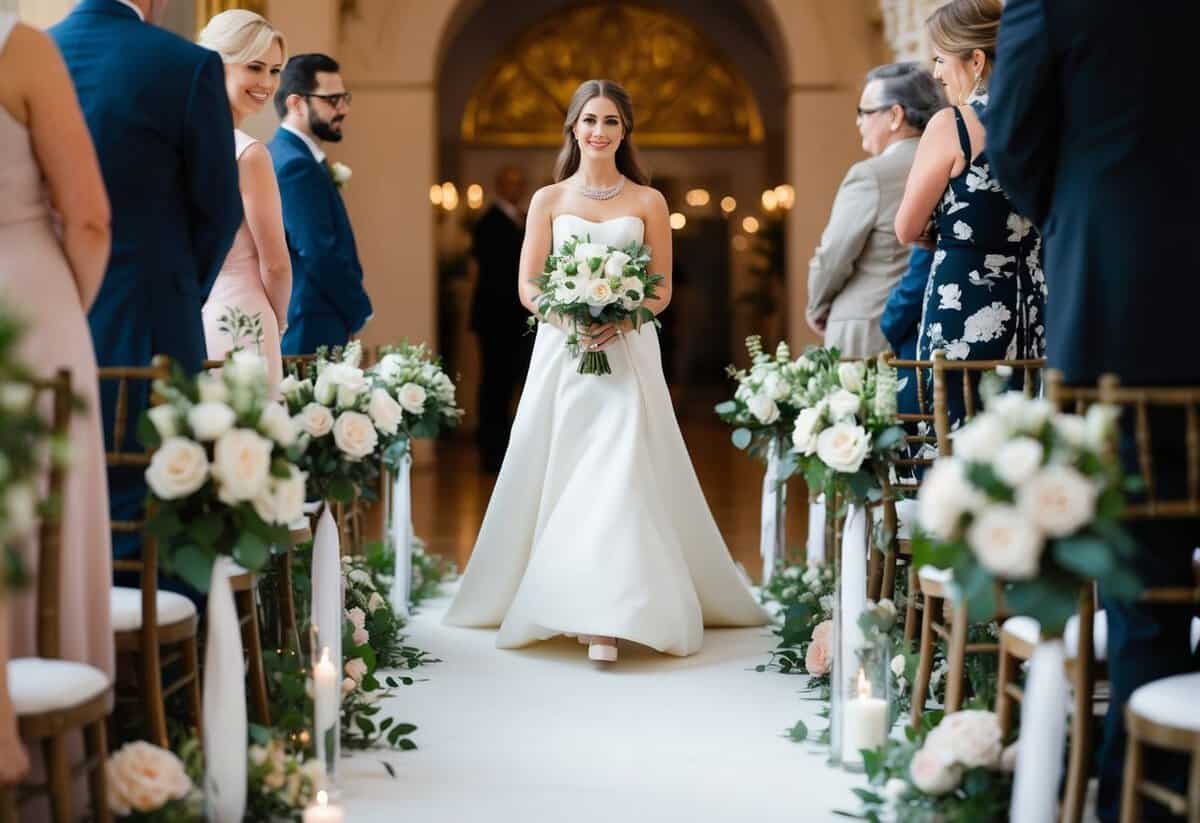
When planning the wedding ceremony procession, it’s essential to think about the order of events and how family members will be included. This creates a memorable moment for everyone involved. You’ll want to carefully coordinate who walks where, ensuring everything flows smoothly.
Coordinating the Wedding Rehearsal
Setting up a wedding rehearsal is crucial. This is where you’ll practice the order of the procession, including who walks the mother of the groom down the aisle.
Involve your wedding party in this rehearsal. List who will walk in what order, such as ushers, bridesmaids, and the matron of honor. This helps everyone understand their role. Practice makes perfect, so encourage everyone to participate fully. A well-orchestrated rehearsal will ease nerves on the big day.
Prelude and Recessional Considerations
The prelude sets the tone for your ceremony. Choose music that reflects your style and welcomes guests as they arrive.
Consider how long you want the prelude to last before the officiant starts.
Next is the recessional, where the newlyweds exit. Choose upbeat music to celebrate this moment.
You may also want to think about how the bridal party and guests will move after the ceremony. A clear plan ensures a smooth transition, allowing everyone to cherish this family bond and memorable moment together.