
Who Wants the Mother of the Bride Down the Aisle? Understanding Her Special Role in the Wedding
Choosing who wants the mother of the bride down the aisle can be a meaningful decision for your wedding day. Close family members or friends who hold special significance in your life often make this choice. This moment can honor family dynamics and traditions while reflecting your personal preferences.
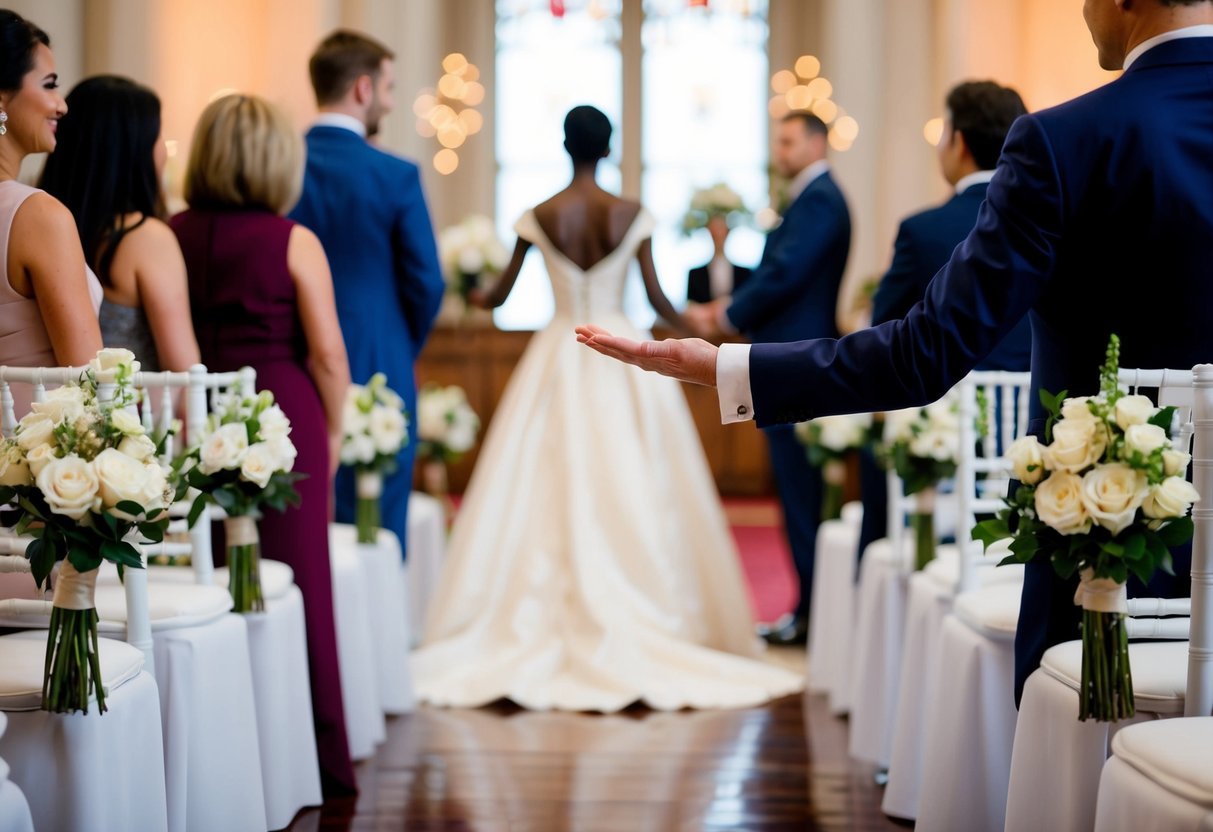
As you plan your ceremony, consider how you envision this touching segment. The mother of the bride usually walks down the aisle accompanied by a family member, often a father or brother. But it’s important to remember that you can create your own traditions. Whether she walks alone or with both parents, it’s a chance to highlight love and support within your family.
Thinking about who will walk the mother of the bride down the aisle can add a sweet touch to your wedding. It’s an opportunity to make the moment feel even more special and personal. Consider what feels right for you and your family as you plan this memorable day.
Roles and Responsibilities

When planning the wedding, it’s essential to understand the roles and responsibilities of key family members. This can help create meaningful moments and ensure everything runs smoothly.
Mother of the Bride’s Involvement
The mother of the bride plays a vital role in the wedding planning process. She often helps with organizing details, from choosing the venue to selecting the flowers. This involvement can strengthen the mother-daughter relationship and create special memories.
On the wedding day, her role typically involves being there for her daughter, offering emotional support, and making sure she’s ready for the ceremony. As she prepares to walk down the aisle, this moment symbolizes her importance in the bride’s life and the love she has provided.
Father of the Bride’s Duties
The father of the bride holds significant responsibilities, especially during traditional weddings. He generally escorts the mother of the bride down the aisle, helping her feel honored and included on this special day.
After that, his role often shifts to leading his daughter down the aisle. This moment represents not only a loving father-daughter relationship but also a transition for the bride as she moves into a new chapter with the groom. If a stepfather is involved, he may also play a key role, ensuring both parents are part of this heartfelt occasion.
Modern Twists on Tradition
Today, many couples are embracing modern twists to traditional roles. You might choose to walk down the aisle with your mother instead of a father. This decision highlights independence and reflects the close bond you share with her.
Additionally, some opt for a blended family approach, where both parents walk you down the aisle. These choices celebrate diverse family dynamics and make the wedding more personal. It’s essential to communicate openly with family members about these choices so everyone feels included.
Wedding Processional Basics

Understanding the wedding processional is essential for a smooth ceremony. You’ll want to know the order of events, how individuals walk down the aisle, and the meaning behind these moments.
The Processional Order
The processional order sets the stage for your wedding ceremony. Typically, it begins with the seating of family members, followed by the bridal party. The order usually is:
- Groomsmen and Bridesmaids: They walk in pairs, with bridesmaids on the left and groomsmen on the right.
- Flower Girl and Ring Bearer: This adorable duo often precedes the bride.
- Mother of the Bride: She may walk alone or be escorted by a close male relative, adding emotional weight to the moment.
- Bride: Finally, the bride walks down the aisle, marking the highlight of the processional.
Each part plays a significant role, adding structure and meaning to the ceremony.
Walking Down the Aisle
Walking down the aisle is a moment filled with emotions. For many, it’s a time to reflect on the journey leading up to this day.
The mother of the bride’s entrance is particularly special. She can be escorted by her partner, a son, or even a groomsman if that feels right.
This moment sets the tone before you enter. Guests watch as important figures take their place, highlighting relationships and family ties.
Remember, the key to this process is comfort; feel free to make it your own.
Symbolism of Accompanying the Bride
Accompanying someone down the aisle carries deep meaning. Traditionally, it represents support and love.
When the mother of the bride walks, she symbolizes the transfer of care from one family to another. This moment shows respect for her role in the bride’s life.
Some couples choose to break with tradition, having both parents accompany the bride or even opting for solo entrances. This flexibility allows you to honor your unique family dynamics while celebrating your love story.
Understanding these symbols enhances your wedding ceremony, making it more personal and meaningful.
Ceremonial Traditions Across Cultures
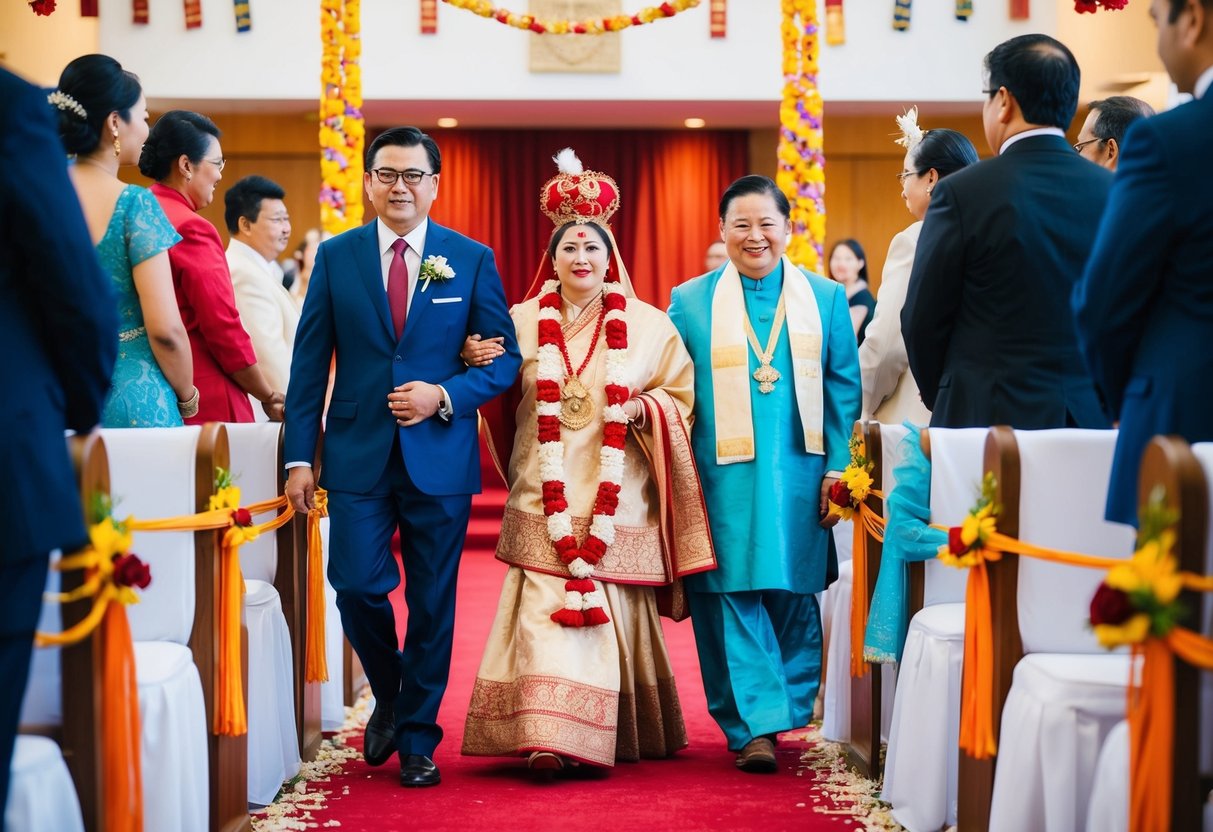
Different cultures have unique practices regarding who walks down the aisle with the mother of the bride. Understanding these traditions can help you plan a meaningful ceremony that honors your background and beliefs.
Christian Wedding Practices
In Christian weddings, the mother of the bride often plays an important role. She may walk down the aisle alone or be escorted by a family member, such as a brother or son. In some traditions, she sits in the front row on the left side of the venue.
During the ceremony, you might find that the mother of the groom also has a special role. After the bride’s mother is seated, the groom’s parents may walk down together. Each family’s participation adds warmth to the ceremony.
Jewish Wedding Customs
Jewish ceremonies have distinct traditions regarding the procession. Often, the father of the bride walks down the aisle first, leading the way. He is then followed by the groom, who is typically escorted by both his parents. This emphasizes the families’ support for the couple.
The mother of the bride may also have a unique role. She could walk down alone or be accompanied by a close relative, depending on family customs. This creates a sense of unity and importance in the ceremony.
Hindu Wedding Rituals
In Hindu weddings, the customs surrounding the mother of the bride are rich and varied. The mother’s presence is significant, as she represents love and blessings. Traditionally, she may walk down the aisle with other family members, highlighting the importance of family support.
During the ceremony, it is common for the bride’s family to take part in specific rituals. These include the Mehendi ceremony and the Sangeet, leading up to the main event. This vibrant celebration ensures that the whole family is involved in honoring the couple.
The Wedding Party Ensemble
The wedding party plays a vital role in creating a memorable ceremony. Each member contributes to the overall experience, making it special for you and your guests. Let’s look at the specific roles and contributions of the wedding party.
Close Male Relative and Groomsmen Roles
Often, a close male relative, such as a brother or father, walks the mother of the bride down the aisle. This gesture signifies support and love. The groomsmen also play a crucial role. They typically stand beside the groom during the ceremony.
Groomsmen help set the tone for the day. They assist the groom, often managing tasks like organizing guests or holding the rings. Their supportive presence is vital for a smooth ceremony. Plus, their matching attire adds a cohesive look for wedding photos.
Bridal Party Contributions
The bridal party, which includes the bridesmaids and maid of honor, is essential for emotional support and joy on your special day. Each bridesmaid walks down the aisle in a coordinated style, usually with the bride’s favored colors. Their role goes beyond the procession.
Bridesmaids help you get ready, calm nerves, and ensure everything runs smoothly. The maid of honor often takes charge, coordinating logistics and holding the bride’s bouquet. Their involvement ensures that you can focus on enjoying the moment.
Importance of the Flower Girl and Ring Bearer
The flower girl and ring bearer add a delightful charm to the ceremony. These young participants typically walk down the aisle before you. The flower girl sprinkles petals, symbolizing love and new beginnings. Meanwhile, the ring bearer carries the rings, a critical part of the ceremony.
They often steal the show during wedding photos as well. Their innocence and excitement create unforgettable moments. Plus, having children as part of the ceremony reminds everyone of the joy and innocence of love. Their roles help to enhance the special memories you and your guests will cherish for years.