
Why Are Engagement Rings So Expensive? Exploring the Cost Factors Behind Symbolic Jewelry
Engagement rings carry a deep significance for many people. They are not just beautiful pieces of jewelry; they symbolize love, commitment, and tradition. The high cost of engagement rings mainly comes from the rarity of materials like diamonds and precious metals, combined with strong market demand and cultural expectations.
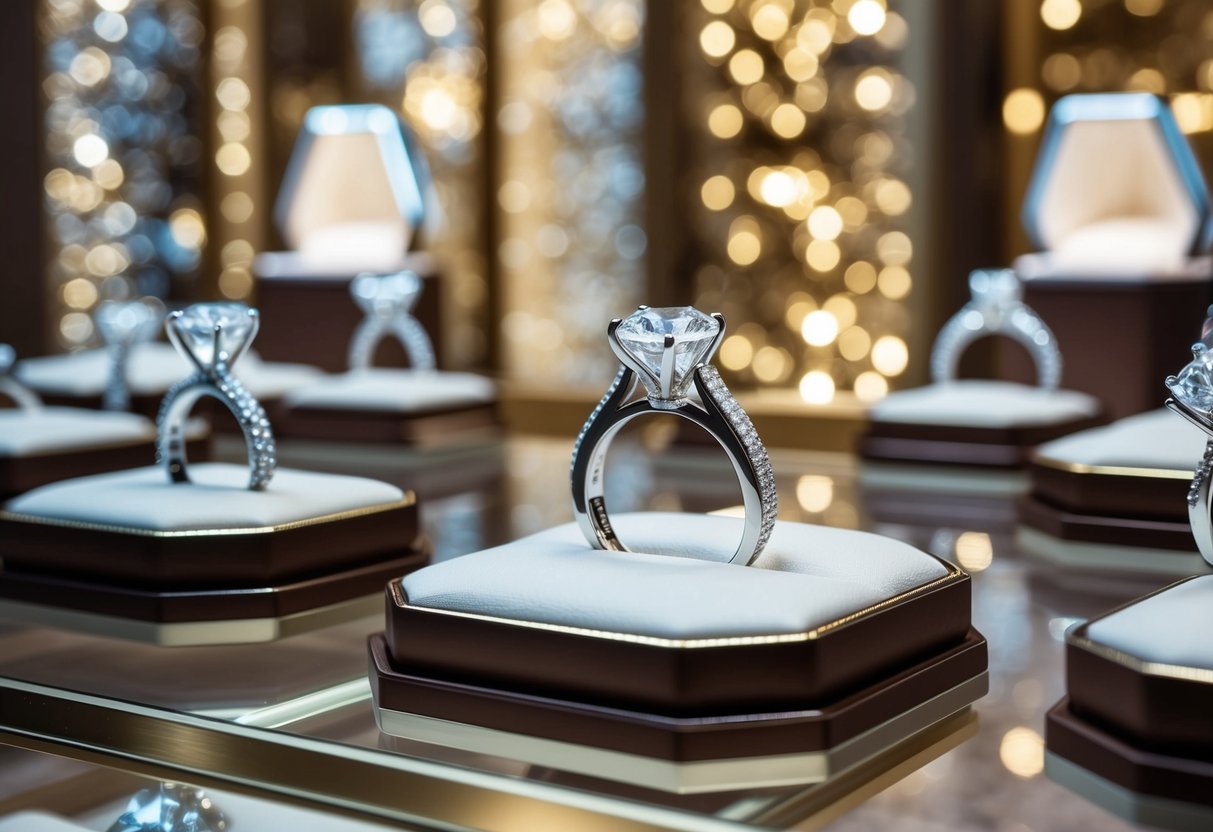
Throughout history, engagement rings have evolved into a status symbol, showcasing not only the love you share but also your personal taste and financial commitment. You may wonder why these rings can cost so much, especially when there are beautiful options available at lower prices. Understanding the reasons behind this pricing can help you make a more informed choice when it’s time to select the perfect ring for your special moment.
By exploring the factors that contribute to the expense of engagement rings, you will gain insights into what makes these treasured items so valuable. Whether it’s the craftsmanship, the material, or the traditions surrounding them, each aspect plays a role in the ring’s significance and cost.
Exploring the Value of Diamonds
When considering engagement rings, the value of diamonds plays a crucial role. Factors like carat weight, cut, color, and clarity determine both the beauty and price of your diamond. Understanding these elements will help you make an informed choice.
Carat Weight and Price Correlation
Carat weight indicates the size of the diamond. The price of the diamond increases significantly with each carat. For example, a one-carat diamond typically costs much more than a half-carat stone. Buyers often pay a premium for larger stones since they are rarer.
The relationship between size and value can be compared to this:
- 1 Carat: High demand leads to prices around $6,000.
- 0.5 Carat: Costs are lower, usually around $2,500-$3,500.
- 2 Carats or more: Prices can soar to $15,000 or higher.
Remember, the carat weight you choose should reflect your personal style and budget.
Impact of Cut, Color, and Clarity
The quality of the diamond also depends on its cut, color, and clarity, known as the “Four Cs.”
- Cut: This is how well the diamond is shaped. A well-cut diamond reflects light beautifully, resulting in more brilliance. Poor cuts can lead to dullness.
- Color: Diamonds vary in color from colorless to light yellow. Colorless diamonds are rare and more prized.
- Clarity: This refers to the presence of flaws or inclusions. Flawless diamonds command higher prices. Even minor imperfections can affect their value.
Choosing a diamond with a perfect balance of these characteristics ensures you get the most beauty for your budget.
Engagement Ring Design Elements
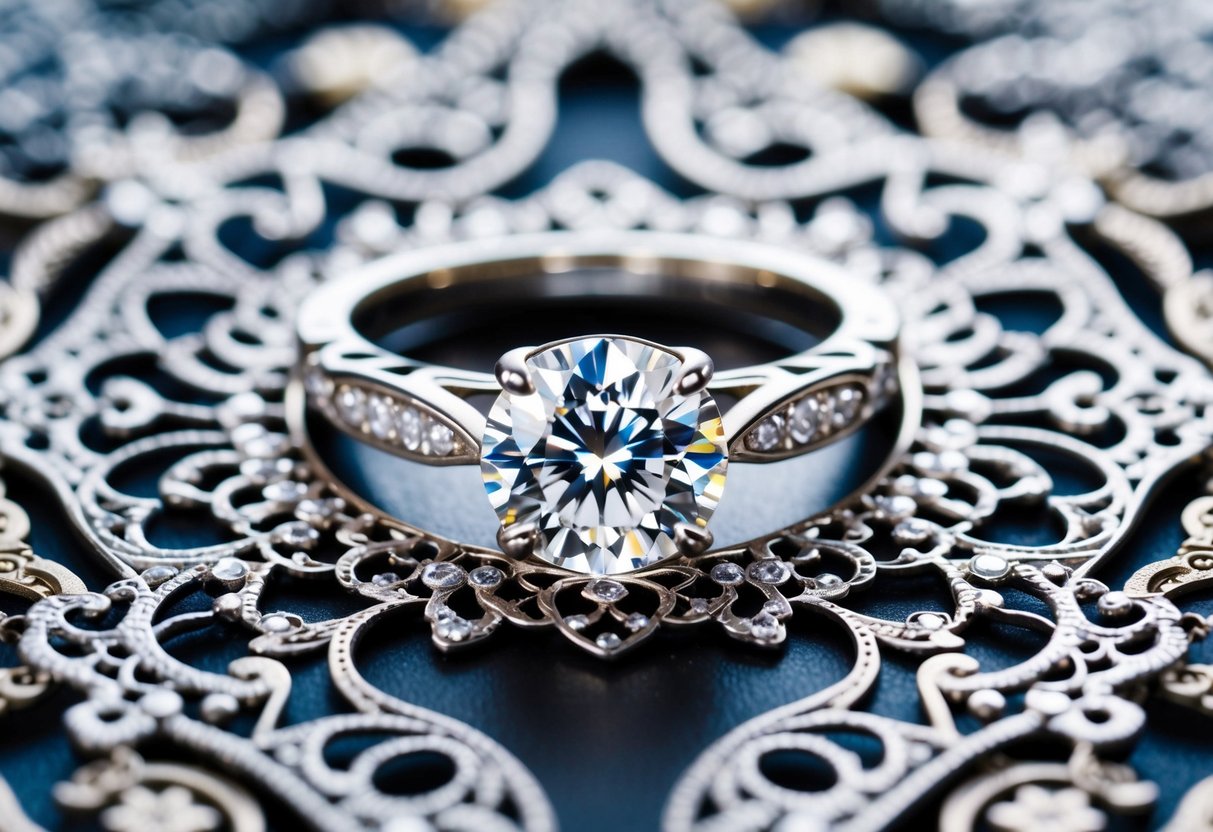
When choosing an engagement ring, understanding design elements is key. The materials and styles can greatly affect both appearance and cost. Let’s look at two main aspects: the choice of precious metals and popular ring settings.
Choice of Precious Metals
The metal you choose for your engagement ring impacts both its look and price. Common options include gold, platinum, and silver.
- Gold comes in different colors like yellow, white, and rose. It is durable but can scratch over time.
- Platinum is heavier and extremely durable. While it’s often more expensive, its longevity makes it worth the investment.
- Silver is less expensive but requires more care to avoid tarnishing.
Additionally, opting for a lower karat can save money while still providing a beautiful look.
Ring Settings and Popular Styles
The style of the ring plays a crucial role in its overall appeal. It affects how the gemstone looks and fits on your finger.
- Solitaire settings highlight a single diamond or precious stone, making it the center of attention.
- Halo settings feature smaller diamonds surrounding the main stone, enhancing its sparkle.
- Three-stone settings, often symbolizing the past, present, and future, include a central stone flanked by two smaller stones.
Popular stones for these settings include diamonds, sapphires, and emeralds. Each stone offers a unique look. Consider what reflects your partner’s style best!
The Industry Influence on Pricing
Several factors within the jewelry industry impact engagement ring prices. These include the costs jewelers must manage, their marketing strategies, and the value placed on brand and customization.
Jewelers’ Overhead and Marketing Strategies
Jewelers face significant overhead costs that contribute to the price of engagement rings. These expenses include rent, utilities, and employee salaries. Maintaining a physical store and providing excellent customer service adds to costs.
Jewelers also invest heavily in marketing to attract customers. This may involve advertising campaigns, promotions, and building a strong online presence. These marketing strategies create a perception of value, which can influence you to pay more for specific rings.
The Brand and Customization Premium
The brand of an engagement ring can greatly affect its price. Well-known brands often charge more because of their reputation and perceived quality. A ring from a respected jeweler may seem more valuable due to that brand recognition.
Customization is another factor that adds to the cost. When you choose to personalize a ring, whether through unique designs or specific gemstones, it requires more time and resources from the jeweler. This makes customization a significant financial investment that contributes to the overall price.