
Why Are Wedding Dresses Cut So Small? Understanding Sizing and Fit for Your Big Day
When you start shopping for wedding dresses, you might notice something puzzling: the sizes can be very different from what you’re used to in regular clothes. Wedding dresses often run small due to a mix of traditional sizing standards and the industry’s focus on creating a flattering fit for brides. This can lead to some surprises when you try on dresses that are several sizes larger than what you normally wear.
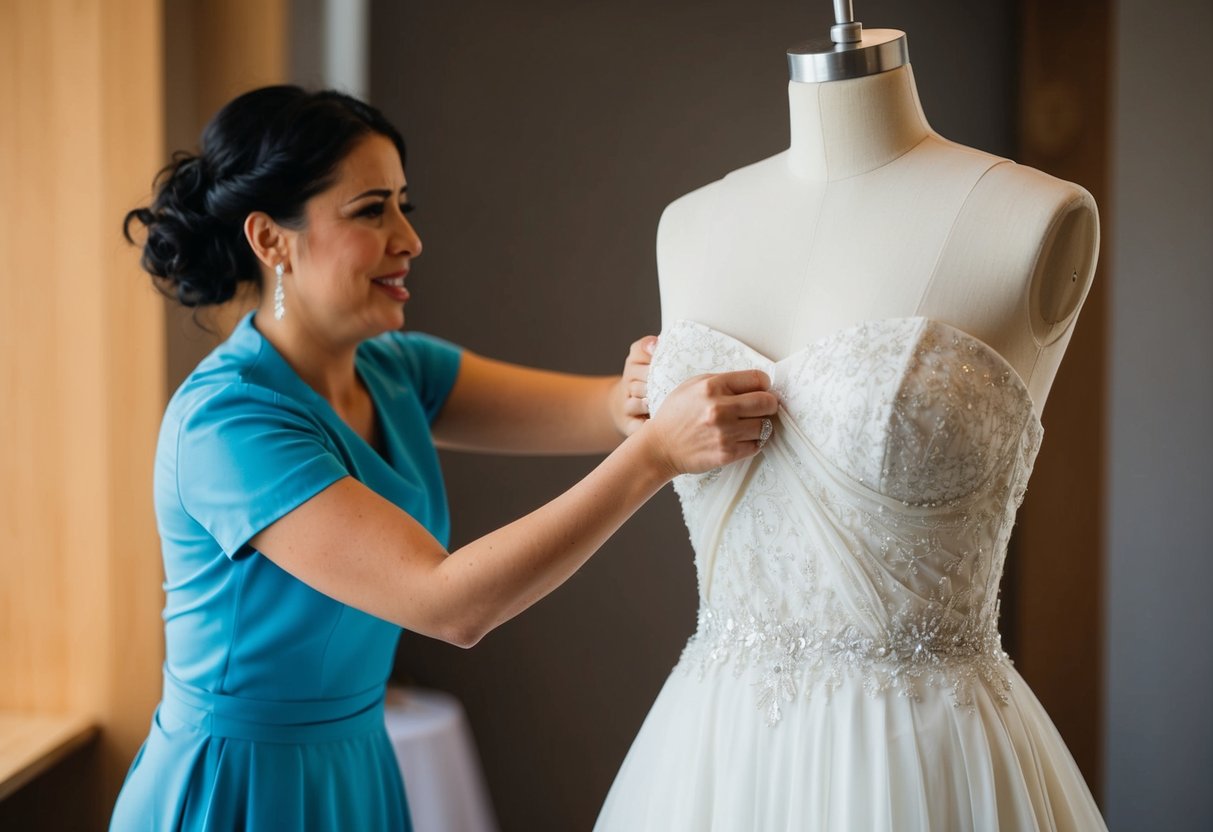
Bridal sizing isn’t just about numbers; it reflects the history of fashion and the expectations around the perfect fit. Designers typically aim for a snug silhouette that enhances your natural shape, which is why many brides find themselves needing to size up. Understanding this can help ease the frustration when your usual size doesn’t align with bridal sizing charts.
As you dive into the world of wedding dress shopping, knowing why these dresses are cut smaller can make the process smoother and more enjoyable. This insight allows you to focus on finding the perfect gown that makes you feel beautiful on your special day.
Understanding Bridal Sizing
Brides often find themselves puzzled by the sizes of wedding dresses. These sizes can differ significantly from everyday clothing. Let’s explore the reasons behind these differences, focusing on their history and how bridal sizing compares to street clothing sizes.
The History of Wedding Dress Sizes
Bridal sizing has deep roots, dating back several decades. Historically, wedding dresses have followed European sizing standards that originated in the 1940s. At that time, the standards were more modest than contemporary American sizes.
As time went on, many designers maintained these older guidelines. This has resulted in bridal sizes generally feeling smaller than what you may see in regular clothing. For example, a bridal gown labeled as a size 12 might actually fit more like an American size 8 or 10. This can be quite surprising when trying on dresses.
Comparing Bridal and Street Clothing Sizes
Understanding the differences between bridal and street sizes is crucial. Street sizes are often referred to as “ready-to-wear” sizes. These sizes can vary based on brands and may include what is known as “vanity sizing,” where sizes appear smaller to boost sales.
In contrast, bridal sizing is more consistent but can be discouraging. For example, if you’re normally a size 12 in street clothing, you might need to try on a size 14 or larger in bridal wear. Always check the size chart provided by the designer. It’s not uncommon to size up when choosing your wedding dress.
Global Sizing Differences
Bridal sizing isn’t uniform everywhere. Different countries have unique size charts that can confuse brides. European sizes tend to run smaller than American sizes. For instance, a size 14 bridal gown in the U.S. may align more closely to a European size 40 or 42.
This means that when shopping internationally, it’s wise to be aware of these differences. When ordering online or from overseas, refer to provided measurements and compare them to your usual size. This way, you can find a dress that fits beautifully, no matter where it’s made.
The Search for the Perfect Fit
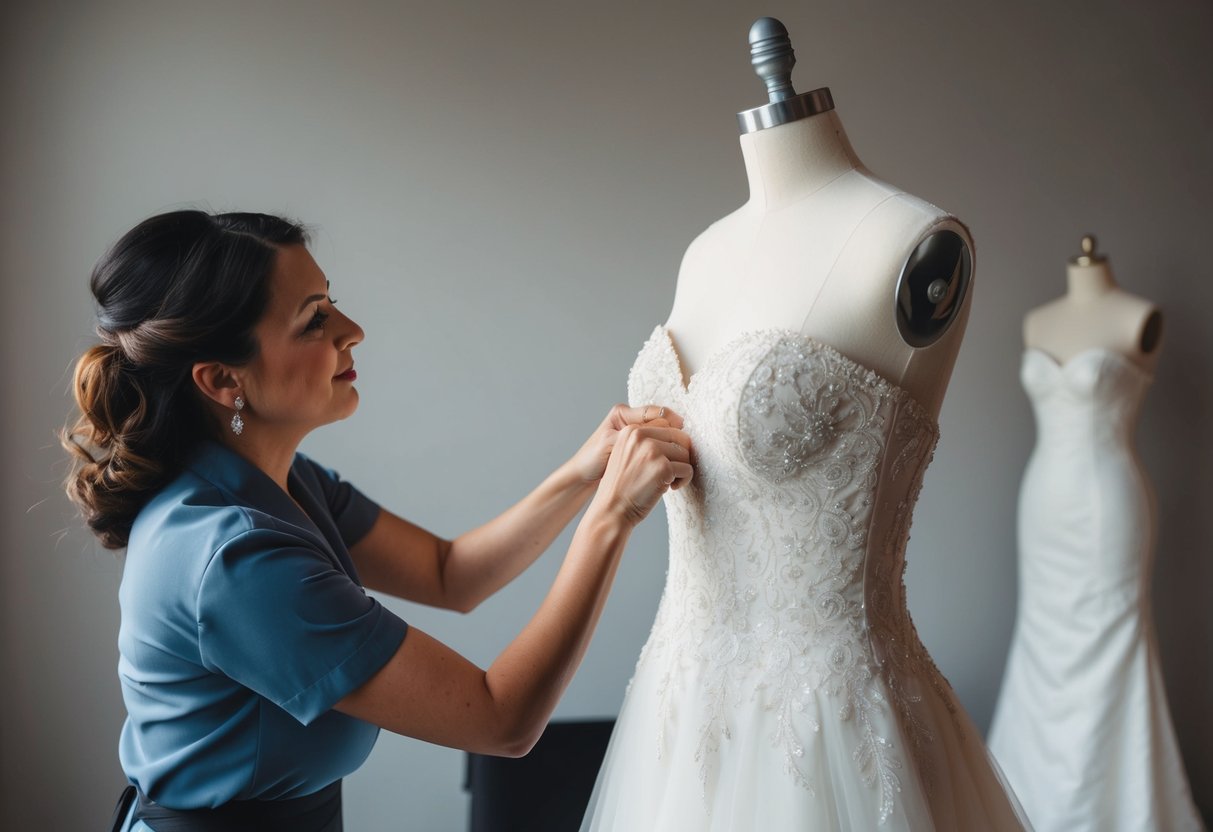
Finding the perfect fit for your wedding dress is essential to feeling confident and beautiful on your big day. Understanding why wedding dresses run small and how to measure properly can help you make the best choices. Let’s explore these key factors.
Why Wedding Dresses Run Small
Many brides find that their usual size doesn’t match the size of wedding dresses. This is because wedding dresses often follow a different sizing system. They can run 2 to 3 sizes smaller than your everyday clothing.
Historically, this sizing trend comes from European standards that date back to the 1940s. These standards have remained in place, causing confusion during fittings. It’s important to remember that the number on the tag does not define you. Focus on how the dress makes you feel, not just the size.
Importance of Dress Measurements
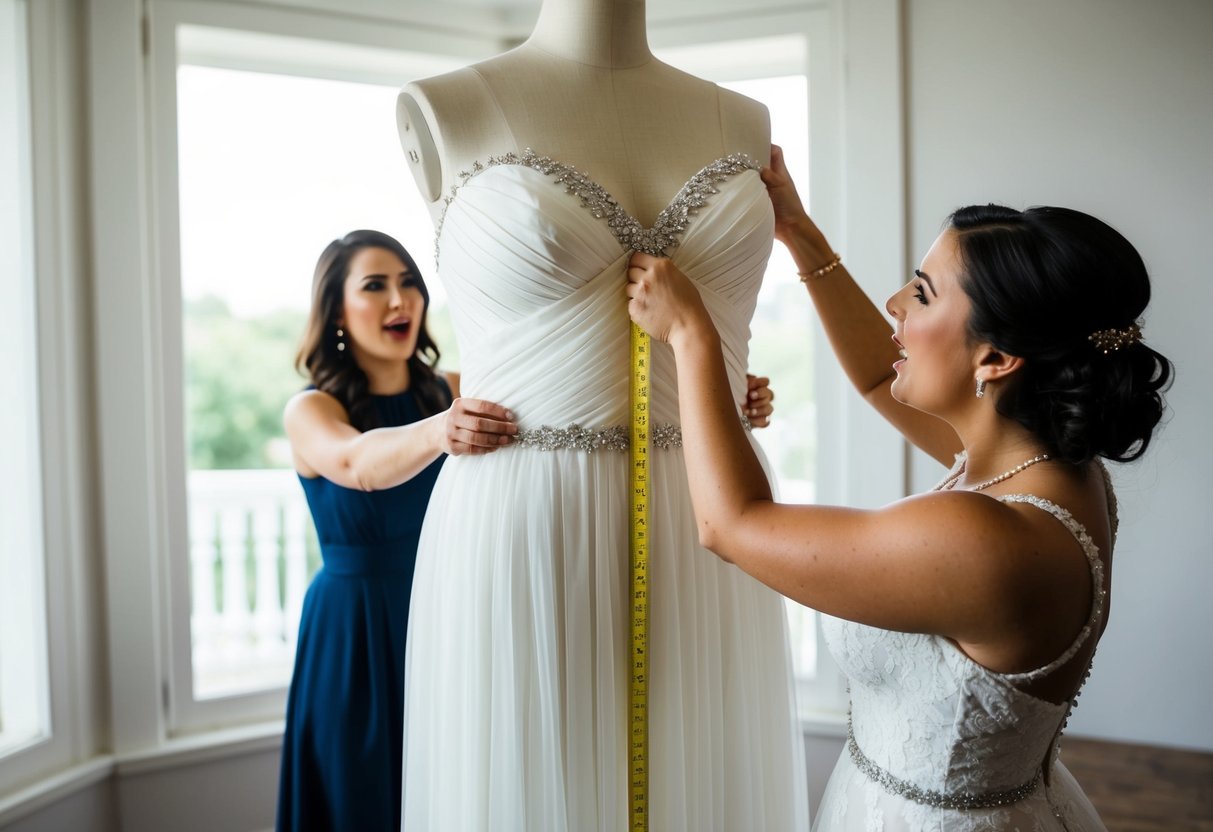
Getting accurate dress measurements is crucial. Measurement should be done by a professional for the best results. This ensures your dress fits perfectly where it should.
You should measure key areas like your bust, waist, and hips. Look for these guidelines:
- Bust: Measure around the fullest part.
- Waist: Measure at the narrowest point.
- Hips: Measure around the widest part.
It’s a good idea to always check the designer’s size chart. Different designers may have slight variations in sizing.
Selecting the Right Undergarments
Choosing the right undergarments can make a significant difference in how your wedding dress fits. Well-fitting undergarments help create a smooth silhouette.
Consider these tips:
- Choose seamless options: Look for bras and shapewear without seams to avoid visible lines.
- Supportive bras: Select a bra that lifts and supports you without adding bulk.
- Try before you buy: Wear your chosen undergarments during fittings to see how the dress fits together.
The perfect undergarments help you feel comfortable and confident. They ensure your dress drapes as it should, enhancing your overall look on your special day.
Navigating Wedding Dress Shopping
Wedding dress shopping can feel exciting and overwhelming. Understanding what to expect and how to approach the experience makes it easier for you. Here’s what you need to know for a successful bridal appointment.
What to Expect at a Bridal Appointment
When you arrive for your bridal appointment, expect a warm welcome from the staff. They are there to help you find the perfect dress. Before trying on dresses, they will ask about your style preferences, wedding theme, and budget. This helps narrow down options just for you.
You’ll likely be shown a selection of dresses that fit your taste. Don’t hesitate to voice your likes and dislikes. Remember, this is your moment to shine! If you’re at a popular place like David’s Bridal or a boutique, the staff will guide you through the process.
Dealing with Sample Sizes
Most bridal shops carry sample sizes, which are usually smaller than your usual dress size. It’s common for brides to feel surprised when a dress that is labeled a size 14 does not fit like their typical size. This can be frustrating but is a normal part of the process.
When you try on dresses, keep an open mind. Sometimes, a dress that seems small might fit you perfectly with the right adjustments. Be patient and trust that alterations can make a dress fit beautifully. If a dress feels tight, that’s okay—remember, it’s just a sample!
The Role of Bridal Shops
Bridal shops play a crucial role in your wedding dress journey. They offer a variety of styles and sizes to try on. Quality shops, like David’s Bridal, often have experienced staff who understand bridal sizing issues and can help you find a flattering fit.
When visiting a bridal shop, ask questions! Their knowledge about fabrics, cuts, and trends can guide your choices. Plus, they can help you understand the timing for ordering dresses, fitting sessions, and deliveries. Your goal is to enjoy the shopping experience, so take it one step at a time.
Tailoring and Customization Options
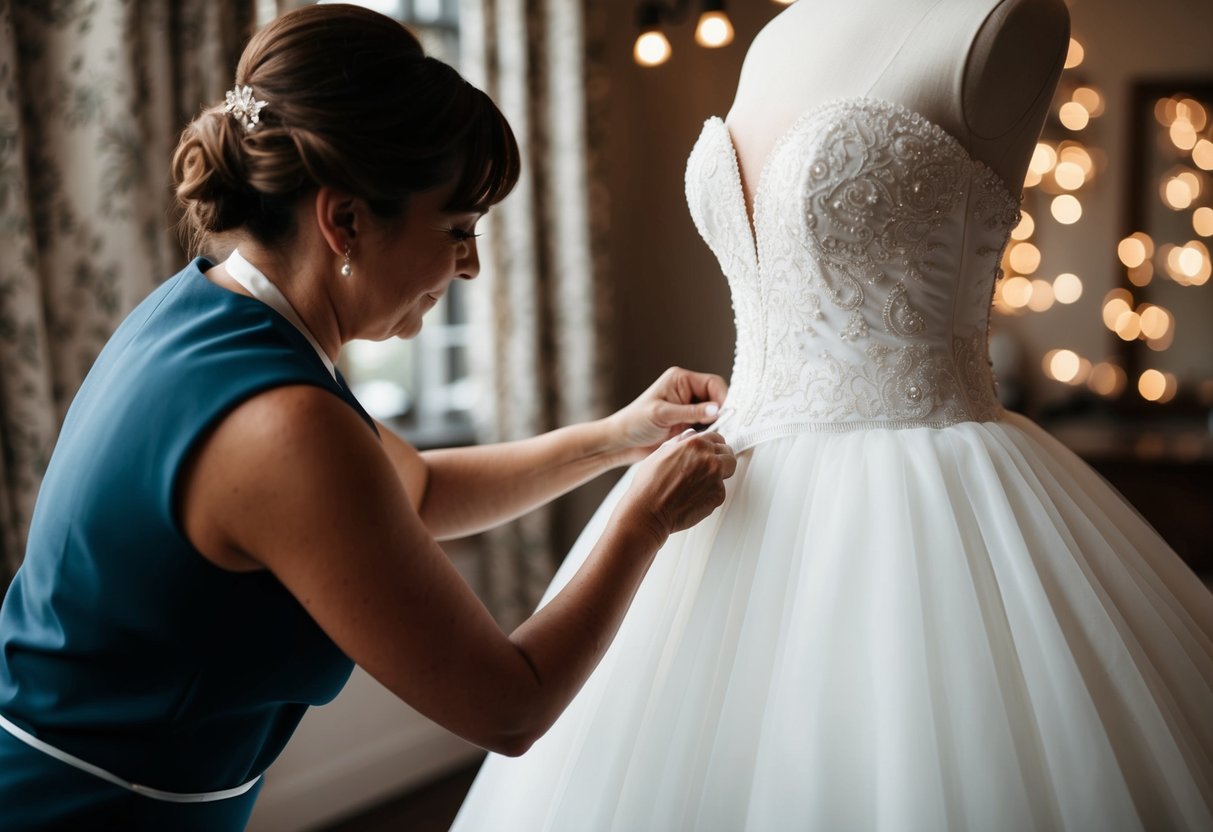
When it comes to wedding dresses, finding the right fit is key. Tailoring and customization can make a huge difference in how your dress looks and feels. Let’s dive into the details that matter for you.
The Necessity of Alterations
Most wedding dresses need some level of alterations for the best fit. Many dresses are cut smaller than regular clothing sizes. Understanding standard sizing is essential when you choose your dress.
You can think about adjustments like taking in the sides or shortening the hem. Be sure to consult with a professional tailor who specializes in wedding dresses. They can help transform your gown into something that feels just right for you. This process ensures you look and feel wonderful on your big day.
Custom Dress vs. Off-the-Rack
A custom dress offers the best personalization. When you choose a custom gown, you can select every detail, from fabric to fit. This means the dress can be made according to your body shape and preferences.
On the other hand, off-the-rack dresses come in standard sizes. Many brides find these dresses might not fit perfectly, leading to the need for alterations. Think about what matters more to you: a unique design or simply a quick purchase.
Budgeting for Alteration Costs
Budgeting for alteration costs is important in your wedding planning. Alterations can vary widely in price, depending on the complexity of the changes. For example, simple hem adjustments might cost less than taking in the bodice or adding lace details.
It’s a good idea to set aside 10-20% of your dress budget for alterations. This helps avoid surprises when you visit the tailor. Many brides find that spending a little extra ensures their dress fits perfectly, enhancing comfort and confidence on their special day.