
Why Are Wedding Services More Expensive? Exploring the Costs Behind Your Special Day
Planning a wedding can feel overwhelming, especially when you see the price tags attached to services. Many couples wonder why the costs for things like venues, catering, and entertainment seem so high. The reality is that wedding services often carry a premium due to the demand for quality, the time invested in planning, and what some call the “wedding tax,” an extra charge that seems to be tagged on simply because it’s a special occasion.
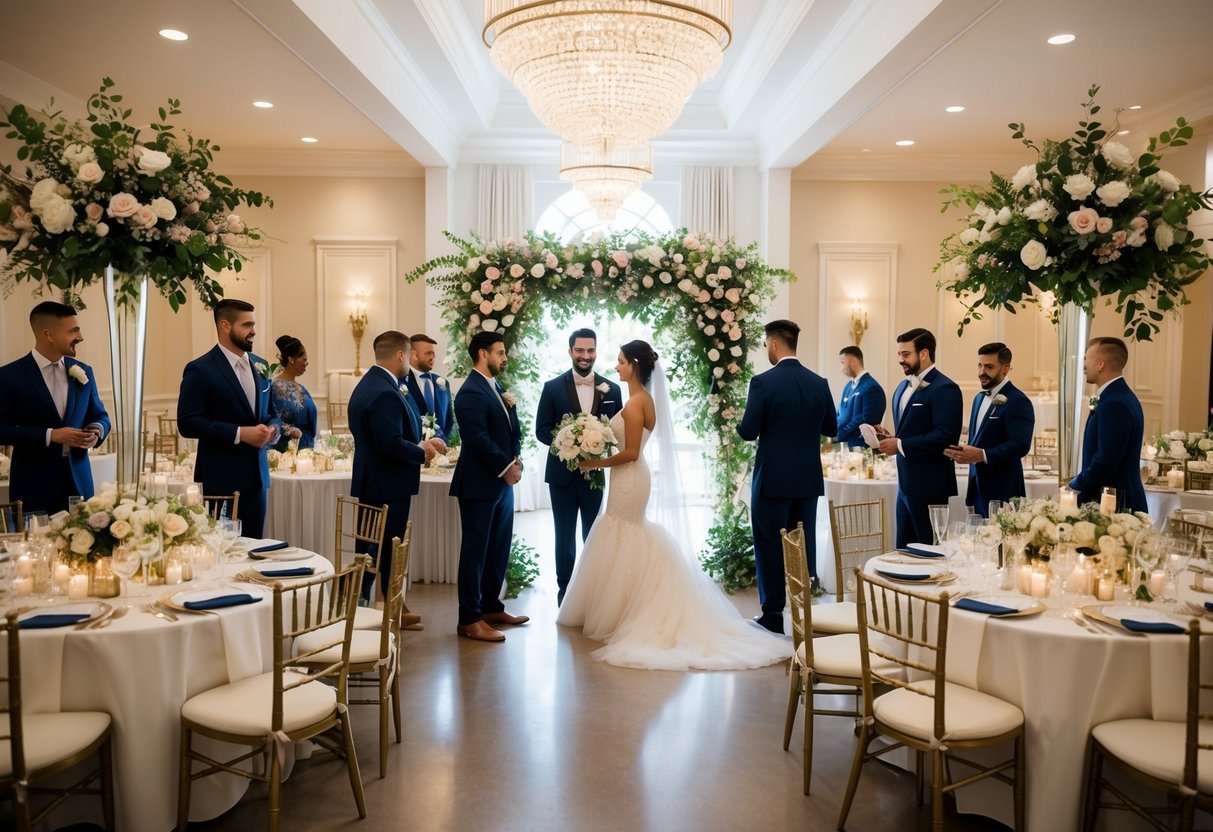
You might be surprised to learn that the number of guests you invite directly impacts your total expenses. More guests mean higher costs for catering, seating, and other necessities.
Each detail, from the cake to the flowers, adds up quickly, making it important to understand the factors at play in wedding planning.
As you navigate this journey, knowing why these services come with such hefty price tags can help you make informed choices. Understanding the underlying costs can also make it easier to set a realistic budget without feeling overwhelmed by the financial side of your special day.
Understanding Wedding Costs
Weddings often come with high price tags, and understanding why is key to planning your big day. Several factors drive these costs, including comparisons to other events and the so-called “wedding markup.”
Comparison with Regular Event Pricing
When you compare a wedding to other events, like a corporate party or a birthday, you may notice a big difference in costs. Regular events generally spend less because they often involve fewer personalized services.
For example, a standard catered event might average around $50 per plate. In contrast, the average cost of a wedding reception meal can soar to $100 or more per guest. This increase often includes extra services tailored for weddings, like professional decor and specialized menus.
Other expenses also add up quickly. Many wedding venues charge extra fees for things like setting up, cleaning, and coordination, which you might not find at simpler events. This difference can significantly increase your total wedding costs.
The ‘Wedding Markup’ Phenomenon
You may have heard about the “wedding markup,” which is common in the industry. This refers to the higher prices vendors charge for wedding-related items and services.
For instance, a florist might charge 30% more for wedding arrangements than for regular event flowers. This markup comes from the demand and specialization involved in creating something unique for your special day.
Additionally, venues might require you to use specific vendors, often at a higher rate. A venue that offers food and drink packages may seem pricey, but it can sometimes save you money on other elements in the long run.
Key Components of Wedding Expenses
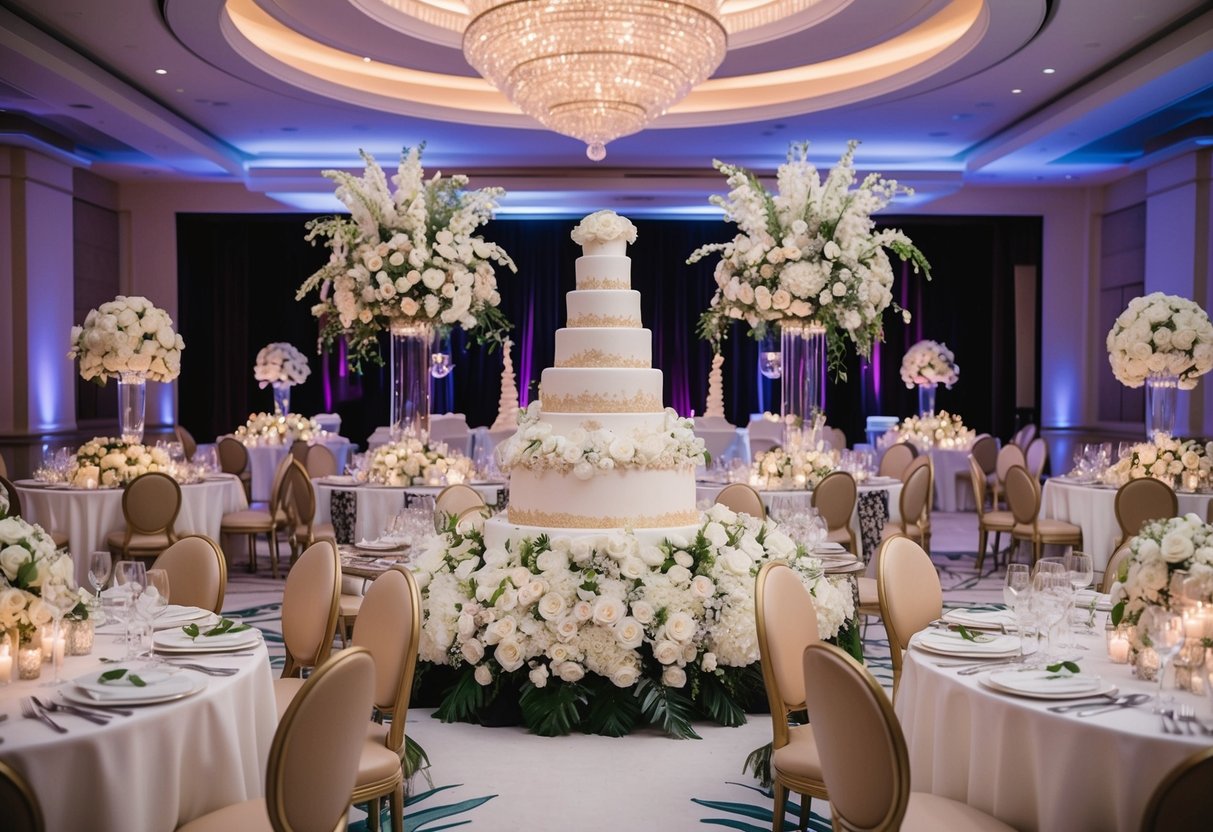
Planning a wedding involves many costs. Understanding the key components can help you budget more effectively. Each aspect contributes to the total price and can vary widely depending on choices you make.
Venue and Accommodations
Choosing the right venue can be one of your largest expenses. Costs depend on location, guest count, and the services included. Popular venues often charge more, especially during peak seasons.
Many venues also require a minimum spend. This means if your guest list is large, your expenses for space may rise quickly. Additionally, accommodations for guests can add to your budget. Booking blocks of hotel rooms can help save money for both you and your guests.
Catering and Food Services
Catering is another major expense. The type of meal you choose, whether it’s plated or buffet style, will impact costs dramatically. A sit-down dinner usually costs more than a buffet.
Don’t forget to factor in drinks. Some venues include bar service, while others charge extra. If you offer a signature drink or a wedding cake, these can increase your food-related expenses. Always ask wedding vendors for detailed pricing.
Photography and Videography
Capturing memories is essential, but professional photography and videography can be costly. Photographers often offer different packages, ranging from basic coverage to full-day services.
Videography can add another layer of expense. Some couples choose to combine both services for convenience. Researching vendors and viewing portfolios will help you find a style that fits your budget.
Decor and Floral Arrangements
Decor and floral arrangements set the tone for your wedding. Costs can greatly vary based on mood and theme. While DIY options can save money, hiring professionals often ensures quality.
Consider your floral budget carefully. Fresh flowers tend to be more expensive, particularly during off-season times. Rental items like centerpieces and linens also add to the decor tally, so prioritize what matters most to you.
Attire and Beauty
Your attire is an important part of your wedding day, but it can be costly. Wedding dresses can range widely, from affordable options to high-end designer pieces. Always factor in tailoring costs as well.
Don’t forget about accessories, shoes, and beauty services. Grooms need to consider their suits too. Hair and makeup costs can add up, so plan accordingly to avoid surprises on the big day.
Strategies for Managing Wedding Budgets
Managing a wedding budget is essential for a stress-free planning experience. By focusing on key areas, you can keep costs down while ensuring a memorable day.
Prioritizing Wedding Elements
Start by identifying what matters most to you. List the top three to five elements of your wedding that are non-negotiable, like the venue, food, or photographer. Once you know your priorities, allocate more of your budget to these areas.
For everything else, consider trimming costs. Perhaps you can simplify decor or opt for a less expensive flower arrangement. Focus on what will enhance your guest experience without breaking the bank. Having a clear list helps you stay on track and avoid unnecessary expenses.
Exploring Alternative Options
Think creatively about your choices. Instead of a traditional wedding venue, consider a park, beach, or someone’s backyard. These locations often need less decor and look beautiful naturally.
Additionally, consider different catering options. Food trucks or potluck-style meals can be both fun and cost-effective. You can even explore local vendors for services like photography, which may offer discounts or packages.
Don’t hesitate to ask friends or family for help. Some may have skills in photography, music, or baking that can save you money. Exploring these alternatives can significantly cut down on the overall cost of weddings.
Negotiating with Vendors
Once you’ve identified your priorities and explored options, it’s time to negotiate. Reach out to your chosen vendors and inquire about discounts or package deals. Many are open to negotiation, especially if you’re flexible with dates or times.
Consider booking services during off-peak seasons when prices are often lower. You can also ask if they can match a competitor’s price. Always communicate your budget upfront to help them tailor their offerings.
Building a friendly rapport with vendors can help. A positive relationship may lead to better deals and extra services. Remember, every little bit saved contributes to staying within your wedding budget.
Emotional and Social Factors
Weddings are full of emotional significance. They celebrate love and commitment, making the day feel special. This emotional weight can lead you to spend more. You want everything to be perfect.
Your wedding day is a once-in-a-lifetime event. You may feel pressure to create unforgettable memories, not just for you but for your guests. This desire often drives couples to invest in higher-quality services.
Guest experience plays a big role too. You want your friends and family to have a great time. This can lead to spending on better food, fun activities, or even fancy venues. You might dream of making every guest feel valued and cared for.
If you’re considering a destination wedding, you may face extra costs. Traveling and lodging for guests can quickly add up. Yet, the unique experience can make it worth the expense. You might imagine your loved ones relaxing in a beautiful setting, which can enhance the joy of the day.
Social media influences many couples today. You might feel a need to share beautiful photos and stories online. This adds pressure to create stunning visuals, prompting you to spend more on decorations and photography.
All these emotional and social factors can lead to increased wedding expenses.