
Why Avoid White Gold Engagement Rings? Exploring Alternatives for Your Perfect Sparkle
Choosing the perfect engagement ring is a big decision. Many people consider white gold for its modern look and shine. However, a white gold engagement ring can lead to repeated maintenance. It may also not suit everyone’s lifestyle.
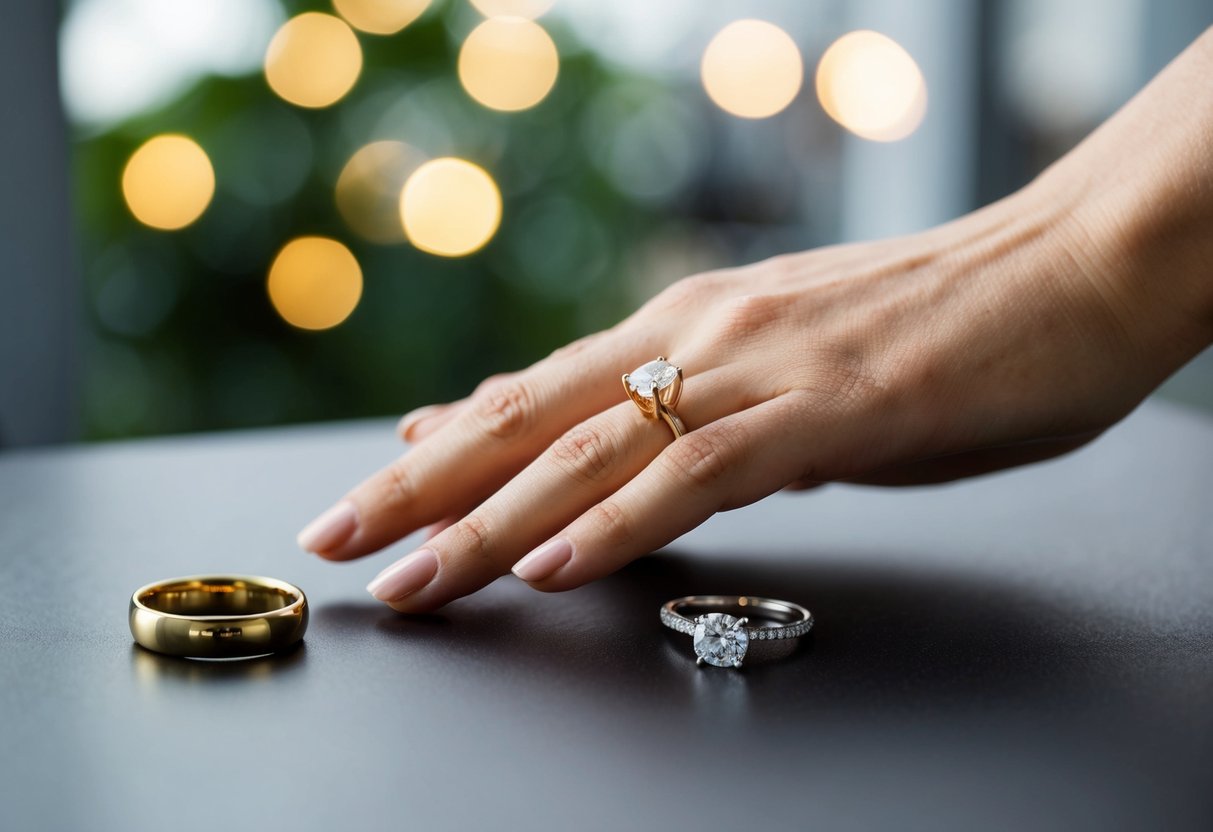
White gold requires regular replating to keep its bright appearance, which adds extra costs. Plus, if your loved one has an active lifestyle, this metal might not hold up as well as others like platinum or yellow gold.
When selecting an engagement ring, consider both aesthetics and practicality to ensure it fits seamlessly into daily life.
Not all choices are created equal. By understanding why some folks avoid white gold, you can make a more informed decision that reflects your partner’s style and needs. Your choice will symbolize a lasting commitment, so it’s worth taking the time to choose wisely.
Understanding White Gold and Its Properties
White gold is a popular choice for engagement rings, but it has unique properties that you should know. It is an alloy made by mixing pure gold with other metals, which affects its color, durability, and care needs. Let’s review how it compares to other metals and the important role of alloys and rhodium plating.
Comparison with Other Metals
When deciding on an engagement ring, comparing white gold with other metals is crucial. For instance, white gold differs from platinum and silver. Platinum is more durable and hypoallergenic but comes with a higher price tag.
In contrast, silver is more affordable but can tarnish over time, requiring more maintenance. Meanwhile, white gold, typically available in 14k or 18k options, contains a mix of pure gold and other metals like nickel or palladium.
This blend gives white gold its bright white hue, making it a good choice for an elegant look. However, it’s not as soft as pure gold, so it offers better durability for everyday wear.
The Role of Alloys and Rhodium Plating
White gold’s strength mainly comes from its alloy composition. In 14k white gold, you will find about 58% pure gold and the rest is made up of metals like nickel and silver. Meanwhile, 18k white gold contains around 75% gold combined with other metals.
Rhodium plating plays a vital role in enhancing the appearance of white gold. This thin layer of rhodium adds a brilliant shine and extra protection against scratches. However, this plating may wear off over time. If your ring starts looking dull or yellowish, it may need re-plating to maintain its shine and elegance. Regular care can help keep your white gold ring looking its best.
Style and Aesthetic Considerations
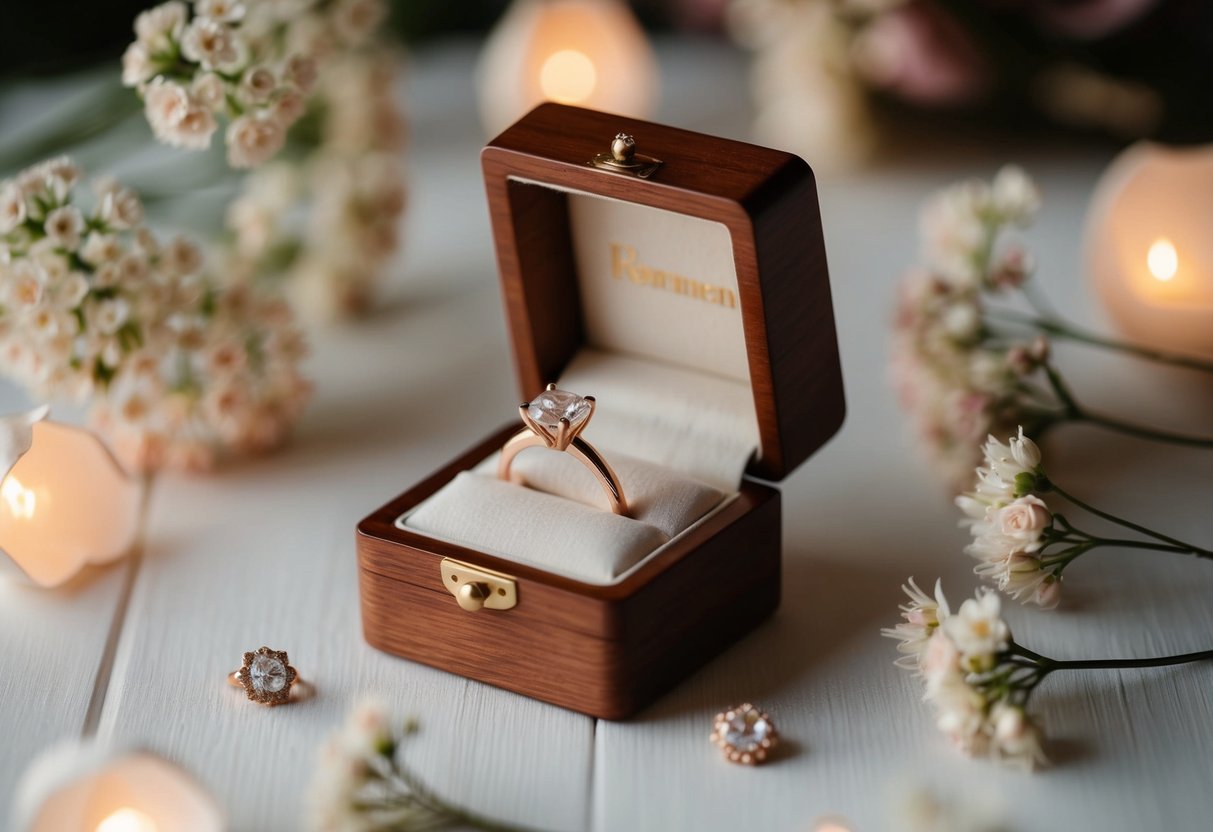
Choosing an engagement ring is not just about the metal; it’s also about how it complements your unique style and appearance. Specific considerations such as how white gold matches your skin tone and the ring design can greatly affect your overall satisfaction.
Color Matching with Skin Tones
White gold has a cool, silvery tone that may not suit every skin type. If you have warm undertones, yellow gold or rose gold might enhance your natural glow better than white gold.
You can assess how different metals look against your skin by trying on rings in various styles. For instance, a solitaire setting in yellow gold may appear more vibrant against warm skin, while white gold can look sleek on cooler skin tones.
Consider experimenting with different gemstones, like a diamond or emerald cut, to see which pairs best with your preferred metal. These contrasts can highlight your personal style, making the ring more meaningful.
Popular Engagement Ring Designs
When it comes to engagement ring styles, white gold can be quite versatile. Many people opt for classic designs like solitaire and halo settings. A solitaire ring features a single diamond, creating a timeless look.
On the other hand, halo rings surround the center stone with smaller diamonds, adding sparkle and sophistication. If you prefer something with character, vintage-inspired rings offer intricate details and warmth that can stand out beautifully when set in white gold.
Choosing a design that reflects your personal style is essential. Whether you prefer a minimalist look or more ornate styles, the key is to select a ring that you’ll love wearing every day.
Practical Aspects of Choosing White Gold
When considering a white gold engagement ring, it’s important to think about how you will care for it and how it fits your budget. White gold has unique maintenance needs and price points that you should understand before making a decision.
Maintenance and Durability
White gold rings often come with a rhodium coating that gives them a bright shine. Over time, this coating can wear off, causing the ring to look dull or even yellowish. Most jewelers recommend replating your ring every few years to keep it looking fresh and new.
While white gold is strong and scratch-resistant, it can still show wear on the surface. If you have an active lifestyle, you may want to consider this. Regular cleanings at your local jewelry store can help maintain its beauty and durability. Remember, taking care of your ring ensures it remains a cherished piece for years to come.
Budget and Affordability
When you’re choosing a white gold engagement ring, it’s crucial to consider your budget. White gold is generally more affordable than platinum but can vary widely in price based on karat content.
For example, a 14k ring is less expensive than an 18k ring because it has a lower gold content. In addition, the cost of maintenance, such as replating, should be factored into your budget.
If you love the elegant look of white gold but are concerned about ongoing costs, be sure to ask your jeweler about warranty options or service plans. This way, you can enjoy your ring without unexpected expenses down the road.
Health and Lifestyle Considerations
When choosing an engagement ring, it’s important to think about your health and lifestyle. Factors like allergies and daily activities can influence the best ring choice for you. Here are a couple of key points to keep in mind.
Allergies and Skin Sensitivities
If you have allergies, consider the materials in your ring. White gold is often mixed with metals like nickel, which can cause skin reactions. If your skin is sensitive, look for hypoallergenic options.
These can include platinum or certain types of gold that don’t contain nickel. Before you make a purchase, try on different metals to see how your skin reacts.
It’s better to test these things ahead of time than to face irritation later. You want a ring that’s beautiful and comfortable for everyday wear.
Engagement Rings for Active Lifestyles
Your lifestyle plays a big role in choosing the right engagement ring. If you lead an active lifestyle, you need a ring that can keep up.
White gold is durable, but a large stone or delicate setting may not work for you. Consider designs that sit lower on the finger. This can prevent snagging during activities.
Look for sturdier settings that protect the stone from damage. Engagement rings with a simple band can be both stylish and functional.
In the end, pick a ring that matches not just your style, but also your daily life. Comfort and practicality are key for long-term wear.