
Why Do Brides Stand on the Left? Exploring Wedding Traditions and Their Significance
When you think about wedding traditions, one detail that often comes up is why the bride stands on the left during the ceremony. This practice dates back to the Middle Ages when it symbolized trust and protection. The groom stands on the right, allowing him to protect his bride with his sword if necessary. This little bit of history adds significance to what can sometimes feel like a simple detail.
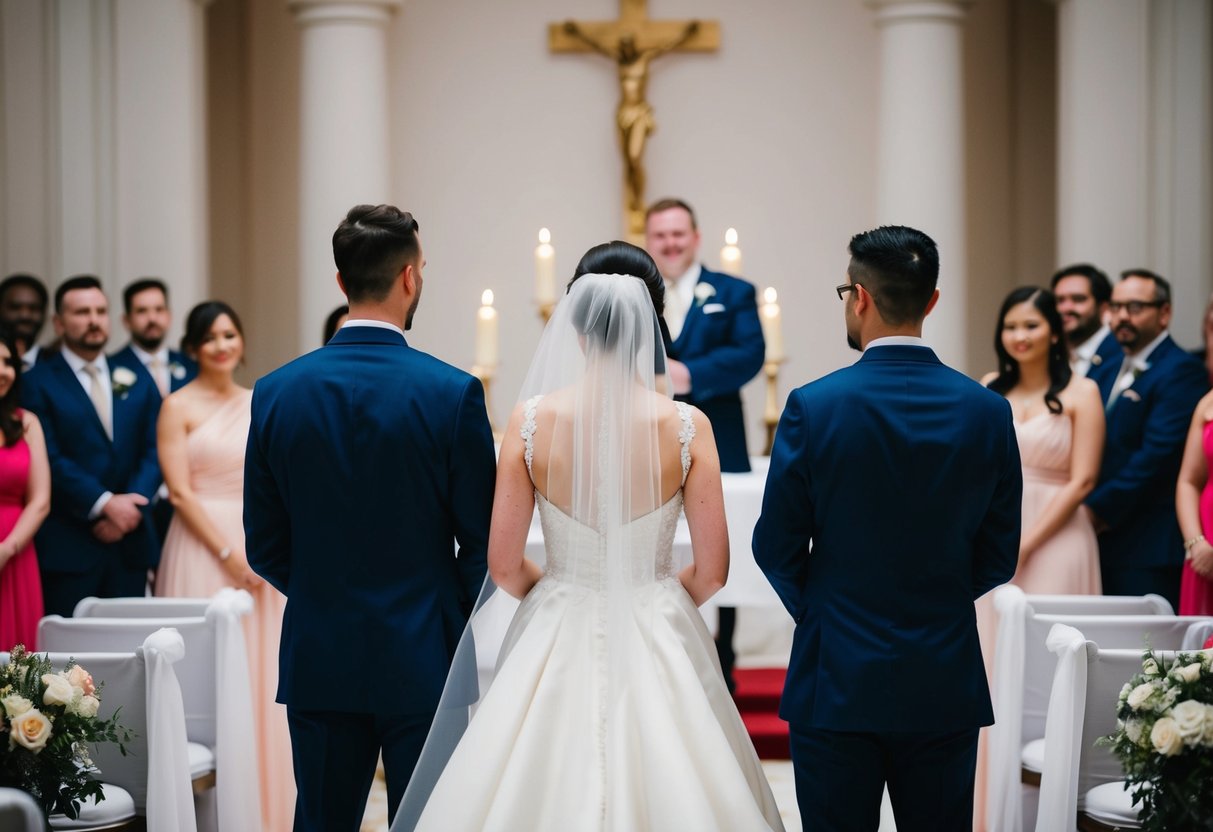
In many Western and Eastern cultures, this tradition continues as a way to honor the bride. It places her in a position of visibility and importance during the wedding ceremony. As a bride, knowing the reason behind this custom can make you feel connected to generations of couples who shared the same experience.
As you explore your own wedding plans, understanding these traditions helps you appreciate the deeper meanings behind each detail. You may decide to keep this tradition or adapt it to fit your unique love story, but knowing the background can be quite fun!
Historical Origins of the Tradition
The tradition of the bride standing on the left has roots in both historical practices and cultural customs. Understanding these origins can enhance your appreciation for this common wedding ritual.
Marriage by Capture and Its Influence
In ancient times, some marriages were formed through capture. This practice often involved a groom taking a bride by force or stealth. To protect the bride during this process, it was common for the groom to position himself closer to potential threats. By having the bride stand on his left, the groom could easily use his dominant right hand for defense, ensuring her safety. This positioning symbolized his role as protector, highlighting the importance of safeguarding loved ones even in a ceremonial setting.
Christian Ceremony Practices
As societies evolved, the rituals surrounding marriage transformed, particularly in Christian ceremonies. The left-side positioning continued, but it took on new meanings. In many Christian traditions, the bride stands on the left to signify her relationship with her family and the groom’s duty to protect her. The altar serves as a sacred space, reinforcing the idea of unity in a spiritual context. This practice has resonated throughout history, maintaining its significance in both religious and secular weddings today.
Ceremonial Positions and Their Meanings
The positions of the bride and groom during a wedding ceremony carry deep meanings and significance. Understanding where everyone stands helps you appreciate the traditions and roles at play.
Altar Placement and Symmetry
In most weddings, the bride stands on the left side of the altar while the groom stands on the right. This arrangement has roots in the past, where it was thought that the groom needed to keep his sword hand free to protect the bride from potential threats.
Choosing this setup creates visual balance during the ceremony. The left side is often seen as the place of honor for the bride. Her family usually sits on this side, symbolizing support and unity. This seating arrangement reinforces the tradition that the groom is the protector, creating a harmonious look as you exchange vows.
Roles of the Wedding Party
Beyond the couple, the wedding party also has designated positions. The best man stands beside the groom, ensuring he offers support before and during the ceremony. Groomsmen usually flank him, helping create a strong presence by his side.
On the bride’s side, the maid of honor stands close by, ready to assist throughout the day. Bridesmaids stand beside her, reflecting unity and friendship. This division highlights important relationships and symbolizes the support network each partner has as they step into a new chapter together.
Modern Interpretations and Variations
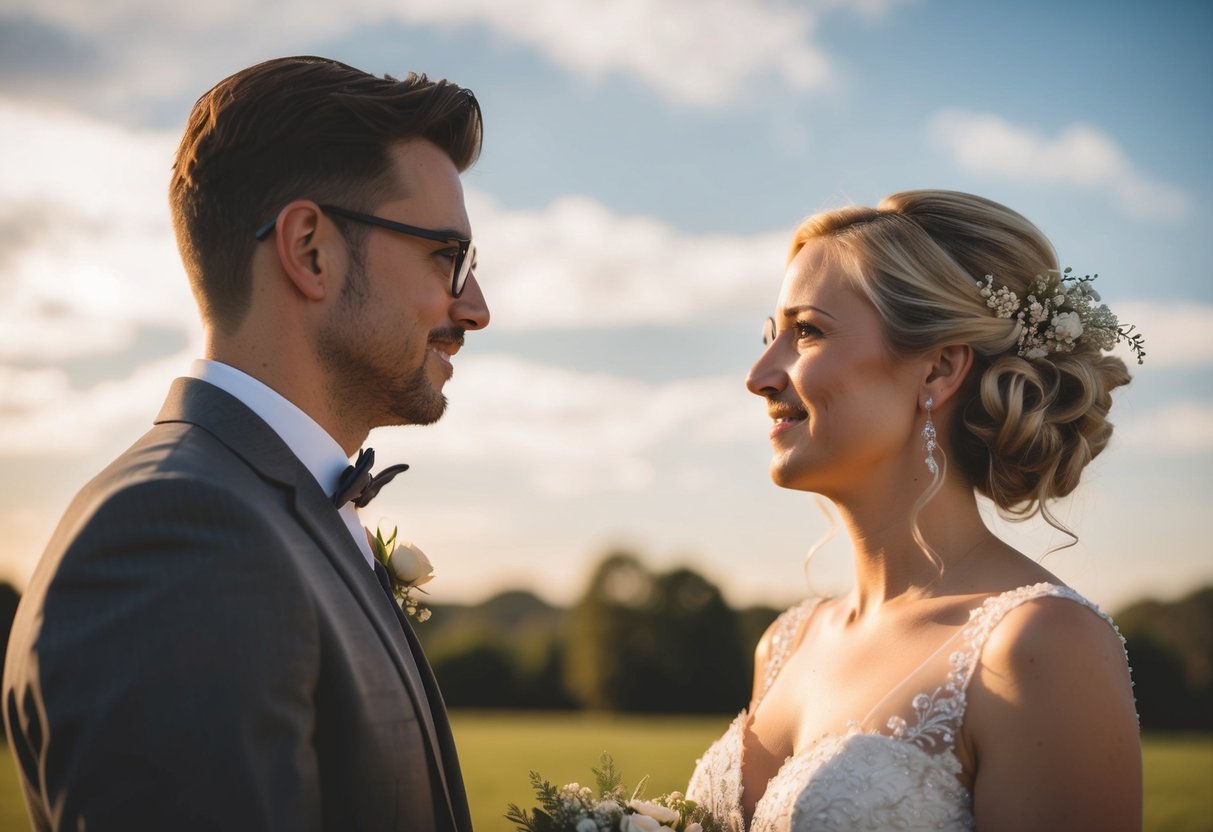
Today, the custom of brides standing on the left can change based on personal choices and cultural practices. Couples often decide which side to stand based on comfort rather than tradition in many contemporary weddings.
For instance, if you’re more comfortable standing on the left, you might choose to do so. The role of the wedding officiant can also influence how couples arrange themselves. They may suggest positions that best fit the flow of the ceremony.
Additionally, some couples prefer outdoor weddings, where the layout is more flexible. This can allow the bride and groom to stand side by side, regardless of traditional positions.
Cultural Differences in Wedding Ceremonies
Cultural practices greatly impact where brides and grooms stand during their ceremonies. In Jewish weddings, for example, couples stand together under a chuppah. This symbolizes a sacred space and unity.
In Christian wedding ceremonies, the bride often stands on the left. This aligns with the historical practice that leaves the groom’s right hand free for protective gestures.
Police weddings might also include unique elements that highlight the couple’s profession, adding personal touches to the ceremony. Each culture brings its own significance to the tradition, allowing for various interpretations.