
Why Do Brides Walk on Petals? Exploring the Tradition and Its Meaning
As you plan your wedding, you may wonder about the little details that make it special, like why brides walk on flower petals. This tradition not only adds beauty and romance to your ceremony but also symbolizes a transition from maidenhood to marriage.
Flower petals have been used for centuries, enriching the experience with their colors and scents, making your walk down the aisle even more memorable.
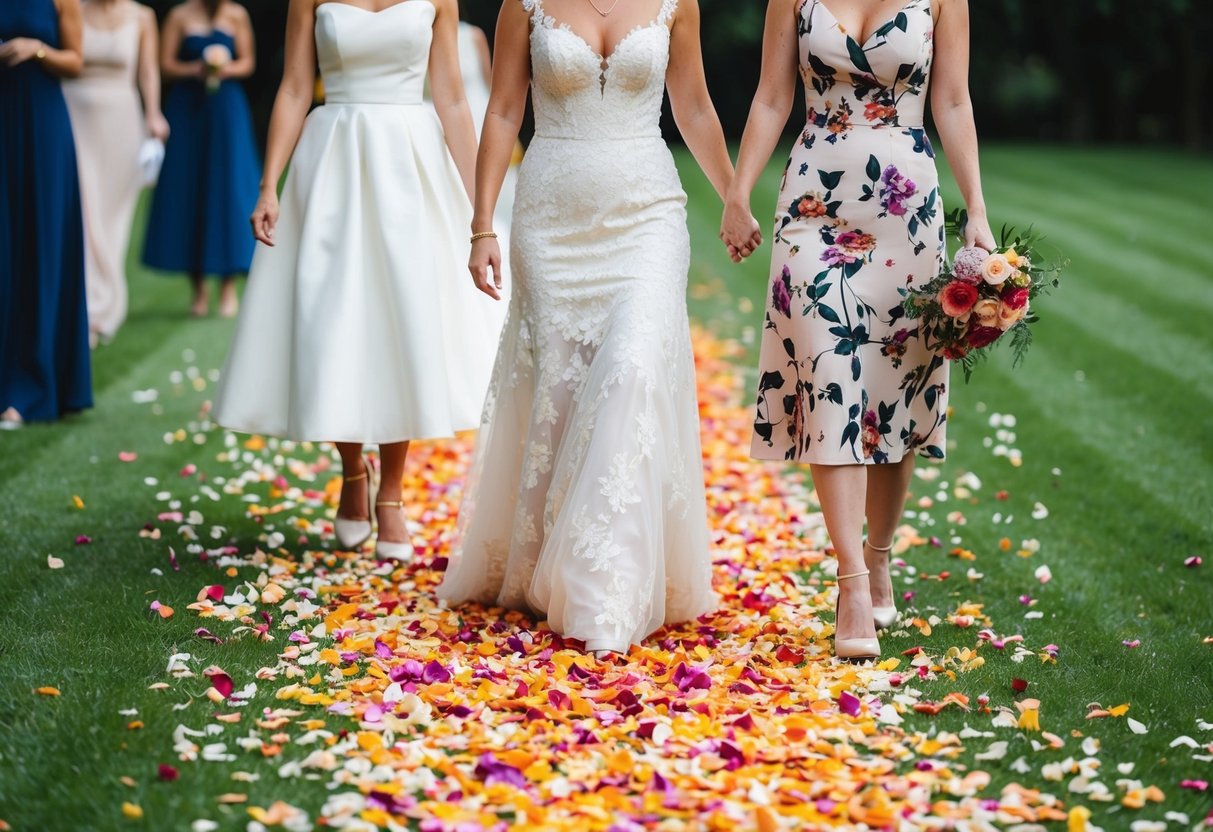
Walking on petals creates a stunning visual and enhances the atmosphere of love and celebration. It marks a significant moment in your life, underscoring the emotional journey you are embarking on.
The flower girl often leads the way, tossing petals that represent purity and fertility, inviting blessings into your marriage.
This timeless practice is more than just a lovely addition; it weaves together history and meaning. Each step on those delicate petals honors a legacy of love, making your wedding day even more extraordinary.
History of Petal Traditions in Matrimony
Brides walking on petals has deep roots in wedding history. This tradition blends ancient rituals with more contemporary practices. Understanding its origins can enhance the meaning it holds in modern celebrations.
From Ancient Rituals to Modern Celebrations
In Ancient Rome, flower petals symbolized fertility and prosperity. They were often used during nuptials to ward off evil spirits. A flower girl would walk ahead of the bride, scattering petals to pave a beautiful path. This act signified the transition from childhood to womanhood.
Over the centuries, this tradition evolved. In various cultures, including Ancient Greece, herbs and flowers were thrown to bring blessings to the couple. Today, many brides continue using petals for their beauty and symbolism.
You may choose rose petals for love or lavender for tranquility. These choices personalize your wedding experience.
The Role of Flowers in Medieval and Victorian Weddings
In Medieval England, the use of flower petals took on a new significance. At this time, flowers represented purity and fidelity. The flower girl commonly wore a white dress, symbolizing innocence, and scattered petals for good luck.
During the Victorian era, the meanings of flowers became more structured. Each flower had a specific significance, and couples often selected blooms that reflected their feelings.
This sense of symbolism still resonates today, as couples choose petals that speak to their hearts. Incorporating this timeless tradition can add a lovely touch to your wedding ceremony.
Symbolic Meanings of Petals and Flowers
When choosing petals for your wedding, it’s important to know their meanings and how they enhance the overall aesthetic. The right petals can symbolize key themes of love, purity, and happiness.
Color Symbolism and Selecting the Right Petals
Different colors of petals carry unique meanings. For instance, white rose petals symbolize purity and innocence. This makes them a popular choice for brides. They can represent a fresh start in your new marriage.
On the other hand, red rose petals are associated with romance and passion. They are perfect for expressing deep love.
Incorporating both colors can balance the themes of purity and passion on your special day.
You might also consider petals like yellow or pink roses. Yellow petals often stand for friendship and happiness, while pink represents grace and admiration.
Selecting petals that speak to you can add personal significance to your wedding.
Floral Design and Wedding Aesthetics
The arrangement of petals also plays a crucial role in your wedding’s visual appeal. Using a mix of colors can create a vibrant, festive atmosphere.
For example, scattering white and red petals down the aisle paints a stunning picture as you walk toward your future.
Petal designs should consider the overall wedding theme. If your wedding is classic, you might opt for simple white petals. If you’re going for a bohemian vibe, colorful petals can add warmth and charm.
In addition to aesthetics, think about the scents of the flowers you choose. Fragrant flowers, like roses, create a beautiful sensory experience and can enhance the joy of your ceremony.
Modern Interpretations and Trends
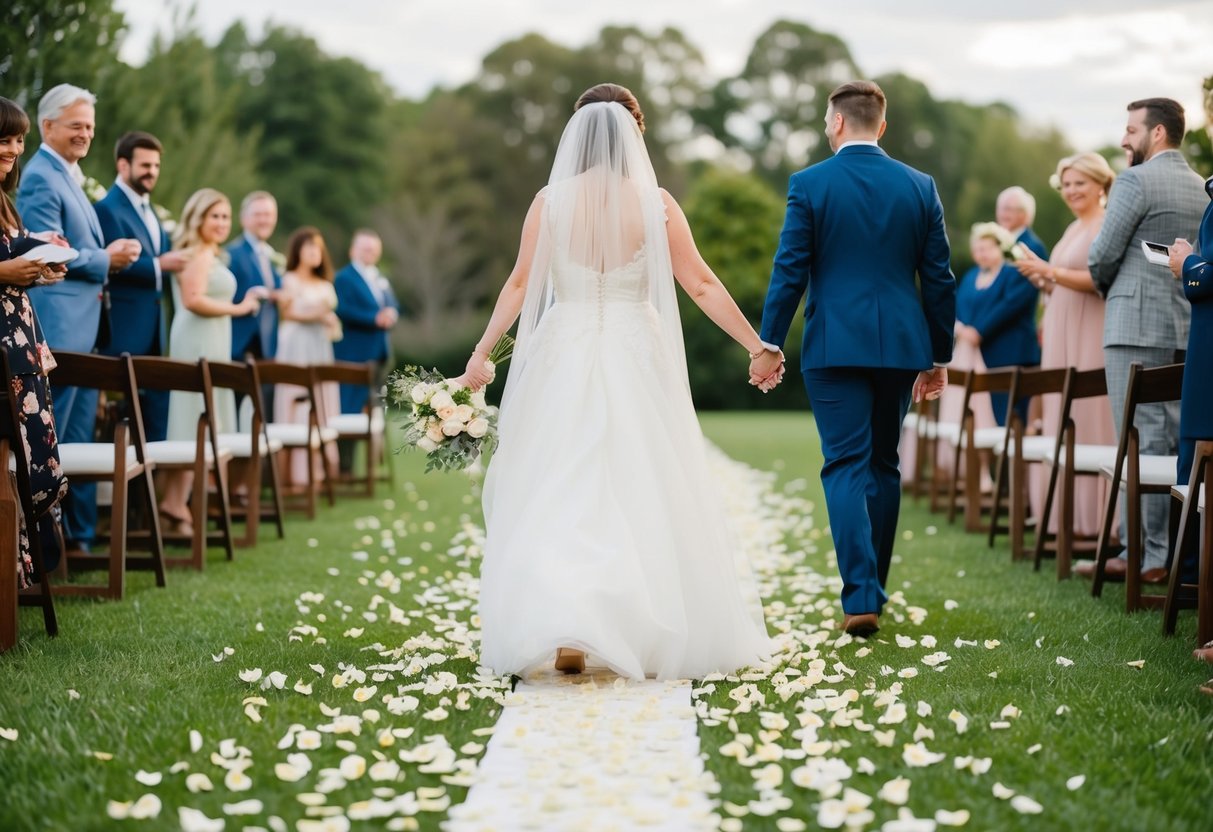
As traditions evolve, the ways brides use petals in their ceremonies are becoming more personal and creative. You’ll see new choices that reflect individuality and fresh ideas that change how petals and other wedding traditions are approached.
Personalizing Petal Choices
You can personalize your choice of petals to match your wedding theme or favorite flowers. While many brides still opt for classic rose petals, you might consider using lavender, peonies, or even mixed wildflowers.
Each flower holds a unique meaning. For example, lavender symbolizes devotion, while peonies stand for a happy marriage. This adds an extra layer of significance to your ceremony.
Additionally, some brides are using dried petals for a vintage touch and easier clean-up.
Think about colors that complement your wedding bouquet. Using petals that match your arrangement creates a cohesive look that enhances the overall elegance of your wedding.
Alternative Practices and the Garter Tradition
Aside from petals, many weddings feature the bouquet toss and garter toss as lively traditions. You may choose to keep these practices or adapt them.
The bouquet toss is a fun way to engage your guests, with the belief that whoever catches the bouquet will be the next to get married.
Alternatively, some brides skip the toss altogether and gift their bouquet to a special friend or family member. This adds a personal touch to the day.
The garter tradition is another exciting moment during the reception. Typically, the groom removes the wedding garter from the bride’s leg and tosses it to the bachelors present.
You can make this tradition your own by customizing the garter with sentimental items or colors that represent you and your partner.
The Practical Aspects of Floral Arrangements
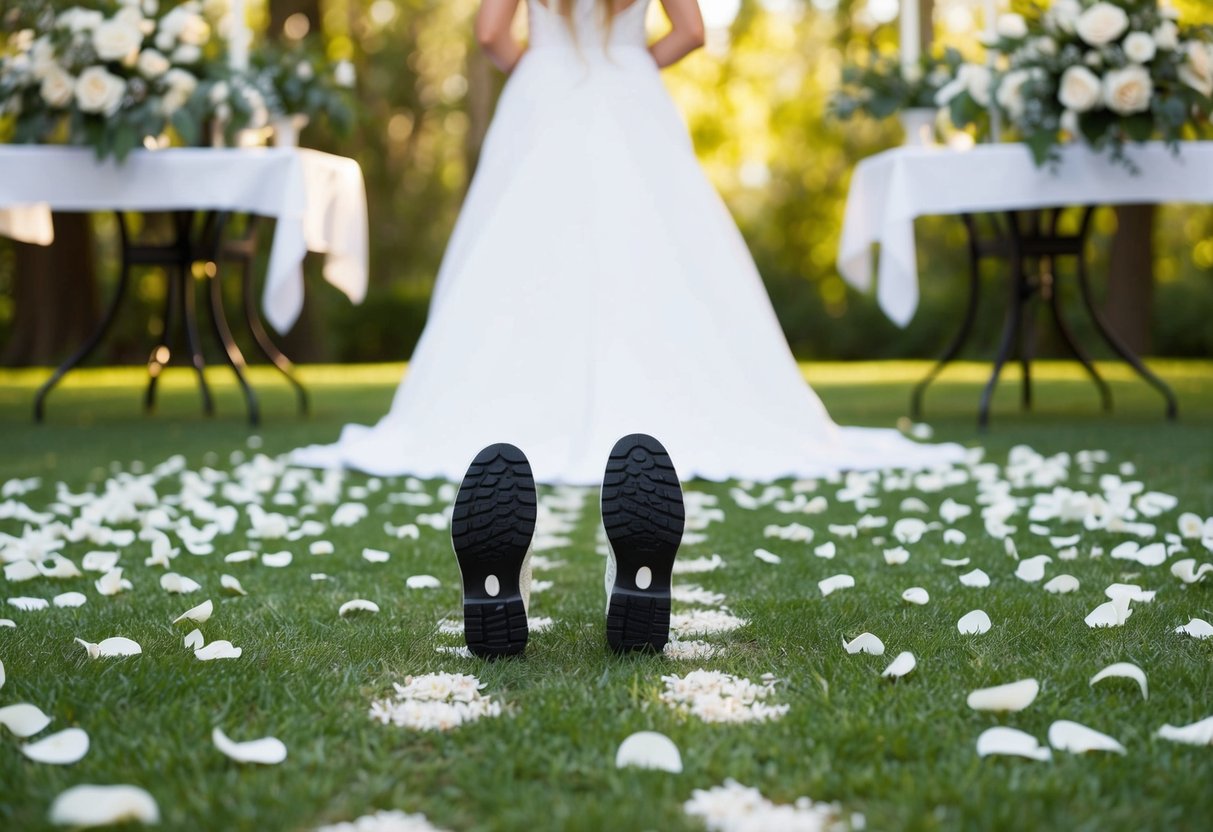
When planning your wedding, floral arrangements play a key role in creating a beautiful atmosphere. From choosing the right florist to planning specific floral elements, the details matter a lot. Let’s dive into the practical aspects.
Choosing Your Florist and Working With Them
Finding the right florist is important for your wedding’s floral design. Start by researching local florists who specialize in weddings.
Check their portfolios to see their style and previous work.
Schedule consultations to discuss your vision. Be specific about your preferences, including colors, types of flowers, and budgets.
Ask about their experience with wedding floral traditions, as this can impact your overall look.
Consider the services they offer. Some florists provide delivery and setup, which can save you stress on your big day.
Don’t forget to discuss items like corsages and boutonnieres, which are essential for the bridal party.
Planning Your Wedding Floral Elements
Planning your floral elements involves more than just bouquets and centerpieces. Think about where flowers can enhance your venue, such as at the ceremony and reception areas.
Create a list of all floral needs, including altar arrangements, aisle decorations, and table centerpieces. Make sure to address how many flowers you need for each area.
Consider seasonality when selecting flowers. Choosing in-season blooms makes your arrangements more affordable and enhances freshness and vibrancy.
Involve your florist in this process. They can suggest floral designs that work best with your wedding theme while ensuring that your vision becomes a reality.