
Why Do British Wear Wedding Rings on Left Hand? Exploring Tradition and Symbolism
When it comes to wedding traditions in the UK, the practice of wearing wedding rings on the left hand is steeped in history. British couples choose the left hand for a romantic reason. They believe that a vein in the fourth finger connects directly to the heart. This idea adds a special meaning to where the ring is placed, signifying love and commitment.
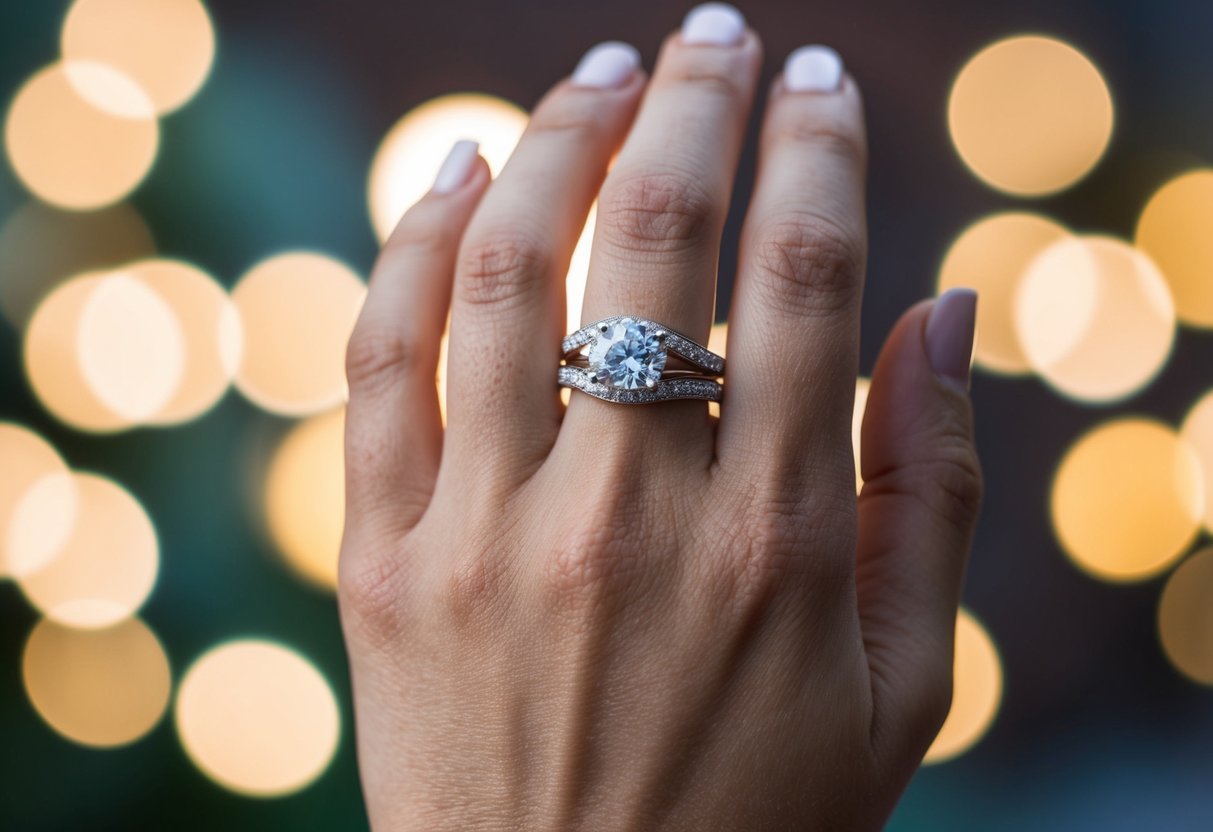
Cultural traditions play a significant role in how couples express their love through symbols like wedding rings. In the UK, this custom has been followed for centuries, making it a cherished part of marriage. When you wear your ring on the left hand, you’re not just participating in a practice; you’re embracing a rich heritage that celebrates the bond between partners.
Many people may wonder why some cultures choose different fingers or hands for their wedding rings. In the UK, the left hand has become a universal symbol of marriage, setting it apart from other traditions. Understanding this custom can deepen your appreciation for how love is expressed in unique ways across different cultures.
Historical Significance and Origin of the Tradition
The tradition of wearing wedding rings on the left hand has deep historical roots. It connects ancient practices to modern customs. You’ll see how love and commitment have influenced this tradition through the ages.
Ancient Origins and Vena Amoris
The tradition dates back to ancient Egypt, where rings symbolized a bond between partners. Egyptians believed a vein, called the “vena amoris,” ran directly from the fourth finger on the left hand to the heart. This made it the perfect spot for a wedding ring.
Romans adopted this idea, associating the left hand with love. They placed rings on this finger during engagement and marriage ceremonies. The circle of the ring represented eternity and unending love.
Medieval Times and the Spread Across Europe
As time progressed into the medieval era, the custom spread across Europe. Many cultures began to follow the tradition of placing wedding rings on the left hand. This practice became popular in Western cultures.
During this time, engagement rings also took on significance. Couples wore these rings on the left hand, reinforcing the idea of love and commitment. Over the centuries, the left hand remained a symbol of devotion, shaping how people express their relationships today.
This tradition has stayed strong in various cultures, showing the lasting importance of love and connection.
Cultural and Regional Variances
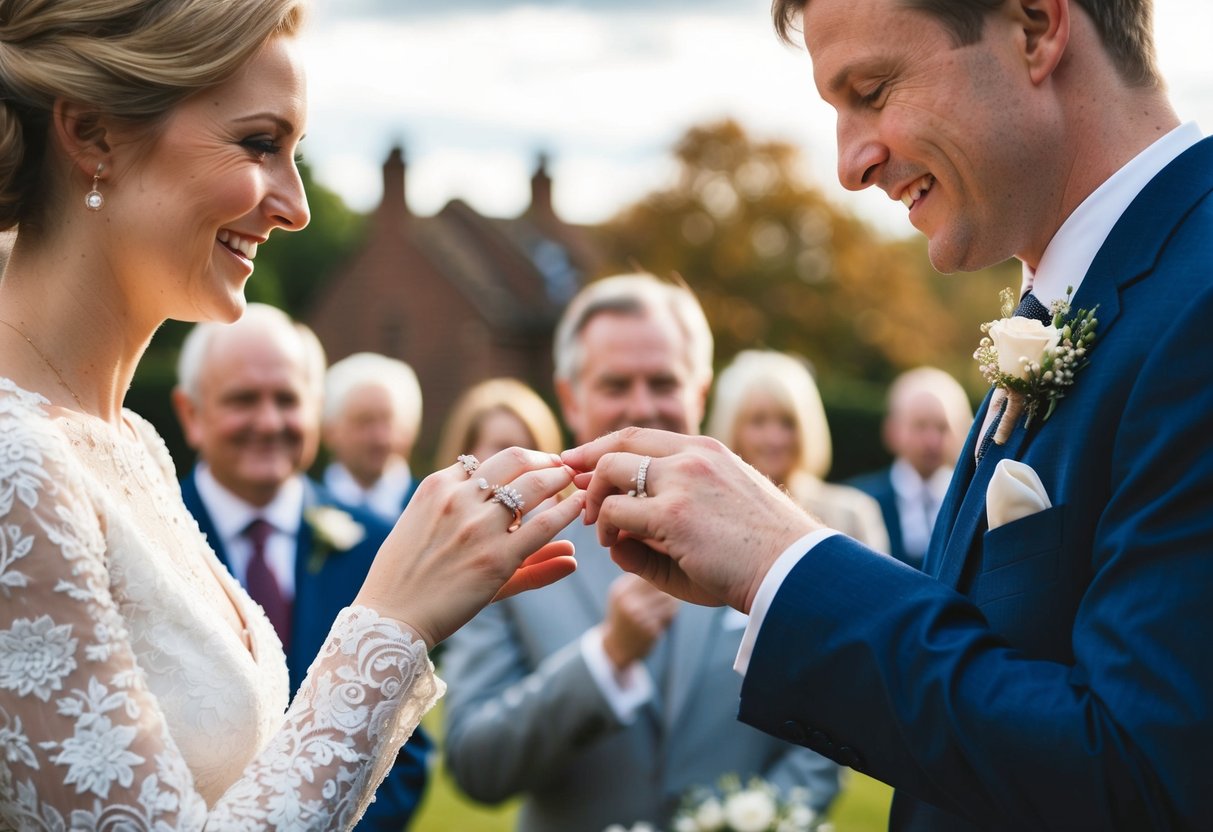
Wedding ring customs differ around the world, reflecting various cultural beliefs and traditions. Understanding these variances helps you appreciate why some people wear rings on different hands or fingers.
Differences Among Western Cultures
In many Western cultures, including the UK and the US, wearing a wedding ring on the left hand is standard. This practice symbolizes love and commitment. Engagement rings are also commonly worn on the left hand, often on the same finger.
In contrast, some Western countries have variations. For instance, in France, Italy, and Spain, couples traditionally wear their wedding rings on the right hand. This choice holds no less significance but reflects regional customs.
These differences underline how love and commitment are celebrated in diverse ways. Couple’s choices often depend on family traditions and personal beliefs, making wedding rings a rich topic of discussion.
Eastern European and Orthodox Christian Practices
In several Eastern European countries, such as Poland and Russia, you may find that wedding rings are typically worn on the right hand. This tradition often ties back to religious beliefs.
Orthodox Christians follow similar customs, also favoring the right hand for wedding rings. This practice is often linked to cultural traditions rather than spiritual significance.
In Jewish tradition, it’s also common to wear wedding rings on the right hand. The symbolism remains strong, focusing on the bond between partners and the importance of marriage.
Variations in Non-Western Countries
Non-Western countries demonstrate diverse ring-wearing practices. In Brazil, wedding rings are often worn on the right hand during the engagement and switched to the left after the wedding.
In some Scandinavian countries, traditions can vary widely. While many opt for the left hand, there are notable exceptions. Cultural beliefs can dictate which hand signifies marriage.
Different customs reflect unique traditions in non-Western cultures. These variations create a beautiful mosaic celebrating love and commitment worldwide. Understanding these customs enriches your appreciation for the global significance of wedding rings.
Modern Views on Wedding Ring Placement
Today, the choice of which hand to wear your wedding ring on can vary widely based on personal preference and lifestyle. Many people consider factors such as their dominant hand, cultural backgrounds, and the significance they attach to the left or right hand.
Personal Preference and Lifestyle Considerations
Your choice of hand for your wedding ring can depend on your personal style and lifestyle. Some people prefer the left hand because of tradition, while others opt for the right hand for various reasons.
If you’re left-handed, you might choose to wear the ring on the right hand to avoid discomfort when writing or engaging in manual labor. This choice helps maintain comfort without sacrificing style.
In contrast, others may feel more symbolically connected to wearing a ring on the left hand, which is often associated with commitment. Ultimately, it boils down to what feels right for you.
Significance of Left Versus Right Hand
Cultural beliefs often influence whether the left or right hand is used for wearing wedding rings. The left hand is seen in many cultures as a symbol of an eternal bond. This hand is also thought to be directly linked to the heart, adding deeper significance to your commitment.
On the other hand, the right hand can symbolize different stages of a relationship. For some, wearing a ring on the right hand indicates engagement or a less formal commitment. This choice reflects a more modern viewpoint, allowing you to express your relationship in a way that resonates with your personal beliefs and values.
Symbolism and Meaning Behind the Rings
Wedding rings, especially worn on the left hand in British culture, carry deep meanings. They symbolize unity, commitment, and an eternal bond between partners. Let’s explore these important aspects of wedding rings.
Unity and Commitment
When you wear a wedding ring, it represents the promise and commitment you share with your partner. This circular band has no beginning or end, symbolizing a love that is endless.
In British culture, placing the ring on the left hand also connects to the belief in the “vena amoris,” or the vein of love, which is thought to run directly to the heart. This adds a layer of emotional significance, as it shows a heartfelt connection between you and your spouse.
Many couples also choose to exchange promise rings before their wedding bands. These promise rings signify the intention to marry and mark the beginning of a commitment journey.
The Gold Band and Eternity Ring
Gold is a popular choice for wedding bands because it stands for wealth, purity, and lasting value. The shiny gold band represents not just commitment but also the preciousness of love.
Eternity rings, often given on anniversaries, contain a continuous line of gemstones. This symbolizes everlasting love and commitment, reaffirming your bond over time.
Different engravings or designs can personalize these rings, making them unique to your relationship. The choice of ring placement is also essential. Wearing it on the left hand emphasizes its importance as a sign of unity and devotion.