
Why Do Girls Stand on the Left Side at a Wedding? Exploring Tradition and Meaning
At many weddings, you may notice that the bride stands on the left side of the groom during the ceremony. This tradition dates back to medieval times when people believed that a groom needed to keep his right hand free. It was to defend against anyone trying to kidnap his bride. It reflects a time when weddings often involved more than just love; they were also seen as a way to protect one’s partner.
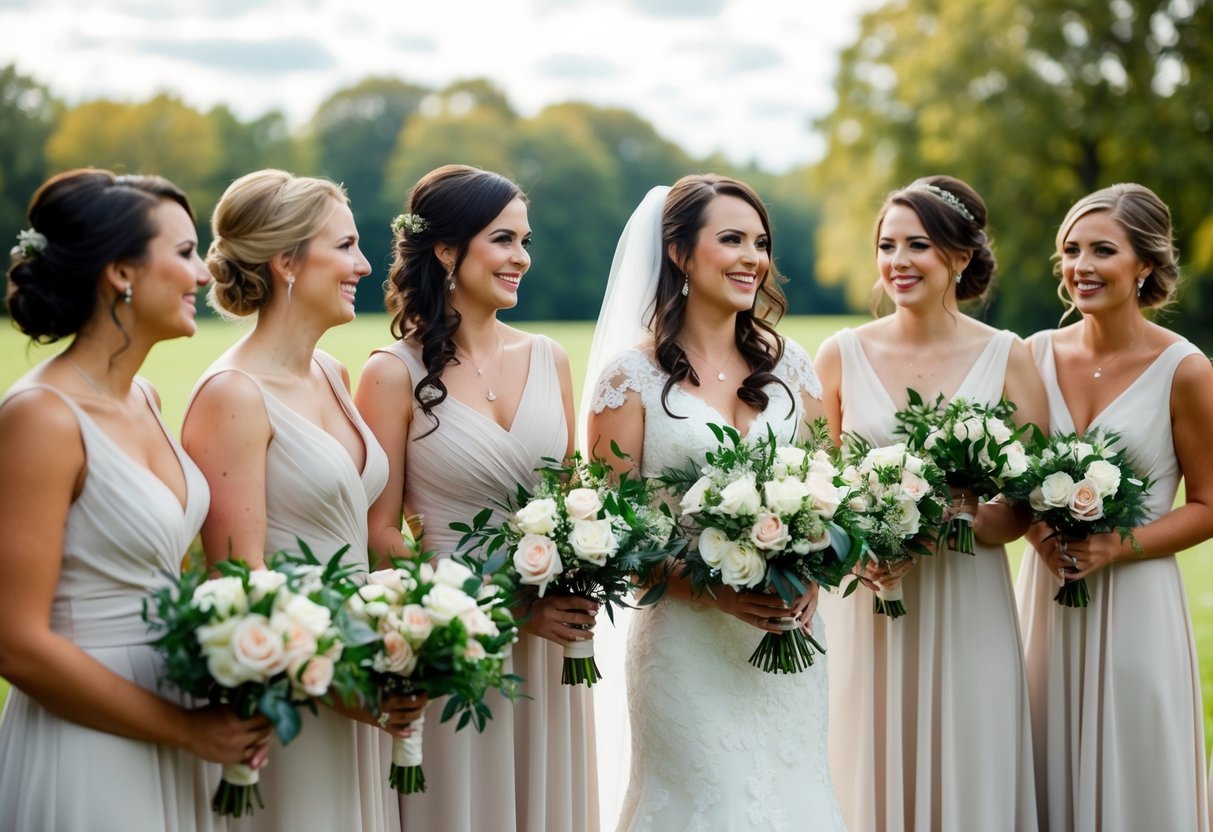
This age-old practice has stuck around, even as wedding customs have evolved. Today, for many couples, standing in this way is not just about tradition but also about honor and symbolism. The couple’s positioning can represent unity, love, and the protection offered by the groom, making the ceremony even more meaningful.
As you dive deeper into the topic, you’ll discover how the placement of the bride and groom varies across different cultures and ceremonies. Knowing the reasons behind these customs can add a richer understanding to your own wedding planning or simply enhance your appreciation for this beautiful tradition.
The Historical Significance of Wedding Positioning
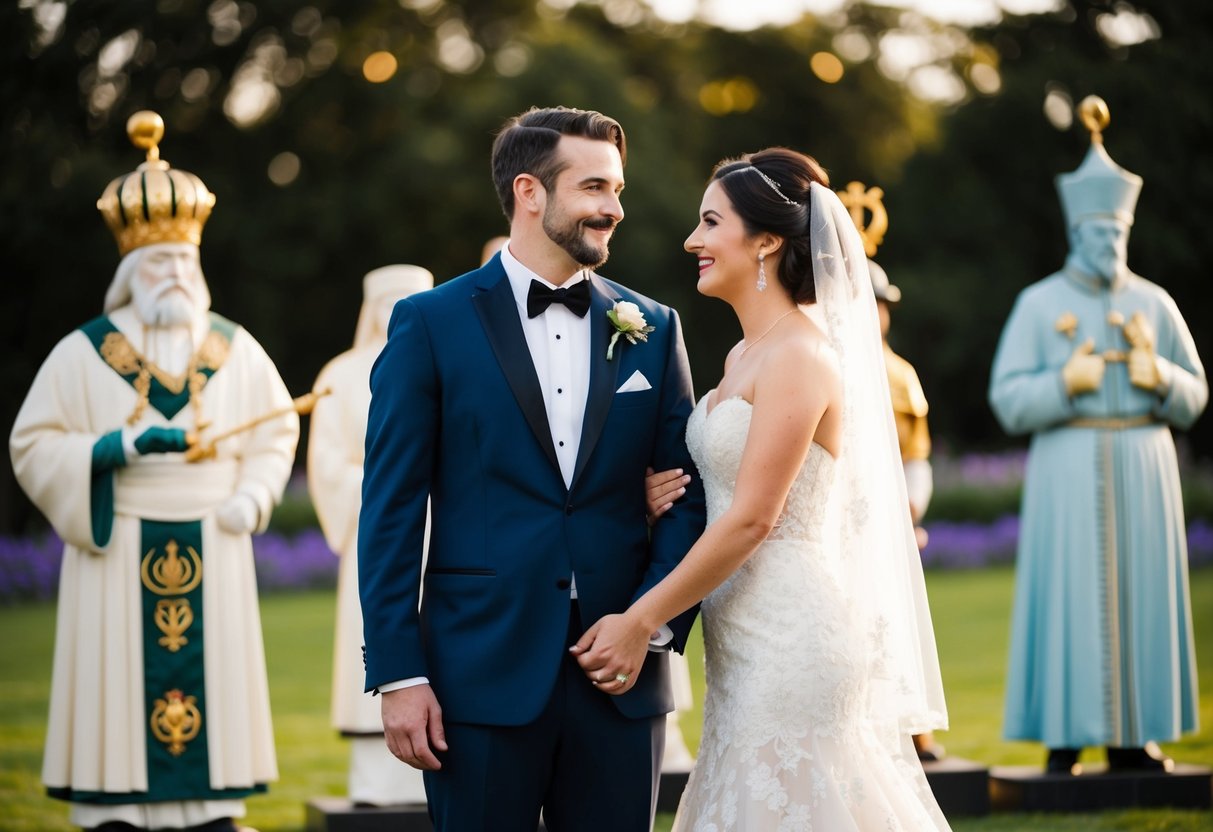
Understanding why girls traditionally stand on the left side at weddings involves diving into history. Factors like marriage customs and chivalry from the Middle Ages shaped this custom, along with the influence of Christian ceremonies.
Marriage by Capture and Chivalry
In earlier times, marriages were often seen as arrangements between families. The practice of “marriage by capture” meant that grooms had to protect their brides from rivals. By standing on the left, the bride was positioned to allow the groom to use his right hand, which is typically stronger, to defend against any threats. This placement symbolized the groom’s duty to shield his bride from danger.
Chivalry strengthened this idea. Knights were expected to protect and honor women. The left-side positioning emphasized the groom’s role as a protector during the wedding ceremony. Over time, this practice became a tradition, reflecting the historical bond of security and loyalty between the couple.
Influence of Christian Ceremonies
Christian ceremonies played a significant role in shaping wedding traditions. In many traditional Christian weddings, the bride stands on the left side to symbolize her commitment and the groom’s promise of protection. This position also allows for the crucial moment of exchanging rings.
The left side has been associated with positive traits in many cultures, thus enhancing the symbolic nature of the ceremony. By positioning the bride on the left, it represents not only the groom’s support but also a deeper spiritual connection through the marriage vows.
These historical practices have persisted, reminding couples of the roots and significance behind their wedding day positioning.
Cultural Variations in Wedding Ceremonies
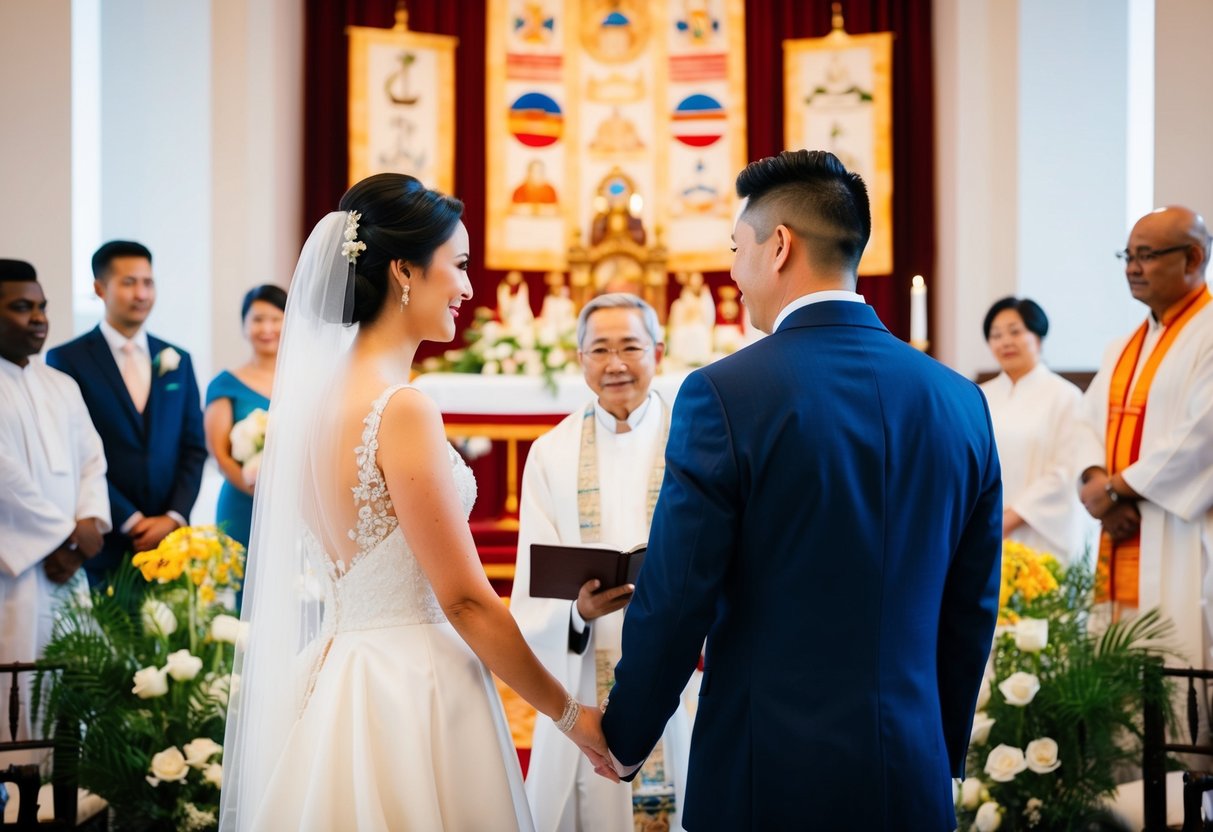
Different cultures have unique approaches to wedding ceremonies, including where the bride stands. Each tradition has its significance and can vary greatly. Here are some key cultural variations you might find interesting.
Jewish Wedding Traditions
In a Jewish wedding, the bride typically stands under the chuppah, which is a canopy symbolizing the home the couple will build together. During the ceremony, the groom stands to the right of the bride. This positioning highlights the bride’s honored place and represents her importance in the marriage.
Traditionally, the ketubah, or marriage contract, is read aloud, affirming the couple’s commitment. The wedding officiant usually leads prayers and blessings. Many Jewish weddings also include a breaking of the glass, representing the destruction of the Temple in Jerusalem. This act reminds couples of the fragility of life and relationships.
Hindu Wedding Rituals
Hindu weddings are rich in rituals and often last several days. The bride and groom stand together during key ceremonies, but there are moments when the bride might be on the left side. The right side is traditionally considered more auspicious for the groom.
A significant part of the wedding is the saat phere, where the couple circles a sacred fire seven times. Each lap represents a vow. Family and friends play essential roles, emphasizing community support. Personal preference and family traditions might impact minor details, making each wedding unique.
Adaptations in Modern Weddings
Modern weddings often blend different cultural elements, especially with the rise of same-sex couples wanting to honor diverse backgrounds. Couples may choose to alter traditional roles, including the positioning of the bride and groom.
Some may even decide to stand side by side or incorporate dual officiants to reflect their unique relationships. Personal preference plays a big role here. The focus shifts from strict traditions to what feels right for the couple and their families.
Roles and Responsibilities During the Ceremony
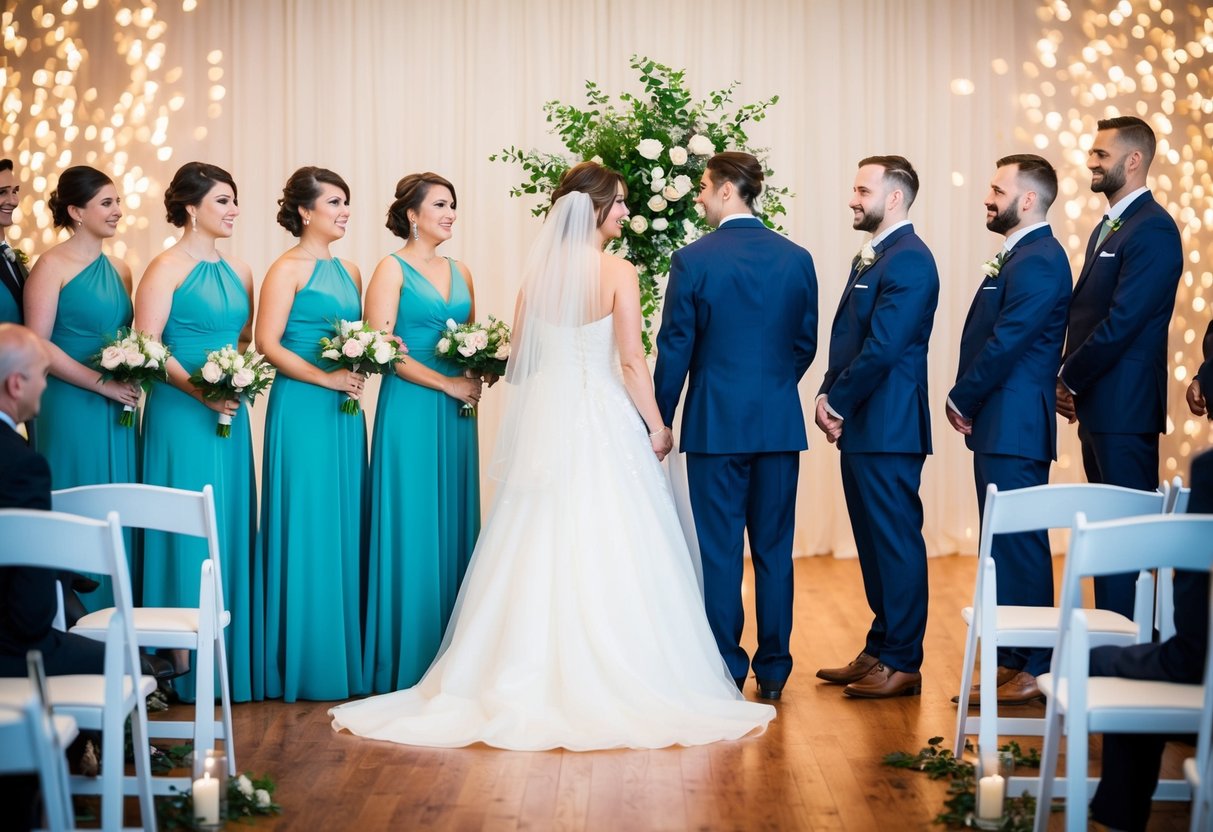
At weddings, the bridal party and groomsmen have important roles that add meaning and support to the ceremony. Each member has specific duties that help the day run smoothly and make it special for the couple.
Significance of the Bridal Party
The bridal party usually includes bridesmaids and the maid of honor. Their main role is to support the bride before and during the ceremony. This support can be emotional or practical, like helping the bride get ready or carrying her bouquet.
Bridesmaids often stand to the bride’s right, symbolizing their unity and friendship. They also participate in pre-wedding events, such as the bridal shower, which strengthens their bond. The maid of honor has additional responsibilities, like organizing these events and standing beside the bride during the ceremony. This tight-knit group ensures the bride feels cherished on her big day.
Groomsmen and Best Man Duties
The groomsmen, typically friends or family of the groom, stand to his left during the ceremony. Their responsibilities include helping the groom prepare and ensuring he is calm before saying “I do.” They often assist in organizing the wedding events and activities.
The best man, a key figure among the groomsmen, has significant duties. He not only supports the groom emotionally but also manages tasks like holding the wedding rings and giving a toast at the reception. The best man’s role is vital in maintaining a positive atmosphere and keeping the focus on the ceremony. Together, the groomsmen and best man contribute to the wedding’s joyful environment.
Symbolic Interpretations and Personal Choices
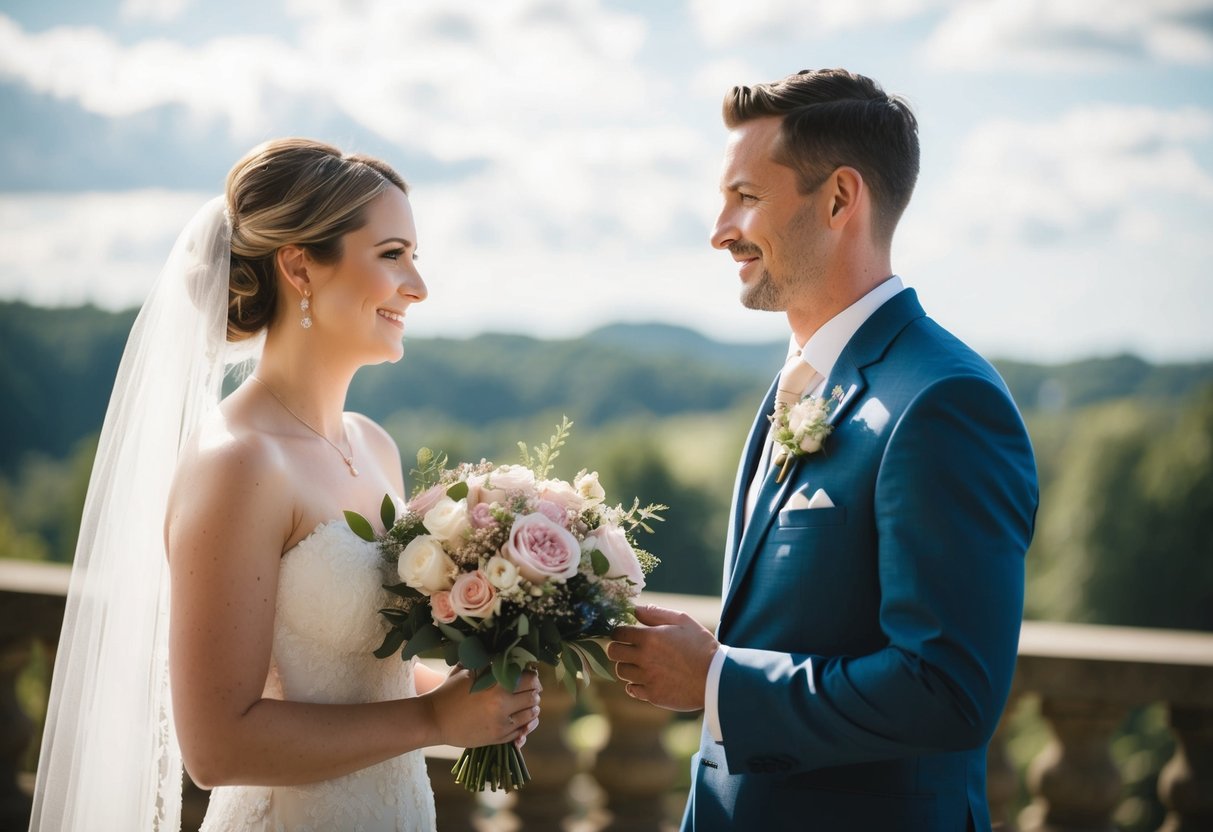
The tradition of the bride standing on the left side during a wedding holds deep meanings, often linked to symbolism and personal choices. These aspects shape how couples view their wedding day experience and their roles in the ceremony.
Embodying the Journey Together
When the bride stands on the left, it emphasizes the partnership between you and your spouse. This position symbolizes the emotional support you offer each other. The groom traditionally stands on the right, leaving his right hand free to protect his bride. These actions reflect the commitment you both share as you embark on your journey together.
During the wedding processional and recessional, this arrangement can enhance the emotional moments. It positions you both in a way that honors each other, showcasing trust and unity. Some couples choose to keep this tradition, while others mix in modern views to create a personal touch that resonates with their love story.
Choosing Your Side: Modern Takes
In modern weddings, standing positions can vary widely. While tradition has a strong hold, many couples today feel free to switch sides. You might want to stand on the right for personal reasons, making your wedding uniquely yours.
Additionally, the role of a man of honor is growing in popularity, showing that the traditional layout is adaptable. Your choices reflect your values as a couple, emphasizing that a wedding is about your love and partnership.
As you plan your ceremony, consider how these choices will represent your relationship and create the atmosphere you desire.