
Why Do Jews Get Married Under a Canopy? Understanding the Significance of the Chuppah
When you attend a Jewish wedding, you might notice the couple stands under a special canopy known as the chuppah. This custom symbolizes the home they will build together and represents a sacred space filled with love and God’s blessing. The open sides of the chuppah signify hospitality, reminding everyone that the couple will welcome others into their lives.

The marriage ceremony under the chuppah is full of rich traditions. It is not just about the couple; it reflects important values in the Jewish faith. As you watch the ceremony, you’ll see elements that connect to ancient customs and the importance of community in a marriage.
By exploring the meaning behind the chuppah, you’ll gain a deeper appreciation for the Jewish wedding ceremony. The symbolism and customs make it a unique and heartfelt experience that celebrates love, commitment, and family.
The Chuppah and Its Significance

The chuppah is a vital part of Jewish weddings. It is rich in meaning and history, symbolizing the couple’s new home and their commitment to each other. Understanding the chuppah gives you a deeper appreciation of its role in the wedding ceremony.
Symbolism of the Chuppah
The chuppah represents the new home that you and your partner will build together. It stands as an open structure with four sides, symbolizing openness and hospitality. This reflects the value of welcoming others, much like Abraham in biblical times.
In Jewish tradition, the chuppah is linked to kiddushin and nissuin. Kiddushin is the betrothal, while nissuin is the marriage ceremony itself. The canopy serves as a protective space during these rituals, encompassing you both as you make your vows. This moment under the chuppah expresses the sacredness of your union and invites God’s blessings into your life.
Historical Origins
The practice of using a chuppah has roots in ancient Jewish customs. It is reflected in the Talmud, where it is noted as a ceremonial object that signifies the creation of a new household.
Originally, Jewish weddings took place in tents or outdoor spaces. Over time, this evolved into the canopy we see today. The structure is not just a visual element; it serves a legal purpose as well, marking the move into married life.
Using a chuppah connects you to generations of Jewish couples. It ties you to a rich history of love and commitment that has shaped Jewish wedding traditions through the ages.
Rituals Performed Under the Chuppah

The chuppah is a vital space for various meaningful rituals in a Jewish wedding. Each custom holds deep significance and connects the couple to their heritage and faith. Here are some key rituals performed under the chuppah.
Circling the Groom
One of the first rituals is the circling of the groom. The bride circles the groom seven times, symbolizing the creation of a protective boundary around their relationship. This act represents the establishment of a new home together.
The number seven is important in Jewish tradition, often linked to creation and holiness. This circling also reflects the bride’s commitment to the groom and her role as a nurturing partner.
The groom remains still while this ritual takes place. It emphasizes the strength of the bond they will share in their marriage.
Seven Blessings: Sheva Brachot
The Sheva Brachot, or Seven Blessings, are recited during the ceremony. These blessings praise God and celebrate the joy of marriage. They are often delivered by honored guests or family members throughout the ceremony.
Each blessing highlights different aspects of love and companionship. They express gratitude for the couple’s commitment and the joy it brings to their families and community.
These blessings are essential in connecting the couple to their community and faith. They deepen the spiritual aspect of the wedding, making it more than just a legal contract like the ketubah, or marriage contract.
Breaking the Glass
One of the most memorable moments is the breaking of the glass. At the end of the ceremony, the groom (or the couple together) will stomp on a glass, shattering it into pieces. This action serves multiple purposes.
It symbolizes the fragility of relationships and the idea that joy and sorrow coexist in life. The broken pieces also remind everyone that even in celebration, there is a call to remember life’s hardships.
Guests often respond with the phrase “Mazel Tov!” after the glass breaks, celebrating the couple’s new life together. This moment brings laughter and joy amidst the solemnity of the vows, embodying the spirit of Jewish festivals and community celebration.
Cultural and Halachic Aspects
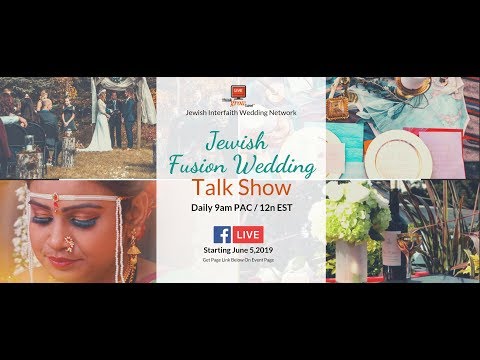
Jewish weddings carry deep cultural and legal significance. The canopy symbolizes the couple’s new home and commitment, while specific teachings and the ketubah add layers of meaning and responsibility to the union.
Pre-Marital Teachings
Before the wedding, there are important lessons about marriage within Jewish tradition. You may learn about the mitzvah (commandment) of creating a loving home.
Traditionally, the groom may wear a tallit during the ceremony, connecting him to prayer and his faith. The wedding procession is often filled with Torah study, as couples reflect on the values they want to uphold together.
In addition, you’ll find that the act of covering the bride with a veil highlights modesty. This practice reminds you of the seriousness of the commitment and adds a spiritual layer to your union.
Marriage Contract: The Ketubah
The ketubah is a key document in Jewish law. This marriage contract outlines the responsibilities of each partner. It acts as a legal transaction that protects both parties and details the husband’s commitment to support his wife.
The ketubah reflects expectations for love, respect, and partnership. In some cases, it even includes a special clause for a Jewish divorce, called a get.
The ketubah is usually written in Aramaic or Hebrew and is signed by witnesses. It serves as a lasting reminder of your vows, giving you both a solid foundation as you begin your life together.