
Why Do People Have a Registry? Understanding the Benefits and Purposes Behind It
Creating a registry can feel like a big task, but it serves a clear purpose. Couples use a registry to guide their friends and family in choosing gifts that they genuinely need and want. This helps ensure that you receive items that fit your style and enhance your new life together.
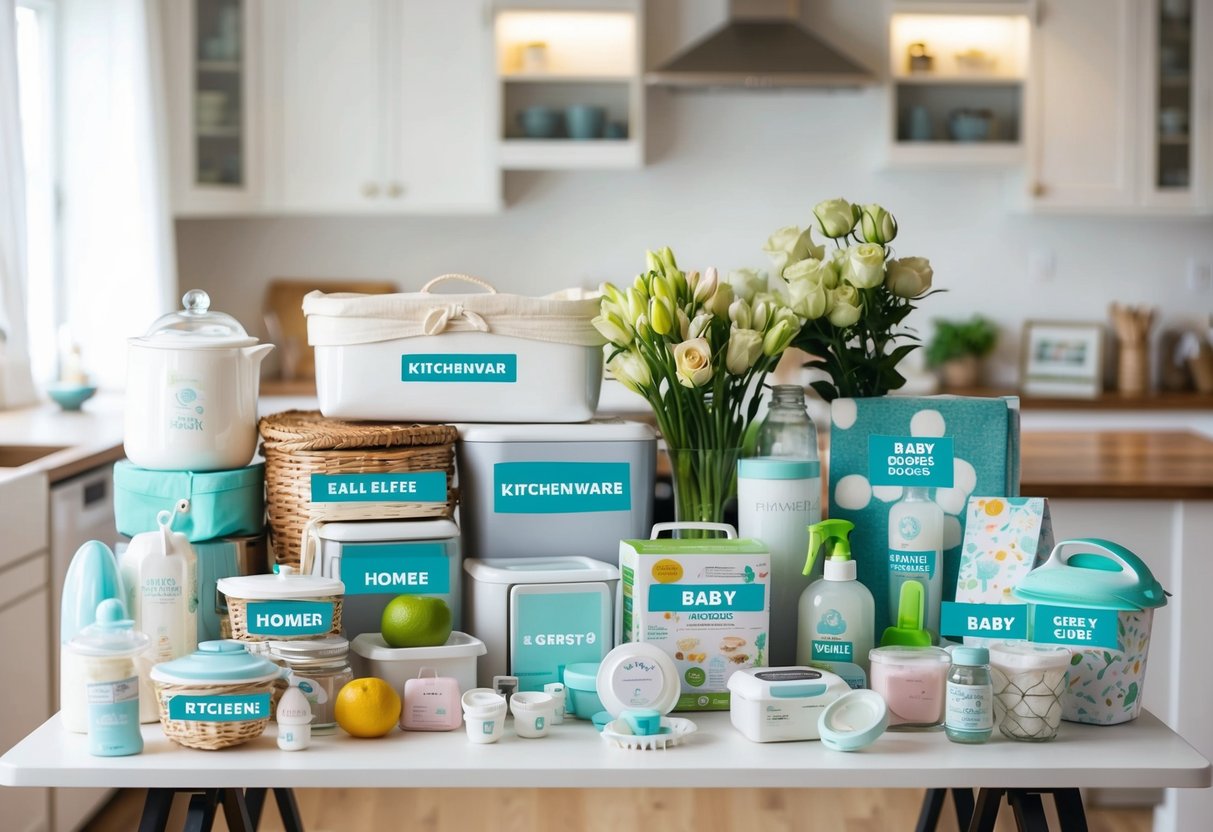
Engaged couples often have a mix of needs and desires as they plan their weddings and futures. A registry makes it easier for loved ones to pick the perfect gifts, whether that’s kitchen gadgets, home decor, or experiences like a honeymoon fund.
With a carefully curated list, you help your guests know exactly what to get, avoiding the stress of guessing.
Having a wedding registry is not just about receiving gifts; it also creates excitement around your special day. By sharing your preferred registry items, you invite your loved ones to participate in your journey as a couple, making them feel connected and involved.
The Purpose of a Wedding Registry
A wedding registry serves several important functions that make gift-giving easier for your guests and help you get the items you truly want or need. It streamlines the process, manages what gifts are given, and keeps things organized.
Facilitating Gift Giving
Creating a registry makes it simple for your wedding guests to choose gifts. When you provide a list of items you want, they don’t have to guess, which can feel overwhelming.
By sharing your preferences, you guide them toward gifts that match your style and household needs. Guests appreciate knowing that their gift will be something you genuinely want. This way, feeling confident about their choice becomes easier.
Many registries also offer a range of prices, allowing guests to select something that fits their budget. Whether it’s fancy kitchenware or home essentials, everyone can find something suitable.
Managing Expectations
A wedding registry helps manage expectations for both you and your guests. It clearly communicates your preferences, reducing the uncertainty about what gifts to give.
When guests use your registry, they feel confident their gift will be welcomed. You also benefit by receiving items that align with your tastes and future needs.
This organized approach can enhance the overall experience of wedding gift-giving. Guests will feel appreciated knowing they chose a meaningful gift rather than something you might not use.
Avoiding Duplicate Gifts
One of the common issues with gift-giving is receiving the same item multiple times. A wedding registry helps prevent duplicate gifts by showing what has already been chosen by other guests.
When family and friends look at your registry, they will see which gifts have been purchased. This way, they won’t accidentally buy the same item.
Reducing duplicates helps you avoid the hassle of managing returns or exchanges. It also keeps your home clutter-free, allowing you to focus on enjoying the gifts you truly want. Plus, it streamlines writing thank-you notes, as you’ll have a clear list of what you received.
Creating Your Registry

Creating your wedding registry can be an exciting part of wedding planning. It allows you to select items that you truly want and need, making gift-giving easier for your guests. Here’s how to make the most of your registry.
Choosing the Right Items
When selecting items for your registry, think about what you really need for your home. Start with must-have items like kitchenware, bedding, and bathroom essentials.
Consider adding some big-ticket items that you may not buy for yourselves right away, like a nice set of cookware or a new kitchen appliance. Look for wedding registry ideas online to inspire your list.
Don’t forget personal touches. Items that reflect your style, like decorative pieces or games, make your registry feel unique. Try to include a variety of price points, so your guests can choose something that fits their budget.
Setting Up a Universal Registry
A universal registry allows you to combine items from various stores into one list. This option offers your guests more flexibility when selecting gifts.
To set up your universal registry, choose a registry service that accommodates different stores. This can help streamline the gift-giving process. Include links to items from specific stores to make purchasing easy.
Make sure to provide a balanced selection of products. This includes everything from practical items to fun experiences like a cooking class or a weekend getaway. Your guests will appreciate having diverse options to choose from.
Understanding Registry Etiquette
It’s important to know some basic registry etiquette to avoid any awkwardness. First, create your registry early in the planning process. This gives guests enough time to choose gifts.
Be transparent about your needs, but don’t pressure anyone to buy from your list. Gifts are a gesture of love and should not be obligatory. It’s also polite to send thank-you notes after receiving gifts to show your appreciation.
Updating your registry is also a good idea. If items are purchased or you change your mind, make adjustments to keep it relevant. This helps guests find something that you still desire.
Special Types of Registries
Registries serve various purposes beyond just wedding gifts. Understanding different types can help you make informed decisions about what suits your needs best.
Cash and Honeymoon Funds
A cash registry allows you to collect money instead of traditional gifts. Many couples choose this option to fund their honeymoon or home projects.
With a honeymoon registry, guests can contribute toward experiences, accommodations, or even travel expenses. This type of registry helps guests feel involved and gives them a chance to support your dream vacation.
You can set up fun options, like a romantic dinner or adventurous excursions. Clearly state how the funds will be used, so guests know exactly what they’re contributing to. This adds a personal touch to their gift, making it feel special and meaningful.
Charitable Donations and Contribution Gifts
Some registries focus on charitable giving. Instead of gifts for yourself, you can create a registry that channels contributions to causes you care about.
This approach encourages guests to donate in your name, supporting charities or organizations that make an impact. You can list specific charities or projects, allowing guests to choose where their contributions go.
Contribution gifts can also include collective funding for projects, like community outreach or environmental initiatives. This type of registry not only helps your chosen causes but also spreads joy among your guests, knowing they’re making a difference together.
After the Wedding
After your wedding, your registry can still be useful in several ways. You can take advantage of discounts and manage gifts that may not fit your needs, all while keeping your wedding experience joyful.
Utilizing Completion Discounts
Many stores offer completion discounts after your wedding. This means you can buy remaining items on your registry at a reduced price. It’s an excellent way to gather any household items you still need.
These discounts often range from 10% to 20% off. The specific percentage varies by store, so check with your registry provider to learn how long you have to take advantage of these offers.
Make sure to shop early if you want to enjoy the best deals. It’s a great opportunity to complete your home with the things you genuinely want.
Handling Returns and Exchanges
Sometimes you receive gifts that don’t quite fit your style or needs. This is where understanding returns and exchanges becomes vital.
Make sure to keep track of all gift receipts or packaging.
Most stores allow returns within a certain period, typically 30 to 90 days. It’s always polite to send a wedding thank-you note, even if you plan to exchange the gift.
If you receive unwanted gifts, decide if you want to return them for store credit or exchange them.
Communicate clearly with the person who gave the gift to ensure no feelings are hurt.
By managing returns well, you can turn unwanted items into things your home truly needs.