
Why Do People Like Traditional Weddings? Exploring Timeless Values and Celebrations
Traditional weddings hold a special place in many people’s hearts. They connect you to a rich tapestry of customs and cultural heritage that can make your wedding day feel more meaningful.
People appreciate traditional weddings because they offer a sense of belonging and continuity, allowing couples to honor their family history while creating new memories.
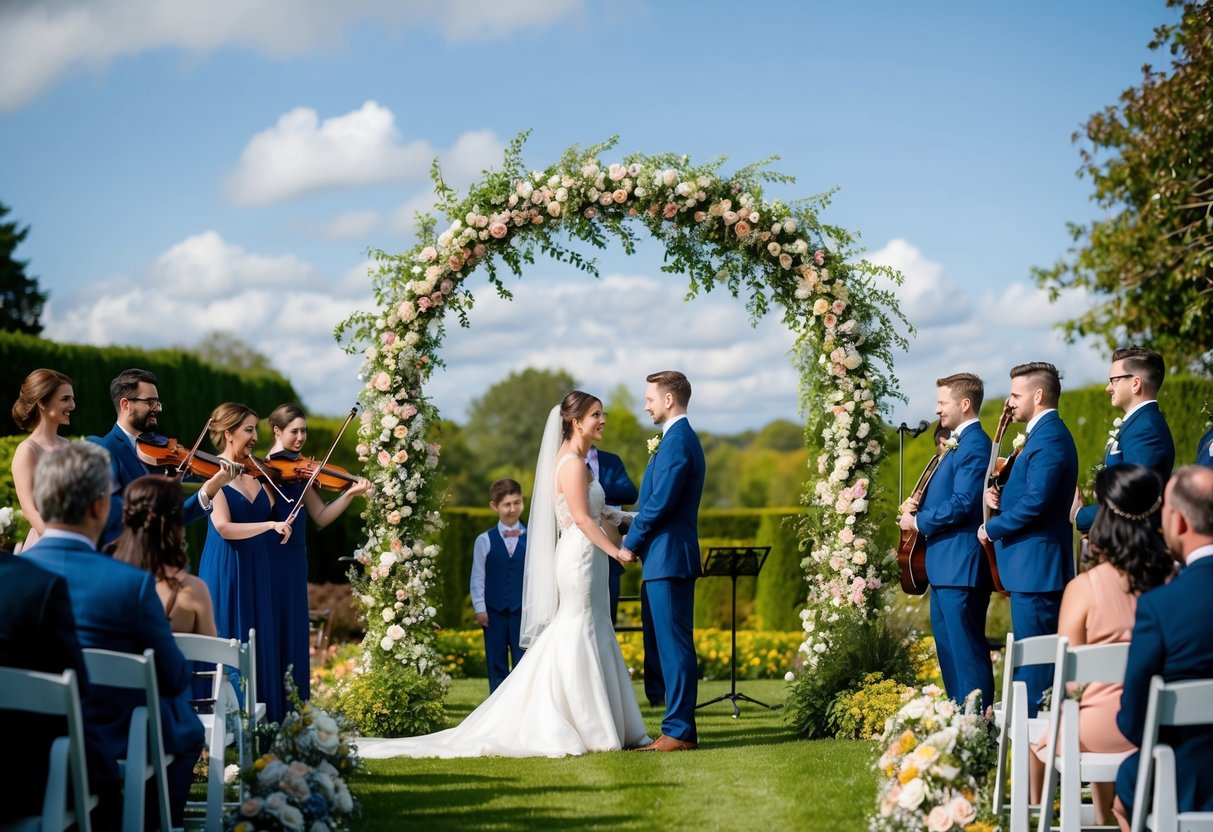
These weddings often come with beautiful rituals and vibrant celebrations that showcase your background and values. From the attire to the ceremonies, each element tells a story that can deepen your connection to your roots.
Embracing these traditions can also create a unique atmosphere that resonates with you and your guests, making for an unforgettable experience.
In addition to the emotional significance, traditional weddings can also provide a framework for planning. With established customs, you can easily choose which elements to incorporate, simplifying your decisions.
This mix of familiarity and personalization can make your journey to the altar both exciting and comforting.
Significance of Traditional Ceremonies
Traditional weddings hold a special place in many cultures. They connect you to your roots and offer insights into family values and community beliefs. Understanding these elements reveals why such ceremonies are cherished.
Cultural Heritage and Family Tradition
When you participate in a traditional wedding, you honor your cultural heritage. These ceremonies often reflect the norms and values passed down through generations. They create a link between you and your ancestors, celebrating your family’s history.
Family traditions play a significant role as well. Many of the customs you see today have been practiced for years.
For example, the act of walking the bride down the aisle represents the father giving his daughter away. This symbolizes protection and guidance, reinforcing family bonds.
In addition, traditional wedding customs, like wearing a white wedding dress, often signify purity and new beginnings. These practices help create a sense of belonging in your family and community.
The Symbolism of Wedding Traditions
Each wedding tradition carries important symbolism. For instance, the exchange of wedding rings represents eternal love and commitment. This gesture has deep roots in many cultures, reinforcing the vows you make to each other.
Furthermore, many traditions, such as the bouquet toss or the cutting of the cake, have meanings behind them.
The bouquet toss is believed to bring good luck to those who catch it, symbolizing future love and happiness.
Participating in these customs gives your ceremony a rich, meaningful context. It connects you to a larger narrative about love, commitment, and community, making your special day even more memorable.
Planning and Preparations
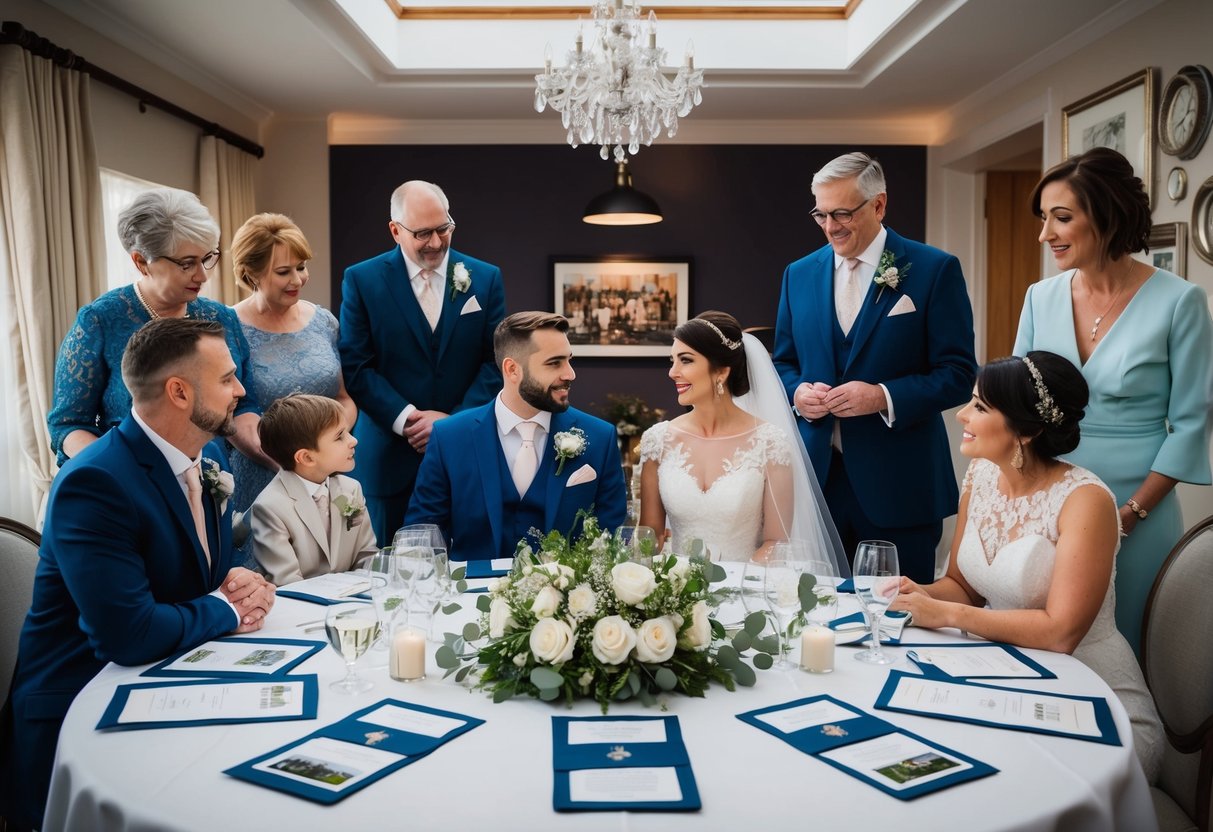
When planning a traditional wedding, there are essential steps to ensure everything runs smoothly. Key aspects include selecting a date, organizing the event details, and choosing the right attire for everyone involved.
Choosing the Perfect Date
Selecting the right date is crucial for your wedding. Many couples prefer to marry in the spring or summer, with June being the most popular month. This is when the weather is usually pleasant.
Think about any family events or holidays that may affect your chosen date.
You also want to check venues and vendors early. Popular locations can book up quickly. Consider giving yourselves at least a year to plan. This allows ample time for adjusting any plans and keeping stress levels low.
The Role of Event Planning
Event planning can make or break your wedding day. Hiring a wedding planner may help you manage the numerous details involved.
They can assist with finding venues, coordinating with vendors, and managing the budget.
If you prefer to plan on your own, start with a checklist. Key elements include the venue, catering, flowers, and music. Keep all your contacts organized. This will help you stay on top of everything.
Don’t forget to consider your guests’ needs as well. Provide information about accommodations and travel. This ensures everyone can join in your special day without hassle.
Attire and Accessories
Choosing attire is a fun part of planning your wedding. The bride often wears a traditional white wedding dress, symbolizing purity. It’s essential to find one that reflects your personal style and fits well.
Bridesmaids also play a big role in the wedding style, so choose dresses that complement your gown. Speak with your bridal party early about styles and budgets.
Accessories like veils and engagement rings should match your overall look. Consider factors like comfort and the weather when selecting pieces.
A stunning look will make you feel confident on your special day, allowing you to enjoy every moment.
Marriage and Societal Perspectives
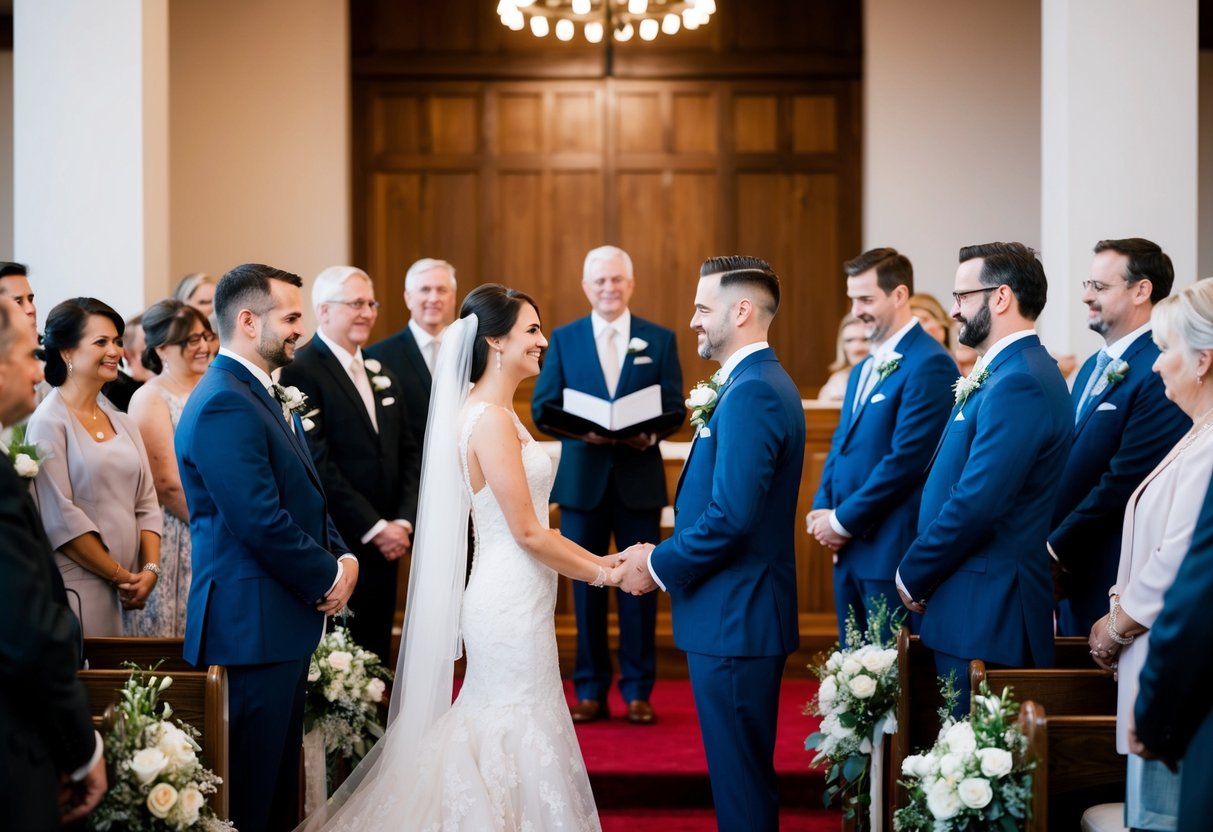
Marriage holds different meanings in societies, especially when looking at traditional versus modern concepts. Understanding these perspectives helps clarify why many people still prefer traditional weddings today.
Comparing Traditional and Modern Marriages
Traditional marriages often emphasize family involvement and cultural rituals. Families usually play a significant role in deciding the couple’s future. This can include arranged marriages, where parents choose a partner based on social and economic factors.
In contrast, modern marriages highlight personal choice and love. Couples often marry after getting to know each other well. Cohabitation before marriage has also become more common, allowing partners to test their compatibility.
While traditional marriages can foster a strong family network, modern marriages focus on individual happiness. This difference shapes how couples plan their wedding ceremonies and their expectations for married life.
Success Rates: Traditional vs. Modern
Success rates for marriages vary based on the type. Traditional marriages often boast higher success rates due to their strong community support. Families provide guidance throughout the relationship, increasing stability.
Modern marriages, meanwhile, face challenges like rising divorce rates. Couples are now more likely to separate if they encounter problems. They may prioritize personal fulfillment over maintaining a partnership.
Many love marriages might struggle without the support systems found in traditional setups. Studies show that arranged marriages can have lower divorce rates due to the cultural emphasis on commitment and family values. Understanding these distinctions can be helpful in deciding what type of marriage works best for you.
Ceremonial Activities
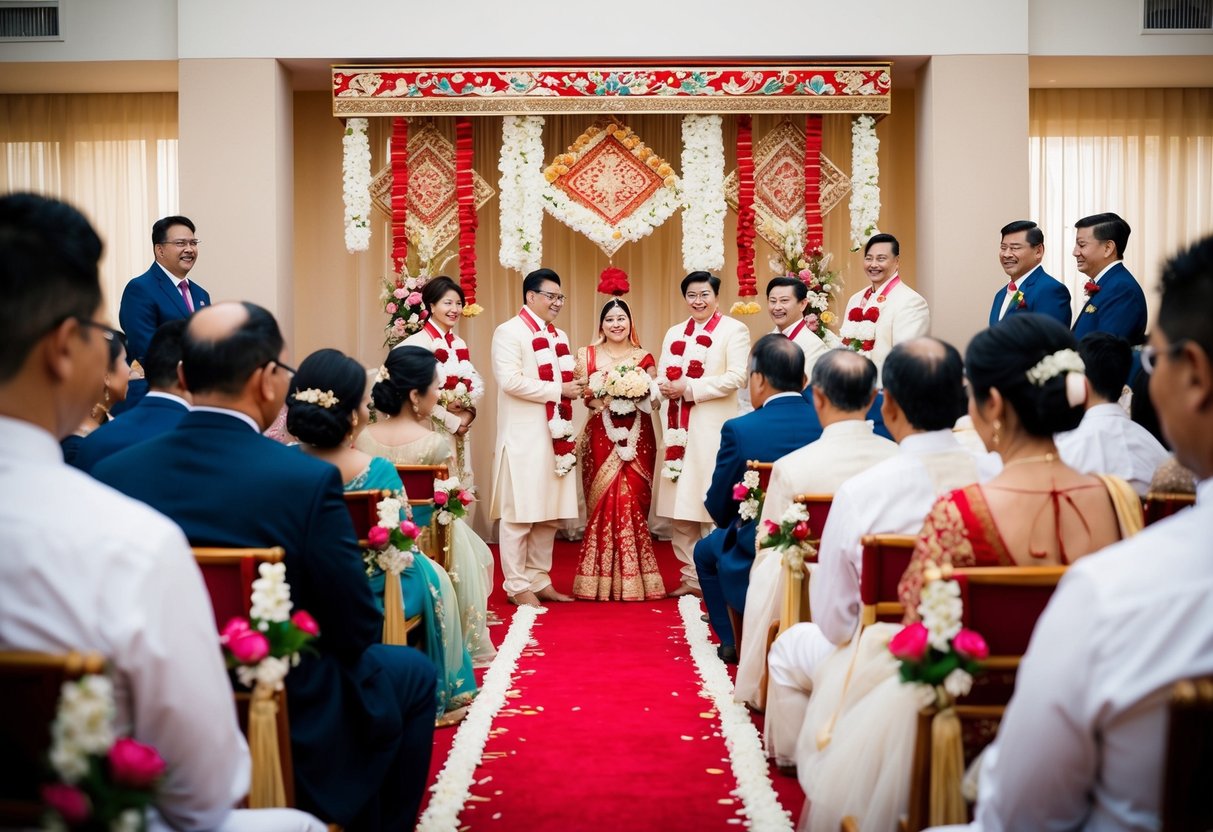
Traditional weddings are rich in rituals and celebrations that make the day unforgettable. These activities bring meaning and joy, emphasizing the couple’s commitment and sharing their love with family and friends.
Rituals and Celebratory Customs
Rituals form the heart of traditional weddings. One common custom is throwing rice over the newlyweds, symbolizing fertility and prosperity. This joyful act provides a festive atmosphere as guests celebrate the couple’s new life together.
Another fun tradition is tossing the garter, where the groom removes a garter from the bride and tosses it to the single men. This adds an exciting touch and symbolizes the groom’s role in providing for his family.
In some cultures, the mehndi ceremony is significant, where intricate designs are painted on the bride’s hands. This beautiful art creates a personal touch and is an expression of joy and celebration.
Wedding Reception Highlights
The wedding reception is a grand celebration with memorable highlights. The first dance is a significant moment for couples, setting the tone for the evening. This dance often symbolizes their journey together and allows guests to witness their love.
The wedding cake is another focal point. It is often a multi-tiered masterpiece, symbolizing prosperity and good fortune. Couples often choose a unique cake topper that represents their personality or story, making it a cherished part of their celebration.
Finally, couples also exchange wedding gifts. Gifts symbolize support and love from family and friends, contributing to the couple’s new life. These cherished items often hold sentimental value, making them a part of their shared memories.