
Why Do the Bride’s Parents Traditionally Pay for the Wedding? Understanding the Custom and Its Roots
Traditionally, the bride’s parents have played a significant role in wedding expenses. This custom goes back to historical practices, where families wanted to ensure their daughters were financially supported when they married. While it may seem outdated today, understanding this tradition can shed light on modern wedding planning and financial responsibilities.
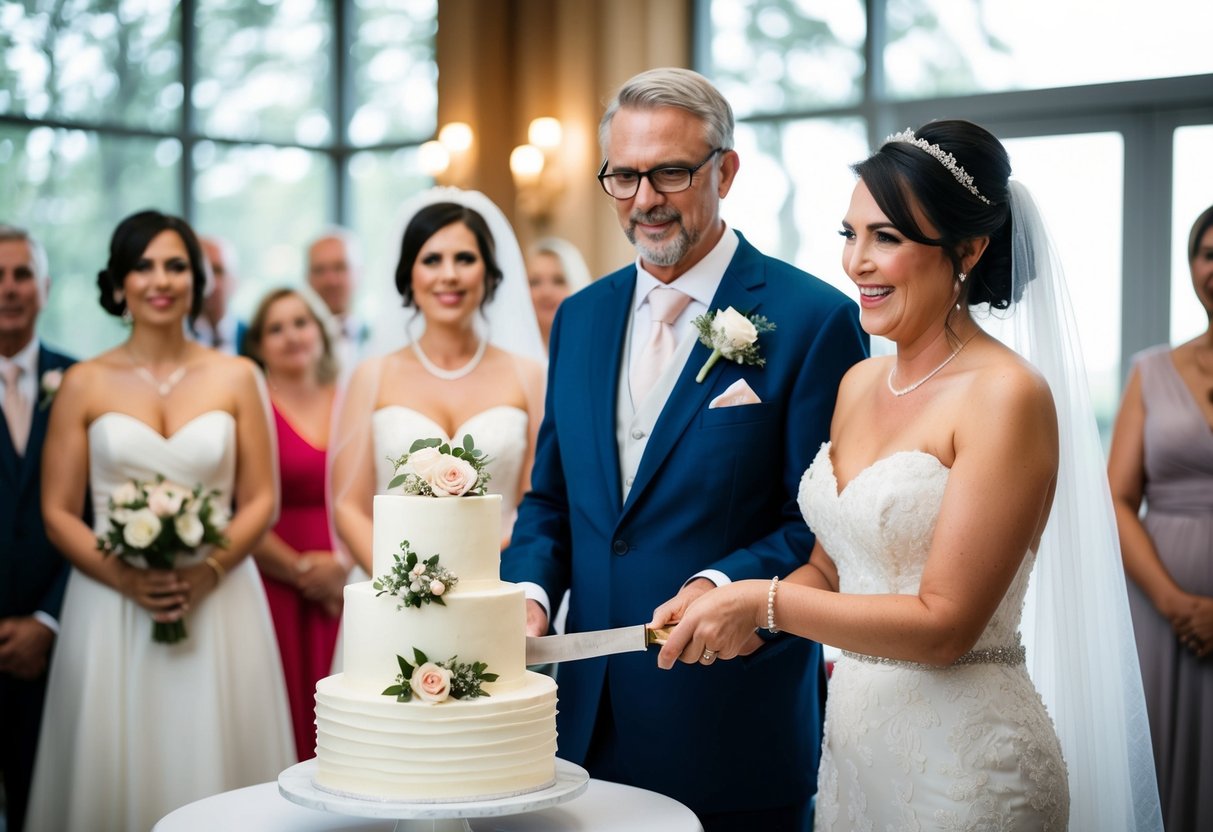
When it comes to wedding costs, you will notice that many couples still follow this tradition. The bride’s family often covers key expenses, which can include the venue, catering, and even the wedding dress. This practice is rooted in cultural history, but it can vary widely depending on personal circumstances and preferences.
As you plan your special day, consider how this tradition aligns with your own values. You may choose to adapt or change these norms to fit your unique situation. Exploring the reasons behind this custom can help you make informed decisions about budgeting and responsibilities for your wedding.
Historical Context and Evolution
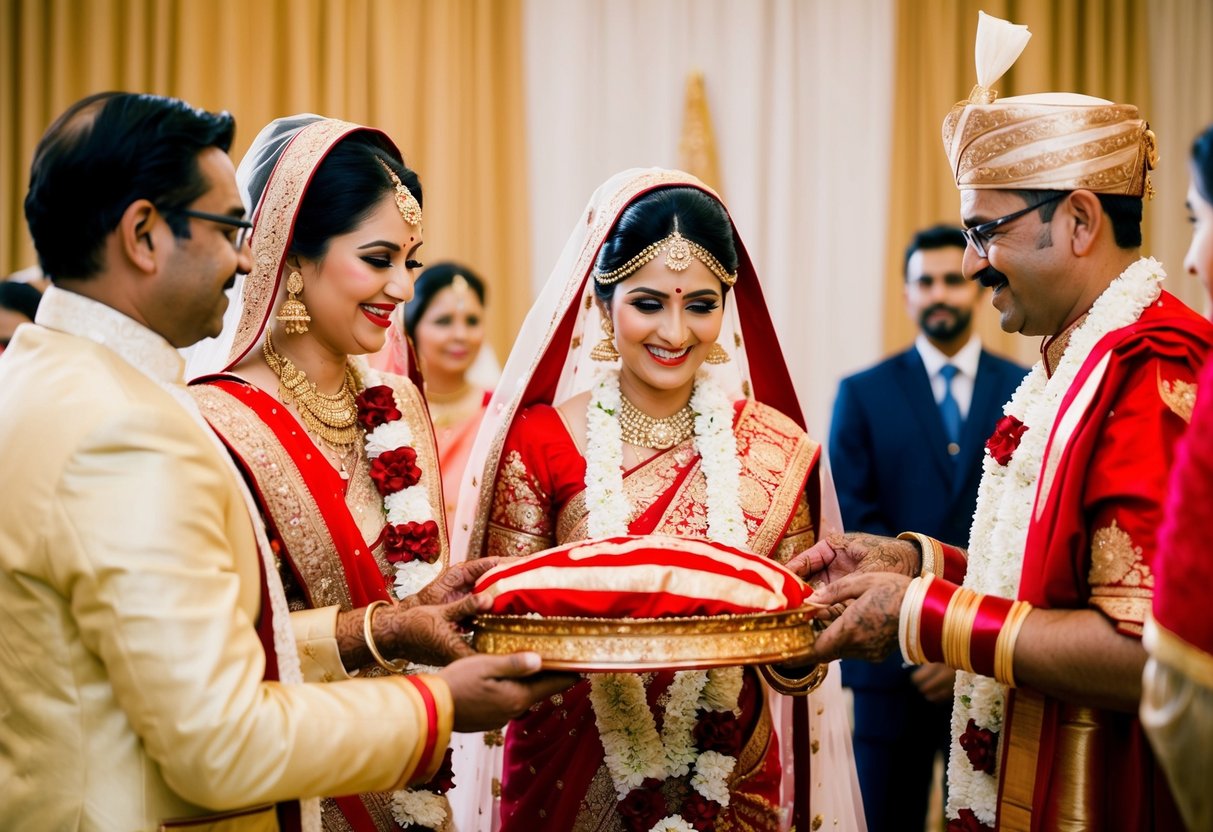
The tradition of the bride’s family paying for the wedding has deep historical roots that reflect cultural values and practices. Understanding this history helps you see how wedding customs have transformed over time.
Dowry and Marriage Contracts
In many ancient societies, a dowry played a key role in marriages. The bride’s family would provide property or money to the groom’s family. This exchange was a way to secure the marriage and show the family’s commitment.
Dowries also symbolized the bride’s value. It helped the groom’s family cover the costs of starting a new household. This practice created a financial bond between families and emphasized the responsibilities of both parties in supporting the marriage.
Changes in Modern Times
As times changed, so did the significance of dowries and financial arrangements. In modern weddings, the financial responsibilities may be shared more equally between the families of both partners.
You might find couples now discussing costs together, reflecting a shift toward financial independence. Many families still adhere to the tradition of the bride’s family contributing, but it’s increasingly common for couples to take charge of their own wedding expenses. This modern approach highlights a growing focus on equality and partnership.
Economic Aspects of Wedding Planning
When planning a wedding, understanding the financial responsibilities is crucial. This section breaks down the various costs associated with weddings and who typically handles these expenses.
Assessing the Wedding Budget
Before diving into wedding planning, it’s important to create a budget. Start by discussing how much you and your families can contribute. Make a list of essential expenses such as the venue, catering, attire, and decorations.
Think about potential hidden costs like tips for service providers or transportation.
Consider these budget categories:
- Venue costs
- Food and drinks
- Attire
- Decorations
Having a detailed budget will help you prioritize and make informed decisions throughout the planning process.
Costs Incurred by the Bride’s Family
Traditionally, the bride’s family takes on many wedding costs. This includes the ceremony, reception, invitations, and the bride’s attire.
These expenses can add up quickly. For instance, the average cost of a wedding can range from $20,000 to over $30,000, depending on the size and location.
Specific costs often covered include:
- Venue rental
- Catering services
- Wedding planner fees
- Photography and videography
By understanding these financial responsibilities, the bride’s family can manage their budget more effectively and avoid surprises.
Groom’s Family Contributions
While the bride’s family typically covers the majority of expenses, the groom’s family often contributes as well. In some cultures, they might pay for specific elements like the rehearsal dinner or certain decorations.
The contributions can vary greatly from family to family. It’s important for both sides to have an open dialogue about what each family can afford.
Common areas for contributions include:
- Rehearsal dinner
- Flowers or decorations
- Transportation
Clear communication about financial expectations can help prevent misunderstandings and ensure a smoother planning process for everyone involved.
Ceremonial and Social Considerations
Weddings hold deep meaning and are shaped by social customs. Understanding these ceremonial aspects can help you appreciate the traditions associated with your special day.
Symbolic Significance of Wedding Elements
Each element of a wedding ceremony has symbolic meaning. The wedding ceremony itself represents the union of two families, while the reception is a celebration of that union. The father of the bride plays a significant role by escorting her down the aisle, which symbolizes giving her away.
The mother of the bride often helps with planning and emotional support, reflecting a bond that lasts beyond the wedding day. Elements like the wedding dress, flowers, and rings also carry significance; for example, white dresses symbolize purity.
By embracing these customs, you honor the traditions that have been passed down through generations, making your day even more meaningful.
Etiquette and Wedding Roles
Wedding etiquette shapes how roles are performed, ensuring a smooth event. Traditionally, the bride’s parents are expected to cover many costs associated with both the ceremony and reception. This is linked to historical practices but can vary today.
The father of the bride typically gives a speech, welcoming guests and sharing personal anecdotes. This moment underscores the importance of family and support in your new life together.
Additionally, everyone involved in the wedding, from attendants to guests, has roles that add to the event’s harmony. By following etiquette, you create a joyful atmosphere for all, acknowledging the support of your loved ones.
Contemporary Perspectives on Funding the Celebration

Today, funding a wedding reflects many personal choices and shifts in tradition. Couples often decide how to share financial responsibilities, shaping the celebration to fit their beliefs and values. Understanding these modern approaches can help you navigate expectations and ease any stress related to wedding planning.
Modern Approach to Financial Responsibilities
In modern weddings, financial responsibilities are frequently shared between both families and the couple. Many couples choose to pay for significant parts of their wedding themselves. This shift allows you to create a celebration that truly represents your values and priorities.
Traditionally, the bride’s parents covered most costs, but today, custom suggests a more balanced approach. For instance, the bride and groom might handle the venue and catering costs while parents contribute to other expenses. This partnership can enhance the couple’s happiness by making the day feel more personal and collaborative.
Navigating Misconceptions
Misconceptions about who should pay for a wedding persist. Some people think that the bride’s family must cover the entire event. Yet, many couples find that sharing costs reduces financial strain and allows for a more customized celebration.
You might encounter friends or family who expect the traditional norms. It’s important to communicate your plan clearly. Discussing how costs will be shared can help avoid misunderstandings. Prioritizing your desires can lead to a happier experience, focusing on what truly matters to you both.