
Why Do You Have to Carry Flowers at a Wedding? Exploring the Tradition and Meaning Behind It
Carrying flowers at a wedding may seem like a simple tradition, but it has deep historical roots. Brides carry flowers to symbolize good fortune, fertility, and new beginnings, making them an essential part of wedding ceremonies. This lovely practice has evolved from ancient cultures, where flowers were believed to ward off evil spirits and bring blessings to the couple.
As you plan your own special day, understanding the significance of the bridal bouquet can add meaning to the moment. The choice of flowers often reflects personal stories and cultural heritage, making each bouquet unique. Whether you opt for classic roses or vibrant wildflowers, your floral selection can enhance the joy and beauty of your wedding.
Traditions around wedding flowers vary worldwide, but the common thread remains strong. Carrying flowers is not just about aesthetics; it connects you to centuries of love and celebration. Dive into this article to explore the fascinating history and significance behind why so many brides choose to carry flowers on their big day.
Historical Significance of Wedding Flowers
Carrying flowers at a wedding holds deep historical meaning. This tradition dates back to ancient cultures, where flowers symbolized important qualities such as love and fertility. The evolution of floral customs through various periods further shaped the significance of the bridal bouquet.
Ancient Traditions and Beliefs
In ancient Rome, brides carried floral garlands to symbolize fertility and new beginnings. These blooms were not just beautiful; they were believed to ward off evil spirits. Flowers like rosemary represented love and fidelity, reflecting the couple’s commitment to each other.
Different cultures infused unique meanings into their floral choices. For example, in some traditions, specific flowers signified purity and innocence, enhancing the bride’s virtue. The use of flowers during weddings helped create a sacred atmosphere, making ceremonies feel special and meaningful.
Floral Evolution from the Middle Ages to Victorian Era
During the Middle Ages, flowers retained their symbolic meanings but became more elaborate. The use of fragrant herbs and blooms in bouquets was popular, thought to bring good fortune and protection. Couples began to select flowers based on their meanings, making the bouquet a personalized symbol of their relationship.
In the Victorian Era, floriography emerged. This language of flowers allowed couples to convey emotions that words sometimes could not express. Each flower had its own meaning, letting brides express love, purity, or passion through their choice of blooms. This period solidified the importance of flowers in weddings, making them essential to the celebration of love and commitment.
Symbolic Meanings of Wedding Flowers
Wedding flowers are not just beautiful arrangements; they carry deep meanings and traditions. Understanding their symbolism can enhance your wedding experience and make the day even more special.
Flower Symbolism and Floriography
Different flowers symbolize various emotions and traits. A bouquet can represent your feelings and aspirations. For example:
- Roses stand for love and romance, making them a classic choice.
- Lily of the Valley represents purity and new beginnings.
- Peonies signify fidelity and good fortune, which is a lovely sentiment for a wedding.
Some brides opt for a flower crown, using blooms like daisies and wildflowers, symbolizing innocence and fertility. Each flower sends a message, allowing you to express your unique story on your special day.
Incorporating Personal Beliefs and Culture
You can also reflect your personal beliefs and culture through your floral choices. Many cultures have specific flowers tied to traditions. For example, in some cultures, jasmine may represent love and sensuality, while lotus flowers signify purity and rebirth in others.
Choosing flowers that represent important values or significant events in your life can enhance your ceremony. Adding elements from your family heritage or favorite blooms will make your bouquet truly meaningful. This personal touch helps create a memorable connection, making your wedding even more special.
Modern Wedding Flower Practices
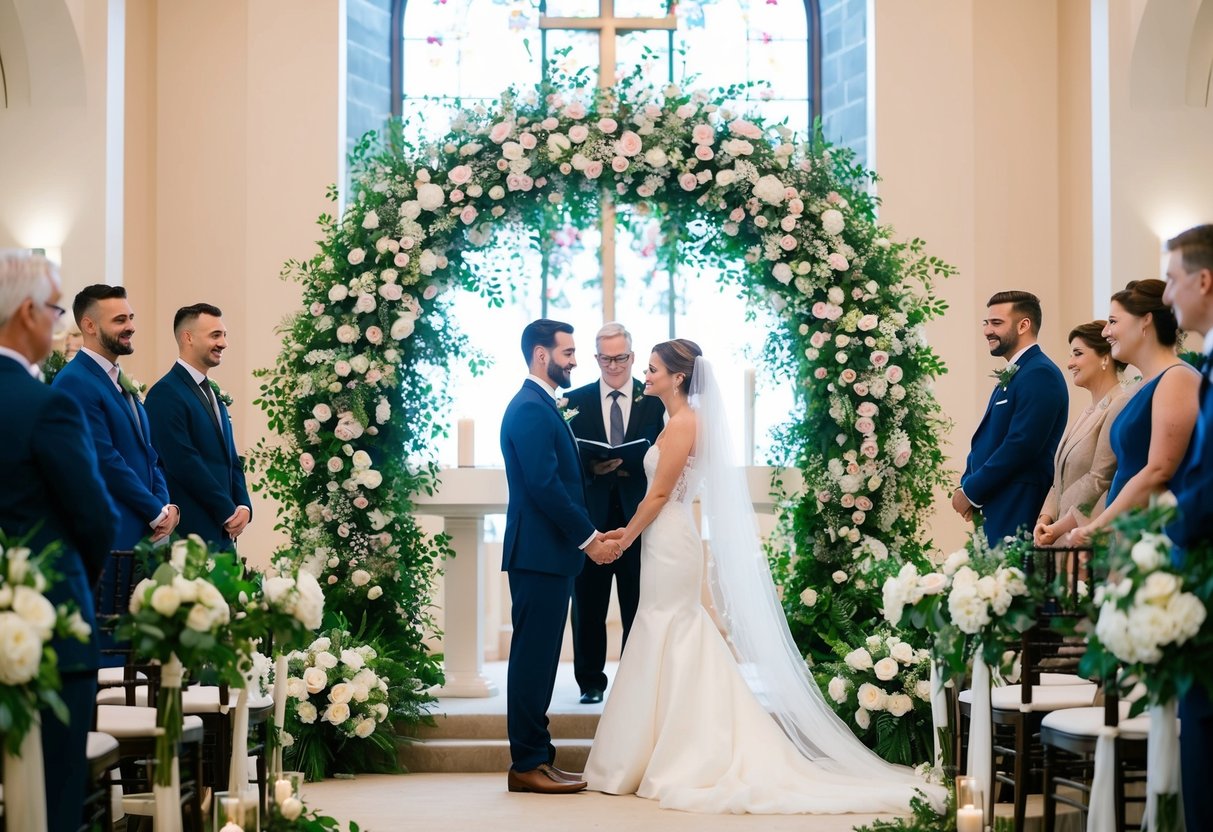
Flowers play a significant role in modern weddings, contributing to the beauty and setting of the day. You can express your personal style and make your celebration memorable by choosing the right flowers, exploring various designs, and considering alternatives.
Choosing the Right Flowers for Your Wedding
Selecting the perfect flowers is crucial for your bridal bouquet and other floral arrangements.
Popular wedding flowers include peonies, roses, and lilies, each adding unique charm. When making your choice, consider the season, as some flowers are more readily available at certain times of the year.
Make a list of your favorite flowers and discuss your ideas with a florist. They can help you find a color palette that matches your wedding theme. Creating a cohesive look can elevate your overall design. Remember to think about the meanings of the flowers, as they may symbolize love, purity, or passion, making them even more special for your big day.
Bouquet and Floral Arrangement Designs
Your bridal bouquet is a central piece of your wedding flowers. There are many styles to choose from, such as cascading bouquets or round bouquets. A bouquet toss can be a fun tradition too, allowing single guests a chance to catch the bouquet, which symbolizes good luck.
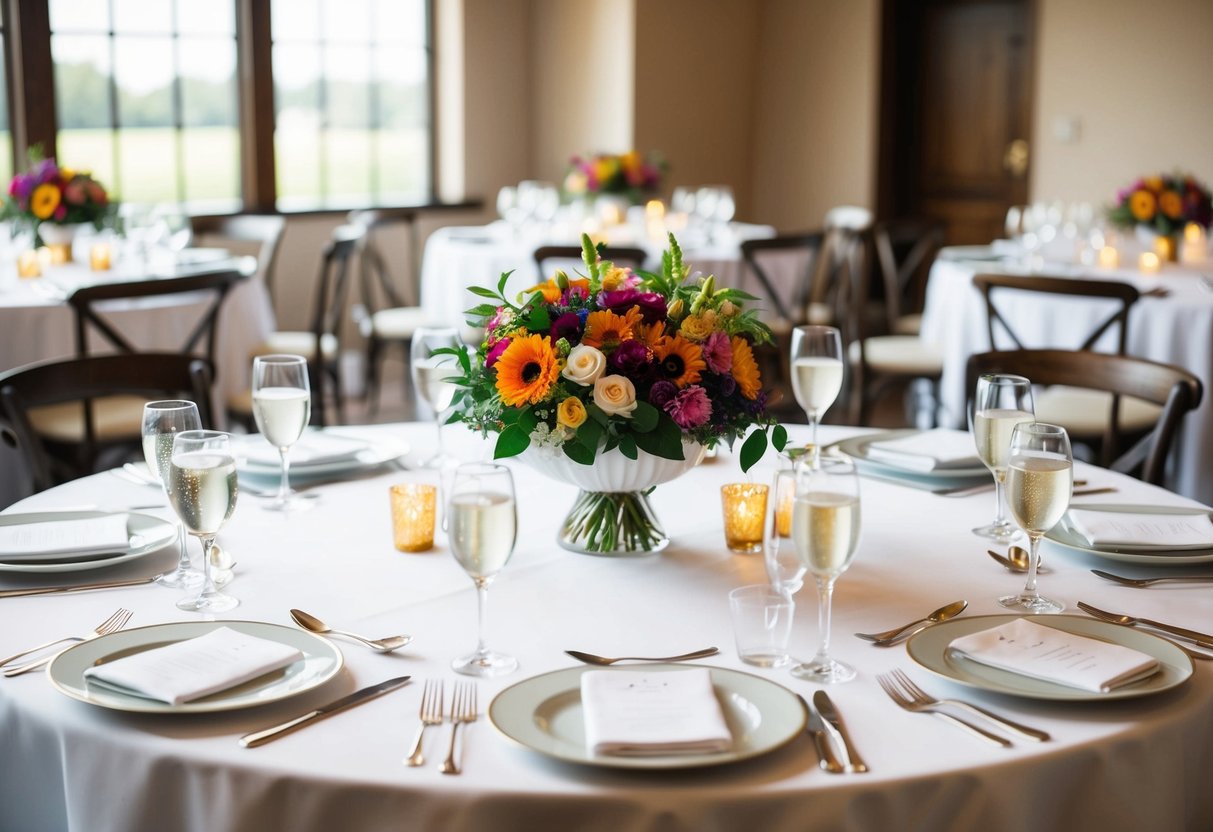
Besides the bridal bouquet, consider using corsages for mothers and grandmothers or floral centerpieces for tables. Flower garlands are also a lovely option for decorating the venue. Each floral design can reflect your personal style and the overall theme of your wedding. Collaborate with your florist to create a stunning look.
Alternatives to Traditional Floral Bouquets
If you prefer something unique, there are many bouquet alternatives you can explore.
Some brides opt for silk flowers, which offer lasting memories without wilting. Others choose to use creative items like brooches or fabric for a modern twist.
Another idea is to make a bouquet from meaningful items, such as family heirlooms. Incorporating unique elements can make your wedding flowers truly reflect who you are. Many couples are also choosing to use potted plants or herbs, which add a touch of greenery and can be kept as mementos.
The Role of Flowers in Wedding Ceremonies
Flowers play a significant role in wedding ceremonies, enhancing both the beauty and symbolism of the day. They serve as essential decorations and are involved in various traditions that connect couples with their love and individuality.
Decoration and Aesthetics
Flowers add color, texture, and beauty to weddings. They can match your wedding theme, whether it’s romantic, rustic, or modern. Your floral arrangements will be key to creating an inviting atmosphere.
Brides often carry bouquets that symbolize love and new beginnings. The bridal bouquet is not just a stunning accessory; it reflects your personality and style. Boutonnieres for the groom and groomsmen offer a nice touch, ensuring the wedding party looks coordinated.
The presence of flowers throughout the ceremony, from the altar to the reception tables, ties everything together. Each floral detail contributes to the overall decor and makes the day even more memorable.
Bouquet Toss and Other Flower Traditions
The bouquet toss is a fun and traditional part of many weddings. During this event, the bride tosses her bouquet to a group of single women. The belief is that the one who catches it will be the next to marry. This tradition connects the idea of love and luck.
Other ceremonies might include a flower girl who walks down the aisle, scattering petals. This adds charm and innocence to the event. The petals symbolize new beginnings and happiness as you start your married life.
Each flower detail adds meaning and can make your special day truly unique.