
Why Does a Bride Wear a Veil Over Her Face? Exploring Tradition and Symbolism
As you plan your wedding day, you might wonder about the traditions that come with it. One question that often comes up is why brides wear a veil over their face. Many brides choose to wear a veil as a symbol of purity and modesty, reflecting their commitment to their partner.
This beautiful accessory not only adds an elegant touch to your bridal look but also carries deep meanings from various cultures.
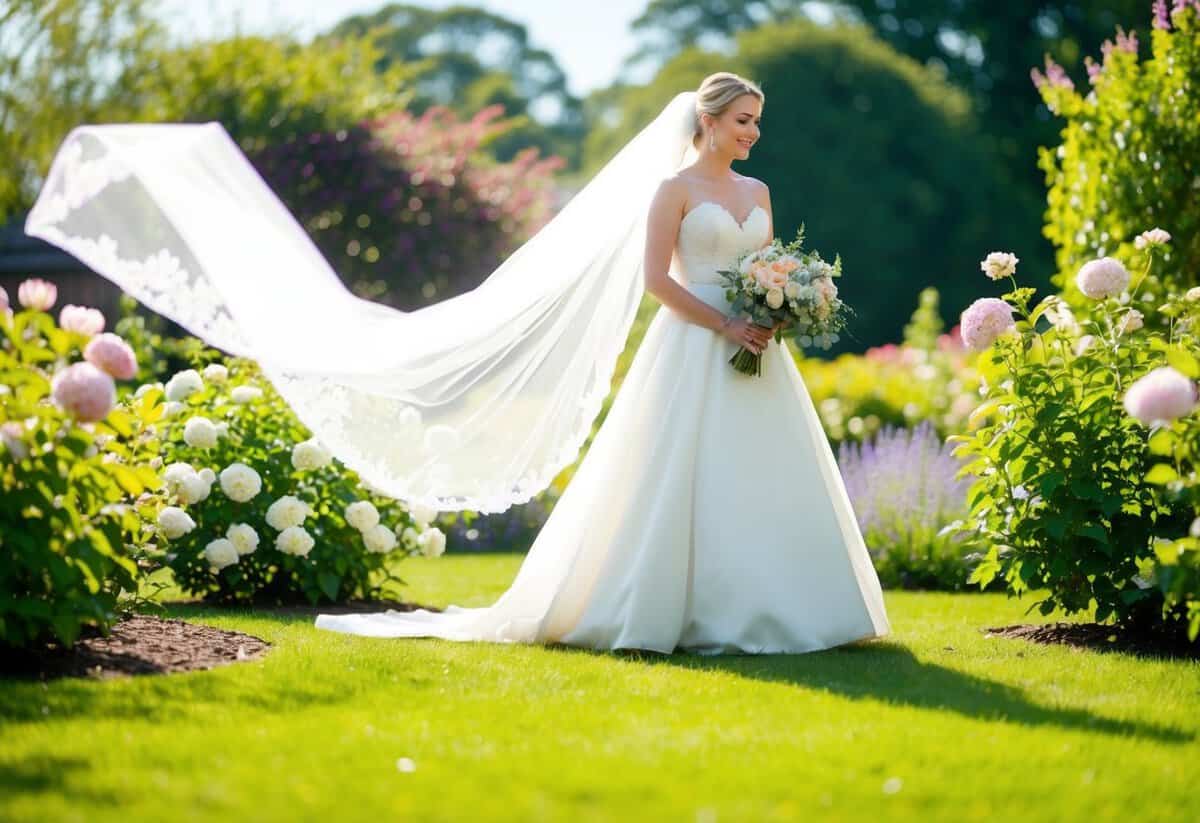
Wearing a veil can be a personal choice that speaks to both tradition and style. You might be drawn to the romantic image a veil creates, or perhaps you appreciate its historical significance in weddings.
No matter the reason, the decision to wear one enhances your overall wedding experience, making it even more memorable.
Each bride has her own story and vision for her big day. Whether you choose to keep your veil over your face during the ceremony or style it differently, it’s all about what feels right for you. Embrace this tradition and make it your own!
Historical Significance of the Veil
The tradition of brides wearing veils has deep roots in various cultures throughout history. From ancient practices to symbolic meanings, these traditions reflect the values associated with modesty, purity, and protection against negative forces.
Veil Tradition in Ancient Greece
In Ancient Greece, brides wore veils as part of their wedding attire. These veils were typically made from bright fabrics and adorned with flowers. The Greeks believed that covering the bride’s face helped ward off evil spirits.
The veil served not only as a fashion statement but also as an important ritualistic element. Brides would be escorted to the wedding altar, often hidden behind their veils. This practice highlighted the transition from girlhood to womanhood, symbolizing a bride’s new role and her commitment to her husband.
Veils as Protection Against Evil Spirits
Many cultures have tied the use of veils to the belief in protecting brides from evil spirits on their wedding day. In various traditions, you might find that the veil acts as a shield against misfortune.
This idea is rooted in ancient practices where it was thought that evil spirits could take advantage of vulnerable moments, especially during significant life events like weddings. By covering the bride’s face, the veil was believed to create a barrier, protecting her from harmful influences.
Symbolism of Modesty and Purity
The veil is often associated with values like modesty and purity. In many societies, brides cover their faces with veils to demonstrate their virtues. This act signifies a woman’s commitment to fidelity and respectability as she enters a new phase of life.
Historically, the white bridal veil also symbolizes virginity, further linking it to societal ideals around purity. Wearing a veil has, therefore, been an expression of honor within many cultures.
The Veil in Modern Weddings
In modern weddings, veils have become more than just a symbol. They serve as a key fashion accessory, reflecting your personal style and taste. From traditional to contemporary designs, veils enhance the overall look of your wedding dress and create a memorable bridal appearance.
Veils as a Fashion Accessory
Today, wedding veils are a popular choice for modern brides. They add elegance and a touch of romance to your bridal outfit.
You can choose from various lengths, styles, and fabrics to match your wedding dress perfectly.
Some common types of veils include birdcage veils, cathedral veils, and elbow-length veils. Each type offers a unique look and vibe. A veil can complement intricate lace or simple satin, making it a versatile accessory for any wedding theme.
Variety and Personal Style
Personal style plays a significant role in selecting your veil. You might lean toward a classic style or opt for something more trendy and unique.
Some brides add personal touches, such as embellishments or embroidery, to make their veil special.
Also, consider the color of your veil. White is traditional, but off-white, champagne, or even bold colors can make a statement. This choice allows you to express your personality while ensuring your veil harmonizes with your wedding dress.
Modern Veil Traditions
While some modern brides choose to forgo veils, many embrace new traditions. Veils can now symbolize various things beyond modesty, including individuality and creativity. They can also reflect your cultural background or personal beliefs.
You might find veils used in non-traditional ways, like adorned with floral designs or paired with unique hairpieces. These trends transform the veil into a creative expression of your style on your special day. It’s all about celebrating your love and making a statement that feels authentic to you.
Ceremonial and Religious Aspects
The tradition of wearing a veil over the face has deep ceremonial and religious roots. Understanding these aspects helps you appreciate the significance of this beautiful custom during a wedding.
Lifting the Veil
Lifting the veil is a meaningful moment in many wedding ceremonies. This act symbolizes the groom’s acceptance of the bride. It often represents the transition from her single life to marriage.
This gesture can be found in various cultures. For instance, in Jewish weddings, the lifting of the veil occurs during a ritual called Bedeken. Here, the groom checks to ensure he is marrying the right woman. This moment highlights trust and commitment, marking an important step in your union.
Religious Ceremonies and Veils
Veils carry different meanings in various religious ceremonies. In Christianity, for example, the veil signifies modesty and purity. The bride may cover her face as a sign of respect and humility. This choice reflects her devotion during the sacred act of marriage.
In Islamic traditions, a bride’s veil also represents dignity. Covering the face can protect her from the public gaze. This act highlights her commitment to her faith and her future spouse.
Choosing the Right Veil for You
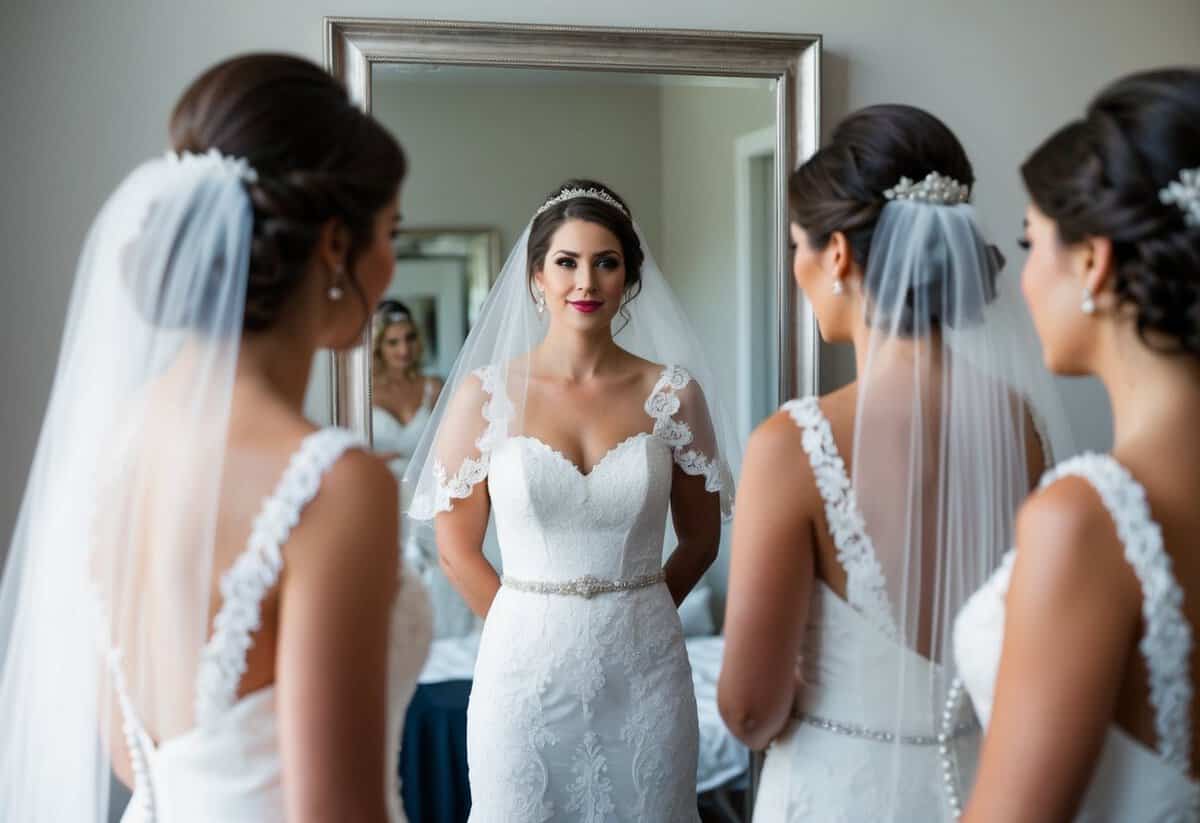
Selecting the perfect veil can enhance your bridal look and reflect your style. Consider the length, type, and even family traditions when deciding what’s best for you.
Understanding Veil Lengths
Veil lengths vary greatly and each serves a different purpose. Here are some common options:
- Birdcage Veils: Short and playful, these typically cover just the face.
- Blusher Veils: These are longer and cover the face, often lifted during the ceremony to reveal the bride.
- Floor-length Veils: These create a dramatic entrance, flowing down to the ground.
- Cathedral Veils: For a grand statement, these extend several feet behind you.
Choosing the right length depends on your dress style and personal comfort. A shorter veil can feel lighter, while a longer model adds elegance.
Unique Veil Types
Exploring unique veil options can add a special touch to your wedding style. Consider:
- Face-covering styles: These veils, like the blusher, create an air of mystery and anticipation.
- Birdcage veils: Often made from netting, these provide a fun, vintage-inspired look.
- Lace-trimmed veils: Adding lace can enhance a romantic dress while still offering a classic feel.
Each veil type has its unique flair. Think about how it complements your dress and the overall vibe you want for your wedding.
The Family Veil
Wearing a family veil can hold significant sentimental value. It connects you to your heritage and past generations. Here are some things to consider:
- Cultural Reasons: Certain cultures have specific practices around veils, adding depth to your choice.
- Modesty: Some brides choose family veils for their added coverage and modesty.
- Emotional Connection: Wearing a veil that belonged to a loved one can create a beautiful tribute on your special day.
If you have access to a family veil, consider its history and how it aligns with your vision. Choosing a family veil can make your wedding even more meaningful.