
Why Does Mary Not Marry Tomas? Understanding Their Relationship Dynamics
Mary does not marry Tomás due to a mix of personal beliefs and the complex dynamics of their relationship. Her decision reflects a deeper commitment to her own values and faith, which guides her choices in love. The relationship between Mary and Tomás was marked by struggle, including his abusive behavior. These challenges made it hard for Mary to trust in their future together.

As you explore Mary’s journey, you’ll see how doubt and faith played significant roles in shaping her decisions. Her faith in what she truly wants out of life often clashed with the expectations society placed on her. This tension made her realize that marrying Tomás would not lead to the fulfillment she sought.
Understanding why Mary chose not to marry Tomás opens a window into her character and the challenges faced in her time. You’ll uncover the importance of self-discovery and the impact of faith in making difficult choices about love and partnership.
The Relationship Between Mary and Tomas

The connection between Mary and Tomás was shaped by various factors, including cultural pressures, personal beliefs, and communication issues. Understanding these elements helps clarify why their relationship faced challenges and ultimately did not lead to marriage.
Cultural and Social Factors
Mary Stuart and Tomás of Portugal were caught in the web of political alliances. Their engagement was more about securing power than romance. Such arrangements were common during this time.
In Mary’s case, marrying Tomás was supposed to strengthen her position and secure aid for her struggling country. Yet this alliance created pressure for Mary. The expectations from both sides could have complicated her feelings about the relationship.
Additionally, the norms of their societies influenced them. Mary, being a queen, had the weight of her kingdom’s future on her shoulders. Tomás, as an illegitimate son, also faced social stigma. These cultural challenges added layers of complexity to their bond.
Personal Beliefs and Values
Mary held strong beliefs based on her royal duties and personal values. She prioritized her kingdom’s stability over her personal desires. While the alliance with Tomás seemed beneficial, it often clashed with her sense of self.
Tomás also had his own values. As the son of a king, he was aware of the expectations surrounding his role. His feelings for Mary were intertwined with his ambition. He hoped the marriage would elevate his status and help both their causes.
This clash between duty and personal feelings created tension. You can see how deep-rooted beliefs impacted their relationship. Their intentions were not purely romantic, leading to significant strain on what could have been a loving partnership.
Communication and Misunderstandings
Communication played a significant role in the struggles between Mary and Tomás. Even though they had important discussions, misunderstandings arose. These misunderstandings often stemmed from their differing backgrounds and expectations.
Mary may have viewed Tomás as a political ally first, while Tomás might have sought emotional connection. This difference created barriers. They struggled to express their true feelings, leading to mixed signals and confusion.
Furthermore, external pressures affected their communication. Intrigues at court and threats from rival factions added stress. This environment made it difficult for Mary and Tomás to focus on building a strong foundation for their relationship. Each miscommunication made their bond weaker, highlighting the challenges they faced.
Exploring the Theme of Doubt

Doubt can play a significant role in how you approach relationships. It can influence your decisions and how you view faith. When you look at characters like Mary and Thomas, their experiences with doubt can reveal important lessons about trust and commitment.
Doubt in Personal Relationships
Doubt often creeps into personal relationships, affecting how you connect with others. For instance, you may find yourself questioning your partner’s feelings or commitment. This anxiety can lead to misunderstandings and strain the relationship.
In the case of Mary and Thomas, Thomas openly expressed his doubts about Jesus’ resurrection. His hesitation made it hard for him to fully embrace his faith. This kind of doubt can echo in personal relationships, leading to feelings of insecurity.
Overcoming Doubt Through Faith
Faith is a strong tool in overcoming doubt. When you lean into your beliefs, you can find strength against uncertainty. Just like Thomas needed proof to believe, you might look for reassurance in your own life.
Building faith can involve communication and sharing fears with your partner. By talking openly, you promote understanding and trust. Strengthening your faith—whether spiritual or relational—can create a solid foundation that helps dispel doubts.
Doubt as a Barrier to Commitment
Doubt can prevent you from fully committing to a relationship. When you’re unsure, it’s harder to take steps toward a deeper connection. This fear can manifest as hesitation or avoidance of serious discussions, keeping you from moving forward.
In the case of Thomas, his reluctance to believe initially held him back. It wasn’t until he touched Jesus’ wounds that he could fully commit to his faith. Similarly, recognizing and addressing doubt in relationships is crucial for growth and commitment. Allowing room for fears and uncertainties can lead to stronger, more meaningful connections.
Religious Context and Symbolism
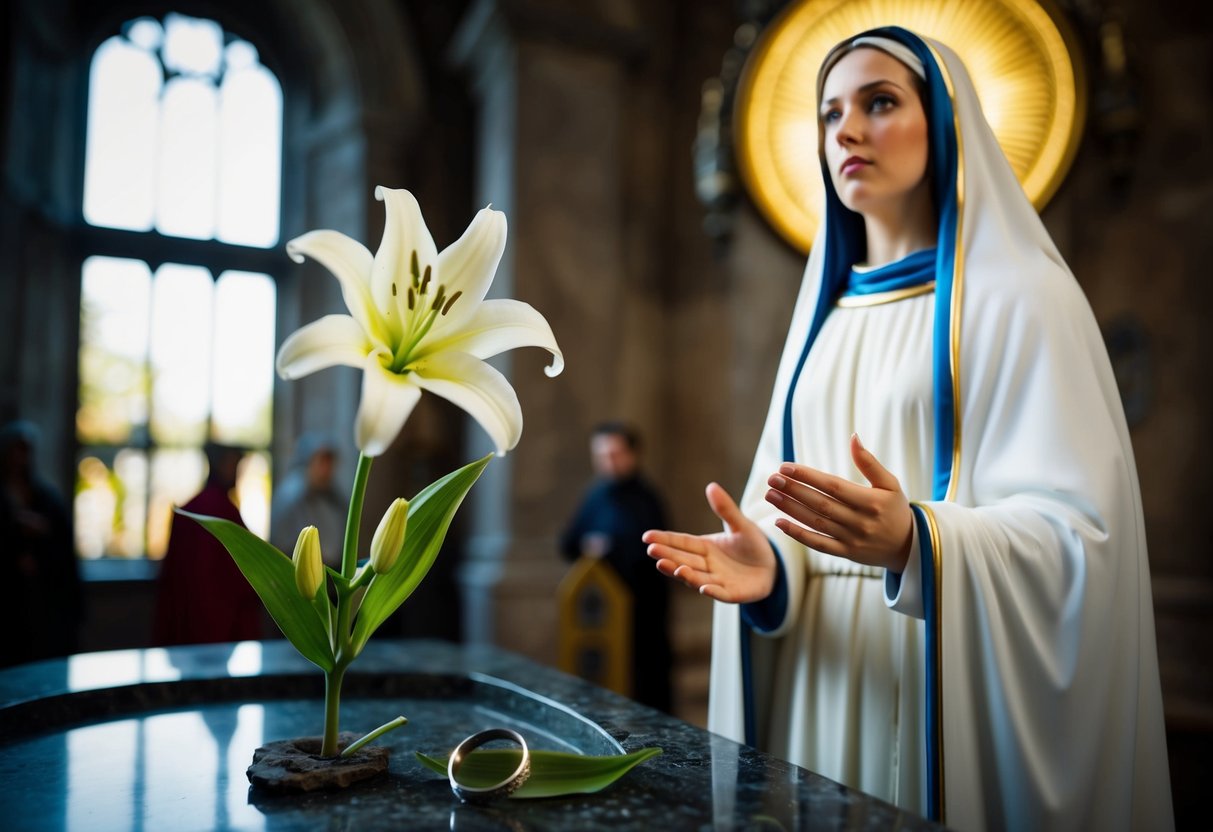
In exploring the relationship dynamics between Mary Magdalene and Thomas, it’s crucial to understand their roles within the context of early Christian beliefs. Both figures symbolize different aspects of faith and doubt, reflecting the broader themes of the resurrection.
Mary Magdalene and the Resurrection
Mary Magdalene played a vital role in witnessing the resurrection of Jesus. After His crucifixion, she was the first to find the empty tomb. This moment is powerful because it highlights her faith and dedication.
When Jesus appeared to her, He instructed her not to touch Him. This was symbolic of Mary needing to let go, emphasizing a shift from physical to spiritual connections. As a disciple, her encounter with the risen Christ marks a transition in faith. She becomes a messenger of hope for the other disciples.
Thomas: The Epitome of Doubt and Faith
Thomas represents doubt that many people can relate to. He famously questioned the resurrection, needing tangible proof that Jesus had risen. This request highlights the human desire for certainty.
When Jesus invited Thomas to touch His wounds, it showed compassion and understanding of his struggle. This moment also symbolizes the journey from doubt to faith. Thomas’s eventual belief sets a powerful example of how faith can blossom from skepticism. It reminds you that doubts are part of spiritual growth.
The Nature of Belief and Evidence

Understanding belief and evidence can help clarify why Mary does not marry Thomas. Beliefs often come from personal experiences and the evidence we observe in our lives. This section explores how proof can inform your faith and how witnessing the miraculous can shape your understanding.
Proof and Personal Conviction
Proof plays a crucial role in shaping your personal beliefs. In many situations, people seek tangible evidence before accepting something as true. For example, the resurrection of Jesus is a key event that influences belief in Christianity. In John 20:27, Jesus invites Thomas to touch His wounds. This moment serves as proof for Thomas, establishing his faith.
Your personal conviction often goes hand in hand with proof. When you experience something directly or witness it, your belief can strengthen. You may find that hearing about others’ experiences can also boost your confidence in your own beliefs.
Witnessing the Miraculous
Witnessing miracles can significantly affect your faith journey. Many people feel their beliefs shift after witnessing extraordinary events. These experiences can reinforce your conviction and provide the proof you need to support your faith.
For instance, stories of Jesus performing miracles encourage others to believe. Seeing or hearing about such events can lead to a deeper understanding of faith. As you explore these experiences, you may become more open to the concepts of belief and evidence, which shapes your views on Mary and Thomas.